
Choosing between a long clipboard and a standard clipboard depends on your document dimensions and filing system. Standard clipboards fit Letter (8.5 x 11 inches) and A4 (8.27 x 11.69 inches) sheets, making them ideal for everyday office forms, school worksheets, and standard filing cabinets. Long clipboards support Legal-size paper (8.5 x 14 inches) or the regional “long bond paper” (8.5 x 13 inches) commonly used in the Philippines, preventing document overhang, bending, or tearing. If your workflow involves legal contracts, real estate documents, or continuous inventory sheets, a long clipboard is essential; if you primarily handle standard business correspondence and need high portability, a standard clipboard is the more practical choice.
Key Differences Between Long and Standard Clipboards
Understanding the physical and functional distinctions between these two tools prevents organizational bottlenecks in your workspace. A standard clipboard typically measures around 9 by 12.5 inches, providing a compact, rigid backing that aligns perfectly with standard-sized documents. A long clipboard extends this length, usually measuring 9 by 15 inches or more, which provides complete support for longer sheets. This extra length ensures that the entire page remains flat, which is particularly important when writing on the bottom third of a document without a desk underneath you.
While both sizes mount the clip at the top short edge, a long clipboard’s extended span keeps longer documents taut and prevents them from flapping or curling. However, placing a standard sheet on a long board leaves a substantial amount of exposed board at the bottom, which can make handheld writing feel unbalanced.
Products mentioned in this guide
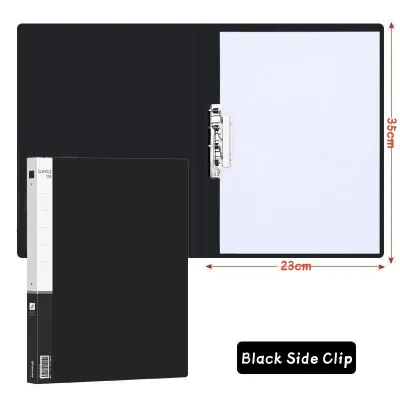
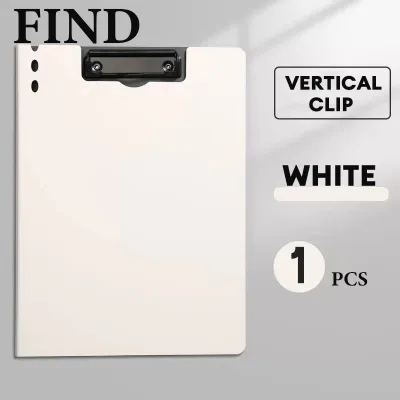
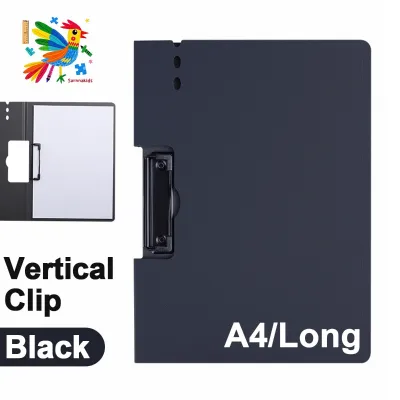
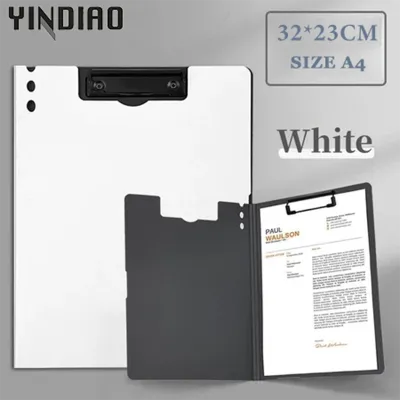
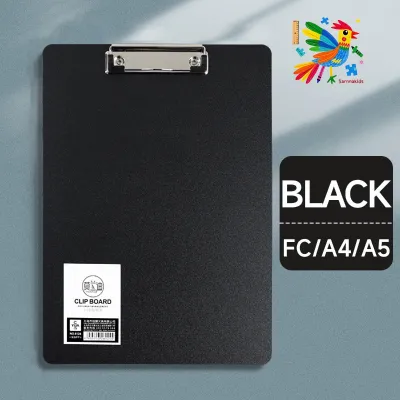
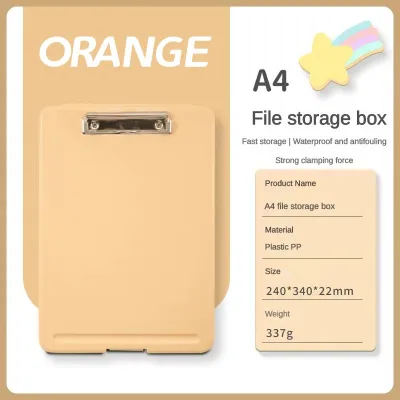
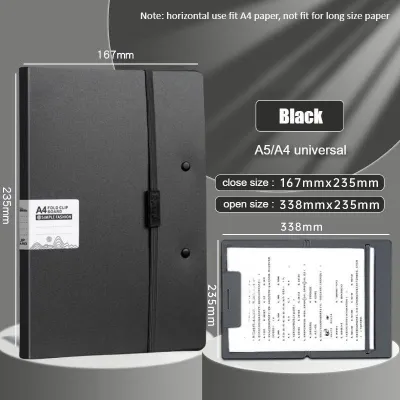
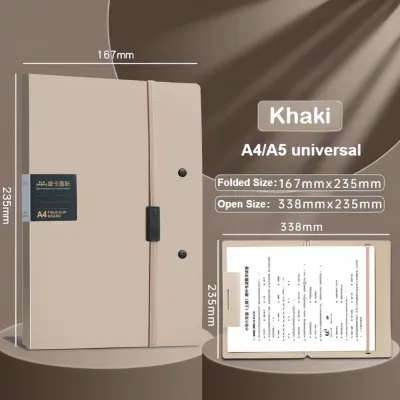
Prices are valid at publication and may change. Please refer to the product page for the latest price.
Material selection is another critical factor, especially in tropical climates like the Philippines where high humidity can affect stationery longevity. Standard and long clipboards are commonly made from hardboard, acrylic, plastic, or aluminum. While hardboard is highly affordable, it is prone to absorbing moisture from the air over time, which can cause warping or swelling, particularly on the longer, unsupported span of a long clipboard. Heavy-duty plastic or rust-resistant aluminum clipboards offer better structural integrity and moisture resistance, though they add slightly more weight to your daily carry.
Size and Document Compatibility
Matching your clipboard to your specific paper size is the first step toward maintaining clean, professional-looking documents. Standard clipboards are engineered to hold A4 and Letter-sized papers with just enough border clearance to protect the edges of the sheets from fraying.
When you attempt to use standard boards for extended paper sizes, such as US Legal or local long bond paper, the bottom two to three inches of the sheet will hang over the edge. This lack of support makes it nearly impossible to write legibly on the lower portion of the page and leaves the exposed paper vulnerable to creasing, tearing, or getting soiled during transit. Long clipboards solve this issue by extending the rigid backing all the way to the bottom of these longer sheets, keeping your legal drafts, medical charts, and shipping manifests pristine.
Before purchasing, verify your document dimensions and clip clearance:
- Measure the paper length: Ensure your paper length does not exceed the board length minus the clip housing space (usually about 1.5 inches at the top).
- Check the clip width: A wider clip (around 4 to 5 inches) distributes pressure more evenly, which is crucial for holding heavy stacks of long paper without slipping.
- Assess the margin space: Verify that the clip does not cover essential headers or text fields at the top of your forms.
Storage and Filing Workflow
Your choice of clipboard size directly impacts how smoothly documents transition from active writing tools to permanent storage. Standard clipboards are highly compatible with conventional office storage solutions. They slide easily into standard filing cabinets, vertical magazine files, and shallow desk drawers without protruding or blocking drawer slides.
Long clipboards present unique storage challenges due to their extended length. They will typically protrude from standard-sized desk drawers, preventing them from closing completely, and they will not fit inside standard letter-sized filing cabinets or standard vertical organizers. To store long clipboards neatly, you will need to utilize legal-size filing cabinets, deep open shelving, or specialized wide-format storage bins. If your office setup is restricted to standard-sized furniture, integrating long clipboards will require dedicated wall hooks or deep storage baskets to avoid creating physical obstacles.
The physical thickness of the board material and the profile of the clip hardware also affect how these tools stack. Flat, low-profile clips allow multiple boards to be stacked flat on top of one another with minimal bulk, which is ideal for classroom or training environments. Bulky wire clips with plastic corners offer a stronger grip for thick document stacks but make vertical stacking highly unstable, requiring more shelf height or dedicated horizontal sorting trays.
Portability and Desk Space
Evaluating the physical footprint of your clipboard is essential if your work requires you to move around frequently or operate in tight spaces. Standard clipboards require minimal desk space, leaving plenty of room for laptops, coffee mugs, and reference materials. Their compact size also makes them highly portable; they slip effortlessly into standard backpacks, messenger bags, and tote bags, making them the preferred choice for students, surveyors, and on-the-go professionals.
Long clipboards demand a larger physical footprint, which can feel restrictive on small desks or shared workspaces. When writing on a long board while standing, the extra length can press against your forearm or torso, making it slightly more awkward to maneuver during extended field use. Furthermore, carrying a long clipboard can be cumbersome, as it will often stick out of standard bags, exposing the board and your documents to sudden tropical downpours or physical damage.
For professionals who conduct field work, site inspections, or client meetings on the move, the portability trade-off is significant. If you must use long paper but travel frequently, you may need to invest in a specialized oversized briefcase or a weather-resistant document bag designed to accommodate legal-sized gear.
How to Choose the Right Clipboard for Your Workflow
Selecting the ideal clipboard size requires a careful analysis of your daily tasks, document types, and workspace limitations.

Choose a Standard Clipboard if…
- Your primary documents are standard size: You almost exclusively handle A4, Letter, or smaller custom forms.
- Mobility is a top priority: You frequently carry your clipboard in a standard backpack, tote bag, or briefcase during commutes or field visits.
- Your storage space is limited: You rely on standard filing cabinets, shallow desk drawers, or standard vertical magazine holders to organize your office supplies.
- You stack multiple boards: You need to store dozens of boards together for meetings, workshops, or classroom activities.
Choose a Long Clipboard if…
- You regularly handle extended documents: Your workflow revolves around US Legal paper, local long bond paper, continuous accounting sheets, or architectural checklists.
- You require full-page writing support: You need to write legibly all the way to the bottom margin of long documents without the paper bending or hanging off the edge.
- You have compatible storage: Your workspace is equipped with legal-size filing cabinets, deep open shelving, or dedicated wall hooks.
- Your work is primarily desk-bound: You mostly use the clipboard at a fixed workstation or within a controlled environment where portability is not a major concern.
Verify First if… Before making a final purchase, take a moment to measure your existing storage infrastructure. Check the internal depth of your filing drawers and the dimensions of your favorite work bag. If you plan to budget around ₱150 to ₱400 for a high-quality, durable board, ensuring that it actually fits your storage setup beforehand will save you from the hassle of returns or cluttered workspaces.
Integrating Clipboards into Your Filing and Storage Setup
Once you have chosen the correct clipboard size, organizing them systematically within your workspace is key to maintaining high productivity.
For standard clipboards, vertical storage is highly efficient. You can use heavy-duty vertical magazine files or wire desk organizers to stand the boards upright on your shelves. This method keeps them easily accessible and prevents them from taking up valuable desk surface area. For long clipboards, horizontal storage on deep shelves or inside wide paper trays is often more practical, as their height can cause them to tip over in standard vertical organizers. If shelf depth is limited, consider installing sturdy wall hooks near your desk; hanging long clipboards by their built-in clip loops is an excellent way to utilize vertical wall space while keeping your documents flat and out of the way.
To streamline document retrieval, implement a clear labeling and grouping system. You can use color-coded clipboards or apply durable adhesive labels to the top or side edges of the boards. Grouping your clipboards by department, project phase, or document type allows you to identify the correct board at a glance. For example, you might use blue plastic boards for active client contracts and heavy-duty aluminum boards for outdoor inventory checks, ensuring that each tool is perfectly matched to its environment and purpose.
Frequently Asked Questions (FAQ)
Can I use a long clipboard for standard A4 or Letter paper?
Yes, you can physically clip standard A4 or Letter-sized paper onto a long clipboard, but it is not always the most practical setup. Because a long clipboard is designed for extended sheets, placing a shorter document on it will leave several inches of exposed board at the bottom. This extra material can snag on your clothing, bump into your desk, or take up unnecessary space in your bag. Additionally, the excess board at the bottom shifts the center of gravity downward, which can make the clipboard feel unbalanced and awkward to hold while writing standing up.
Do long clipboards fit inside standard filing cabinets?
Generally, long clipboards do not fit inside standard letter-size or A4 filing cabinets. Standard filing drawers are designed to accommodate folders and boards up to approximately 12 to 13 inches in depth, whereas a long clipboard typically measures 15 inches or more. Attempting to force a long clipboard into a standard drawer will prevent the drawer from closing or risk damaging the board’s clip mechanism. To store long clipboards securely, you should use legal-size filing cabinets, deep open shelving units, or specialized wide-format storage bins. Alternatively, you can hang them on wall hooks using the retractable hanging loops built into most modern clip mechanisms.
Community discussion
Share your experience or ask a question. Comments are reviewed before publication.