
Selecting the right art supplies in the Philippines often involves balancing budget constraints with performance expectations. For students, hobbyists, and professional illustrators alike, the choice of drawing tools directly impacts the final output and the overall creative experience. The longnib marker has emerged as a popular, budget-friendly option on local e-commerce platforms, promising accessible color rendering for those who want to avoid the steep prices of professional alternatives. However, when compared to premium, industry-standard brands like Copic or ShinHan Touch, artists must consider whether these budget-friendly tools can truly deliver the reliability needed for serious work.
Budget-friendly options like the longnib marker are highly practical for beginners, design students, and high-volume sketchers who need to practice color layouts without financial anxiety. These markers allow you to experiment with base layers, quick drafts, and color theory concepts where the cost of mistakes needs to remain low. Conversely, premium brands remain indispensable for professional illustrators, architects, and designers who require strict archival quality, precise color matching across different production batches, and advanced blending capabilities. Your decision should ultimately depend on your current skill level, your budget, and whether your finished artwork is destined for a client presentation or a personal practice sketchbook.
Ink Quality and Blending Performance of the Longnib Marker
Alcohol-based markers rely on a fast-evaporating solvent carrier to deliver dyes or pigments to the paper surface. In the humid, tropical climate of the Philippines, the rate of solvent evaporation can vary, directly affecting how long the ink remains workable on your drawing medium. High-quality alcohol ink should glide smoothly across the page, providing consistent saturation without leaving unsightly streaks or blotches. When evaluating a budget marker against a premium brand, the physical behavior of the ink during application is often the most revealing indicator of overall quality.
Products mentioned in this guide
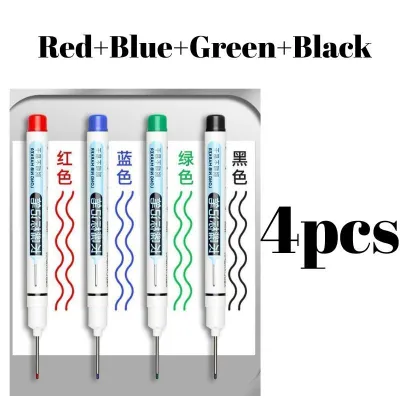
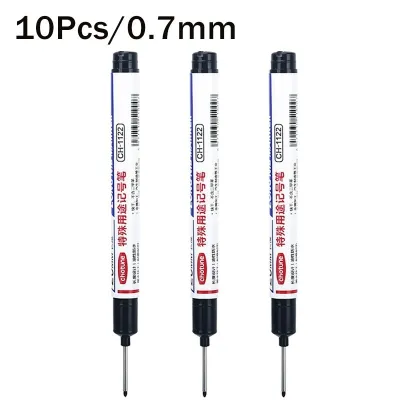
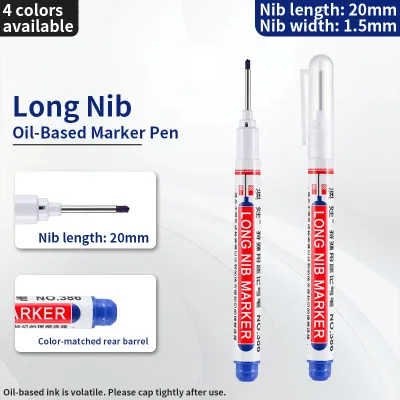
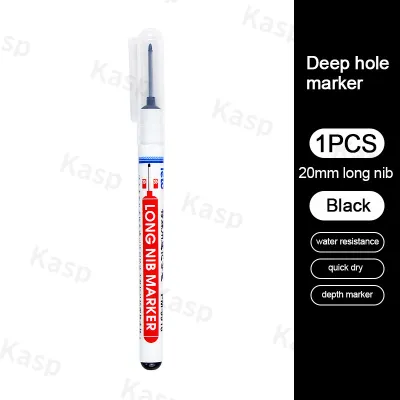
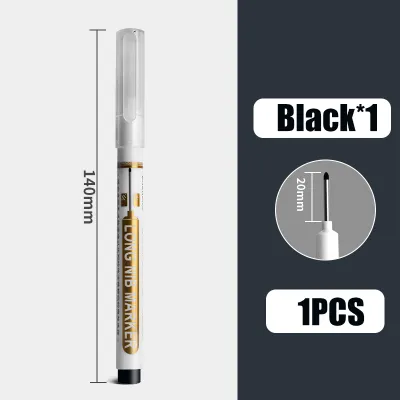
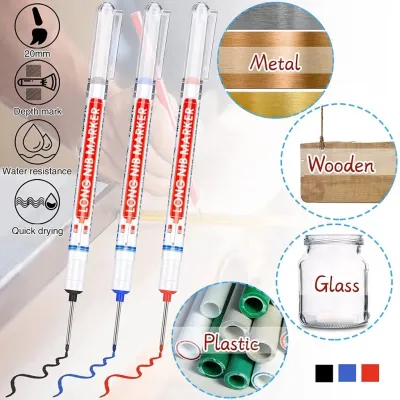
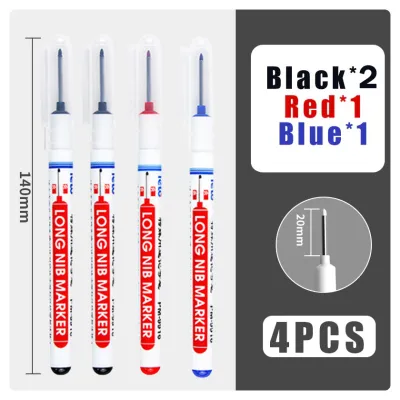
Prices are valid at publication and may change. Please refer to the product page for the latest price.
Because alcohol markers contain chemical solvents, it is always best practice to work in a well-ventilated space. Keep these markers away from open flames, and ensure young children are supervised during use. Additionally, always store your markers horizontally when not in use; this keeps the ink distributed evenly between both tips and prevents one end from drying out prematurely.
Color Saturation and Consistency
To evaluate the pigment load and color consistency of your markers, it is highly recommended to create physical swatch cards on your preferred paper stock rather than relying on the plastic cap colors. Budget markers frequently exhibit slight variations in ink shade between different manufacturing batches, meaning a specific color code purchased today might look slightly different from the same code purchased a year later. Premium brands maintain strict quality control standards to ensure that their ink formulations remain identical across decades of production, which is a critical requirement for commercial artists who must match specific brand guidelines.
Additionally, the colored caps on budget markers are often molded from generic colored plastic that may only approximate the actual ink hue, making a physical swatch library an absolute necessity for accurate planning. When swatching, observe the smoothness of the ink laydown. A high-quality formulation will dry to a flat, even finish, whereas lower-grade inks may dry with visible pooling or micro-streaks where the strokes overlap.
Blending Capabilities and Bleed-Through
The ease with which two colors blend depends heavily on the drying speed of the solvent and the wetness of the ink application. Premium marker inks are formulated to stay wet on the paper surface slightly longer, allowing the dyes to mix and create seamless gradients without harsh lines. Budget inks often dry more rapidly, which can result in noticeable “tide lines” if you do not work quickly to blend adjacent shades. To test the blending limits of your markers, apply a base layer of a lighter shade, immediately lay down a darker value, and then use the lighter marker to soften the transition boundary.
Bleed-through and feathering are also heavily influenced by the interaction between the ink solvent and the paper fibers. A standard 70 gsm copy paper will readily absorb alcohol ink, causing it to spread beyond your pencil lines (feathering) and soak through to the pages underneath. For an accurate trial, test your markers on specialized 75 gsm layout paper or heavy 250 gsm bleedproof marker board, observing how many layers of ink the paper can support before the surface begins to pill or tear. Always verify “bleed-proof” claims by placing a protective backing sheet behind your working page, as even high-end papers can saturate and transfer ink under heavy, multi-layered applications.
Nib Design and Longevity: Brush vs Chisel Tips
The physical construction of a marker’s nib determines its line control, ink flow, and overall durability over months of active use. Professional markers typically feature dual-tip configurations with a flexible, polyurethane brush nib on one end and a broad, polyester chisel tip on the other. The brush nib is particularly valued by illustrators because it mimics the expressive, pressure-sensitive stroke of a traditional paintbrush, springing back into its original shape after every stroke.

Budget markers, including many longnib marker options, often utilize fiber-based brush tips instead of solid polyurethane. While these fiber tips are soft and functional out of the box, they are highly susceptible to fraying, splitting, or losing their springiness over time, especially when used on rough, textured papers like watercolor paper or heavy cartridge sheets. Once a fiber nib frays, achieving sharp, clean lines becomes exceptionally difficult, and because budget markers are rarely designed with replaceable nibs, a damaged tip usually means you must replace the entire marker.
Furthermore, the internal construction and nib housing of lower-cost markers can be a common point of physical failure. In warm, tropical environments, changes in ambient temperature and air pressure can cause the air inside the marker barrel to expand, forcing excess ink out through the nib housing. This can result in messy ink pooling inside the cap or sudden drips onto your artwork when you open the marker. When handling budget markers, regularly inspect the plastic seams around the nib holder for any signs of micro-cracks or loose fittings that could compromise the airtight seal and lead to premature drying.
Color Range and System Compatibility
A marker is rarely used in isolation; it is part of a broader creative ecosystem that includes color palettes, blending tools, and replacement supplies. Premium brands offer expansive color libraries, often exceeding 300 distinct shades, with each color available for individual purchase (open-stock) at local art stores. This means if you frequently use a specific cool gray or skin tone, you can easily buy a single replacement marker or an ink refill bottle without being forced to purchase a whole new multi-color set.
Budget brands, by contrast, are almost exclusively sold in pre-packaged sets ranging from 24 to over 100 colors. While these bulk sets offer an impressive variety of shades for a low initial investment, replacing a single dried-out or exhausted marker can be incredibly challenging. If you run out of your favorite blending shade, you may find that the brand does not sell individual markers, or that the numbering system is inconsistent, making it difficult to find an exact match online.
System compatibility is another crucial factor when integrating budget markers into an existing collection of art supplies. While most modern markers are alcohol-based, different manufacturers use proprietary solvent mixtures, dye concentrations, and surfactant levels. Mixing a budget marker with a premium colorless blender can sometimes yield unpredictable chemical reactions, such as the ink lifting unevenly, leaving sticky residues, or causing the paper fibers to degrade prematurely. Before committing to a large illustration, always conduct a small compatibility test on a scrap piece of your working paper to ensure the different ink formulas blend smoothly without separating or streaking.
Price-to-Value Ratio of the Longnib Marker
To understand the true value of your investment, it is helpful to look at the cost-per-marker and the psychological impact it has on your creative process. In the Philippines, a single premium professional marker can cost anywhere from ₱200 to ₱350 in specialty art boutiques, meaning a modest palette of twenty colors can quickly run into thousands of pesos. For a student or a hobbyist, this high cost can create a form of “creative paralysis,” where the fear of wasting expensive ink prevents you from experimenting freely or making mistakes.
In contrast, a comprehensive set of budget markers, such as a multi-pack of longnib markers, often costs the equivalent of just two or three premium markers. This incredibly low cost-per-unit unlocks a sense of “fearless practice.” You can fill entire sketchbooks with color studies, underpaintings, and rough drafts without worrying about the financial cost of the ink you are consuming. For high-volume work, comic book layouts, or school projects that will be quickly scanned and digitized, the budget option offers an unmatched price-to-value ratio.
However, this low price point comes with clear trade-offs in terms of longevity and archival quality. Budget marker inks are typically formulated with standard organic dyes that have very low lightfastness. When exposed to natural sunlight or fluorescent room lighting, these dyes will begin to fade or shift in color within a few months, which can ruin artwork meant for long-term display. Premium markers utilize higher-grade, lightfast dyes and pigments designed to preserve their vibrancy for years, making them the only viable choice for artwork that will be framed, sold, or kept in physical portfolios.
Final Verdict: Which Marker Fits Your Workflow?
Choosing between a budget-friendly longnib marker and a premium brand ultimately comes down to matching the tool’s capabilities with your specific creative goals. By understanding the physical limitations of each option, you can build a highly efficient toolkit that maximizes your budget without compromising on the quality of your final pieces.
Choose Longnib if:
- You are a student or beginner: You need an affordable way to learn color theory, layering, and basic alcohol marker techniques without a heavy financial commitment.
- You do high-volume sketching: Your workflow involves rapid concept drafting, fashion design layouts, or architectural thumbnailing where speed and quantity are prioritized over archival longevity.
- Your work is primarily digital: You plan to scan or photograph your artwork immediately after completion, meaning long-term lightfastness is not a critical requirement.
- You want to build a large color palette quickly: You prefer having access to dozens of shades immediately for base layers and underpaintings.
Choose Premium Brands if:
- You are a professional illustrator or designer: Your livelihood depends on delivering consistent, high-quality physical artwork to clients who expect exact color matching.
- You require archival longevity: Your finished pieces will be framed, exhibited, or sold, requiring maximum resistance to fading under ambient light.
- You rely on a standardized color system: You need to easily replace individual colors or refill your markers using a reliable, globally recognized color-coding system.
- You demand superior brush nib performance: Your drawing style relies heavily on the precise control, flexibility, and longevity of high-grade polyurethane brush tips.
Verify first if:
- You plan to mix different brands: Always test cross-brand blending on a small scrap of paper to check for solvent compatibility and uneven lifting.
- You are purchasing from online marketplaces: Check customer reviews for packaging quality to ensure the markers are delivered fully sealed and have not dried out during transit or storage in warm warehouses.
Frequently Asked Questions (FAQ)
Can you refill Longnib markers like premium ones?
While some budget markers can technically be refilled by carefully removing the nib with tweezers and dripping alcohol ink directly into the internal reservoir, finding official, color-matched refill inks for budget brands is often highly difficult. Premium brands offer dedicated refill bottles for every single color in their line, making them highly sustainable over years of use. For budget markers, the lack of a standardized refill ecosystem means that once a marker runs dry, it is generally more practical and cost-effective to replace the individual marker or purchase a new set.
Do budget markers work with premium colorless blenders?
Yes, budget markers can often be used alongside premium colorless blenders, but you must always test the combination on a scrap piece of paper first. Because both products are alcohol-based, the premium blender will physically move the budget ink, but differences in solvent concentration can sometimes cause the budget dye to bleed excessively, leave sticky residues, or create uneven, blotchy textures. Conducting a quick trial on your specific paper stock will help you verify if the two formulas can mix smoothly without damaging your drawing surface.
Community discussion
Share your experience or ask a question. Comments are reviewed before publication.