
The term “magic pen” does not refer to a single writing instrument, but rather to a diverse family of specialty pens that utilize unique chemical and physical reactions. Whether you are a student looking to clean up your lecture notes, a parent seeking mess-free art tools for your children, or a hobbyist practicing calligraphy, there is a specific type of magic pen designed for your needs. Choosing the right one requires understanding how these inks react to heat, light, water, and friction.
Identify Your Purpose: Which Magic Pen Do You Actually Need?
In a tropical climate like the Philippines, environmental factors play a significant role in how specialty inks behave. High humidity can affect how quickly water-based inks dry on standard notebook paper, while intense summer heat can inadvertently trigger temperature-sensitive inks. Before purchasing, you must determine whether your writing needs to be permanent or temporary. If you are drafting school essays or organizing a daily planner, a friction-erasable pen offers the convenience of a pencil with the clean look of ink.
For creative crafts, interactive games, or security marking, color-changing or ultraviolet (UV) invisible ink pens are far more appropriate. Calligraphy beginners, on the other hand, will benefit most from water-reveal systems that allow infinite practice without wasting expensive paper or staining clothes. Matching your specific scenario to the correct ink technology prevents frustration and ensures your writing remains visible only when you want it to be.
Products mentioned in this guide
Prices are valid at publication and may change. Please refer to the product page for the latest price.
Compare the Main Types of Magic Pens and Their Best Uses
While they all share a sense of novelty, magic pens operate on vastly different scientific principles. Understanding these mechanisms helps you select a pen that performs reliably under your specific working conditions.

Erasable Pens (Friction-Activated)
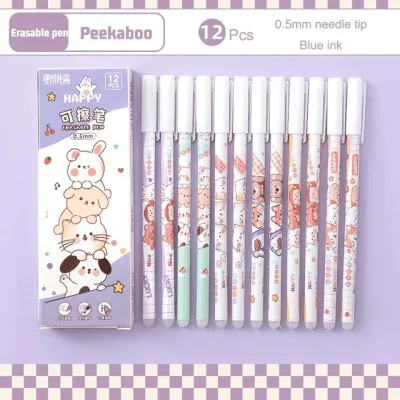
These pens use thermo-sensitive gel ink that reacts to temperature changes. When you rub the built-in silicone tip against the paper, the resulting friction generates heat, causing the ink to become completely transparent. This makes them highly popular among students and professionals who need to maintain neat, error-free documents. They are widely available in standard tip sizes like 0.5mm and 0.7mm, and budget-friendly refills can be purchased for just a few pesos (₱) on online marketplaces to extend the life of the pen body.
However, because the ink reacts to heat rather than being physically scraped away, the pigment remains on the paper in an invisible state. You should avoid using these pens for signing legal contracts, writing checks, or completing official examinations. Additionally, leaving your notebooks in a hot room or under direct tropical sunlight can cause your writing to fade unexpectedly.
Color-Changing Pens (Heat or Water-Activated)
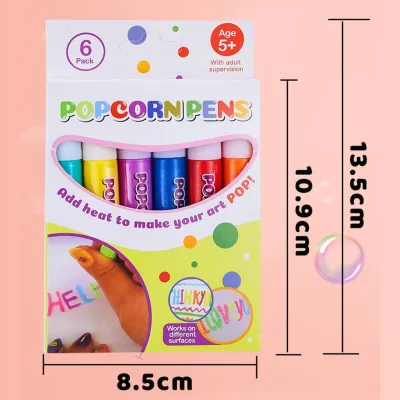
Often marketed for arts and crafts, these pens feature inks that shift colors when exposed to a secondary agent. Some versions use dual-tip designs where a clear “activator” pen chemically alters the pH or composition of the base ink, instantly changing its color. Other varieties rely on thermochromic ink that shifts hues when exposed to warm hands or cool air.
These are excellent for children’s art projects, scrapbooking, and creating interactive greeting cards. When using them, keep in mind that the color transition can be unpredictable on highly absorbent or low-grade paper, where the ink may bleed or feather before the reaction occurs. The effects are usually temporary or highly dependent on the paper medium.
UV Invisible Ink Pens
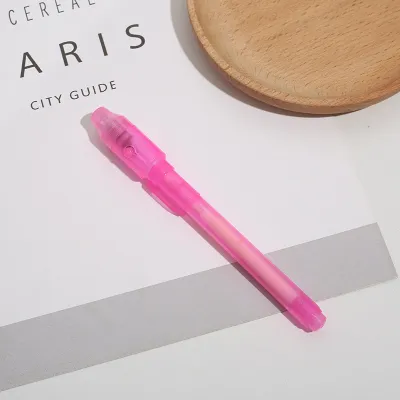
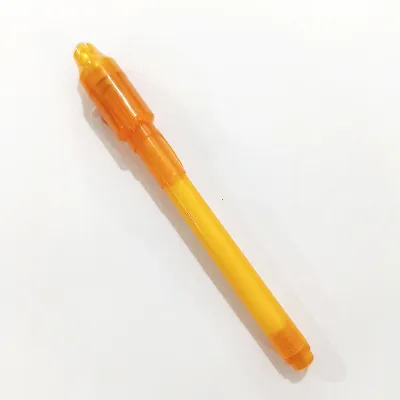
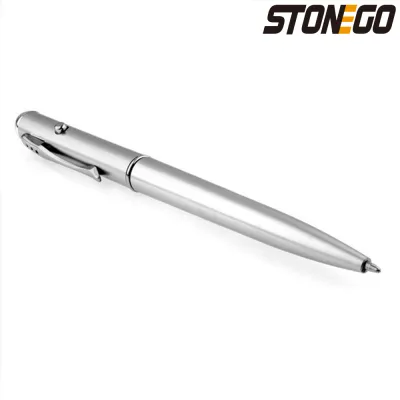
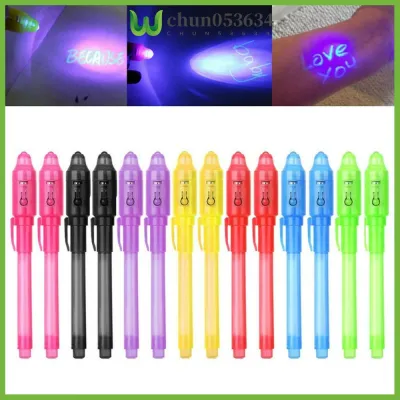
These pens write with a clear, fluorescent compound that remains invisible under normal ambient light. The ink only becomes visible when illuminated by a ultraviolet light source, which is typically integrated into the pen’s cap. They are highly suitable for creating scavenger hunts, marking personal property for anti-theft purposes, or designing props for escape rooms.
Because the fluorescent compounds can degrade over time, writing exposed to prolonged direct sunlight or high humidity may eventually lose its ability to glow. For long-term security marking, it is best to apply the ink to interior surfaces that are shielded from the elements. Always ensure the built-in UV light battery is replaceable if you plan on long-term use.
Water-Reveal Calligraphy Pens (Water Writing)
Designed specifically for practice, this system pairs a brush pen filled with plain tap water with a specially coated fabric or paper surface. When the wet brush touches the surface, the water temporarily darkens the coating, mimicking the rich black stroke of traditional calligraphy ink. As the water evaporates, the surface dries back to its original blank state, allowing you to reuse the same sheet hundreds of times.
This is an exceptional, mess-free solution for beginners practicing brush strokes or kanji characters. The primary limitation is that you cannot use these pens on standard notebooks, and your practice sessions cannot be saved permanently. It is strictly a training tool designed to build muscle memory without wasting paper.
Pre-Purchase Checks and Daily Usage Guidelines
Before buying any magic pen, it is essential to perform a few practical checks to ensure compatibility with your existing stationery. Paper quality greatly influences ink performance; for instance, friction-erasable gel pens require smooth, moderately thick paper to prevent the eraser from tearing the fibers during correction. Because smoothness, bleed resistance, drying speed, and erasability depend on the exact combination of paper and ink, always conduct an observable trial on a small scrap piece of paper before committing to a full page.
Storage conditions are equally critical for preserving ink viability. Keep heat-sensitive and UV pens stored horizontally in a cool, dry drawer away from direct sunlight to prevent the ink from drying out or separating in humid conditions. When purchasing pens for children, carefully inspect the packaging labels for non-toxic certifications and age recommendations. Many novelty pens contain small parts, such as UV light batteries or small caps, which can present choking hazards for toddlers, so parental supervision is highly recommended.
Frequently Asked Questions (FAQ)
Can I restore faded erasable pen ink?
Yes, because friction-erasable ink becomes transparent through heat rather than physical removal, the process is often reversible. If your notes have faded due to being left in a hot environment, you can place the paper inside a household freezer for about fifteen to twenty minutes. The extreme cold temperature helps restore the ink’s color pigments, making the text readable again. However, keep in mind that this restoration may also bring back previously erased mistakes on the same page, and the paper may absorb some moisture from the freezer.
Are magic pens safe for young children?
Most magic pens designed for school and craft use are formulated with non-toxic, water-based inks, but safety varies by type. Parents should look for clear safety labels on the packaging before purchasing. UV invisible ink pens and color-changing pens often contain chemical compounds or small button batteries in the UV light cap, making them unsuitable for unsupervised use by very young children. For toddlers and preschoolers, water-reveal writing mats and pens are the safest, entirely mess-free alternative.

Community discussion
Share your experience or ask a question. Comments are reviewed before publication.