
Choosing the right easel board for kids involves balancing creative freedom with household practicality. While one child might thrive on the tactile resistance of chalk, another might prefer the smooth glide of dry-erase markers. The ideal choice depends on your tolerance for cleanup, your child’s developmental stage, and how you plan to integrate learning activities like spelling or counting into their playtime.
Comparing Easel Surfaces: Mess, Versatility, and Cleanup
Every easel surface demands a different set of tools and cleanup routines. Whiteboards require dry-erase markers, which glide effortlessly but can leave stubborn stains on clothing or skin if they are not washable. Chalkboards rely on traditional chalk sticks or chalk crayons, which offer excellent sensory feedback but produce fine dust that settles on nearby surfaces. Magnetic boards, which are typically integrated into steel-backed whiteboards or chalkboards, do not require drawing consumables themselves but involve managing loose plastic or wooden magnets.
In humid tropical environments, cleanup routines require extra attention. High humidity can cause chalk dust to stick to tiled floors, turning into a paste if wiped with a soaking wet cloth instead of a lightly damp microfiber towel. Conversely, dry-erase marker ink can bake onto a whiteboard surface if left under direct sunlight or in warm rooms for extended periods, leading to ghosting.
Products mentioned in this guide
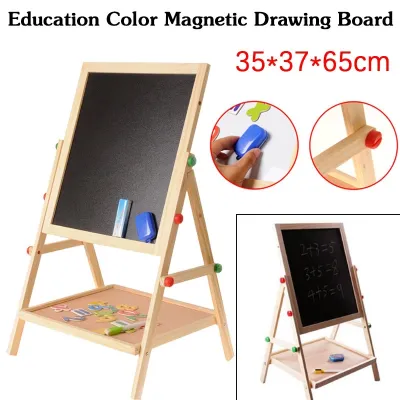
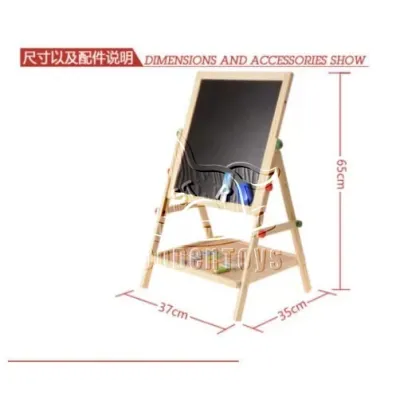
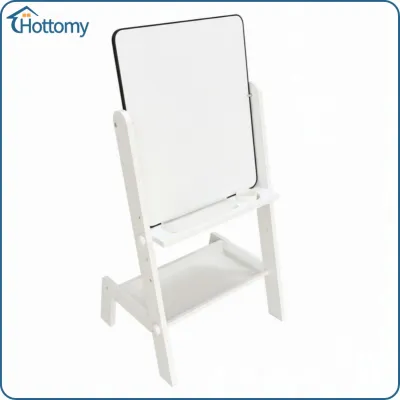
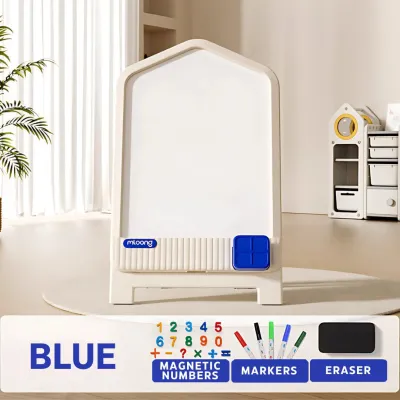
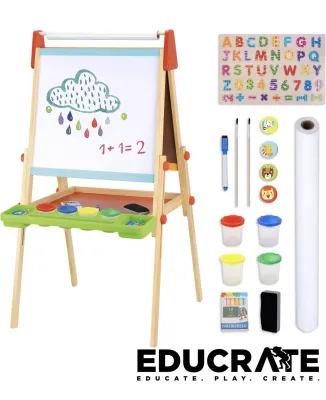
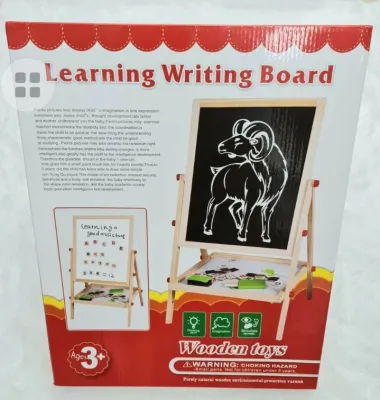

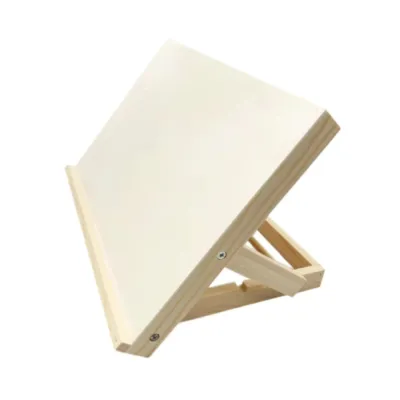
Prices are valid at publication and may change. Please refer to the product page for the latest price.
To help you compare these options at a glance, the table below outlines the primary tools, relative mess levels, and general suitability for different age groups:
| Surface Type | Primary Tools | Relative Mess Level | Ideal Age Range | Key Cleanup Supplies |
|---|---|---|---|---|
| Whiteboard | Dry-erase markers, felt eraser | Low to Medium (stains) | 3 years and up | Microfiber cloth, whiteboard spray |
| Chalkboard | Chalk sticks, felt eraser | Medium to High (dust) | 3 years and up | Damp cloth, specialized chalkboard eraser |
| Magnetic | Magnetic letters, numbers, tiles | Low (requires storage) | 2 years and up | Storage bins, mild soap for plastic pieces |
Whiteboard Easels: Low Mess and Easy Erasing
Whiteboard surfaces are highly favored by parents who want a quick, low-mess setup for daily drawing. The high-contrast surface allows vibrant marker colors to stand out clearly, making it highly engaging for young children. Because dry-erase markers require very little physical pressure to leave a mark, toddlers can easily express themselves without getting frustrated by breaking tips or faint lines.

When shopping for a whiteboard easel, it is crucial to verify the quality of the writing surface. Lower-end models often use thin melamine, which is prone to “ghosting”—a shadow of old drawings that remains even after erasing. To prevent this, check product specifications for terms like “porcelain-coated,” “tempered glass,” or “high-pressure laminate,” which offer high stain resistance. You can also perform an observable trial by drawing a small line, letting it sit for a few minutes, and checking how cleanly it wipes away with a standard dry eraser.
To maintain the surface, always use markers explicitly labeled as dry-erase and non-toxic. Avoid permanent markers, ballpoint pens, or abrasive scrubbing pads, which can scratch the protective topcoat and permanently ruin the board’s erasability. If the board is steel-backed, it will also double as a magnetic surface, giving you double the utility in a single frame.
Chalkboard Easels: Sensory Play and Classic Drawing
Chalkboard easels offer a classic, tactile drawing experience that modern digital screens and smooth whiteboards cannot replicate. The natural resistance of chalk against a textured board provides valuable sensory feedback, helping young children develop hand strength, fine motor skills, and a proper pencil grip. For children who enjoy physical feedback while drawing, the scratch and drag of chalk can be highly satisfying.
However, managing the resulting chalk dust is a primary consideration for parents. Standard chalk breaks easily and leaves a fine powder on hands, clothes, and floors. To minimize this, look for “dustless” or “low-dust” chalk options, which are denser and produce heavier particles that fall straight down rather than floating through the air. Keep in mind that in humid climates, this dust can quickly stick to surfaces, so keeping a damp cloth nearby for immediate wipe-downs is highly recommended.
Before letting your child draw, verify if the chalkboard surface requires “seasoning” or conditioning. Many manufacturers recommend rubbing the flat side of a chalk stick over the entire board and erasing it completely before the first use; this fills the microscopic pores of the board and prevents permanent ghosting of the very first drawing. Additionally, standard chalk sticks can be a choking hazard for toddlers under three years old, so close supervision or larger sidewalk chalk grips are advisable for younger users.
Magnetic Easels: Adding Letters, Numbers, and Tiles
A magnetic easel transforms a simple drawing board into an interactive learning station. By incorporating magnetic letters, numbers, and geometric tiles, children can transition seamlessly from freehand drawing to structured activities like spelling, basic arithmetic, and pattern building. This multi-sensory approach keeps the easel relevant as your child grows from a toddler into an early school-aged student.
It is important to understand that “magnetic” is not a standalone surface material. Instead, it refers to a sheet of steel or iron placed directly behind the whiteboard or chalkboard surface. When choosing a magnetic easel, verify the magnetic pull strength. Some budget models use very thin metal sheets that can barely hold lightweight plastic letters, causing heavier wooden magnets or building tiles to slide down the board.
Safety is the most critical factor when introducing magnetic accessories. Small, powerful magnets pose a severe internal injury risk if swallowed. When budgeting around ₱500 to ₱1,500 for quality accessory packs, always check the age grading and ensure that any magnetic toys are constructed with securely encased magnets that cannot be easily pried loose by curious fingers. For toddlers, stick to large, single-piece magnetic sheets or oversized wooden blocks with fully embedded magnets.
Decision Framework: Which Easel Fits Your Child?
To choose the right easel board for kids, evaluate your household’s daily routine and your child’s play style using this condition-based framework:
- Choose a Whiteboard Easel if: Your primary goal is minimal daily cleanup, you want high-contrast drawings that are easy to see, or your child prefers smooth, effortless writing.
- Choose a Chalkboard Easel if: You want to focus on sensory development, grip strength, and tactile play, and you do not mind sweeping up chalk dust or doing regular damp wipe-downs.
- Choose a Magnetic Easel if: You want a highly versatile learning tool that supports spelling, math, and building tiles alongside traditional drawing.
For many families, a double-sided easel offers a practical compromise. These models typically feature a whiteboard on one side and a chalkboard on the other, allowing siblings to play simultaneously or letting a single child switch activities when they want a change of pace.
Before finalizing your purchase, perform a few physical checks on the easel’s design. Look for a sturdy A-frame construction with non-slip rubber feet to prevent the easel from sliding or tipping over during enthusiastic drawing sessions. Adjustable height mechanisms are highly beneficial, allowing the board to grow alongside your child over several years. Finally, measure your available floor space and compare it to the easel’s footprint dimensions in the product specifications, ensuring it can fold flat for easy storage when not in use.
Safety, Setup, and Maintenance Guidelines
Proper assembly and regular maintenance are essential to keep your child’s easel safe and functional. During assembly, carefully tighten all bolts and check wooden frames for any rough spots or splinters that might require light sanding. Ensure that any folding hinges have secure pinch-point guards or locking brackets to prevent the easel from collapsing unexpectedly on little fingers.
Routine maintenance will significantly prolong the life of the drawing surfaces. Keep dry-erase markers stored horizontally and ensure caps are clicked tightly shut after every play session to prevent the ink from drying out in warm weather. For chalkboards, avoid using wet erasers on a dusty board, as this can smear the chalk into a paste that clogs the surface texture; instead, dry-erase first, then follow up with a damp microfiber cloth.
Inspect the easel periodically for signs of wear. If the frame becomes wobbly, screws loosen, or the writing surfaces become deeply scratched and difficult to clean, it may be time to tighten the hardware or replace the board. Always consult the specific product manual for approved cleaning solutions and weight limits for the accessory trays.
Frequently Asked Questions (FAQ)
Can I use regular wall paint to create a DIY chalkboard or whiteboard easel?
Yes, specialized chalkboard and whiteboard paints are widely available, but they require careful preparation. To achieve a smooth writing surface, you must apply a high-quality primer, sand the surface flat, and allow the paint to cure fully according to the manufacturer’s instructions—often taking several days. Keep in mind that DIY painted surfaces are generally more porous than factory-sealed boards, meaning they may ghost more easily and require more frequent touch-ups. Always verify that the paint you choose is certified non-toxic and safe for children’s furniture.
How do I remove permanent marker stains from a whiteboard easel?
If a permanent marker accidentally finds its way onto your whiteboard, you can often lift the stain using a simple dry-erase marker trick. Scribble directly over the permanent ink with a fresh dry-erase marker, let it sit for a few seconds, and then wipe it away with a soft cloth. The solvents in the dry-erase ink help dissolve the permanent binder. Avoid using harsh household chemicals, rubbing alcohol, or abrasive sponges unless explicitly approved by the manufacturer, as these can strip the board’s protective coating. Always test any cleaning method on a small, hidden corner first.
Are double-sided easels worth the extra cost?
For most families, double-sided easels are well worth the investment because they offer twice the play options in a single footprint. They are particularly valuable in multi-child households, allowing two children to draw at the same time without fighting over space. However, keep in mind that double-sided models are often heavier and have a slightly wider footprint to maintain stability. Before buying, ensure the easel features secure locking hinges and has adequate accessory trays on both sides to keep markers, chalk, and magnets organized.
Community discussion
Share your experience or ask a question. Comments are reviewed before publication.