
Choosing between a traditional magnetic whiteboard and a magnetic glass board depends on how you prioritize surface longevity, aesthetic appeal, magnetic strength, and your budget. Glass boards typically offer excellent long-term surface clarity and a modern, frameless look, whereas traditional steel-core whiteboards provide stronger magnetic holding power at a more accessible upfront cost. Understanding the structural differences between these two popular options will help you select the ideal magnetic display board for your office, classroom, or home workspace.
Traditional magnetic whiteboards feature a multi-layered construction, typically consisting of a steel sheet backing topped with either a painted coating or a porcelain enamel finish. The steel core is what provides the magnetic attraction, allowing standard magnets to stick easily to the surface. Painted steel boards use a layer of acrylic or polyester paint baked onto the metal, while porcelain boards feature a ceramic layer fired onto the steel at extremely high temperatures, creating a much harder and more durable writing surface.
In contrast, magnetic glass boards are made from a sheet of tempered safety glass, which is backed by a thin sheet of metal to enable magnetic functionality. Because the glass itself is non-magnetic, any magnetic force must pass through the entire thickness of the glass pane to reach the metal backing behind it. This design requires a completely different approach to choosing accessories, as the physical barrier of the glass alters how magnets behave on the surface.
Products mentioned in this guide
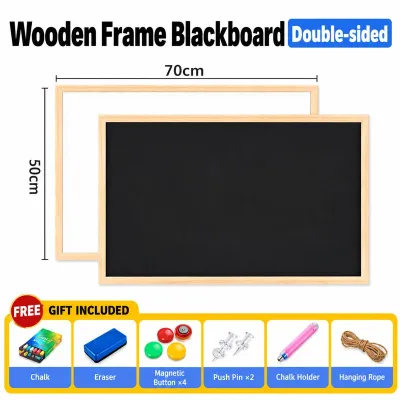
1 Lazada user ratings
The quality is great; it even comes with chalk and magnets, making it super convenient to use.
3 Lazada user ratings
The board is really sturdy. I used some structural adhesive to stick it on, and it's holding up well. I've hung a lot of spice jars, and the…Read full reviewShow less
The board is really sturdy. I used some structural adhesive to stick it on, and it's holding up well. I've hung a lot of spice jars, and they're all securely attached. The magnetic strength is impressive too, so I saved money by not needing to tile the wall.
The quality is great, and the seller cut it perfectly. The enamel board is super easy to clean, feels almost like tile, and oil stains wipe …Read full reviewShow less
The quality is great, and the seller cut it perfectly. The enamel board is super easy to clean, feels almost like tile, and oil stains wipe right off. 👍🏻 The magnetic strength is impressive; even heavier spices won't fall off.
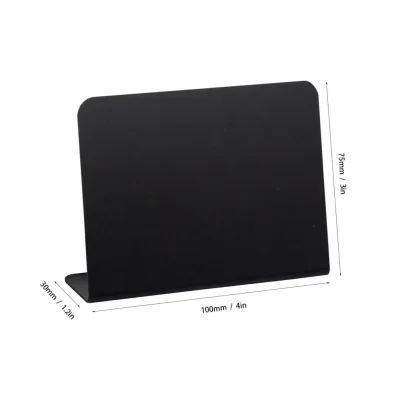
7 Lazada user ratings
with damages on corners ❌️ it doesnt look good on my stall/kiosk damages is so visible, so obvious
Prices are valid at publication and may change. Please refer to the product page for the latest price.
This structural difference significantly impacts the weight of the display board. Tempered glass is substantially heavier than the lightweight fiberboard or aluminum frames used in traditional whiteboards, meaning that glass boards require more robust wall mounting hardware and careful structural assessment before installation. Choosing the right board involves balancing these material characteristics against your specific daily operational needs and mounting capabilities.
Magnetic Strength and Holding Capacity
The physical gap between the writing surface and the magnetic backing is the most notable functional difference between these two surfaces. In a traditional whiteboard, the magnet makes direct contact with the steel-containing surface layer, resulting in a strong, reliable hold even with basic, low-cost magnets. This direct contact maximizes the magnetic flux, allowing you to easily pin multiple sheets of paper, heavy cardstock, or thick reference materials without the risk of them sliding down the board.
With a magnetic glass board, the tempered glass layer—usually ranging from 4mm to 6mm in thickness—acts as a physical barrier between the magnet and the steel backing. This gap dramatically reduces the magnetic pull, rendering standard flexible refrigerator magnets or low-cost ferrite utility magnets ineffective. If you attempt to use standard office magnets on a glass board, they will simply slide down the surface or fail to stick entirely, especially when holding paper.
To overcome this physical gap, magnetic glass boards require specialized rare-earth (neodymium) magnets. These magnets generate a much stronger magnetic field, allowing them to securely grip the steel backing through the thick glass layer. Neodymium magnets are highly concentrated and powerful, making them essential for any glass board setup, though they must be handled with care to prevent pinching or chipping when they snap together.
When planning your workspace, consider what you intend to display on your magnetic display board. If you frequently hang thick cardstock, multi-page reports, or heavy reference materials, a traditional steel whiteboard offers more reliable holding capacity with standard accessories. If you choose a glass board, you must budget for extra high-strength neodymium magnets and ensure that any accessories you purchase are explicitly rated for glass board use.
Before purchasing any magnetic display board, always check the manufacturer’s specifications regarding the recommended magnet type and the maximum holding weight. Verifying these details beforehand ensures the board can support your daily workflow without requiring unexpected upgrades or causing frustration during presentations.
Writing Surface Quality and Daily Maintenance
Tempered glass is completely non-porous, meaning ink from dry-erase markers cannot penetrate the surface. This characteristic makes glass boards highly resistant to ghosting—the faint, leftover stains of previous writings—and staining, even when markers are left on the board for extended periods. The smooth, impervious surface allows for effortless writing and erasing, maintaining a pristine appearance over years of heavy use.

Traditional whiteboards vary widely based on their surface material. Painted steel whiteboards are somewhat porous and can degrade over time, leading to ghosting and requiring frequent deep cleaning as marker pigments become trapped in microscopic surface imperfections. Porcelain enamel whiteboards are much harder and less porous than painted steel, offering better stain resistance, but they still fall slightly short of glass under continuous, long-term use.
Marker compatibility also differs between the two options. While both accept standard dry-erase markers, glass boards are uniquely compatible with liquid chalk markers and high-contrast neon markers, which show up vividly on dark or frosted glass surfaces. Traditional whiteboards are generally limited to standard dry-erase inks, as liquid chalk or wet-erase markers can permanently stain or damage the more sensitive painted steel surfaces.
Cleaning a glass board typically requires nothing more than a simple microfiber cloth or a damp eraser, and you can use standard glass cleaners without worrying about damaging the surface. Traditional painted whiteboards require more specialized dry-erase cleaning solvents to restore their original white appearance and remove stubborn chemical residues, as harsh household cleaners can strip away the protective topcoat.
To verify the quality of a board before committing to a large installation, perform an in-store or trial erase test. Write a small mark with a standard dry-erase marker, let it dry completely for several minutes, and observe how easily the ink lifts off. A high-quality surface should allow the dry ink to crumble away cleanly without leaving a gray shadow or oily residue on the board.
| Feature | Traditional Painted Steel | Traditional Porcelain Enamel | Tempered Glass Board |
|---|---|---|---|
| Surface Porosity | Semi-porous; prone to wear | Low porosity; highly durable | Non-porous; extremely durable |
| Ghosting Resistance | Moderate; requires regular cleaning | High; resists staining well | Excellent; virtually zero ghosting |
| Compatible Markers | Standard dry-erase only | Standard dry-erase | Dry-erase, liquid chalk, glass markers |
| Recommended Cleaners | Specialized whiteboard solvents | Mild soap and water or dry eraser | Microfiber cloth, water, or glass cleaner |
| Magnet Compatibility | Standard ferrite and flexible magnets | Standard ferrite and flexible magnets | High-strength rare-earth (neodymium) only |
Durability, Aesthetics, and Installation Requirements
Tempered glass is exceptionally hard, making it highly resistant to scratches, dents, and accidental impacts from daily office use. Traditional painted steel whiteboards, on the other hand, can scratch easily if cleaned with abrasive materials, and the soft metal core can dent if struck by hard objects, permanently damaging the writing surface and making future erasing difficult in those areas.
From a design perspective, magnetic glass boards offer a sleek, modern, and often frameless aesthetic that blends seamlessly into contemporary corporate offices, conference rooms, and modern home workspaces. They are available in various colors, including classic white, frosted, and deep black, allowing them to double as sophisticated design elements. Traditional whiteboards tend to have a more utilitarian appearance, usually featuring aluminum or plastic frames that may clash with minimalist or high-end interior designs.
The physical weight of these boards dictates their installation complexity. A standard 4×3 foot glass board can weigh three to four times more than a traditional whiteboard of the same size, requiring a sturdy wall structure and precise alignment during setup. Traditional whiteboards are lightweight and can often be mounted easily on standard drywall with basic screws or even adhesive strips for smaller sizes.
Installing a heavy glass board requires heavy-duty wall anchors, toggle bolts, or direct mounting into wall studs to prevent structural failure. Always perform a safety check on your wall type—such as drywall, concrete, or brick—and use the appropriate mounting hardware specified by the manufacturer. Ensuring the board remains securely anchored is critical for workplace safety, especially in high-traffic areas.
Pricing and Value Considerations in the Philippines
When evaluating your options in the Philippines, pricing generally follows a clear tier system. Standard painted steel whiteboards are the most budget-friendly option, making them highly popular for temporary setups, startup offices, and home study areas. Porcelain enamel whiteboards occupy the mid-range tier, offering a balance of durability and cost, while magnetic glass boards command a premium price point due to the cost of tempered glass manufacturing and specialized shipping.
Several factors drive the overall cost of a magnetic display board, including the overall dimensions, the quality of the mounting hardware, the thickness of the glass, and whether the package includes specialized accessories. When budgeting for a glass board, it is important to factor in the additional cost of high-strength neodymium magnets, as standard office magnets will not work, which increases the total initial investment.
To get the best value, compare current prices from reputable local office supply retailers and commercial furniture suppliers in the Philippines. Additionally, verify the manufacturer’s warranty terms, paying close attention to what is covered—such as surface staining, structural defects, or mounting hardware failures—before making your final investment. A longer warranty on a premium glass board can often justify the higher upfront cost by ensuring a lower total cost of ownership over time.
Decision Framework: Which Magnetic Display Board Fits Your Needs?
Choose a traditional magnetic whiteboard if your primary constraints are budget and ease of installation. These boards are ideal for temporary workspaces, classrooms, or home offices where standard, low-cost magnets are already on hand, and where the wall structure cannot support heavy loads. They offer excellent immediate utility and strong magnetic holding power without requiring specialized accessories.
Choose a magnetic glass board if you prioritize long-term durability, zero ghosting, and a premium aesthetic for a high-profile meeting room, executive office, or modern collaborative space. While the initial investment is higher, the resistance to staining and scratching ensures the board maintains its pristine appearance for years, making it a highly cost-effective choice over its lifespan for professional environments.
Before making your final purchase, verify the structural integrity of your intended installation wall and confirm whether your daily tasks require the heavy-duty holding power of standard magnets or if the sleek, modern look of a glass board paired with specialized neodymium magnets better aligns with your organizational goals. Taking the time to assess these factors will ensure you select a magnetic display board that enhances your productivity and fits your space perfectly.

Community discussion
Share your experience or ask a question. Comments are reviewed before publication.