
Quick Answer: Which Machine Type Suits Your Sewing Patterns?
If you are working with a basic sewing pattern—such as a simple A-line skirt, a casual linen top, or a tote bag—a manual sewing machine is highly capable and often the most practical choice. These mechanical workhorses rely on physical dials and levers, offering a straightforward, hands-on experience that helps beginners master the fundamentals of fabric control and seam allowances.
Conversely, if your sewing pattern demands intricate decorative details, automated buttonholes, complex embroidery, or precise quilting lines, a computerized sewing machine becomes the superior tool. Computerized models automate stitch selection, tension, and speed, which significantly reduces the margin for error on advanced commercial patterns.
Ultimately, the decision hinges on your current skill level and the complexity of the projects you plan to undertake. Matching the machine’s mechanical capabilities to the specific instructions of your chosen sewing pattern ensures a smoother, more enjoyable crafting process.
Products mentioned in this guide

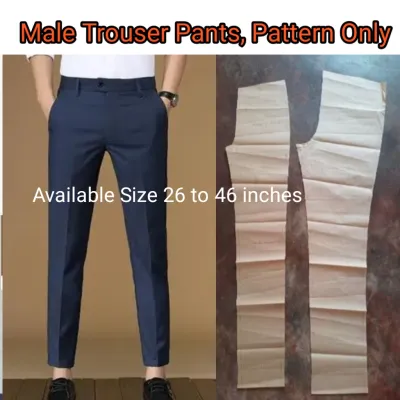
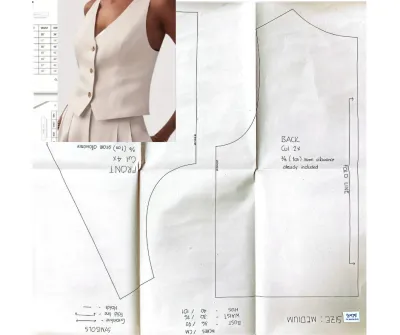
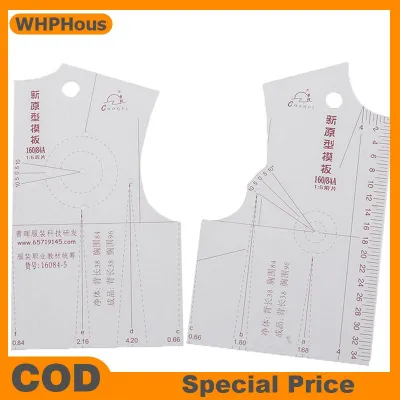
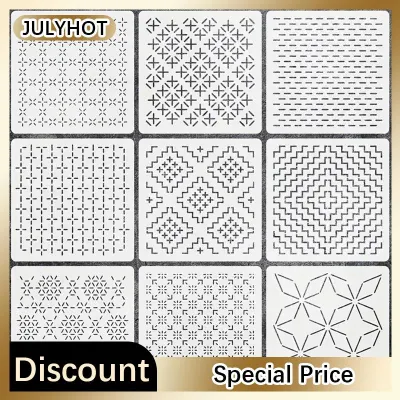
Prices are valid at publication and may change. Please refer to the product page for the latest price.
Core Differences in Handling Sewing Patterns
To execute a sewing pattern successfully, you must translate printed instructions into physical stitches on fabric. The primary difference between manual and computerized machines lies in how you select and adjust these stitches. On a manual machine, you turn physical dials to set the stitch length, width, and pattern. This mechanical process requires you to manually test and adjust settings on scrap fabric before sewing your actual garment pieces.

Computerized machines replace these physical dials with digital screens and microprocessors. When a sewing pattern calls for a specific stitch, such as a stretch stitch for knit fabrics or a blind hem, you simply select the corresponding number on the screen. The machine automatically configures the optimal length, width, and tension for that stitch. This digital automation eliminates guesswork, ensuring that every stitch matches the pattern’s exact specifications from the very first inch.
Speed control and needle precision also differ significantly between the two types. Manual machines typically rely entirely on foot pedal pressure to control speed, which can make navigating tight curves or intricate corners on a sewing pattern challenging for beginners. Computerized machines often feature a speed slider that limits the maximum speed, allowing you to sew at a slow, consistent pace regardless of how hard you press the pedal. Additionally, computerized models offer programmable needle-up/needle-down functions, which are invaluable for pivoting fabric at precise corners without losing your place along the pattern line.
Fabric handling is another critical factor, especially when working with diverse materials specified by your sewing pattern. In tropical climates, you might frequently work with lightweight, breathable fabrics like linen, cotton lawn, or thin rayon, as well as heavier materials like denim or canvas for structured bags. Manual machines require you to manually adjust the presser foot pressure and thread tension to accommodate these different weights. Computerized machines often feature automatic fabric sensors that adjust the presser foot pressure dynamically, preventing delicate fabrics from puckering and heavy layers from jamming.
Matching Machine Type to Pattern Complexity and Skill Level
When you are just starting your sewing journey, beginner-friendly patterns are designed to teach you the basics of garment construction. These patterns typically feature straight seams, simple hems, and minimal closures. A manual sewing machine is exceptionally well-suited for these projects. The mechanical simplicity allows you to focus entirely on fabric guiding, cutting accuracy, and understanding how flat pattern pieces transform into three-dimensional garments.
As you progress to intermediate and advanced patterns, the technical demands increase. You will encounter instructions for inset sleeves, zippered pockets, precise topstitching, and multiple buttonholes. While a manual machine can handle these tasks, a computerized machine simplifies them. For example, creating a neat buttonhole on a manual machine requires a multi-step process where you must carefully monitor and adjust the stitch direction and length. A computerized machine can execute a perfect, balanced buttonhole in a single step, matching the exact size of your physical button.
For those who enjoy complex commercial patterns, quilting, or detailed surface embellishments, the automation of a computerized machine is a major advantage. These patterns often require highly consistent decorative stitches or precise quilting lines that are difficult to replicate manually over long distances. The computerized control ensures that every decorative element is identical, giving your finished garment or quilt a highly professional, polished appearance.
Evaluating your long-term sewing goals is essential when choosing between these two machine types. If your primary interest is basic alterations, mending, and simple home decor projects, a manual machine will serve you reliably for decades. However, if you plan to transition from basic alterations to drafting your own patterns, working with delicate bridal wear, or creating intricate garments from scratch, investing in a computerized machine early on can prevent the need for a costly upgrade later.
Key Features to Verify for Pattern Accuracy
Regardless of the machine type you choose, achieving pattern accuracy requires careful verification of specific features and settings. Before starting any project, you must ensure that your machine is compatible with the needle type and thread weight specified by your sewing pattern. For instance, sewing a lightweight summer dress requires a fine universal or microtex needle, while a heavy canvas bag demands a thick denim needle. Always verify that the machine’s needle clamp and bobbin system function smoothly with these variations.
Feed dog adjustment is another critical feature to check. The feed dogs are the metal teeth under the presser foot that move the fabric through the machine. For precise pattern execution, especially when matching plaids or sewing slippery fabrics, the feed dogs must grip and advance the fabric evenly. Some patterns may require you to drop the feed dogs entirely for free-motion quilting or sewing on buttons. Verify that your chosen machine has an easily accessible lever or setting to drop and raise the feed dogs.
Needle positioning controls are vital for maintaining accurate seam allowances, which are the foundation of a well-fitting garment. Most sewing patterns specify a standard seam allowance, such as 5/8 inch or 1.5 centimeters. A machine that allows you to adjust the needle position incrementally to the left or right makes it much easier to align the fabric edge with the guidelines on the needle plate. Check the manufacturer’s specifications to see how many needle positions are available on the model you are considering.
Finally, verify the maximum stitch width and length limits, as well as accessory compatibility. Some patterns require wide zigzag stitches for finishing raw edges or specialized presser feet, such as a walking foot for bulky layers or an invisible zipper foot. Ensure that the machine can accommodate these accessories and that replacement parts or additional feet are readily available in your local market.
Decision Framework: Choose Manual or Computerized
To finalize your decision, evaluate your specific sewing pattern needs, budget, and workspace conditions against the following criteria.
Choose a manual sewing machine if:
- Your budget is a primary consideration, as manual machines generally have a lower initial purchase price, often starting under ₱8,000.
- You primarily sew basic patterns, casual garments, or simple home decor items that do not require decorative stitches.
- You prefer a straightforward, mechanical interface without digital menus or electronic components.
- You want a highly durable machine that is easy to service locally and can withstand minor power fluctuations without risk to electronic circuit boards.
Choose a computerized sewing machine if:
- You regularly work with complex commercial patterns, intricate quilting designs, or garments requiring multiple buttonholes.
- You value time-saving automated features, such as automatic thread cutting, programmable needle positioning, and one-step buttonholes.
- You want access to a wide variety of decorative and utility stitches to customize your sewing projects.
- Your budget allows for a higher initial investment, typically starting around ₱15,000 or more, to secure a reliable digital model.
Verify these conditions before purchasing either type:
- Workspace and Power: Ensure your sewing area has stable power. In regions prone to voltage fluctuations, a computerized machine should always be plugged into a high-quality surge protector or voltage regulator to protect its sensitive motherboard.
- Humidity and Storage: High humidity can affect both mechanical parts and electronic screens. Verify that you have a dry, clean storage space and a protective cover to prevent dust and moisture buildup.
- Maintenance Access: Check if there is an authorized service center or a qualified technician nearby who can calibrate the electronic sensors of a computerized machine or source mechanical parts for a manual model.
Frequently Asked Questions (FAQ)
Can I use complex commercial patterns on a manual sewing machine?
Yes, you can successfully execute complex commercial patterns on a manual sewing machine, but it requires a higher level of manual skill and patience. You will need to manually adjust the stitch length, width, and tension for every specialized technique, such as gathering, basting, or sewing stretch seams. While a computerized machine automates these steps, a manual machine can achieve the same results if you carefully follow the pattern instructions and test your settings on fabric scraps beforehand.
Do computerized sewing machines require special maintenance for pattern work?
Computerized sewing machines do require specific maintenance to ensure their electronic sensors and automated features function correctly during detailed pattern work. You must regularly clean lint and dust from the bobbin area, feed dogs, and thread path, as accumulated debris can interfere with optical sensors and tension controls. Always consult the manufacturer’s manual for specific cleaning instructions, and avoid using compressed air, which can push lint deeper into the electronic components. If you encounter persistent error codes or screen malfunctions, stop using the machine and consult a qualified technician.
Is it worth upgrading from a manual to a computerized machine just for better stitch variety?
Upgrading solely for stitch variety is rarely worth the investment unless your sewing patterns consistently require those decorative stitches. Most garment construction relies almost exclusively on straight stitches, zigzag stitches, and buttonholes—all of which are easily performed on a manual machine. Before upgrading, assess how often you actually use decorative elements. If you only need them occasionally, you can often achieve similar decorative effects on a manual machine using specialized twin needles, manual embroidery techniques, or external attachments.
Community discussion
Share your experience or ask a question. Comments are reviewed before publication.