
Finding the right file organizer depends entirely on your physical workspace, the volume of documents you handle, and how often you need to retrieve them. A mismatched system leads to cluttered desks, misplaced documents, and lost productivity. By matching your specific environment—whether a compact study desk, a humid home office, or a corporate filing cabinet—with the correct organizer type, you can establish an efficient, stress-free workflow.
Quick Match: Aligning Organizer Types with Your Workspace
Choosing the right file organizer starts with assessing your physical environment and daily habits. If you have limited desk space but need immediate access to active projects, a desktop sorter or vertical rack keeps your most important papers within arm’s reach. For high-volume archiving where documents are accessed less frequently, hanging folders in deep drawers or dedicated cabinets offer the most organized, out-of-sight solution.
To make a quick decision, consider three primary drivers: available surface area, the presence of built-in filing drawers, and how often you need to retrieve each document. Desktop sorters are ideal for daily, high-frequency tasks on open surfaces. Vertical racks maximize tight spaces by utilizing overhead clearance. Hanging folders excel at high-capacity, long-term storage inside drawers, while binder systems provide excellent portability and security for structured, multi-page reference documents.
Products mentioned in this guide
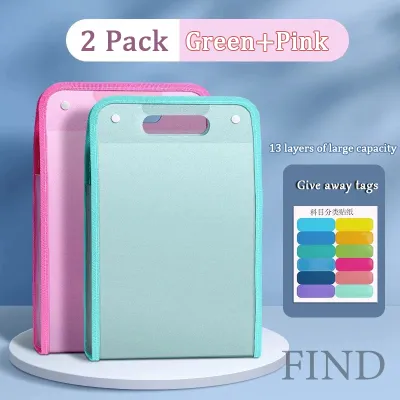
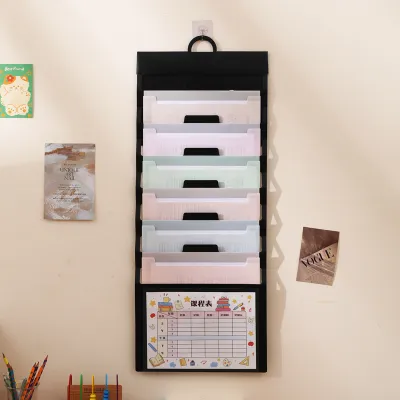
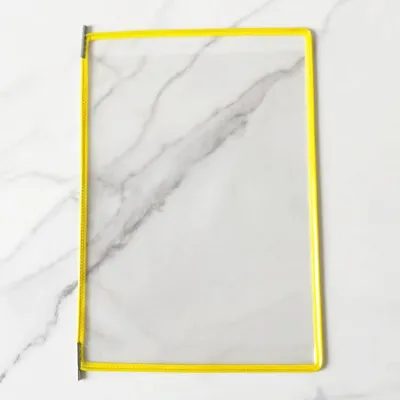
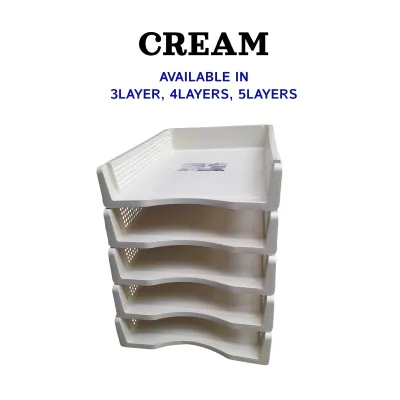
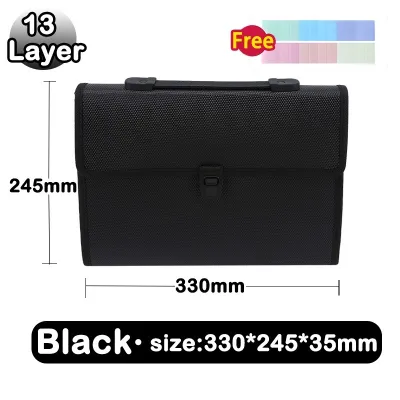
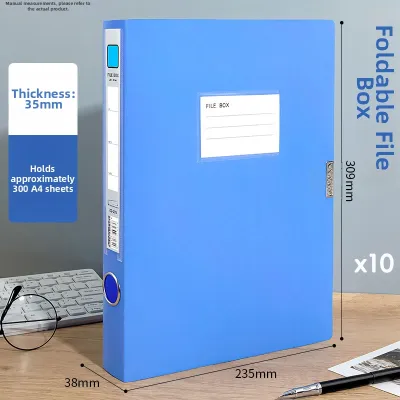
Prices are valid at publication and may change. Please refer to the product page for the latest price.
Desktop Sorters: Managing Active Paperwork on School and Small Desks
Desktop sorters are designed for immediate, high-frequency access to active paperwork. They are particularly well-suited for school desks, small home office tables, or reception areas where you must sort incoming and outgoing documents rapidly. By keeping papers horizontal or slightly angled on your desk surface, these sorters allow you to see and grab what you need without opening drawers or flipping through binders.

Before purchasing a desktop sorter, you must carefully check your desk’s physical dimensions. Measure the footprint of the sorter to ensure it does not crowd your keyboard, mouse, or laptop. You should also evaluate the tier capacity, choosing between single-tier trays that stack or multi-tier units with fixed shelves. Ensure the clearance between tiers is sufficient for the thickness of the document stacks you handle daily.
While highly convenient, desktop sorters have distinct limitations that you should consider. Because they keep documents exposed on your desk, they can quickly contribute to visual clutter if papers accumulate. They are also unsuitable for long-term archival storage or high-volume filing, as open trays offer no protection against dust, spills, or ambient humidity.
Vertical Racks: Maximizing Storage in Compact Home Offices
Vertical racks are an excellent alternative when horizontal desk space is at a premium. In compact home offices or shared workspaces, spreading papers across a flat surface is rarely an option. Vertical racks solve this by holding files upright, allowing you to store a significant volume of documents while occupying only a fraction of your desk’s width.
When selecting a vertical rack, your primary check should be the vertical clearance of your workspace. Ensure there is enough height below any overhead shelves, cabinets, or monitors to insert and remove files comfortably. You must also verify the base stability of the rack; look for models with wide, weighted bases or non-slip feet to prevent the unit from sliding or tipping when you pull a file out. Additionally, confirm that the rack slots are wide enough to accommodate your standard paper sizes, including short (letter) and long (legal) folders.
The main trade-off of vertical storage is the risk of instability. If you overload the top or outer slots of a lightweight plastic or thin wire rack, it can easily tip over. To prevent this, check the material rigidity before buying and establish a habit of distributing weight evenly, placing heavier folders toward the center or bottom of the rack.
Hanging Folders: Organizing High-Volume Files in Corporate Cabinets
Hanging folders are the gold standard for organizing high-volume, categorized documents in corporate offices and dedicated home filing systems. Designed to suspend from parallel metal rails inside deep drawers, these folders keep papers perfectly upright and prevent them from slumping or sliding to the bottom of the cabinet. This setup is ideal for administrative stations, tax document storage, or client records that require systematic categorization.
To set up a successful hanging folder system, you must verify the exact dimensions of your filing cabinet. Measure the drawer depth and the precise width of the suspension rails, as standard hanging folders come in specific sizes like letter or legal. You should also consider the folder tab positioning; choose between front, center, or end tabs depending on how you prefer to read the labels when the drawer is fully extended.
Maintaining a hanging folder system requires regular attention to weight limits and capacity. Overstuffing individual folders can cause them to sag, slip off the rails, or jam the drawer mechanism entirely. Check the manufacturer’s specifications for drawer slide weight limits, and make it a rule to split thick files into multiple sub-folders to ensure smooth operation.
Binder Systems: Securing Project and Reference Documents
Binder systems offer a highly secure and portable way to organize documents that must remain in a specific order. Unlike loose-leaf folders, binders lock pages in place using metal or plastic rings, making them ideal for long-term project tracking, client presentations, or storing reference manuals. They are designed to sit upright on bookshelves, keeping your desk surface clear while remaining easily accessible.
When choosing a binder, the ring mechanism is a critical factor to evaluate. D-ring binders hold more pages and allow sheets to lie flat, reducing wear on the punched holes, whereas O-ring binders are common for smaller, everyday projects. You must also check the spine width capacity to ensure it matches your document volume, and verify that the binder is wide enough to cover sheet protectors or tabbed dividers without them protruding past the edge of the cover.
However, binder systems do have limitations that might affect your workflow. They require a higher initial cost per page stored compared to simple paper folders, and they demand more physical effort because you must hole-punch every document or insert them into individual plastic sleeves. This makes binders less suitable for fast-paced environments where papers need to be filed away instantly.
Pre-Purchase Checklist: Measuring and Evaluating Your Workspace
Before purchasing any file organizer, taking precise measurements and assessing your actual workflow will save you from buying incompatible products. Use this checklist to guide your decision:
- Measure Physical Boundaries: Use a tape measure to record your desk depth, shelf height clearance, and the interior dimensions of your drawers (including width, depth, and rail height).
- Assess Document Volume: Estimate the number of pages you need to store. If you handle fewer than 50 active pages daily, a desktop sorter is sufficient; for hundreds of archival documents, invest in hanging folders or binders.
- Determine Access Frequency: Group your files by how often you use them. Keep daily active files on your desktop, weekly reference files in vertical racks or binders, and monthly or annual archives in hanging folders.
- Set a Realistic Budget: Allocate a budget in Philippine Pesos (₱) that reflects your durability needs. Simple plastic trays may cost around ₱150 to ₱300, while heavy-duty steel vertical racks or complete hanging folder drawer systems can range from ₱500 to over ₱1,500. Investing in sturdy materials upfront prevents sagging and frequent replacements.
Frequently Asked Questions (FAQ)
Can I mix different file organizer types in the same workspace?
Yes, combining different organizer types is often the most effective strategy for maintaining a clean and functional workspace. You can use a small desktop sorter for your immediate, daily tasks, while keeping a binder system on a nearby shelf for active projects. For long-term archives and sensitive documents, store them out of sight in hanging folders inside a filing cabinet. This tiered approach keeps your desk clear of clutter while ensuring all documents remain organized.
How do I prevent paper from getting damaged in humid environments?
In humid tropical climates like the Philippines, moisture can quickly cause paper to warp, yellow, or develop mold. To protect your documents, avoid placing file organizers directly on the floor or against damp concrete walls. Choose organizers made of breathable or non-porous materials, and use enclosed plastic storage boxes or binders with tight seals for sensitive archives. Additionally, placing silica gel packets inside your filing drawers or binder pockets helps absorb excess moisture and preserve paper quality.
Community discussion
Share your experience or ask a question. Comments are reviewed before publication.