
Selecting the perfect paper bags for gift birthday wrapping requires balancing three core elements: the physical dimensions of the item, the total weight of the present, and the overall aesthetic of the celebration. To ensure your gift looks professional and stays secure during transport, you must measure the item’s width, height, and depth, adding a small margin of clearance for decorative tissue paper or protective wrap. Matching the structural strength and paper weight of the bag to the physical profile of the gift prevents embarrassing tears or sagging bottoms on the gift table.
Using the wrong bag can ruin a thoughtful present before the recipient even opens it. A bag that is too small will stretch at the seams and risk tearing, while an oversized bag can cause small items to shift, slide, and potentially break. By understanding the structural limits of different paper densities, base designs, and handle attachments, you can confidently choose a presentation that is both beautiful and highly functional.
Quick Guide: Matching Paper Bags to Birthday Gifts
When preparing for a birthday celebration, matching the bag dimensions and materials to the specific gift type ensures both aesthetic appeal and structural safety. The core matching principle is simple: measure the gift’s maximum dimensions, add necessary clearance for wrapping materials, and match the bag’s structural strength to the item’s weight.
Products mentioned in this guide
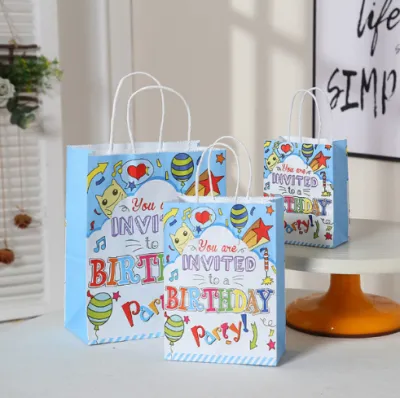

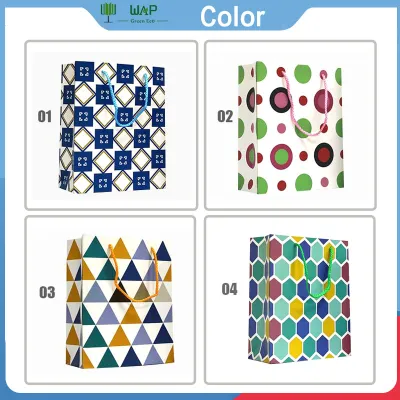
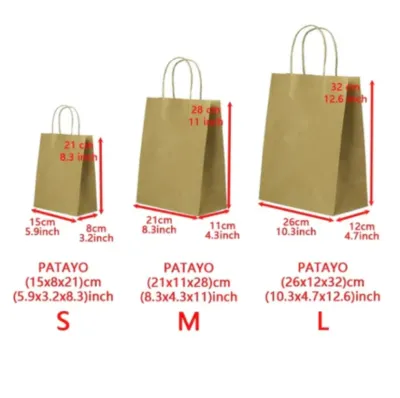
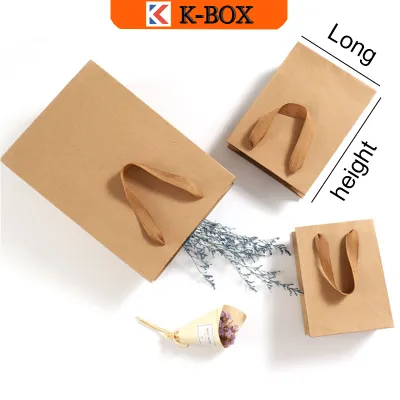
Prices are valid at publication and may change. Please refer to the product page for the latest price.
Below is a quick reference guide to standard paper bag sizes and their ideal birthday gift pairings:
- Small/Mini Bags (approx. 4" x 5" x 2"): Best suited for jewelry boxes, watches, gift cards, small cosmetics, and pocket-sized accessories.
- Medium Bags (approx. 8" x 10" x 4"): Ideal for folded t-shirts, paperback books, medium-sized toys, standard perfume bottles, and small electronics.
- Large Bags (approx. 12" x 15" x 6"): Perfect for bulky apparel like jackets, board games, medium stuffed animals, and boxed kitchenware.
- Extra-Large Bags (approx. 16" x 20" x 8"): Necessary for oversized toys, large bedding sets, or grouping multiple smaller gifts together in one presentation.
How to Size Paper Bags for Different Gift Categories
Determining the correct bag size requires looking closely at the physical profile of your gift. Different categories of items place different demands on a paper bag’s structure, meaning a one-size-fits-all approach rarely works.

Clothing and Soft Goods
When wrapping apparel, scarves, towels, or blankets, prioritize the bag’s width and height over its depth. Because fabric is compressible and flexible, it does not require an exceptionally deep gusset to fit comfortably. However, packing clothing too tightly can lead to unsightly wrinkles and creases before the gift is opened.
To maintain a neat presentation, leave at least 2 to 3 inches of extra room at the top of the bag. This clearance allows you to fold the top of the bag over for a clean, minimalist look, or to tuck in decorative tissue paper without crushing the fabric beneath. In the humid tropical climate of the Philippines, keeping fabric gifts loosely packed in breathable paper bags also prevents trapped moisture from creating musty odors during transport.
Toys and Boxed Items
Rigid, bulky, or oddly shaped toys that come in fixed cardboard packaging require careful measurement before you select a bag. Never rely on the listed dimensions of the toy itself; always measure the outermost edges of the retail box. Pay close attention to the box’s diagonal measurements, as the package must be able to slide through the top opening of the bag without stretching or tearing the paper seams.
Ensure the bag’s depth and width comfortably accommodate the thickest parts of the toy box. Additionally, verify that the bag’s height allows the handles to clear the top of the box completely. If the box protrudes past the handle attachment points, carrying the gift will put uneven strain on the handles, which often leads to sudden tears and dropped items.
Small Accessories and Jewelry
Tiny items like earrings, delicate necklaces, keychains, or smartwatches can easily get lost or damaged at the bottom of an oversized bag. For these items, mini bags or premium Euro-totes are the most appropriate choices. A small, focused presentation shows that care was taken with the gift, preventing it from feeling like an afterthought.
To keep small accessories secure and highly visible, always use internal padding. Place the item inside a small insert box, a velvet drawstring pouch, or a nest of shredded paper before placing it into the paper bag. This extra layer of protection keeps the gift centered, prevents it from sliding into the bottom corners, and creates a more engaging, multi-layered unwrapping experience for the recipient.
Fragile and Oddly Shaped Items
Delicate items such as ceramic mugs, glassware, photo frames, or handmade clay ornaments require extra physical space to accommodate protective wrapping materials. Never place a fragile item directly into a paper bag without cushioning, as the hard edges of the gift can easily puncture the paper if the bag is bumped.
When calculating the final required bag dimensions, add 2 to 3 inches of clearance on all sides of the fragile item to allow for bubble wrap, honeycomb paper, or thick layers of crumpled tissue. For example, if a ceramic mug measures 4 inches wide, 4 inches deep, and 5 inches tall, wrapping it securely will increase its dimensions to roughly 6 inches wide, 6 inches deep, and 7 inches tall. You must select a bag with a base of at least 7″ x 7″ to ensure the wrapped item sits flat without stretching the paper seams.
Choosing the Right Bag Style, Base, and Material
The construction, base design, and paper material of a gift bag directly dictate how much weight it can carry and how it will look on the gift table. Understanding these technical specifications helps you make an informed purchase.
Kraft Paper vs. Coated and Art Papers
Kraft paper is widely appreciated for its durability, structural strength, and classic, eco-friendly aesthetic. Made from long wood fibers, kraft paper is highly resistant to tearing, making it the ideal choice for heavier items like books, wooden toys, or artisanal food jars. Standard kraft bags typically range from 100 to 150 GSM (grams per square meter), providing a sturdy, rustic feel that pairs beautifully with simple twine or colorful ribbons.
In contrast, coated and art papers offer a premium, vibrant finish that is highly suited for colorful birthday designs. These papers are often laminated with a matte or glossy plastic film, which not only enhances the color depth but also provides a slight barrier against moisture. This moisture resistance is a major advantage during the humid rainy season in the Philippines, as it prevents the bag from softening or losing its shape if exposed to light drizzle. When shopping for coated paper bags, always check the GSM rating; high-quality premium bags should feature a paper weight of 150 GSM to 200 GSM to ensure they do not sag under moderate weight.
Flat Bottom vs. V-Bottom and Gusseted Designs
Flat-bottom bags, also known as block-bottom bags, are the gold standard for gift presentation. They feature a rigid, rectangular base that allows the bag to stand completely upright on its own. This stability is essential for holding rigid boxes, heavy books, or fragile items that must remain vertical to prevent damage. A flat-bottom design also makes it much easier to arrange decorative tissue paper at the top.
Side gussets are the expandable folds on the sides of the bag that allow it to open wider. Bags with generous side gussets are highly versatile, as they expand to accommodate bulky, irregular items while keeping the overall footprint of the bag compact when empty. On the other hand, V-bottom or pinch-bottom bags lack a structured base and fold flat at the bottom. These are best suited for lightweight, flat, or highly flexible items like birthday cards, single notebooks, or thin clothing accessories, as they cannot stand upright on a table.
Handle Types: Twisted, Flat, or Ribbon
Handles are the primary point of failure for heavily loaded paper bags, making handle selection a critical decision. Twisted paper handles are made by twisting multiple strands of kraft paper together, creating a stiff, strong loop that is glued securely to the inside of the bag. They offer excellent weight capacity and a clean, uniform look, making them a reliable choice for standard birthday gifts.
Flat paper handles are cost-effective and fold down easily, but they have sharp edges that can dig into the recipient’s hands if the bag is heavy. They are best reserved for very light items like clothing or plush toys. For a premium presentation, rope, satin ribbon, or grosgrain ribbon handles offer a soft, comfortable grip and an elegant appearance. However, because ribbon handles are flexible, you must ensure they are secured inside the bag with sturdy metal eyelets or large, tight knots to prevent them from slipping through the holes under a heavy load.
Structural Checks for Heavy and Fragile Gifts
Before placing a heavy or fragile birthday gift into a paper bag, perform a few quick, low-risk verification checks to ensure the bag will not fail during transit. Taking a few seconds to inspect the bag’s construction can prevent a costly and disappointing accident.
First, inspect the bottom glue line of the bag. Gently pull at the bottom seams from the inside to verify that the adhesive is fully cured, evenly applied, and has not dried out or peeled. Next, look for an internal reinforcement card. High-quality gift bags feature a thick piece of rigid cardstock glued to the inside bottom of the bag. This card is crucial for distributing the weight of the gift evenly across the entire base, preventing the paper from sagging in the center and putting undue stress on the bottom seams.
Additionally, check the handle attachment points. For twisted or flat paper handles, ensure the reinforcement patches glued over the handle ends are secure and show no signs of peeling. For rope or ribbon handles, verify that the knots are tight, even, and large enough that they cannot slip through the metal eyelets when pulled.
If you are gifting an exceptionally heavy item, such as a heavy book set, a ceramic planter, or a bottle of artisanal syrup, consider these protective steps:
- Double-Bagging: Slide one paper bag inside another of the identical size. This simple step doubles the wall strength, reinforces the handles, and provides peace of mind during transport.
- Rigid Base Insert: If your selected bag lacks an internal reinforcement card, cut a piece of thick, rigid cardboard to match the base dimensions exactly and place it at the bottom of the bag before loading the gift.
- The Lift Test: Gently lift the loaded bag a few inches off a soft surface (like a couch or carpet) to observe how the paper and handles behave under stress before carrying it outside.
Simple Ways to Personalize Your Gift Bag
Personalizing a plain paper bag is an excellent way to match a specific birthday theme without spending a fortune on custom printing. However, you must ensure your decorations do not compromise the structural integrity of the paper.
Using coordinating tissue paper is the easiest way to add volume, color, and a sense of mystery to the gift. Instead of cramming the tissue paper down into the bag, gently pinch each sheet from the center, shake it out to create a cone shape, and place it points-down into the bag so the fluffy edges bloom over the rim. To keep the presentation looking neat, choose tissue paper colors that complement the main bag color.
Attaching a personalized gift tag is another simple way to add a thoughtful touch. Always loop the tag’s string around the handle base rather than taping the tag directly to the delicate paper body of the bag. Taping tags can tear the outer fibers of the paper, especially on uncoated kraft bags, which ruins the bag’s appearance and prevents the recipient from reusing it.
If you plan to write directly on the bag with markers, stamp it with ink, or apply liquid adhesives, always perform a quick test first. Use a hidden corner of the bag, such as the inside fold of the bottom gusset, to verify that the ink does not bleed through the paper or smudge. Coated and laminated papers often require specialized permanent markers and longer drying times, whereas uncoated kraft paper absorbs standard inks quickly but may cause fine lines to spread slightly.
Frequently Asked Questions (FAQ)
Can I reuse a paper gift bag for another birthday?
Yes, paper gift bags can easily be reused if they are still structurally sound. Before reusing a bag, inspect the bottom creases for thinning or tearing, and check the handles for fraying or loose adhesive. Ensure there are no deep creases, oil stains, or water damage that could compromise the bag’s strength, and gently remove any old tape or adhesive residue to keep the presentation looking clean.
How do I prevent a paper gift bag from tipping over?
To prevent a paper gift bag from tipping over, always choose a flat-bottom (block-bottom) bag with a wide gusset rather than a flat V-bottom style. Place a rigid piece of cardboard or a flat, dense item at the very bottom of the bag to lower its center of gravity. Finally, ensure the gift is centered inside the bag rather than leaning against one of the side walls, which can cause the bag to tilt and fall.

Community discussion
Share your experience or ask a question. Comments are reviewed before publication.