
To craft a durable and beautiful rosary from scratch, you must gather a specific set of components that balance structural integrity with aesthetic appeal. Whether you are assembling a traditional heirloom or a simple daily-use piece, having the correct materials on hand prevents mid-project frustration. A complete rosary making set consists of three primary categories: beads, metal findings (or hardware), and stringing materials paired with specialized hand tools.
Understanding the traditional anatomy of a rosary is essential for calculating your material needs. A standard Dominican rosary features 59 beads in total, arranged in a specific sequence. This includes 53 “Ave” (Hail Mary) beads divided into five decades of ten, plus six “Pater” (Our Father) beads that separate the decades and form the introductory drop. These components are joined by a centerpiece (a three-way connector) and terminate in a crucifix. Because these parts must fit together seamlessly, you should always cross-reference manufacturer specifications—such as bead hole diameters and wire gauges—before purchasing your supplies.
Selecting Beads and Spacers: Sizes, Materials, and Quantities
Selecting the right beads requires balancing visual appeal with physical compatibility. For a standard five-decade rosary, you will need 53 Ave beads and 6 Pater beads. It is highly recommended to purchase a buffer of at least 10% to 15% extra beads. This extra inventory accounts for any beads with blocked holes, structural defects, or those lost during the assembly process.
Products mentioned in this guide
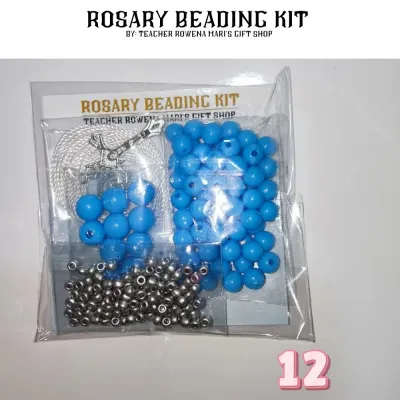
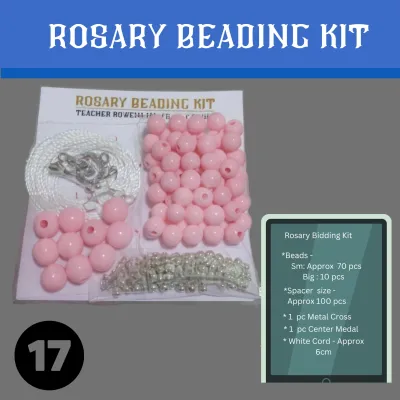
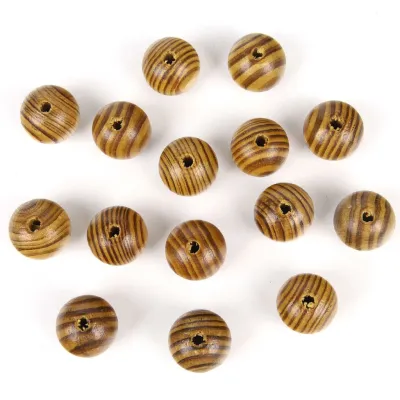
Prices are valid at publication and may change. Please refer to the product page for the latest price.
Bead sizes directly affect both the handling and the overall length of the finished piece. Ave beads are typically 6mm or 8mm in diameter, while Pater beads are usually slightly larger, such as 8mm or 10mm, to provide a tactile distinction between prayers. Common materials include glass, wood, gemstones, and acrylic. When sourcing these, verify the inner hole diameter of the beads. For instance, glass and gemstone beads often have smaller drill holes (around 0.8mm to 1.0mm), which require thinner wire, whereas wooden beads often feature larger, slightly irregular holes that may require thicker pins or spacer beads to prevent them from slipping off.
Spacer beads and short chain segments play a vital functional role in the assembly. Placed on either side of the Pater beads, spacers (typically 2mm to 4mm metal beads or seed beads) prevent the larger beads from rubbing against each other, reducing wear on their finishes. They also add necessary drape and flexibility to the finished piece, allowing it to fold easily without stiffening. In tropical climates like the Philippines, where humidity and perspiration can affect materials, check product labels for protective coatings. Natural wood beads should be sealed, and coated glass beads should be verified for scratch resistance to ensure the outer color does not peel over time.
Sourcing Findings and Hardware: Crucifixes, Centers, and Links
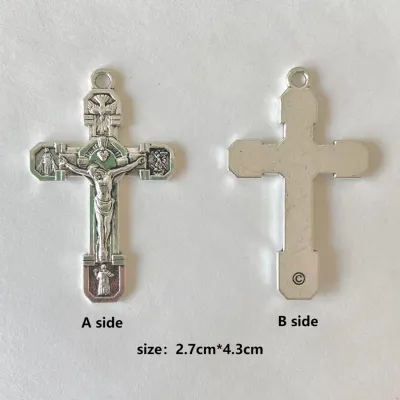
The metal findings are the structural backbone of your rosary, holding the entire sequence of beads together. The essential hardware components include a centerpiece, a crucifix, jump rings, eye pins, and head pins. The centerpiece acts as the junction where the loop of the decades meets the shorter drop section, while the crucifix serves as the anchor at the very end. Jump rings are small, open metal loops used to connect the centerpiece and crucifix to the rest of the assembly.

When selecting these metal components, material composition is critical for longevity and skin safety. Common options include base metal alloys, brass, stainless steel, and sterling silver. Because a rosary is held and handled repeatedly, look for findings labeled as nickel-free and hypoallergenic to prevent skin irritation. In warm, humid environments, base metals can oxidize rapidly, leading to discoloration. Opting for stainless steel or high-quality plated brass with a clear protective e-coating can significantly extend the life of the metalwork.
Aesthetics and structural balance should guide your design choices. Match the metal finishes across all findings—if you choose an antique bronze centerpiece, ensure your crucifix, eye pins, and jump rings share the same bronze tone. Furthermore, pay close attention to the gauge (thickness) of your eye pins and head pins. A 22-gauge wire (approximately 0.64mm) is generally the standard for beginners, offering a reliable balance between pliability and strength. Ensure the length of the pins (typically 1 inch to 1.5 inches) is sufficient to pass through your chosen beads while leaving enough exposed wire to form a secure, neat loop.
Choosing Stringing Materials and Assembly Tools
The method you choose to assemble your rosary dictates the stringing materials and tools you will need. The three primary assembly styles are the traditional chain-link method, the flexible wire method, and the corded method. The chain-link method relies on eye pins and individual wire loops, creating a classic, articulated chain. The flexible wire method uses nylon-coated stainless steel beading wire secured with tiny metal crimp beads, offering high durability and a modern drape. The corded method uses heavy-duty nylon or polyester cord, where knots are tied between beads to keep them in place.
If you choose the wire-loop or chain-link method, having the correct hand tools is non-negotiable. You will need three essential tools: round-nose pliers, chain-nose pliers, and flush cutters. Round-nose pliers feature conical jaws that allow you to bend wire into smooth, consistent loops. Chain-nose pliers have flat interior jaws, making them perfect for gripping wire, opening jump rings, and tucking in sharp wire ends without scratching the metal. Flush cutters are designed to cut wire cleanly, leaving a flat edge rather than a sharp point. Always check tool manufacturer guidelines to ensure your cutters are rated for the specific wire hardness you are using, as cutting memory wire or hard steel with soft-wire cutters will ruin the blades.
To keep your workspace organized, consider using a soft bead mat or a multi-compartment organizer tray. These accessories prevent round beads from rolling off your table and keep your findings sorted by size and type. A basic starter setup of tools and materials can be sourced from local craft stores or online marketplaces for approximately ₱500 to ₱1,200, depending on the quality of the pliers and the metal alloys selected.
Building Your First Set: Balancing Cost and Skill Level
For beginners, balancing material costs with your developing skill level is key to an enjoyable crafting experience. It is highly recommended to start your journey with affordable, forgiving materials. Using inexpensive acrylic or smooth wooden beads paired with basic copper or brass craft wire allows you to practice making consistent loops and wraps without the fear of wasting costly components. Your first few loops may be uneven or loose, which is a natural part of the learning curve.
Once you can consistently create tight, symmetrical loops that do not leave gaps for beads to slide through, you can confidently transition to premium materials. Upgrading to semi-precious gemstones, freshwater pearls, and sterling silver or gold-filled findings will result in a durable, heirloom-quality piece.
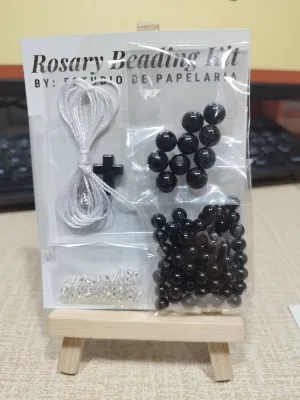
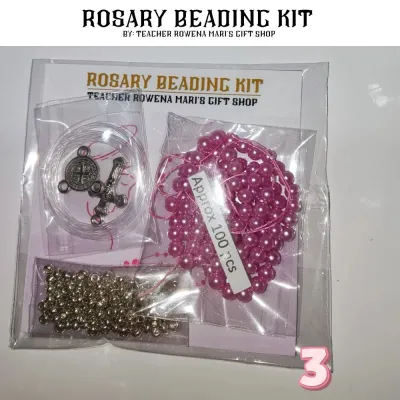
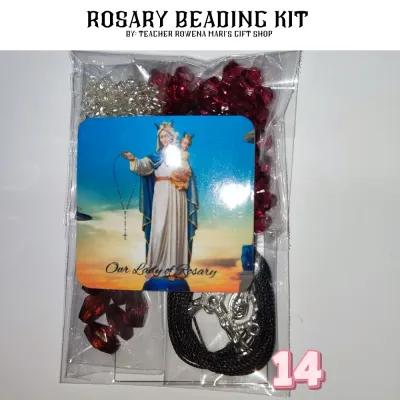
When deciding how to source your materials, compare the benefits of a pre-packaged rosary making kit versus buying individual components. A pre-packaged kit is highly convenient for beginners because the manufacturer has already matched the bead hole sizes with the correct wire gauge and included the exact count of findings needed. However, sourcing components individually offers limitless customization, allowing you to select unique centerpieces and custom bead combinations. Whichever route you choose, always read the product specifications carefully and check user reviews to verify that the actual dimensions and material finishes match the seller’s descriptions.
Frequently Asked Questions (FAQ)
Can I use elastic cord instead of wire for a rosary?
Elastic cord is not recommended for assembling a traditional rosary. A rosary requires structural stability to maintain its shape and drape, especially when supporting the weight of a metal centerpiece and crucifix. Elastic cord stretches and degrades over time, which can cause the beads to bunch together, sag, or eventually snap under tension. For a flexible yet durable non-wire option, use high-strength nylon or polyester cord designed for micro-macramé, or opt for nylon-coated stainless steel beading wire secured with crimp beads.
How do I prevent metal findings from tarnishing over time?
To protect metal findings from tarnishing, start by selecting materials with inherent resistance, such as stainless steel or findings treated with a protective anti-tarnish e-coating. Because high humidity and moisture accelerate oxidation, store your finished rosaries in dry, airtight containers or small zip-top bags when not in use. You can also place a small anti-tarnish strip inside the storage container to absorb airborne pollutants. Avoid exposing the rosary to water, sweat, perfumes, or lotions, and gently wipe the metal parts with a soft microfiber cloth after handling to remove skin oils.
Community discussion
Share your experience or ask a question. Comments are reviewed before publication.