
Selecting the right mechanical pencil is only the first step toward achieving an effortless writing experience; the actual magic lies in the lead size you choose. Selecting the correct diameter ensures your lines remain crisp, your paper stays clean, and your writing session is uninterrupted by constant lead breakage.
Whether you are a student preparing for exams, an architect sketching precise schematics, or a professional jotting down notes in a fast-paced meeting, the thickness of your graphite core directly dictates your comfort. Finding the perfect balance involves assessing your natural writing speed, the pressure you exert on the page, and the specific paper you use.
Quick Guide to Mechanical Pencil Lead Sizes
To help you find your ideal match quickly, here is a breakdown of the standard lead sizes and their primary applications:
Products mentioned in this guide
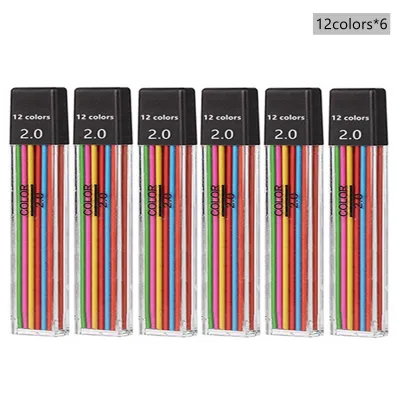
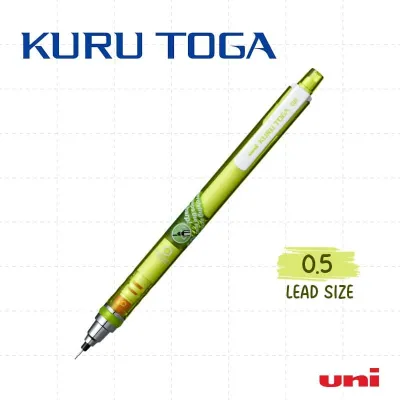
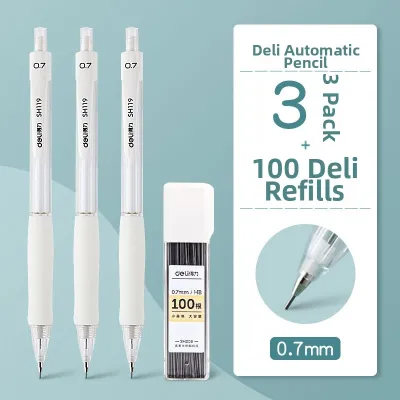
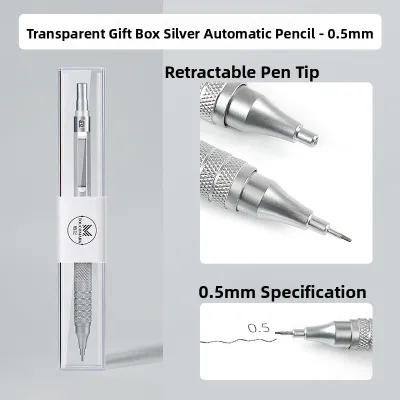
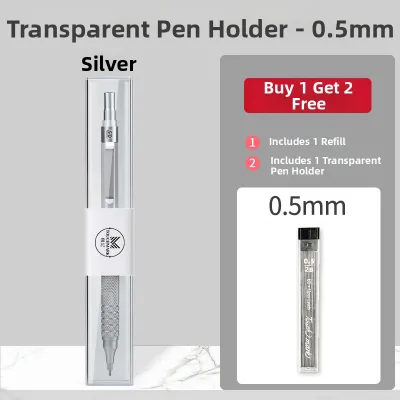
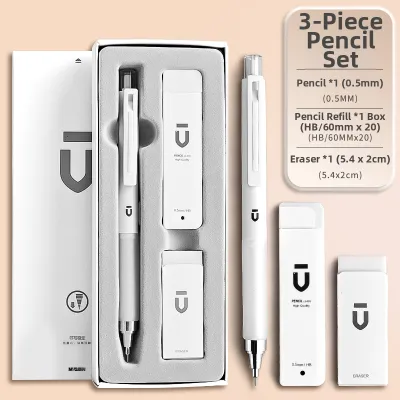
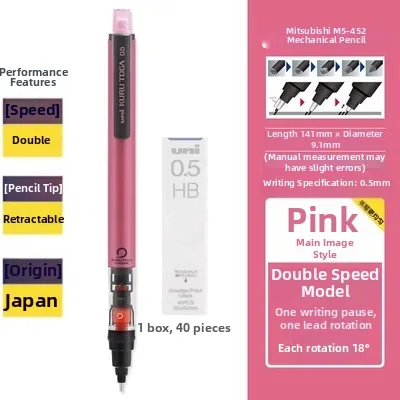
Prices are valid at publication and may change. Please refer to the product page for the latest price.
- 0.3mm (Ultra-Fine Precision): Best for technical drawing, detailed annotations in small margins, and writers with an exceptionally light grip.
- 0.5mm (The Versatile Standard): The most popular choice for general writing, schoolwork, and daily journaling. It suits average handwriting sizes and moderate pressure.
- 0.7mm (The Forgiving Medium): Excellent for fast note-taking, heavy-handed writers, and general office tasks. It offers a great balance of line visibility and break resistance.
- 0.9mm (Heavy-Duty Durability): Ideal for bold writing, quick sketching, and individuals who exert significant downward pressure. It rarely breaks under normal use.
Decoding Lead Sizes: What the Millimeter Numbers Mean
The millimeter measurement printed on a lead refill pack refers strictly to the physical diameter of the graphite core. However, this technical specification does not translate directly to a fixed line width on your paper. In practice, the actual line you produce is a dynamic result of your writing angle, downward pressure, and the texture of the page.

Thicker leads, such as 0.7mm and 0.9mm, distribute your writing force over a larger surface area. This wider contact point lays down a broader band of graphite, resulting in bolder lines that are highly visible but fill up small spaces quickly. Conversely, thinner leads like 0.3mm concentrate your hand’s pressure onto a tiny point, allowing for extreme precision and clean, thin lines.
It is important to understand that a larger millimeter number does not represent a superior or more premium product. Instead, each size indicates a different physical interaction with the paper fibers, meaning the best size is entirely subjective to your daily needs.
How to Match Lead Size to Your Handwriting and Grip
To find your ideal mechanical pencil setup, you must first diagnose your physical writing habits. You can easily do this by writing a standard paragraph on your typical notebook paper. Pay close attention to how hard you press, how large your letters are, and how often you need to click the cap to advance more lead.
If you find yourself constantly rotating your pencil to find a sharp edge, or if your writing looks like a solid block of dark graphite, your lead is likely too thick for your style. On the other hand, if you hear a frequent snapping sound or notice tiny graphite fragments scattering across your page, you are likely using a lead that is too thin for your downward pressure.
Small, Detailed Handwriting and Light Grip
Writers who naturally produce tiny, compact letters or prefer to write intricate annotations in tight margins will benefit most from 0.3mm and 0.5mm leads. These thin diameters allow you to maintain legibility even when fitting multiple lines of text into a single grid square or a small planner pocket.
However, using a 0.3mm lead requires a highly disciplined, light touch. Because the core is incredibly thin, it has minimal structural resistance against lateral forces. If you write quickly, change directions abruptly, or have a habit of holding your pencil at a very steep angle, a 0.3mm lead will snap easily, making it less forgiving for rapid, high-volume writing.
Average Handwriting and Moderate Pressure
If your handwriting is of average size and you apply a moderate, balanced pressure, the 0.5mm and 0.7mm sizes will offer the most comfortable experience. The 0.5mm lead is the global standard for a reason; it provides a clean, sharp line that remains highly legible across standard ruled paper without requiring constant sharpening.
If you find that 0.5mm lead breaks occasionally during long, fatigue-inducing writing sessions, upgrading to a 0.7mm lead is often the perfect solution. The 0.7mm size provides a slightly wider cushion on the page, absorbing minor spikes in downward pressure without sacrificing the ability to write standard-sized text comfortably.
Large Handwriting and Heavy Hand Pressure
For those who write with large, sweeping strokes or have a naturally heavy hand, 0.7mm and 0.9mm leads are the most reliable choices. These thicker cores are incredibly robust, easily withstanding heavy downward loads without fracturing.
If you frequently snap 0.5mm lead, moving up to a 0.7mm or 0.9mm size is the most effective mechanical fix before you attempt to alter your natural grip or lead hardness. The broader surface area of these leads also provides a smoother, almost gliding sensation across the paper, which can significantly reduce hand fatigue during long writing sessions.
Selecting the Right Lead for Specific Tasks and Paper Types
Different tasks place unique demands on your writing instruments, and the paper medium you use plays an equally critical role in performance.
Note-Taking, Drafting, and Technical Drawing
Precision tasks like engineering drafting, architectural sketching, and accounting ledger work demand the clean margins that only 0.3mm and 0.5mm leads can provide. When drawing complex diagrams or aligning numbers in tight columns, any line thickening can cause errors or make the work unreadable. Because these technical tasks are typically performed slowly and with high control, the risk of breaking these delicate leads is naturally minimized.
General Schoolwork, Journaling, and Fast Writing
For high-volume writing tasks like copying lecture notes, journaling, or writing essays, 0.5mm and 0.7mm leads are superior. Fast, continuous writing naturally increases lateral friction and causes sudden, accidental spikes in hand pressure. A slightly thicker core resists these forces, allowing you to write continuously without the annoying interruption of a snapping lead.
Paper Texture and Tooth
The physical surface of your paper heavily influences how graphite behaves. Rougher paper with a high “tooth” acts like mild sandpaper, wearing down thin leads rapidly and occasionally catching on the tip, which can cause sudden breakage.
In tropical climates like the Philippines, high humidity can cause standard paper to absorb moisture from the air, making the sheets softer, more fibrous, and highly prone to tearing under the sharp point of a 0.3mm lead. If you frequently write in humid environments on standard intermediate pads, opting for a slightly thicker 0.5mm or 0.7mm lead will prevent the tip from digging into damp paper fibers. Conversely, smooth, coated planner pages accommodate all lead sizes beautifully, though they may cause softer, thicker leads to smudge if you are not careful.
Factoring in Lead Hardness and Breakage Resistance
While choosing the correct millimeter size is crucial, it represents only half of the mechanical pencil equation. The hardness of the graphite formula—typically graded from hard (H) to soft (B)—interacts directly with the lead’s physical diameter to shape your writing experience.
A soft lead grade, such as 2B or 4B, contains more graphite and less clay binder. This composition makes the lead write incredibly dark and smooth, but it also makes the core significantly softer and more prone to breaking, even at a thicker 0.7mm size. On the other hand, a hard lead grade like H or 2H contains more clay, making it highly break-resistant but producing a lighter, scratchier line.
If you prefer a thin line but find that standard 0.5mm lead breaks too often, try switching to a harder grade like H or HB before jumping to a thicker 0.7mm size. Conversely, if you want a darker line but do not want to deal with a thick, smudgy 0.9mm lead, using a 0.5mm 2B lead can give you the darkness you desire, provided you maintain a gentle grip. Always check your mechanical pencil’s built-in lead grade indicator or the refill packaging to verify the exact hardness you are using.
Frequently Asked Questions (FAQ)
Can I use 0.7mm lead in a 0.5mm mechanical pencil?
No, you cannot swap lead sizes. A mechanical pencil’s internal clutch mechanism is precisely machined to grip and advance a specific diameter of graphite. Attempting to force a 0.7mm lead into a 0.5mm pencil will jam the feeding tube and potentially damage the internal clutch. Conversely, putting 0.5mm lead into a 0.7mm pencil will cause the lead to slip straight through the tip without holding.
Why does my 0.5mm lead keep breaking even when I write lightly?
If your lead breaks despite a gentle touch, you may be extending too much lead past the metal sleeve; keeping only one or two clicks of lead exposed is ideal. Alternatively, you might be using a very soft lead grade like 2B or 4B, which lacks structural strength. Finally, check if the internal clutch of your pencil is damaged or dirty, as a misaligned clutch can crush the lead before it even exits the tip.
Is 0.5mm or 0.7mm better for standardized tests?
Both sizes are excellent for standardized exams, such as school finals or professional licensure exams in the Philippines, provided you use an HB or #2 equivalent hardness to ensure optical scanners can read your sheet. A 0.7mm lead is slightly faster for shading in answer bubbles due to its broader coverage, while a 0.5mm lead is highly preferred for working out complex math equations in the narrow margins of your test booklet.
Community discussion
Share your experience or ask a question. Comments are reviewed before publication.