
Mesh cloth is an exceptionally versatile material defined by its open, grid-like pattern of woven or knitted yarns. Unlike solid fabrics, it features intentional spaces or “holes” that allow air, light, and moisture to pass through easily. This unique structure makes it the premier choice for projects where ventilation, visibility, and lightweight flexibility are paramount. In warm, humid environments like the Philippines, mesh cloth is a staple for creating breathable activewear, practical household organization tools, and durable outdoor gear. Understanding the specific properties, construction types, and handling requirements of this fabric is the first step toward choosing the perfect variant for your next sewing or crafting project.
What Is Mesh Cloth and How Is It Structured?
At its core, mesh cloth is any fabric constructed with a semi-permeable, grid-like network of fibers. The defining characteristic of this material is the presence of visible, evenly spaced gaps between the interlaced yarns. These gaps are not defects; they are engineered spaces designed to provide specific physical properties, such as high breathability, transparency, and a reduction in overall fabric weight. The size, shape, and frequency of these holes can vary dramatically, ranging from almost microscopic pores in high-performance athletic fabrics to large, open grids in industrial cargo netting.
To select the right mesh for your project, it is essential to understand the two primary manufacturing methods: knitting and weaving. Knitted mesh, which includes common varieties like tricot and raschel, is produced by looping yarns together. This looping structure gives knitted mesh inherent stretch, flexibility, and a softer drape, making it comfortable against the skin and highly adaptable to body movement. In contrast, woven mesh is created by interlacing warp and weft yarns at right angles, often using a leno weave to prevent the yarns from shifting. Woven mesh offers superior dimensional stability, minimal stretch, and a stiffer, more structured hand feel, which is ideal for utility applications.
Products mentioned in this guide
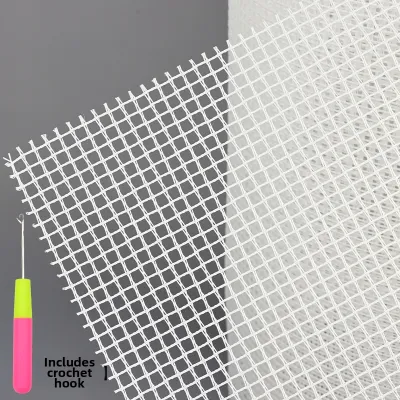
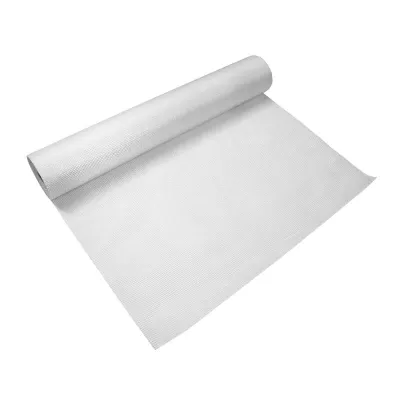
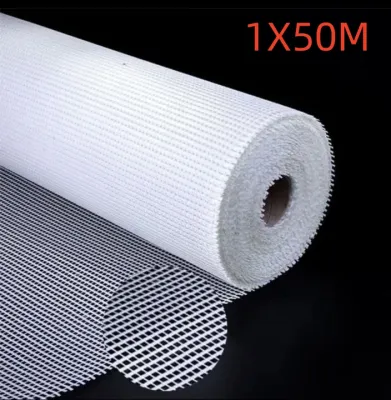
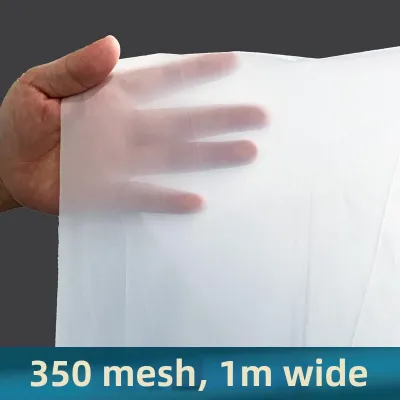
Prices are valid at publication and may change. Please refer to the product page for the latest price.
The dimensions and geometry of the gaps dictate how the fabric will perform under different conditions. Large, open cells maximize airflow and visibility but offer very little structural support or opacity. Conversely, fine micro-meshes feature tightly spaced, tiny holes that provide a smoother, more uniform surface while still allowing subtle air circulation. When purchasing mesh cloth, always verify the exact dimensions of the grid and the fiber composition to ensure the material matches the physical demands of your intended design.
Key Characteristics to Evaluate for Your Project
Breathability and Moisture Management

The open structure of mesh cloth makes it unparalleled in its ability to facilitate air circulation and heat dissipation. In tropical climates like the Philippines, where high humidity and elevated temperatures are daily realities, managing perspiration is a constant challenge. Mesh fabric allows air to flow directly to the skin, encouraging rapid sweat evaporation and preventing the clammy, suffocating feeling associated with dense, non-porous materials. This makes it highly practical not only for sportswear but also for everyday casual garments and home textiles.
Stretch and Recovery
The elasticity of mesh cloth depends heavily on its fiber blend and construction. While woven meshes are generally rigid, knitted meshes can offer varying degrees of stretch. If your project requires the fabric to conform to curves or stretch during movement—such as in activewear panels or fitted garments—look for a blend containing elastane or spandex. It is equally important to evaluate the fabric’s recovery, which is its ability to snap back to its original shape after being stretched; poor recovery leads to bagging, sagging, and premature wear.
Weight and Drape
Mesh fabrics span a wide spectrum of weights, typically measured in grams per square meter (GSM). Lightweight meshes, such as tulle or sheer illusion net, have a delicate, airy quality and drape softly, making them perfect for adding volume to skirts or creating elegant overlays on formal wear. Medium to heavyweight meshes, such as athletic spacer mesh or utility vinyl mesh, are much stiffer and hold their shape under tension. Choosing the correct weight ensures your finished project has the structural integrity and silhouette you intend.
Snag Resistance and Durability
Because of the open gaps in its surface, mesh is naturally more vulnerable to catching on jewelry, zippers, or rough surfaces. When evaluating a mesh cloth, examine the thickness of the yarns (denier) and the tightness of the knit or weave. High-denier polyester or nylon yarns knitted in a tight, multi-bar raschel pattern will offer significantly better snag resistance and tear strength than a loosely knit, low-denier alternative. If your project will undergo frequent friction or carry heavy loads, prioritizing durability over absolute softness is crucial.
Common Types of Mesh Fabric and Their Best Applications
Power Mesh and Stretch Mesh
Power mesh is a high-performance, knitted fabric typically composed of a nylon and spandex blend, often containing 10% to 20% elastane. It is characterized by its excellent four-way stretch and strong compression capabilities. This makes it the industry standard for lining swimwear, shaping panels in activewear, and providing structural support in lingerie and brassieres. It is soft to the touch yet highly resilient, ensuring a comfortable, body-hugging fit that retains its shape over time.
Tulle and Illusion Mesh
Tulle is an extremely fine, lightweight machine-run net fabric that is traditionally made from nylon, silk, or polyester. It has a distinct hexagonal grid and a stiff finish, which allows it to hold its shape and add dramatic volume to bridal veils, evening gown underskirts, and festive costumes. Illusion mesh is a softer, more delicate cousin of tulle, designed to blend seamlessly with various skin tones to create the “illusion” of floating lace or sheer panels in formal wear.
Athletic and Sports Mesh
This category includes classics like polyester eyelet mesh and sandwich spacer mesh. Athletic mesh is designed to be highly durable, colorfast, and resistant to chlorine and sweat. It features small, uniform perforations that optimize ventilation during intense physical activity. You will commonly find this material used in basketball jerseys, football uniforms, running shorts, and the breathable linings of sports jackets and athletic footwear.
Heavy-Duty and Utility Mesh
Constructed from thick, high-denier synthetic fibers—often coated with PVC or vinyl—utility mesh is designed for maximum strength and environmental resistance rather than next-to-skin comfort. It does not stretch and is highly resistant to tearing, UV rays, and moisture. This makes it the perfect choice for sewing heavy-duty laundry bags, beach totes, outdoor gear pockets, shoe organizers, and even lightweight screen doors or insect barriers. When selecting utility mesh, always check the manufacturer’s load-bearing specifications and outdoor durability ratings.
Ideal Sewing and Crafting Projects for Mesh Cloth
Apparel Construction
Incorporating mesh into your wardrobe is an excellent way to design garments tailored for tropical comfort. You can use stretch mesh to create breathable ventilation panels under the arms or along the sides of workout shirts and leggings. For casual wear, a lightweight mesh overlay on a simple cotton blouse adds visual interest without trapping heat. In the Philippines, sewing a loose, open-knit mesh cardigan or beach cover-up provides a stylish, sun-protective layer that remains perfectly cool in the sea breeze.
Bags and Organizers
Mesh is highly functional for storage solutions because it allows you to see the contents of a bag instantly while encouraging airflow. Crafting reusable produce bags from lightweight utility mesh is an eco-friendly project perfect for trips to the local palengke or supermarket, keeping fruits and vegetables fresh. You can also sew durable mesh laundry sacks to protect delicate clothing during machine washes, or design travel toiletry pouches that dry quickly and prevent damp odors from building up.
Home and Utility Crafts
Beyond garments and bags, mesh cloth serves several practical purposes around the home. Stiff utility mesh can be used to construct custom window screens to keep mosquitoes and other pests out of your living spaces while maximizing natural ventilation. In crafting, fine mesh acts as an excellent stable base for hand embroidery, tapestry work, or creating custom screen-printing stencils. It can also be used in floral design to secure arrangements or wrap bouquets.
When to Avoid Mesh
While mesh is incredibly versatile, it is not suitable for every project. Avoid using mesh as the primary material for items that require thermal insulation, windproofing, or complete waterproof protection, as its open structure cannot block air currents or moisture. It is also a poor choice for projects requiring absolute opacity or high privacy, such as heavy window drapes or unlined garments, unless it is paired with a solid, opaque backing fabric.
Practical Tips for Cutting and Sewing Mesh
Needle and Thread Selection
Working with mesh requires the right sewing machine needle to prevent damaging the delicate grid. For knitted mesh, always use a ballpoint or stretch needle (typically size 70/10 for fine mesh or 80/12 for medium weights). The rounded tip of a ballpoint needle pushes between the fabric fibers rather than piercing through them, preventing runs, snags, and skipped stitches. Pair this with a high-quality, flexible polyester thread, which provides the necessary strength and elasticity to move with the fabric without snapping.
Stabilizing the Feed
One of the most common challenges when sewing mesh is the fabric’s tendency to get sucked down into the throat plate of the sewing machine, especially at the start of a seam. To prevent this, place a strip of tissue paper, tear-away stabilizer, or water-soluble stabilizer directly underneath the mesh before sewing. The stabilizer provides a solid surface for the feed dogs to grip, ensuring smooth, even stitches. Once your seam is complete, simply tear the paper away or rinse the water-soluble stabilizer out.
Cutting Techniques
Because mesh can be slippery and prone to shifting, traditional fabric scissors can easily cause uneven edges or distorted shapes. For the cleanest results, lay your mesh flat on a self-healing cutting mat and use a sharp rotary cutter. Secure the pattern pieces in place with heavy pattern weights rather than straight pins, as pins can easily slip through the open holes of the mesh and cause the fabric to bunch or snag.
Finishing Edges
While many synthetic meshes do not fray in the traditional sense, their raw edges can still curl, stretch out of shape, or snag on other items. To ensure a professional and durable finish, secure raw edges using a serger (overlocker) or a wide zigzag stitch on your standard sewing machine. Alternatively, you can bind the edges with bias tape or fold-over elastic, which encloses the raw mesh completely and adds a clean, decorative border. Always perform a test run on a scrap piece of the exact same mesh to adjust your machine’s tension, stitch length, and pressure foot settings before sewing your final project.
Frequently Asked Questions (FAQ)
Does mesh cloth fray when cut?
Most knitted mesh fabrics, such as power mesh, tulle, and athletic mesh, do not fray like traditional woven cottons because their interlocking loop construction keeps the fibers secure. However, woven mesh fabrics can unravel significantly along cut edges. Regardless of the construction type, raw mesh edges can still stretch, curl, or snag on other materials over time. To ensure the longevity of your project, it is highly recommended to finish all raw edges with a serger, a zigzag stitch, or bias binding.
Can you iron or steam mesh fabric?
Most modern mesh fabrics are manufactured from synthetic polymers like polyester or nylon, which have relatively low melting points. Applying a hot dry iron directly to mesh can instantly melt, warp, or scorch the delicate fibers, permanently damaging your project. To safely remove wrinkles, use a garment steamer from a safe distance, or set your iron to its lowest synthetic setting and always use a clean, damp pressing cloth as a protective barrier between the iron soleplate and the mesh. Always check the manufacturer’s care instructions first.
Is mesh cloth suitable for outdoor or heavy-duty use?
Standard apparel-grade mesh is not designed to withstand the harsh conditions of heavy-duty or outdoor environments. For projects like outdoor furniture, heavy gear bags, or durable patio screens, you must select specialized utility meshes, such as PVC-coated polyester or heavy-duty vinyl mesh. These industrial materials are specifically engineered to resist UV degradation, mold, mildew, and severe abrasion. Always verify the manufacturer’s load-bearing capacity and weather-resistance specifications before starting an outdoor project.

Community discussion
Share your experience or ask a question. Comments are reviewed before publication.