
Mesh cloth is defined by its open-space construction rather than a single material type. In a warm and humid environment like the Philippines, where high temperatures demand breathable clothing, mesh fabric is a highly sought-after textile. It is widely used for athletic apparel, breathable linings, lightweight summer garments, and functional storage items like produce bags or laundry organizers. Understanding the unique characteristics of this material is key to selecting the right variant for your sewing or crafting projects.
Whether you are designing activewear to handle tropical humidity or crafting structured storage organizers, selecting the correct type of mesh ensures your project is both durable and functional. This guide breaks down the structural composition, key performance properties, common varieties, and practical sewing techniques required to work with mesh cloth successfully.
Understanding Mesh Cloth: Structure and Composition
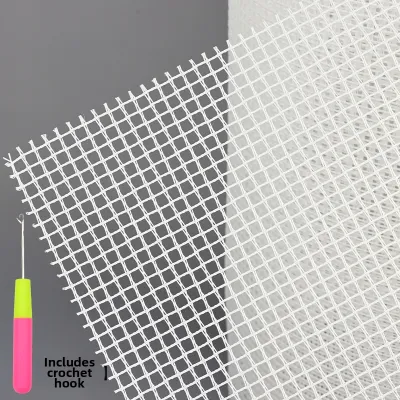
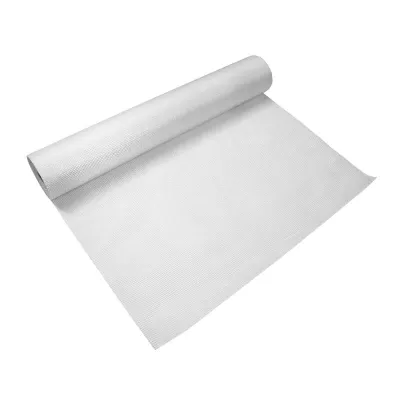
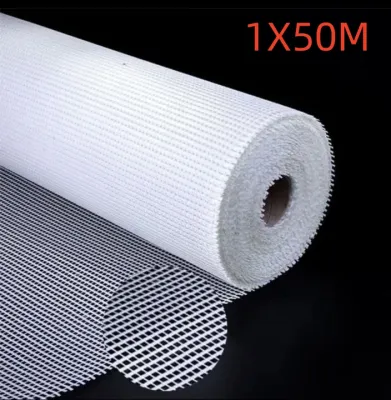
To choose the right fabric, you must first understand that “mesh” refers to a specific knit or woven structure rather than a specific raw material. This structure is characterized by closely spaced, intentional open spaces or holes between the yarns. These holes are created during the manufacturing process by knitting or weaving yarns in a grid, hexagonal, or diamond pattern, resulting in a lightweight and semi-transparent sheet of fabric.
Products mentioned in this guide
Prices are valid at publication and may change. Please refer to the product page for the latest price.
Because mesh is a structural classification, it can be manufactured from a wide variety of synthetic and natural fibers. Polyester and nylon are the most common synthetic fibers used, offering exceptional strength, durability, and moisture resistance. On the other hand, cotton, linen, and blended fibers are sometimes used to create natural mesh fabrics, which offer a softer feel against the skin but behave differently during washing and wear.
The open-grid structure of mesh cloth dictates its primary functional benefits. By allowing air and moisture to pass freely through the gaps, it provides unmatched ventilation and cooling. Additionally, this structure makes the fabric incredibly lightweight, allowing designers to add volume, layers, or structural support to garments and utility items without adding unnecessary bulk or weight.
Key Properties to Evaluate for Your Project
Before purchasing mesh cloth from local textile markets or online marketplaces, you should evaluate several key physical properties. These characteristics determine how the fabric behaves during sewing and how the finished item performs in daily use.

Breathability and Airflow
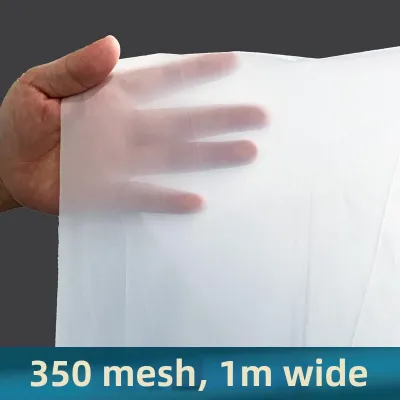
The most prominent feature of mesh cloth is its ability to facilitate maximum airflow. The size and density of the open holes directly impact how breathable the fabric is. In hot and humid climates, large-hole athletic mesh allows perspiration to evaporate quickly, while finer mesh structures provide a subtle breeze while still offering a degree of coverage.
Stretch and Recovery
Mesh fabrics can vary from completely rigid to highly elastic. You must differentiate between two-way stretch, which stretches only in one direction (usually crosswise), and four-way stretch, which expands both crosswise and lengthwise. To ensure adequate recovery for fitted garments like sportswear or swimwear, check the fabric label for the spandex or elastane percentage; a content of 8% to 20% spandex is typically required for high-stretch applications.
Weight and Drape
The weight of mesh cloth is generally measured in grams per square meter (GSM). Lightweight, sheer mesh (low GSM) has a soft, fluid drape that flows easily with body movement, making it ideal for apparel overlays. Conversely, heavy utility mesh (high GSM) is stiff, structured, and holds its shape under tension, which is essential for bags and outdoor gear.
Opacity and Sheerness
Because of its open structure, mesh is inherently semi-transparent or sheer. Before cutting your pattern pieces, it is crucial to test and verify the fabric’s opacity. You can do this by holding the mesh up to a natural light source or layering it over skin-toned fabrics and contrasting backgrounds to determine if you need to add a solid lining or adjust your design placement.
Common Types of Mesh Fabric and Their Uses
Different projects require different types of mesh. Understanding the distinct categories of mesh cloth helps you select the appropriate variant for your specific sewing or crafting needs.
Power Mesh
Power mesh is a high-performance knit fabric known for its incredible compression, firm stretch, and recovery. It is typically made from a nylon and spandex blend, which gives it a smooth hand feel and excellent durability under tension.
This variety is primarily used as a lining material in shapewear, sports bras, and activewear leggings to provide structural support and compression. It is also highly useful for creating flexible pockets on the exterior of backpacks and travel gear.
Tulle and Illusion Mesh
Tulle is a lightweight, very fine machine-made net fabric that is typically woven from nylon, polyester, or silk. It features a distinct hexagonal mesh structure and is generally stiff, though some premium variants offer a softer finish with minimal stretch.
This decorative mesh is the standard choice for bridal veils, evening gown overlays, tutus, and festive decorations. Its structured nature allows it to hold dramatic shapes and create volume without adding weight to formal garments.
Athletic or Sports Mesh
Athletic mesh, often referred to as pinhole or eyelet mesh, is a durable polyester knit featuring small, evenly spaced holes. It is engineered specifically for high-performance wear, offering excellent moisture-wicking properties and resistance to abrasion.
This fabric is commonly used to make basketball jerseys, running shorts, and breathable linings for windbreakers and athletic sneakers. Its synthetic composition ensures that it dries rapidly and does not retain sweat during intense physical activity.
Cotton or Knit Mesh
Cotton mesh is made from natural cotton fibers, resulting in a soft, comfortable, and absorbent fabric. It typically features a crochet-like or open-knit appearance and has less stretch and recovery than its synthetic counterparts.
This variety is highly suitable for casual summer shirts, breathable baby clothing, and eco-friendly market bags. Because it is made from natural fibers, it is gentle on sensitive skin but may shrink slightly when washed.
Best Sewing and Crafting Projects for Mesh
Matching the physical properties of your mesh cloth to the requirements of your project is essential for a successful outcome. Here are some of the most practical and popular projects utilizing mesh.
- Activewear and Summer Garments: You can use athletic mesh or power mesh to sew breathable panels into workout tees, running tights, and sports bras. This zoning technique targets high-sweat areas to maximize ventilation while keeping the rest of the garment solid.
- Linings and Underlays: Lightweight polyester mesh makes an excellent lining for swim trunks, windbreakers, and pocket bags in casual trousers. It prevents the outer fabric from sticking to the skin and ensures quick drying after water exposure.
- Bags, Pouches, and Storage: Heavy-duty utility mesh is perfect for sewing reusable produce bags, laundry organizers, and beach totes. The open holes allow sand and water to drain out easily while keeping your items visible and ventilated.
- Embroidery and Appliqué Bases: Stable, fine mesh serves as an excellent structural backing for delicate embroidery. You can stitch intricate designs directly onto the mesh to create freestanding lace, or use water-soluble mesh backing that dissolves completely after stitching is complete.
Practical Tips for Cutting and Sewing Mesh
Working with mesh cloth can be challenging due to its slippery texture and open structure. Following these practical, low-risk handling techniques will help prevent fabric distortion, skipped stitches, and machine jams.
Cutting Techniques
Because mesh is highly flexible and prone to shifting, avoid using traditional dressmaker pins, which can easily slip out of the open holes. Instead, lay the fabric flat on a self-healing cutting mat, secure your pattern pieces with heavy pattern weights, and cut the edges using a sharp rotary cutter. When marking construction points or notches, use tailor’s chalk or friction-erasable pens on the solid sections of the knit rather than clipping into the seam allowances, which can cause the mesh to unravel.
Needles and Thread Selection
Selecting the correct needle is critical to avoid damaging the delicate yarns of knit mesh. Always use a ballpoint (jersey) or stretch needle (typically size 70/10 for fine mesh and 80/12 for medium mesh) to ensure the needle point slides between the knit loops rather than piercing and snaging them. Pair this with a high-quality 100% polyester thread, which provides the necessary strength, flexibility, and resistance to humidity.
Seams and Finishes
To accommodate the natural elasticity of knit mesh, use a narrow zigzag stitch, a three-step zigzag, or a stretch stitch on your standard sewing machine. If you have an overlock machine (serger), a four-thread overlock seam is the ideal finish as it clean-finishes the raw edges while allowing maximum stretch. For sheer, non-stretch meshes like tulle, a delicate French seam keeps the raw edges enclosed and invisible from the outside of the garment.
Machine Stabilization
The open holes of mesh cloth can easily get sucked down into the needle plate hole of your sewing machine, causing thread nests and fabric damage. To prevent this, place a strip of lightweight tissue paper or wash-away stabilizer underneath the fabric along the seam line before sewing. Once the seam is complete, you can gently tear the tissue paper away or rinse the stabilizer out with water.
Care, Washing, and Maintenance Guidelines
To preserve the elasticity and structural integrity of your mesh projects, proper laundering is essential. While general care guidelines apply to most mesh fabrics, you should always check the manufacturer’s care label on your specific fabric bolt for exact temperature limits and chemical tolerances.
When washing mesh items, use cold water and a gentle cycle on your washing machine. To prevent the open holes of the mesh from snagging on zippers, buttons, or bra hooks from other garments in the wash load, always place your mesh items inside a zippered mesh laundry bag before washing.
Avoid using high heat when drying synthetic mesh fabrics like polyester, nylon, or spandex. High temperatures can degrade the elastane fibers, causing the fabric to lose its stretch recovery, or even melt the synthetic yarns. Instead, lay the items flat to air dry or hang them up in a shaded, well-ventilated area.
Frequently Asked Questions (FAQ)
Does mesh cloth fray when cut?
Whether mesh cloth frays depends on how it was constructed. Knitted mesh fabrics, such as power mesh and athletic mesh, do not fray like traditional woven fabrics because the interlocking loops hold the yarns in place; however, their cut edges can curl or run if subjected to excessive tension. Woven mesh fabrics, including certain types of tulle and utility nets, may experience minor fraying at the cut edges and generally require enclosed seams, binding, or clean-finished edges to maintain a neat appearance.
Can you dye mesh cloth at home?
Your success in dyeing mesh cloth depends entirely on the fiber composition of the fabric rather than its mesh structure. Nylon mesh absorbs standard acid dyes and multi-purpose household dyes very well, while cotton mesh requires fiber-reactive dyes for vibrant results. Polyester mesh is highly resistant to standard dyes and requires specialized disperse dyes cooked at a boiling temperature to penetrate the synthetic fibers. Always perform a dye test on a small fabric scrap before attempting to dye your finished project.

Community discussion
Share your experience or ask a question. Comments are reviewed before publication.