
Understanding the Basic Structure of Mesh Fabric Cloth
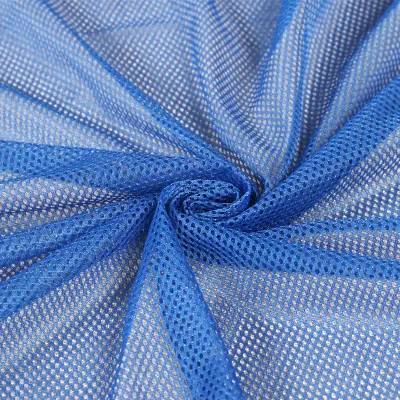
Mesh fabric cloth is defined by its open, net-like structure, characterized by spaces or “holes” between the yarns. Unlike solid fabrics where threads are tightly packed, mesh is intentionally constructed to leave visible gaps. This open-grid design allows air and moisture to pass through easily, making it a popular choice for garments worn in warm, humid climates like the Philippines.
The fundamental difference in how mesh is made determines its behavior. Knitted mesh is created by looping yarns together, giving the fabric inherent stretch and flexibility even without elastic fibers. Woven mesh is made by interlacing warp and weft yarns at right angles, resulting in a stable, structured material with limited stretch. Visually, mesh ranges from sheer, delicate webs to thick, rugged grids, while its texture can feel smooth or stiff depending on the fiber and finish.
How to Evaluate Stretch, Breathability, and Drape
Before purchasing or cutting into mesh fabric cloth, physically assessing its properties ensures it will perform as expected in your sewing project. Because mesh varies widely in fiber content and construction, a hands-on evaluation is the most reliable way to determine its suitability.
Products mentioned in this guide
Prices are valid at publication and may change. Please refer to the product page for the latest price.

To evaluate breathability and airflow, perform a simple visual and physical test. Hold the fabric up to a light source to observe the size and density of the open grid. A larger, more open grid naturally allows more air to pass through, which is ideal for ventilation panels in activewear. You can also gently blow through a single layer of the fabric; if you feel immediate, unrestricted airflow on the other side, the material will keep the wearer cool in hot, humid conditions.
To check stretch and recovery, first inspect the fabric tag for elastane or spandex percentages. A higher percentage typically indicates greater elasticity. Next, conduct a manual stretch-and-release test. Hold a five-inch section of the fabric along the grainline and pull it gently to see how far it extends, then release it. Observe whether it snaps back to its original length immediately or remains stretched out. Good recovery is essential for form-fitting garments like activewear or swimwear linings.
Evaluating opacity and drape helps you decide if your project requires a lining. Drape the mesh over your hand to see how it falls. Stiffer meshes stand away from the body, creating volume, while softer meshes cling and flow. If the mesh is highly transparent, you will need to plan for a coordinating lining fabric or use layering techniques to achieve the desired level of modesty and comfort.
Matching Mesh Types to Your Sewing Projects
Selecting the right type of mesh fabric cloth depends heavily on the structure and purpose of the garment or item you are sewing. Different manufacturing methods yield distinct varieties, each suited to specific applications.
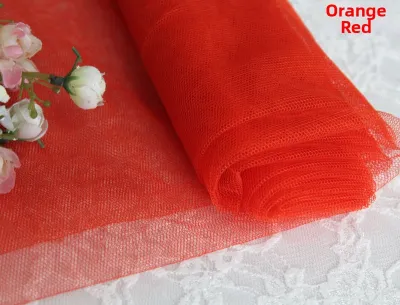
Tulle is a fine, lightweight netting that is often stiffened during manufacturing. It is typically used for overlays, tutus, bridal veils, and decorative accents where volume and structure are required. To verify the stiffness of tulle, crush a handful in your fist and release it; if it springs back and holds its shape, it has the necessary body for structural designs. Softer varieties of tulle, sometimes called nylon netting, are gentler against the skin but offer less volume.
Power mesh is a high-stretch, high-recovery fabric designed to provide support and shaping. It is commonly used for shapewear, athletic wear linings, and supportive panels in garments like brassieres or swimwear. When sourcing power mesh, check the fiber content label for a high percentage of elastane or spandex, often between 10% and 20%. This composition ensures the fabric can stretch comfortably over the body while maintaining firm, reliable compression.
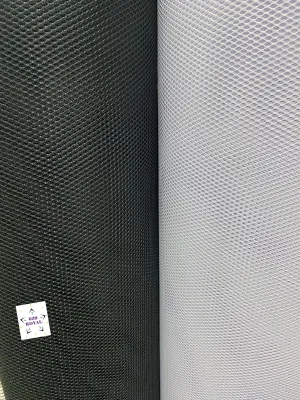
Athletic or sports mesh is structured specifically for airflow and durability, making it a staple for activewear, jersey linings, and pocket bags. This type of mesh is usually made from polyester or nylon fibers, which are resistant to wear and moisture. To verify performance claims like moisture-wicking or quick-drying capabilities, look directly at the manufacturer’s product label or technical specifications, as these properties depend on specialized fiber treatments rather than the mesh structure alone.
Selecting the Right Fabric Weight and Thickness
Fabric weight and thickness play a critical role in how a mesh garment feels, hangs, and holds up over time. Matching these physical characteristics to your pattern’s requirements prevents structural failures and ensures comfort.
Lightweight mesh is delicate, highly sheer, and soft to the touch, making it excellent for decorative overlays, lingerie, and breathable linings. Heavyweight mesh, by contrast, is thick, durable, and rigid, often used for utility bags, outerwear panels, or structural reinforcement. Choosing between them requires balancing the need for breathability with the physical demands of the finished item.
When shopping for mesh, look for fabric weight indicators like GSM (grams per square meter) or ounces per square yard on the fabric tags or supplier specifications. A lower GSM (under 100) indicates a lightweight, airy fabric, while a higher GSM (over 200) points to a denser, heavier material. If these specifications are unavailable, you can manually assess the fabric’s “body” by draping it over your arm to feel its weight and observing how much resistance it offers when bent or folded.
Preventing Snags and Puckering While Sewing
Sewing with mesh fabric cloth presents unique challenges, as the open grid can easily snag on machine parts or get pulled down into the needle plate. Employing the correct tools and techniques will help you achieve clean, professional seams without damaging the delicate structure.
Needle selection is your first line of defense. For knitted mesh, use a ballpoint or stretch needle. These needles have rounded tips that slide between the knitted loops rather than piercing and breaking the fibers, which prevents runs and skipped stitches. For woven mesh, a sharp or microtex needle is preferred, as its fine, pointed tip cleanly penetrates the tightly woven threads without causing snags.
The choice of stitch type is equally important for maintaining the fabric’s natural elasticity. When sewing stretchy mesh, use a narrow zigzag stitch, a lightning stitch, or a dedicated stretch stitch. These stitches allow the seam to expand and contract with the fabric, preventing the threads from popping when the garment is worn. For stable, non-stretch woven mesh, a standard straight stitch is sufficient, but ensure the tension is balanced to avoid puckering.
To prevent the sewing machine from pulling the open grid of the mesh down into the feed dogs, use stabilizing techniques. Placing a strip of tissue paper or water-soluble, tear-away stabilizer underneath the fabric while sewing provides a solid surface for the feed dogs to grip. Once the seam is complete, simply tear or wash the stabilizer away. Additionally, using a walking foot or an even-feed foot helps feed the top and bottom layers of fabric through the machine at the exact same rate, reducing puckering and shifting.
Washing and Drying Mesh Safely
Proper care is essential for preserving the elasticity, shape, and appearance of mesh fabric cloth over time. Because many mesh fabrics contain synthetic fibers and elastic components, they are sensitive to heat and mechanical friction.
Always check the manufacturer’s care label for specific temperature and chemical limits before washing your finished project. If the label is unavailable, assume the fabric is heat-sensitive. High heat from washing machines or dryers can melt synthetic fibers like polyester and nylon, and it can permanently degrade elastane, causing the fabric to lose its stretch and recovery.
To protect mesh from mechanical damage during laundering, hand-washing in cool water with a mild detergent is the safest method. If you prefer to use a washing machine, place the mesh garments inside a zippered mesh laundry bag. This barrier prevents the open grid of the fabric from snagging on zippers, hooks, or the washing machine drum. Air-drying by laying the garment flat on a clean towel is highly recommended to maintain its shape and prevent stretching.
Frequently Asked Questions (FAQ)
Does mesh fabric cloth fray when cut?
Knitted mesh generally does not fray because its looped construction locks the fibers in place, though the cut edges may curl slightly during handling. Woven mesh, however, can fray easily along the cut edges as the interlaced threads slip apart. To secure woven mesh seams, use a serger, a wide zigzag stitch, or bind the edges with bias tape.
Can I dye mesh fabric cloth at home?
The ability to dye mesh fabric cloth depends entirely on the fiber composition listed on the label. Nylon and cotton meshes accept standard acid or fiber-reactive dyes relatively well at home. Polyester mesh, however, requires specialized high-heat disperse dyes, which can easily damage any elastic fibers blended into the fabric; always test a small scrap before dyeing the entire piece.
Community discussion
Share your experience or ask a question. Comments are reviewed before publication.