
Selecting the right metal marker for welding in the Philippines requires matching the marking tool to the specific surface condition of the steel and the intense heat of the fabrication process. In a tropical climate where high humidity can cause rapid surface oxidation and condensation on metal sheets, standard office markers fail immediately. Welders must rely on specialized industrial paint markers—either liquid valve-action or solid paint crayons—that can cut through oil, rust, and moisture while remaining visible under the extreme temperatures of a welding torch. By understanding how different ink formulations and tip designs interact with various metal surfaces, you can ensure your layout lines remain clear, precise, and legible from the initial cut to the final weld.
Quick Guide to Choosing Welding Metal Markers
When selecting a metal marker for welding tasks, the primary goal is to ensure the mark remains visible under intense heat and does not contaminate the weld pool. To achieve this, you must match the marker format to the specific condition of your metal surface. Clean, cold-rolled steel pairs well with liquid paint markers, whereas rough, rusty, or oily structural steel requires the heavy-duty coverage of a solid paint crayon.
Visibility is equally critical in busy workshop environments. Prioritize high-contrast pigment colors such as opaque white, bright yellow, or reflective silver, which stand out clearly against dark, unpolished steel plates. Before beginning any project, always check the manufacturer labels for specific temperature resistance thresholds and permanence claims to verify that the marks will not char, fade, or evaporate during pre-heating or welding operations.
Products mentioned in this guide
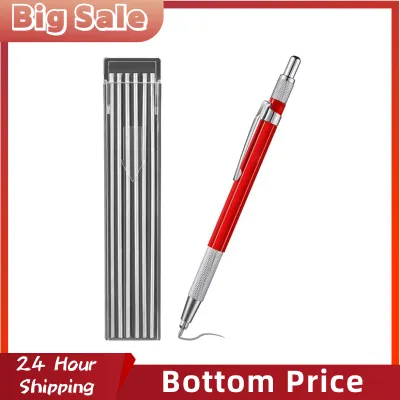
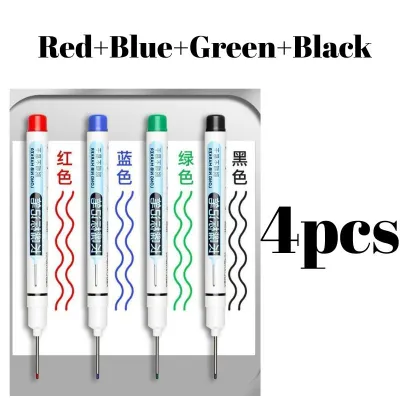
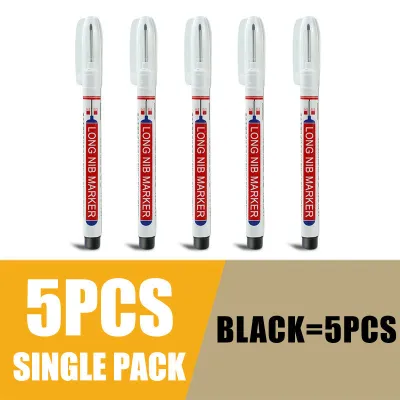
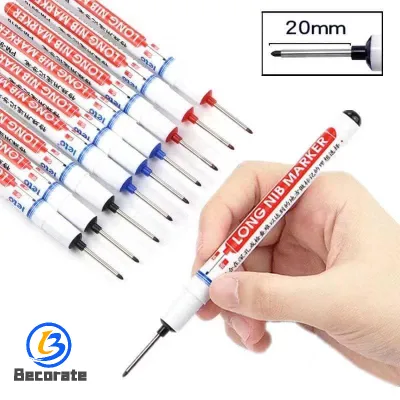
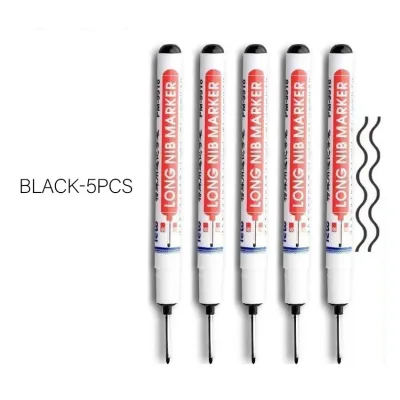
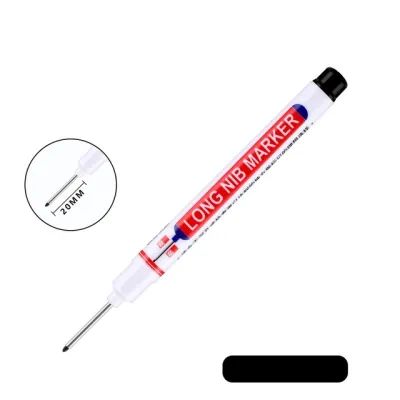
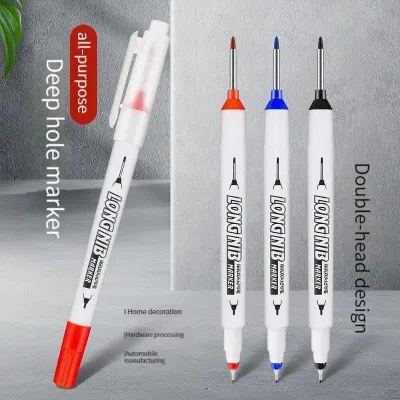
Prices are valid at publication and may change. Please refer to the product page for the latest price.
What to Look for in a Welding Metal Marker
Evaluating the technical specifications of a metal marker ensures it can withstand the demanding conditions of a welding workshop. The first factor to analyze is the ink formulation. Industrial markers generally feature either oil-based or water-based formulas. Oil-based inks offer exceptional adhesion on oily, greasy, or damp metals, making them highly reliable in humid tropical environments where steel plates often collect condensation. Water-based options, while easier to clean and lower in odor, may not adhere as effectively to contaminated surfaces and can wash away if exposed to rain or heavy moisture.

The tip design of the marker directly influences its durability and line quality on rough surfaces. Valve-action mechanisms are highly effective for liquid paint; they utilize a spring-loaded tip that regulates paint flow when pressed down, keeping the internal reservoir sealed against drying out. However, standard felt tips can wear down or shred quickly when used on abrasive surfaces like cast iron or rusted steel. For rougher metals, look for markers equipped with durable acrylic or steel-ball tips that can withstand friction without losing their shape or clogging.
Color contrast and heat survival are paramount when laying out weld lines. The intense light of a welding arc and the dark scale of unpolished steel make standard ink colors difficult to see. High-visibility pigments must maintain their color integrity even after exposure to high temperatures. Silver is particularly popular among welders because it reflects light and remains visible even when the surrounding metal is heated.
Safety and compliance should never be overlooked in an industrial setting. Many permanent industrial markers contain volatile organic compounds (VOCs) that can release strong fumes when applied or heated. It is essential to read the product packaging or Safety Data Sheets (SDS) for flammability warnings and ventilation requirements. This is especially crucial when welding in enclosed spaces, where heating certain ink residues can produce hazardous vapors.
Types of Metal Markers Used in Welding
Understanding the distinct categories of metal markers allows you to select the most efficient tool for your specific workshop conditions.
Liquid Paint Markers Liquid paint markers utilize a valve-action mechanism to deliver a smooth, highly opaque line of liquid paint. These markers are ideal for clean, smooth metal surfaces, such as sheet metal, stainless steel, or aluminum. The liquid paint dries quickly to form a weather-resistant mark that resists fading. Because the paint is fluid, it allows for highly precise, thin lines, which are necessary for detailed layout work and fine tolerance fabrications. However, if the metal is covered in heavy rust, loose scale, or thick grease, the liquid paint may fail to adhere properly, or the tip may become clogged with debris.
Solid Paint Markers Solid paint markers, often referred to as paint crayons, consist of solidified paint in a convenient stick format. These markers do not require shaking or pumping to activate, making them incredibly durable and easy to use. They excel on rough, rusty, oily, or wet surfaces where liquid ink would run or fail to bond. The solid paint shears off onto the surface, leaving a thick, highly visible mark that can even be applied underwater or in extreme tropical heat. The trade-off is that solid paint markers produce wider, less precise lines, making them better suited for general layout, structural steel marking, and material identification rather than high-precision fit-ups.
High-Temperature Specialty Markers For projects involving pre-heating, post-weld heat treatment, or multi-pass welding, standard paint markers may burn off or discolor. High-temperature specialty markers are engineered with specialized pigments and binders designed to survive direct exposure to extreme heat zones. These markers require strict verification of the manufacturer’s technical specifications, as some are rated to survive temperatures up to several hundred degrees Celsius. Using these specialty tools ensures that critical alignment marks and weld symbols remain perfectly legible throughout the entire thermal cycle of the welding process.
How to Prepare Metal Surfaces for Marking
Proper surface preparation is the key to ensuring that your metal marker adheres correctly and remains legible throughout the fabrication process. Even the highest-quality industrial marker can fail if applied to a heavily contaminated surface.
Before marking, use a wire brush, grinding disc, or appropriate workshop solvent to remove heavy mill scale, loose rust, dirt, and moisture from the target area. Removing these contaminants prevents the marker tip from clogging and allows the pigment to bond directly to the base metal. If you are working with oily steel, a quick wipe with a degreasing solvent will significantly improve the adhesion and drying speed of liquid paint markers.
Because ink performance can vary based on the specific alloy and surface texture, always test the marker on a scrap piece of the same material first. This trial allows you to verify the marker’s opacity, drying time, and resistance to smudging under your current workshop conditions. Observe how the paint behaves; if it beads up or runs, the surface may still contain oily residues, or the marker formulation may not be compatible with that specific metal type.
Additionally, pay close attention to how the surface temperature of the metal affects ink flow and curing. In hot, tropical environments, metal stored in direct sunlight can reach high temperatures, causing liquid paint to dry almost instantly upon contact. This rapid drying can lead to clogged tips or uneven paint distribution. Conversely, cold or damp metal can delay drying times, making the mark susceptible to smudging. Always refer to the product instructions for the recommended application temperature range to achieve the best results.
Sourcing and Verifying Metal Markers Locally
Finding reliable, high-quality metal markers in the Philippines involves knowing where to shop and how to verify that the products you purchase are genuine and in good working condition.
Industrial hardware suppliers located in major commercial hubs, specialized welding supply shops, and established online marketplaces are the primary sources for these tools. When purchasing from online platforms, look for authorized distributors or highly rated industrial sellers to ensure you are receiving authentic products. Avoid generic, unbranded markers that lack detailed technical specifications, as they often fail under the heat of a welding torch.
Before finalizing your purchase, inspect the packaging carefully. Look for clear manufacturer specifications, batch numbers, and expiration dates. In hot and humid climates, poorly sealed markers can dry out on the shelf over time. Checking that the seals are intact and that liquid markers rattle freely when shaken (indicating the mixing ball is loose) are simple ways to verify stock quality before taking them to the job site.
When budgeting for your workshop, compare unit prices in ₱ across different suppliers. While specialized high-temperature markers may have a higher initial cost, their durability on rough surfaces often makes them more cost-effective than standard markers that need frequent replacement. For high-volume fabrication shops, purchasing multi-pack options or bulk boxes is generally the most economical choice, reducing the cost per unit while ensuring a steady supply of marking tools for your team.
Frequently Asked Questions (FAQ)
Can regular permanent markers be used on welding metal?
Regular permanent markers designed for office use are generally unsuitable for welding applications. They lack the opacity needed to stand out against dark steel, and their thin, dye-based inks easily burn off or discolor when exposed to the heat of a welding torch. Furthermore, standard permanent marker ink can bleed through subsequent paint coatings or contaminate the weld joint, potentially leading to weld defects. For reliable results, always use specialized industrial paint markers that are formulated to withstand heat and adhere to rough metal surfaces.
How should metal markers be stored to prevent drying out?
To maximize the shelf life of your metal markers, store them horizontally in a cool, dry place away from direct sunlight and extreme workshop temperatures. Always recap the markers tightly immediately after use; leaving a valve-action or solid paint marker uncapped will cause the solvent to evaporate, hardening the tip or drying out the paint stick. If a liquid paint marker tip does dry out, you can often revive it by gently pressing the nib on a scrap piece of wood or cardboard to pump fresh paint into the tip, as recommended by general manufacturer guidelines.
What is the safest way to remove paint marker mistakes from metal?
The safest and most effective way to remove paint marker mistakes depends on the ink formulation and the metal type. For liquid paint markers, standard workshop solvents such as isopropyl alcohol, acetone, or specialized paint thinners can dissolve the dried paint; always apply the solvent to a clean rag and wipe the area, ensuring proper ventilation and wearing appropriate protective gloves. For solid paint marks or stubborn residues, mechanical abrasion using a wire brush, steel wool, or a light abrasive pad is highly effective. Always verify material compatibility on a non-critical area first to avoid scratching polished surfaces.
Community discussion
Share your experience or ask a question. Comments are reviewed before publication.