
The Short Answer: Plastic or Paper for Your Documents?
When organizing small documents, receipts, or cards, choosing between a mini plastic envelope and a traditional paper envelope is not a matter of finding a universal winner. The ideal choice depends entirely on your immediate physical environment, how often you handle the files, and the specific chemical properties of the documents you need to store. Neither material is superior in every scenario, and understanding their distinct characteristics will help you avoid ruined papers and wasted storage space.
A mini plastic envelope excels at providing a robust physical barrier against external elements. If you live in a tropical climate like the Philippines, where high ambient humidity, sudden afternoon downpours, and accidental water bottle spills in a commuter bag are constant risks, plastic offers unmatched protection. These envelopes keep your daily receipts, transit tickets, and small notes dry and intact, even when transported through humid outdoor environments.
Conversely, traditional paper envelopes offer excellent breathability and are generally much safer for long-term archival storage. Paper does not trap ambient moisture, making it highly effective at preventing mold growth in warm climates. Furthermore, acid-free paper options do not release harmful chemical byproducts, making them the preferred choice for preserving sensitive historical documents, old photographs, and delicate paper certificates. The rest of this guide will break down these differences in detail to help you select the perfect filing tool for your specific needs.
Products mentioned in this guide
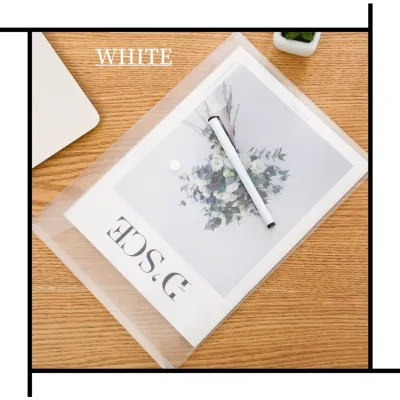
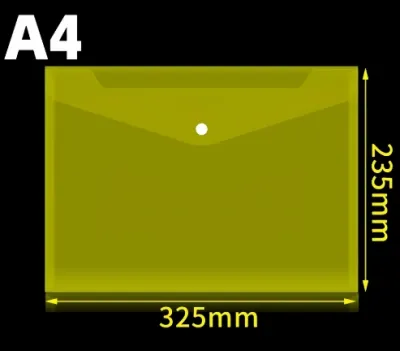
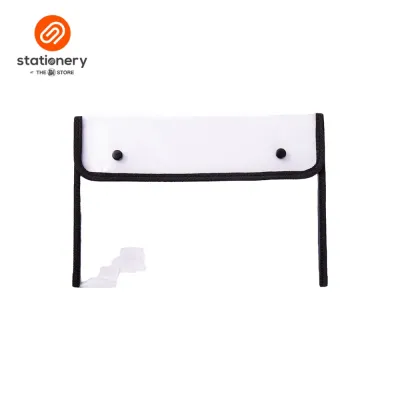
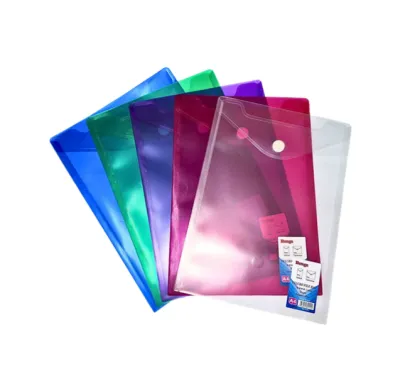
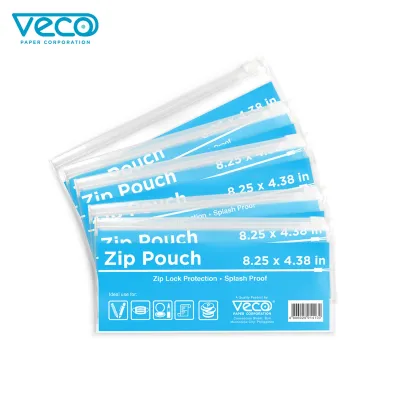
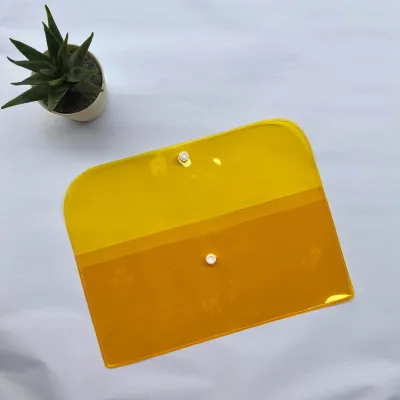
Prices are valid at publication and may change. Please refer to the product page for the latest price.
How the Mini Plastic Envelope Compares to Paper
To make an informed decision, you must evaluate how both materials perform across several practical categories. These include physical durability, organizational efficiency, and chemical safety over long periods.

Durability, Tear Resistance, and Moisture Protection
Plastic envelopes are inherently resilient against physical wear and tear. Most modern plastic filing accessories are made from polypropylene, a flexible polymer that resists tearing even when packed tightly with thick cardstock or multiple receipts. This material is completely waterproof, meaning that rain, humidity, and liquid spills will not penetrate the barrier. In humid regions, this moisture resistance is crucial for preventing paper documents from warping, softening, or developing destructive mildew over time.
Paper envelopes, by contrast, are highly vulnerable to moisture and physical stress. Standard paper can tear easily along the seams if overfilled, and exposure to water will instantly compromise its structural integrity, often ruining the documents inside. However, paper is perfectly adequate for light, indoor desk use where the filing system remains in a dry, air-conditioned room and is not subjected to frequent handling or travel.
When shopping for either option, do not assume all envelopes of the same material perform equally. Always check the product label for material thickness specifications. For plastic, look for the thickness measured in microns or mils; a thicker envelope provides better structural support and seam strength. For paper, check the Grams per Square Meter (GSM) rating. A standard utility envelope is typically 70 to 80 GSM, whereas a premium, heavy-duty kraft paper envelope can exceed 120 GSM, offering significantly better tear resistance for daily office tasks.
Visibility, Organization, and Labeling
One of the greatest advantages of a transparent or translucent plastic envelope is instant visibility. You can easily view the contents of the envelope without needing to unbutton, unseal, or open it. This makes it highly efficient for color-coding and sorting active files, such as monthly utility bills, active warranties, or travel tickets that you need to access quickly throughout the day.
However, labeling plastic can present unique challenges. Because the surface is glossy and non-porous, standard water-based gel pens, rollerballs, and fountain pen inks will smudge or bead up instead of drying. To label a plastic surface directly, you must use an oil-based ballpoint pen or a permanent marker. Alternatively, you can apply self-adhesive paper labels, though some low-quality adhesives may leave a sticky, hard-to-clean residue on the plastic when peeled off later.
Paper envelopes are naturally opaque, which provides excellent privacy for sensitive documents like bank statements, salary slips, or personal letters. Since paper is highly porous, you can write directly on its surface using almost any writing instrument—including pencil, gel pen, or fountain pen—without worrying about ink smudging or failing to dry. The main trade-off is that you must open the envelope or read your external handwritten labels to identify what is stored inside, which can slow down your retrieval process if your filing system is large.
Archival Safety and Document Preservation
For long-term storage, the chemical composition of your filing container is critical. Standard, low-cost plastic envelopes often contain polyvinyl chloride (PVC). Over time, PVC can degrade and release plasticizers and acidic chemicals. This process can cause the ink on your documents to transfer or stick to the plastic walls, and it can turn white paper yellow and brittle. If you must use plastic for long-term storage, always verify that the product packaging specifically states it is “acid-free,” “PVC-free,” or “archival-safe.”
Paper envelopes are highly breathable, which prevents moisture from becoming trapped inside the container. When stored in a warm or humid room, a sealed plastic envelope can act like a miniature greenhouse, trapping ambient moisture and accelerating the growth of mold. Paper allows air to circulate naturally, keeping the interior dry. However, standard wood-pulp paper contains natural lignin, which eventually turns acidic and degrades both the envelope and the documents inside.
To safely preserve valuable certificates, family heirlooms, or vintage photographs, you must use specialized archival-safe paper envelopes. Look for labels indicating the paper is “acid-free” and “lignin-free.” These envelopes are chemically inert and will not react with sensitive inks, silver-halide photographs, or delicate historical papers, ensuring your documents remain preserved for decades.
Which Envelope Should You Choose?
To decide which envelope type best fits your current workflow, evaluate your specific storage conditions and the physical properties of the items you plan to file.
Choose Mini Plastic Envelopes if:
- You operate in a high-humidity environment: If your workspace is subject to tropical humidity, ambient moisture, or lacks continuous air conditioning, plastic will protect your documents from dampness.
- You transport files frequently: If you carry receipts, coupons, or business cards in a backpack, purse, or messenger bag, a plastic envelope will survive friction, bending, and accidental liquid leaks from water bottles.
- You are filing non-paper items: Plastic is excellent for organizing small, thick, or irregular items such as plastic membership cards, keys, USB drives, stickers, and laminated ID badges.
- You prioritize quick visual sorting: If you want to see exactly what is inside each packet at a glance without opening seals, translucent plastic is the ideal medium.
Choose Paper Envelopes if:
- You are archiving sensitive documents long-term: If you need to store birth certificates, land titles, historical letters, or physical photographs for several years, acid-free paper is the safest option.
- You want an eco-friendly option: Paper is biodegradable, highly recyclable, and has a lower environmental impact than synthetic polymers, making it ideal for green office initiatives.
- You need to write detailed notes on the container: If your filing system relies on writing index lists, dates, or detailed descriptions directly on the envelope, paper accepts all types of ink smoothly.
- You require privacy: If you are storing sensitive financial records or personal correspondence, the opaque nature of paper keeps your information hidden from view.
Verify First if:
- You are storing thermal paper receipts: Thermal paper, which is commonly used for point-of-sale receipts and shipping labels, is highly sensitive to heat, light, and chemical plasticizers. Storing these receipts inside plastic envelopes can cause the printed text to fade completely within a few months. Always make a digital scan of important thermal receipts, or store the physical copies in acid-free paper envelopes to preserve the legibility of the ink.
Best Practices for Filing with Mini Envelopes
Regardless of the material you choose, applying consistent organizational habits will extend the life of both your envelopes and the documents stored inside them.
Implementing a color-coding system is an excellent way to streamline your filing. For example, you can purchase multi-packs of colored mini plastic envelopes or colored paper envelopes to categorize your documents by type or urgency. You might use red or pink envelopes for urgent medical receipts, blue for monthly utility bills, and green for business expenses. This visual distinction allows you to locate specific categories in seconds without reading individual labels.
Because mini envelopes are designed for smaller items, they can easily become cluttered. To maintain order, insert small index cards or pieces of thick cardstock inside the envelope to act as dividers. This technique allows you to separate different months, projects, or transaction types within a single envelope. Writing category names on the exposed tabs of these cards makes it easy to flip through your documents.
Avoid the temptation to overstuff your envelopes. Forcing too many papers into a small space puts immense pressure on the seams and closures. In plastic envelopes, overstuffing can cause the heat-welded side seams to split or ruin the snap button closure. In paper envelopes, excessive bulk will tear the corners or cause the adhesive on the flap to fail. If an envelope is difficult to close without bending the contents, split the documents into two separate packets.
Finally, always perform a quick preparation check before placing documents into long-term storage. Remove all metal paperclips, staples, and rubber bands from your papers. In humid climates, metal fasteners will rust quickly, leaving permanent orange stains on your documents and eating away at both paper and plastic envelope interiors. Rubber bands will degrade, melt, and stick to your files, causing irreversible damage. Use acid-free paper dividers or plastic-coated clips if you need to keep pages bundled together.
Frequently Asked Questions (FAQ)
Can I store thermal receipts in mini plastic envelopes?
No, it is not recommended to store thermal receipts in standard mini plastic envelopes for long periods. Thermal paper relies on a heat-sensitive chemical coating to display text. Many common plastics contain chemical plasticizers that react with this coating, causing the printed text to fade, smear, or turn completely black over time. To preserve thermal receipts, you should scan or photograph them to create a digital backup. If you must keep the physical copies, store them in a cool, dry place inside acid-free paper envelopes, which do not contain the reactive chemicals found in synthetic plastics.
What size documents fit inside a mini envelope?
Mini envelopes are designed for documents that are significantly smaller than standard A4 or Letter-sized office paper. They typically correspond to standard stationery sizes such as A6 (approximately 105 x 148 millimeters), A7, DL, or small coin envelope sizes. These dimensions are ideal for holding folded receipts, business cards, passports, stamps, cash, and small index cards. Before purchasing, always measure the largest document you plan to file and compare it against the exact interior dimensions listed on the product packaging, keeping in mind that thick items will require extra clearance along the sides.
Community discussion
Share your experience or ask a question. Comments are reviewed before publication.