
Preparing for a major standardized exam in the Philippines—whether it is the Professional Regulation Commission (PRC) licensure board, the National Medical Admission Test (NMAT), the Civil Service Exam, or university entrance tests like the UPCAT—requires meticulous preparation. Among the most critical tools in your exam kit is the humble pencil. For decades, the Monggol #2 pencil has been a staple in Filipino classrooms and testing centers. But is it truly suitable for modern optical mark recognition (OMR) scanning systems?
The short answer is yes. Monggol #2 pencils are widely accepted and highly suitable for standardized tests in the Philippines, provided they are genuine and used correctly. Because OMR scanners rely on specific light-absorption properties of graphite, the medium-dark #2 grade (equivalent to HB) is the standard requirement. However, ensuring your marks are read correctly involves understanding official exam guidelines, verifying your pencil’s authenticity, and preparing your writing tools to withstand the high-pressure environment of the testing room.
Official Pencil Requirements for Philippine Standardized Tests
Standardized examinations in the Philippines utilize automated optical mark recognition (OMR) machines to grade answer sheets rapidly and accurately. These scanners work by projecting light onto the answer sheet and measuring the amount of light reflected back. Dark, filled-in bubbles absorb the light, registering as a response. To ensure this system works flawlessly, exam authorities mandate specific graphite grades, typically specifying “No. 2” or “HB” pencils.
Products mentioned in this guide
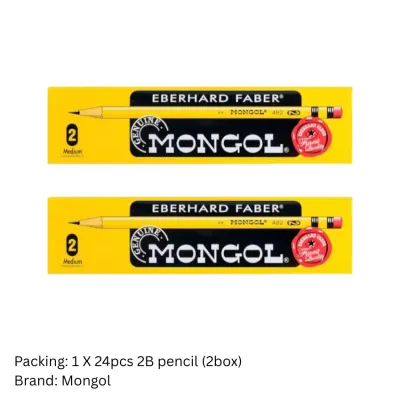
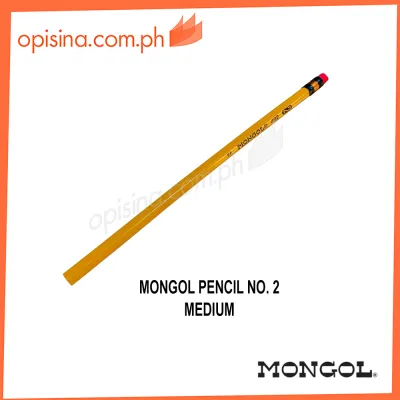
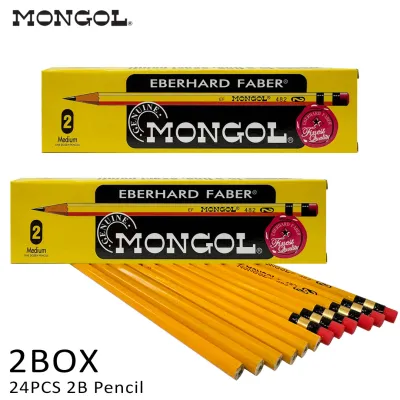
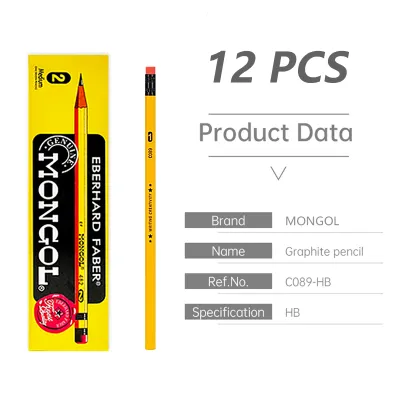
Prices are valid at publication and may change. Please refer to the product page for the latest price.
A No. 2 pencil strikes the ideal balance for OMR sheets. The lead is soft enough to leave a dark, opaque mark with moderate hand pressure, yet hard enough to resist excessive smudging and keep its point during extended writing sessions. Harder pencils, such as No. 3 or H grades, leave marks that are too light for the scanner to detect. Conversely, softer pencils like 2B or 4B can smudge easily across the page, potentially triggering false readings or scanning errors.
Most Philippine testing agencies strictly prefer traditional wood-cased pencils over mechanical alternatives. Wood-cased pencils are structurally robust and less prone to sudden lead breakage under stress. Furthermore, colored leads, gel pens, and erasable ink pens are universally prohibited on answer sheets because their chemical compositions do not absorb the scanner’s light in the same manner as standard graphite.
To ensure absolute compliance, always locate and review the official examinee guidelines for your specific test. For instance, the PRC regularly publishes “Instructions to Examinees” alongside room assignments, explicitly stating the required pencil grade. Similarly, the Center for Educational Measurement (CEM) for the NMAT and university admission offices for the UPCAT provide detailed checklists. Checking these official portals a few weeks before your exam date prevents last-minute surprises at the testing center gate.
Evaluating Monggol #2 Pencils for Scantron Readability
While Monggol #2 pencils are a household name, you must evaluate their performance to ensure they meet the rigorous demands of a high-stakes exam. The first factor to assess is graphite darkness and opacity. A genuine No. 2 pencil should produce a deep, matte grey-to-black mark when you fill a bubble. If the mark appears shiny, grey, or faint even with firm pressure, the scanner might misread the bubble as blank.

Tropical humidity in Philippine testing centers can soften paper fibers, making sheets more susceptible to smudging. When evaluating your pencil, observe how the graphite behaves when you rub your hand or an eraser across it. High-quality graphite should adhere well to the paper fibers without leaving a dark trail of dust. If the graphite smears easily, it can create dark streaks on the OMR sheet, which the optical scanner might interpret as an intended mark.
Lead breakage and sharpening consistency are equally vital. A poorly centered graphite core or brittle wood casing can lead to constant breakage during sharpening, wasting precious exam minutes. Examine the tip of your sharpened pencil; the graphite core should be perfectly centered within the wood. The wood should shave away smoothly without splintering, leaving a sturdy, supportive collar around the lead.
Before exam day, conduct a simple verification test. Print a sample OMR bubble sheet on standard copy paper. Practice filling in the circles using your Monggol #2 pencil, paying attention to how quickly and cleanly you can shade the area. Erase a few filled bubbles completely to check if the paper returns to a clean, white state. If the pencil leaves a stubborn ghost image or tears the paper, you may need to adjust your writing pressure or pair the pencil with a different eraser.
Practical Exam Day Checklist and Backup Strategy
Success on exam day relies on eliminating unnecessary friction, and a structured writing tool strategy is a key part of that preparation. Never head to the testing center with just one or two pencils. Plan to bring at least three to four pre-sharpened Monggol #2 pencils. This ensures you can immediately switch to a fresh tool if a lead snaps, bypassing the need to use a sharpener during a timed section.
When sharpening your pencils, avoid creating an ultra-sharp, needle-like point. A needle point is fragile and highly likely to snap on the first stroke. Instead, aim for a slightly rounded, blunt tip. A blunt tip covers more surface area, allowing you to fill the OMR bubbles quickly and smoothly with fewer strokes, while reducing the risk of puncturing the thin paper sheet.
Your choice of eraser is just as important as your pencil. While Monggol pencils feature a classic pink eraser secured by a metal ferrule, these built-in erasers can harden over time, especially when exposed to warm, humid tropical climates. A hardened eraser is prone to smudging graphite or tearing the delicate OMR paper. Instead, pack a separate, high-quality, non-abrasive polymer or plastic eraser. These erasers lift graphite cleanly from the page with minimal friction.
Finally, establish a reliable backup strategy. Alongside your primary Monggol pencils, include an alternative trusted No. 2 or HB wood-cased pencil brand in your kit. If the exam guidelines explicitly permit mechanical pencils, you may include one with 0.5mm or 0.7mm HB lead as a backup for the written or scratch-paper portions of the exam, while keeping your wood-cased pencils dedicated solely to the bubble sheet.
Frequently Asked Questions (FAQ)
Can I use mechanical pencils instead of wood-cased pencils?
Most Philippine exam boards, including the PRC, strongly discourage or outright ban mechanical pencils for shading OMR sheets. The thin leads of mechanical pencils (typically 0.5mm or 0.7mm) can easily puncture or tear the thin paper of an answer sheet under exam stress. Additionally, fine mechanical leads require significantly more strokes to fill a bubble completely, which wastes time. Always consult your specific exam’s rules; if mechanical pencils are allowed, they should only be used with HB or No. 2 lead refills, and preferably reserved for scratch-paper calculations rather than the primary answer sheet.
What should I do if the pencil lead keeps breaking during the exam?
If you experience repeated lead breakage during the exam, first check your writing pressure. High-stress environments often cause examinees to grip and press down much harder than usual. Lighten your hand pressure slightly; a genuine No. 2 pencil does not require heavy force to leave a readable mark. If the lead continues to break, it may indicate a fractured internal core caused by dropping the pencil. Do not waste time trying to repeatedly sharpen a damaged pencil; immediately set it aside and switch to one of your pre-sharpened backup pencils to keep your focus on the test questions.
Community discussion
Share your experience or ask a question. Comments are reviewed before publication.