
Quick Answer: Is Mongol 2 the Smoothest #2 Pencil for Board Exams?
For decades, the Mongol 2 has been the definitive standard for board exams in the Philippines. It is highly accessible, budget-friendly, and consistently dark enough to satisfy optical mark recognition (OMR) scanners. However, “smoothness” is a subjective quality that depends heavily on your writing pressure, the texture of the exam paper, and local environmental conditions.
While the Mongol 2 is highly reliable for producing dark, legible marks on OMR sheets, it is not necessarily the smoothest pencil on the market. It offers a slightly tactile, scratchy feedback that some examinees find helpful for control, but others may find it causes hand fatigue during a grueling, multi-hour exam. Furthermore, its soft graphite formulation is prone to smudging, particularly in high-humidity testing centers where hands easily sweat.
Ultimately, the Mongol 2 remains an excellent, safe choice for exam day, but premium international alternatives may offer a more effortless, buttery glide. The best pencil for your board exam is the one you have personally tested and calibrated to your own writing hand on a realistic practice answer sheet.
Products mentioned in this guide
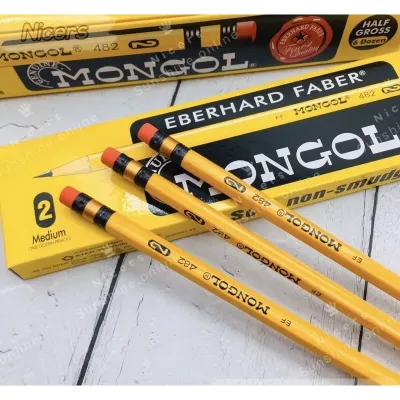
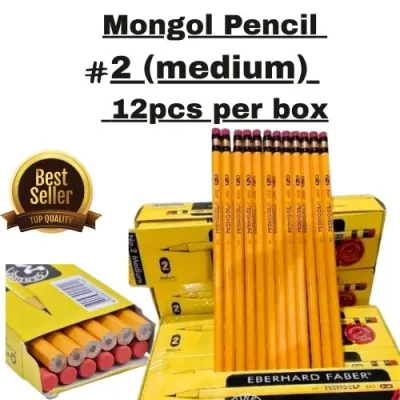
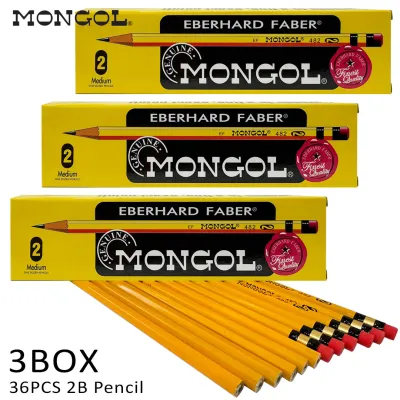
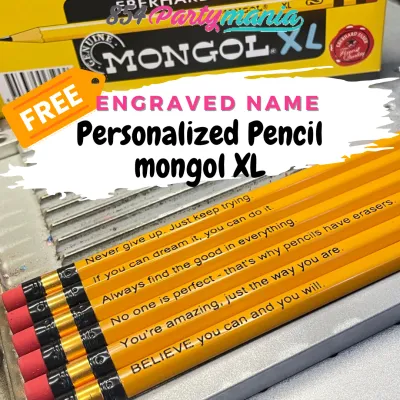
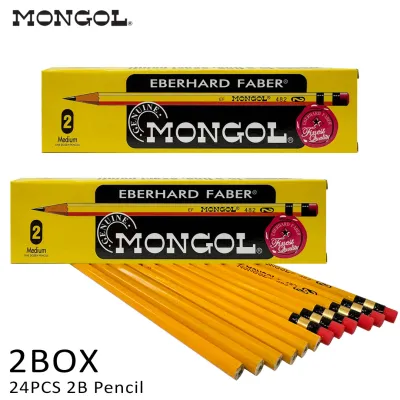
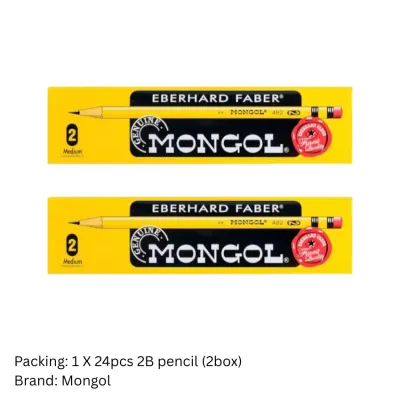
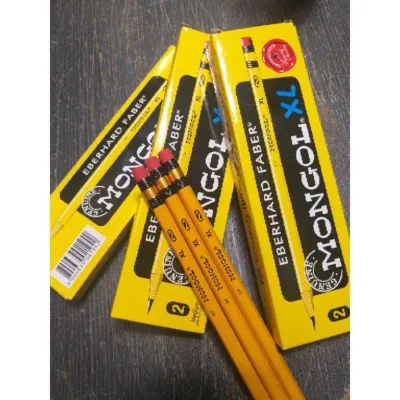
Prices are valid at publication and may change. Please refer to the product page for the latest price.
What Makes a Pencil "Smooth" on Exam Answer Sheets?
To understand why different pencils feel distinct during an exam, you must look at the physical mechanics of graphite on paper. Shading hundreds of tiny bubbles on an OMR answer sheet requires repetitive, precise motions that can quickly fatigue your fingers, hand, and wrist. The sensation of smoothness is determined by how the pencil core interacts with the paper fibers under downward pressure.

Graphite Formulation and Hardness
A pencil core is not made of pure lead; it is a baked mixture of graphite and clay. The ratio between these two ingredients determines the pencil’s hardness and darkness. The #2 grade, which is equivalent to the European HB grade, represents a carefully balanced middle ground designed to write dark enough for machines to read while remaining hard enough to resist breaking under normal pressure.
Smoother pencils typically use highly refined, micro-pulverized graphite with fewer impurities. When the graphite particles are exceptionally fine, they slide over the paper fibers with minimal friction. Cheaper or poorly formulated cores often contain larger clay particles or unevenly mixed binders, which create microscopic snags and produce a rough, scratchy sensation as you write.
Smudge Resistance and Erasability
There is an inherent physical trade-off between writing smoothness and smudge resistance. Softer graphite mixtures glide effortlessly and lay down a thick, dark layer of carbon with very little downward force. However, because this carbon sits loosely on top of the paper fibers, it is easily smeared by a sliding hand or a passing eraser.
In the tropical, humid climate of the Philippines, paper absorbs ambient moisture rapidly. This dampness softens the paper fibers and makes the graphite deposit more vulnerable to smudging. If you smudge your answer sheet, the OMR scanner may misread the stray marks as double answers, leading to costly point deductions. A truly exam-ready pencil must strike a balance: it must glide smoothly without leaving behind an excessive amount of loose, smear-prone dust.
Wood Casing and Lead Centering
The external construction of the pencil plays a quiet but critical role in your writing experience. High-quality pencils use straight-grained woods, such as incense cedar, which cut cleanly and evenly when sharpened. If the wood is brittle or prone to splintering, it can unevenly expose the graphite core, leaving it unsupported on one side.
Furthermore, the graphite core must be perfectly centered within the wood casing. If the lead is off-center, the wooden collar of the pencil will scrape against the paper at certain writing angles, introducing sudden friction and potentially tearing the delicate OMR sheet. A centered, well-bonded core ensures that only the smooth graphite makes contact with your exam paper.
Mongol 2 Pencil: Performance and Exam Suitability
The Mongol 2 is deeply woven into the academic culture of the Philippines, often recommended by review centers and school instructors alike. Understanding its specific performance characteristics will help you decide if it matches your personal writing style.
Graphite Output
The Mongol 2 excels at delivering a rich, dark mark with very little effort. The core is formulated to deposit a generous amount of graphite on the paper, which is exactly what OMR scanners need to register a filled bubble. You do not need to press down excessively hard to achieve the deep black mark required by the Professional Regulation Commission (PRC) grading machines, saving you valuable time during the exam.
Writing Feel
When it comes to tactile sensation, the Mongol 2 is known for providing moderate feedback. It is not a completely frictionless glide; you will feel a slight “tooth” or scratchiness as you move across the paper. Many examinees actually prefer this feedback because it prevents the pencil from sliding out of control, allowing for precise shading within the borders of small OMR bubbles.
Smudging Factor
Because the Mongol 2 deposits a thick layer of graphite, it is highly susceptible to smudging. If you tend to rest the side of your hand on the answer sheet as you write, or if your hands sweat in a warm, non-airconditioned testing room, you must be exceptionally careful. The loose graphite can easily transfer across the page, requiring you to use a clean sheet of scratch paper under your hand as a protective barrier.
Availability
One of the greatest advantages of the Mongol 2 is its absolute ubiquity. You can find it in almost every local stationery shop, major bookstore, and school canteen across the Philippines. This makes it incredibly easy to buy in bulk for your review months, ensuring you practice with the exact same tool you will use on the actual exam day.
How Other Popular #2 Pencils Compare in Smoothness
To find the best tool for your hand, it is helpful to compare the Mongol 2 against other categories of #2 and HB pencils available in local markets.
Premium International Brands
Premium brands from Germany and Japan, such as Faber-Castell (like the Goldfaber or Castell 9000 HB), Staedtler (like the Noris or Mars Lumograph), and Tombow (such as the Mono series), offer a distinctly different writing experience. These manufacturers use highly refined clay-and-graphite mixtures and advanced bonding technologies to secure the lead to the wood casing.
Writing with a premium international pencil often feels like sliding on butter. The friction is significantly reduced, which can dramatically lower hand fatigue during a four-hour exam session. Additionally, these pencils tend to have superior break resistance and cleaner erasability. While they cost more per piece than a standard pencil, the investment can be worth it for the physical comfort they provide during high-stakes testing.
Other Local or Budget-Friendly Brands
There are numerous budget-friendly and generic #2 pencils available in local Philippine stores. While these options are highly economical, their quality control can vary significantly from batch to batch. You may find that some pencils in a cheap pack write smoothly, while others contain hard clay pockets that scratch the paper and refuse to leave a dark mark.
Furthermore, budget brands often use cheaper wood casings and less secure adhesive bonds. This can lead to off-center leads that break repeatedly during sharpening, wasting your precious exam time and causing unnecessary stress. If you choose a budget alternative, it is vital to test every single pencil in the pack well before exam day.
Head-to-Head Comparison: Mongol 2 vs. Other #2 Pencils
The following table summarizes the general performance tendencies of the Mongol 2 compared to premium international brands and other budget-friendly options.
| Feature | Mongol 2 | Premium #2 Pencils | Other Budget #2 Pencils |
|---|---|---|---|
| Graphite Darkness | High | Medium to High | Variable |
| Writing Smoothness (Friction) | Medium (Tactile feedback) | High (Buttery, low friction) | Low to Medium |
| Smudge Resistance | Medium-Low | High | Variable |
| Break Resistance | Medium | High | Low to Medium |
| Erasability | Medium | High | Low to Medium |
| Typical Price Point | Budget (Under ₱15/pc) | Premium (₱20 to ₱60+/pc) | Ultra-Budget (Under ₱10/pc) |
Note: These ratings represent general brand tendencies. Because paper textures, ambient humidity, and individual writing pressure vary widely across different testing centers, you must verify these characteristics yourself by performing a personal swatch test on your practice sheets.
How to Choose the Right Pencil for Your Exam Day
Selecting the perfect pencil requires balancing your personal writing habits with the physical demands of the exam. Use this decision framework to guide your final purchase:
- Choose Mongol 2 if: You want a guaranteed dark mark with minimal shading strokes, prefer a tactile pencil that does not slide too quickly, are working within a strict budget, and are willing to use a guard sheet under your hand to prevent smudging.
- Choose Premium #2 Pencils if: You suffer from hand fatigue or cramps during long writing sessions, prefer a buttery-smooth glide, write with a heavy hand and need maximum break resistance, and want a cleaner, highly smudge-resistant answer sheet.
- Verify first if: You are unsure about the paper quality of the official OMR answer sheets provided at your testing center. Buy one Mongol 2 and one premium alternative, print a realistic practice OMR sheet, and spend an afternoon shading bubbles with both to see which feels more comfortable and erases cleaner.
Practical Tips for Preparing Your Pencils for Board Exams
Once you have selected your preferred pencil, proper preparation is key to ensuring a smooth, stress-free exam day.
Sharpening Strategy
Do not rely on cheap plastic pocket sharpeners, which can chew through wood and snap the graphite core. Instead, use a high-quality manual sharpener with a helical blade to prepare 5 to 10 pencils the night before the exam. Avoid sharpening them to an ultra-sharp, needle-like point; a slightly rounded, blunt tip is actually better for shading bubbles quickly and is far less likely to snap on your first few strokes.
The Swatch Test
Before entering the testing room, conduct a quick swatch test on a piece of practice paper. Shade a few bubbles completely, then run the side of your finger over them to see how much graphite transfers. Next, attempt to erase a fully shaded bubble. If the pencil leaves a dark “ghost” mark or smudges gray residue across the page, you will know to exercise extreme caution when making corrections during the actual exam.
Eraser Pairing
The pink eraser on the end of a standard pencil is rarely sufficient for the flawless corrections required by OMR scanners; they often dry out, harden, and leave pink streaks on the paper. Always pair your exam pencils with a dedicated, high-quality, non-abrasive block eraser. A professional dust-free eraser will lift the graphite cleanly off the paper fibers without tearing the sheet, ensuring your corrected answers are read accurately by the grading machine.

Community discussion
Share your experience or ask a question. Comments are reviewed before publication.