
Finding the smoothest writing experience with a Mongol pencil depends on matching the graphite grade and barrel shape to your writing pressure and paper type. While many writers associate the softer, darker Mongol 2 (2B) with a gliding, low-friction feel, others find that the firmer Mongol 1 (HB) offers better control and cleaner lines on standard notebook paper. The ideal choice is not a single universal winner, but rather a balance between the graphite’s hardness, your hand’s natural grip, and the local paper textures commonly used in classrooms and offices.
By understanding how these physical characteristics interact with your personal writing style, you can select a pencil that minimizes hand fatigue and keeps your work looking neat. Whether you are preparing for long exams, sketching quick drafts, or taking daily office notes, choosing the right variant ensures a consistent and comfortable flow of graphite across the page.
Understanding Mongol Pencil Grades and Shapes
To find your ideal writing tool, it helps to understand the relationship between graphite composition and the physical structure of the pencil. The core of a wooden pencil is a carefully calibrated mixture of graphite and clay. The ratio of these two materials determines where the pencil falls on the hardness scale, which directly influences how dark the line is and how much friction you feel when writing.
Products mentioned in this guide
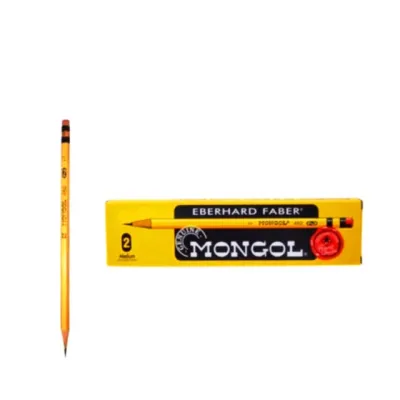
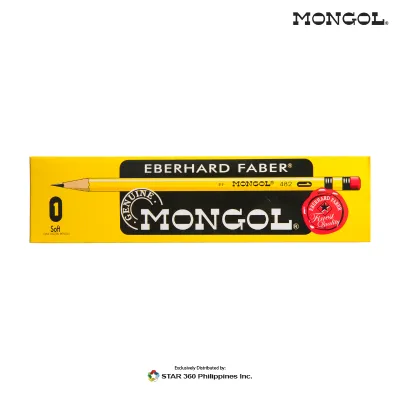
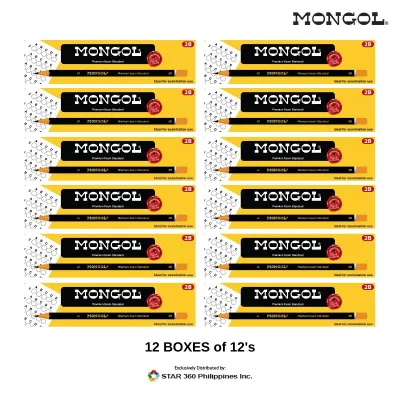
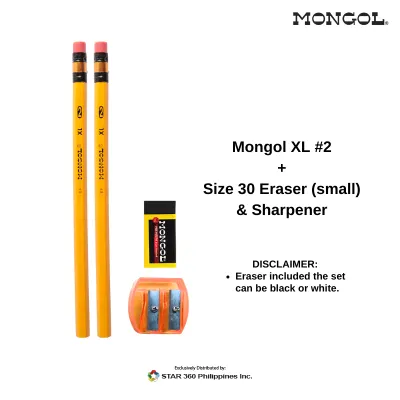
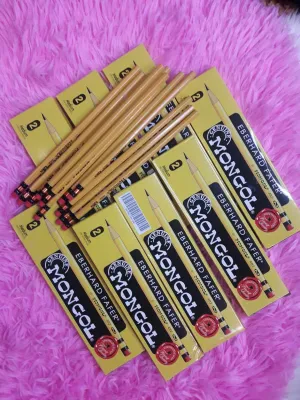
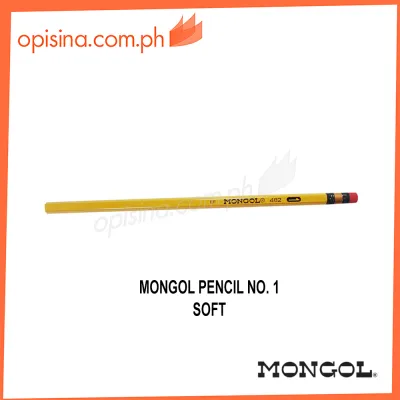
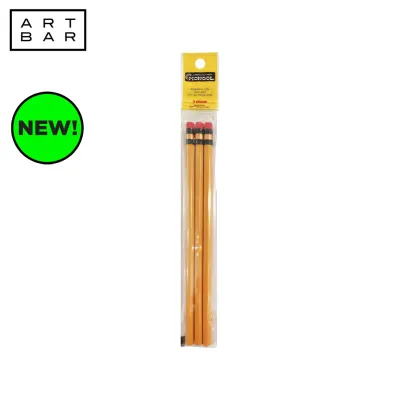
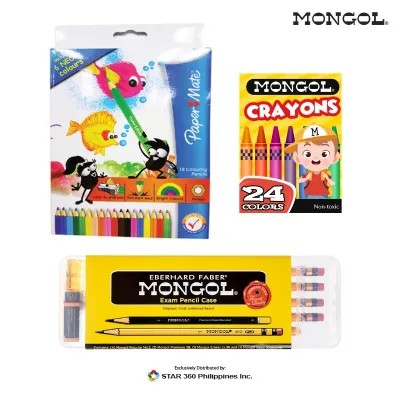
Prices are valid at publication and may change. Please refer to the product page for the latest price.
Graphite is a naturally slick, soft mineral that leaves a dark mark with minimal pressure. Clay acts as a binding agent that hardens the core, allowing the pencil to hold a sharp point for longer while producing a lighter line. Pencils with a higher graphite content are softer and glide effortlessly, but they wear down quickly and smudge easily. Conversely, cores with more clay are harder and highly durable, but they can feel scratchy if used on rough paper.
Beyond the internal core, the external shape of the wooden barrel plays a significant role in your overall writing comfort. The most common designs are hexagonal and triangular. Each shape alters how your fingers distribute pressure, affecting how quickly your hand tires during long writing sessions. Smoothness is not just a property of the graphite itself; it is a subjective experience shaped by the interaction of the pencil core, the texture of your paper, and the ergonomics of your grip.
Comparing the Core Variants for Everyday Writing
Selecting the right Mongol variant requires looking at how the different grades and shapes perform under real-world conditions. Different tasks demand different balances of darkness, point retention, and physical support.

Mongol 1 (HB) vs. Mongol 2 (2B)
The choice between Mongol 1 and Mongol 2 is primarily a choice between structural durability and effortless gliding. Mongol 1, which corresponds to the standard HB grade, features a balanced core that offers moderate darkness with excellent point retention. Because the lead is firmer, it resists crumbling under heavy pressure and produces clean, crisp lines that are highly resistant to smudging. This makes it an exceptional choice for general note-taking, ledger work, and situations where keeping the page pristine is a priority.
Mongol 2, corresponding to the softer 2B grade, contains a higher proportion of graphite. This allows it to lay down a rich, dark line with almost no downward pressure, giving it a characteristic “buttery” feel that many writers prefer for creative drafting or quick journaling. However, this softness means the point dulls much faster, requiring more frequent sharpening. The darker graphite is also more prone to smudging, particularly in warm, humid environments where hands may sweat or rest heavily on the paper.
The type of paper you use also dictates how these two grades behave. On standard, slightly textured notebook paper or yellow pad paper, the firmer Mongol 1 provides excellent feedback and clean lines without digging into the sheet. On smoother surfaces, such as premium copy paper, the softer Mongol 2 excels because its rich graphite core can glide across the page without slipping or skipping, offering a highly satisfying and dark writing line.
Barrel Shapes and Grip Ergonomics
The physical shape of the pencil barrel is just as important as the graphite grade when it comes to preventing hand strain. The classic hexagonal barrel is the traditional standard for a reason. Its flat sides provide clear tactile feedback, helping you maintain a consistent grip angle while preventing the pencil from rolling off slanted school desks or office tables. This shape fits easily into standard sharpeners and pencil cases, making it highly practical for daily carry.
Triangular barrels offer a more modern, ergonomic approach to writing comfort. The three flat sides naturally guide your thumb, index, and middle fingers into a proper tripod grip. This natural alignment reduces the amount of pinching force required to hold the pencil, which can significantly alleviate hand fatigue during long writing sessions. It is an excellent option for younger students who are still developing their writing posture, as well as adults who experience cramping during extended tasks.
When choosing between these shapes, consider your hand size and writing habits. Writers with larger hands or those who tend to grip their pencils too tightly often find that the broader, supportive flat surfaces of a triangular barrel offer immediate relief. Those who prefer a lighter, more agile touch or frequently rotate their pencil to find a sharp edge may find the traditional hexagonal shape more versatile and intuitive.
How to Test and Choose the Right Variant for You
Because writing feel is highly subjective, the best way to find your perfect match is to conduct a simple, structured test using your own stationery and natural writing style.
First, perform a practical “write test” on the exact paper you use most frequently, whether that is a standard school notebook, a yellow pad, or smooth printer paper. Write a few sentences at your normal writing speed using both Mongol 1 and Mongol 2. Pay close attention to the resistance you feel. If the pencil feels like it is dragging or scratching against the paper fibers, the core is likely too hard for your style, and you should opt for a softer grade. If the line looks fuzzy or the point flattens out after only a few words, the core is too soft, and a firmer grade will serve you better.
Next, evaluate your natural writing pressure. If you tend to press down heavily on the page, a softer pencil like Mongol 2 will wear down incredibly fast and leave thick, messy lines that are prone to smearing. Heavy-handed writers are generally more comfortable with the structural integrity of Mongol 1. If you have a light touch, however, Mongol 1 may produce lines that are too faint to read easily, making the dark, responsive core of Mongol 2 the superior choice for effortless legibility.
If you are left-handed or tend to rest the side of your hand on the paper as you write, a smudge check is essential. Write a line of text and immediately run your pinky finger across it. If the graphite smears across the page, the softer Mongol 2 may cause frustration and messy work, making the cleaner-writing Mongol 1 a more practical daily companion. Finally, observe how often you need to sharpen each pencil and whether the lead breaks under your normal pressure, as these are clear indicators of whether a variant matches your writing habits.
Practical Tips for Maintaining Pencil Performance
Once you have chosen the variant that feels best, proper maintenance will ensure that your pencils write smoothly and last as long as possible.
The way you sharpen your pencil directly impacts both the smoothness of your writing and the lifespan of the graphite core. Always use a sharpener with a sharp, clean blade. Dull blades do not cut the wood cleanly; instead, they tear the casing and apply uneven lateral pressure to the graphite, which can cause the core to fracture internally. When sharpening, hold the pencil straight and rotate it with steady, even pressure to ensure the point remains perfectly centered.
Protecting your pencils from physical shocks is also crucial for maintaining a smooth writing experience. Dropping a wooden pencil onto a hard floor can shatter the fragile graphite core inside the wood casing. When this happens, the lead will repeatedly fall out or break off during sharpening, even if you are using a brand-new sharpener. To prevent this, store your pencils point-up in a sturdy cup on your desk, or keep them secured in a padded pencil case when carrying them in a bag.
Finally, pairing your pencil with the right eraser is key to keeping your pages clean and intact. Soft, non-abrasive vinyl or plastic erasers are highly recommended, especially when working with the darker, oilier graphite of Mongol 2. Hard, cheap rubber erasers can easily smudge the dark graphite further into the paper fibers or tear the delicate surface of the page. A clean, gentle erasing action ensures that your writing surface remains smooth and ready for your next notes.
Frequently Asked Questions (FAQ)
Does a higher price guarantee a smoother writing experience?
A higher price typically reflects better wood quality, higher graphite purity, and more consistent manufacturing standards, but it does not automatically guarantee a smoother feel for every writer. Because smoothness is highly dependent on your personal writing pressure and the texture of your paper, a standard, affordable pencil can often feel much smoother to a light-handed writer than a premium, hard-grade pencil. Finding the right match for your specific writing habits is always more important than the price tag.
How often should I sharpen my pencil for the best feel?
The ideal sharpening frequency depends on your personal preference for line width and the graphite grade you are using. Softer leads like Mongol 2 dull quickly and require more frequent sharpening to maintain a precise point, as a rounded tip glides more easily across paper fibers and is much less likely to tear the page or snap under pressure.
Community discussion
Share your experience or ask a question. Comments are reviewed before publication.