
Choosing the right desk calendar is more than a matter of aesthetic preference; it directly shapes how you organize your thoughts, manage your time, and capture critical ideas. A calendar for desk with notes serves as a physical anchor for your daily workflow, keeping your schedule visible without the digital distractions of notifications and tabs. Finding the perfect balance between structured date grids and open writing space is the key to maintaining an efficient, stress-free workspace.
To identify your ideal layout, consider how you naturally process time and tasks. If you prefer a bird’s-eye view of deadlines and events, a monthly overview provides the macro-perspective you need. If your work revolves around weekly deliverables and balanced task lists, a weekly spread offers a functional middle ground. For those managing packed hourly schedules and high-volume notes, a daily page layout provides the necessary canvas. Asking yourself whether you plan by the month, the week, or the hour will immediately point you toward the most effective format.
Assess Your Planning Habits and Note-Taking Needs
Before committing to a specific desk calendar format, it is essential to analyze your daily workflow and note-taking habits. Planning styles generally fall into three categories: long-term tracking, weekly task management, or granular daily scheduling. If you find yourself constantly looking ahead to coordinate future project phases, your mind naturally aligns with a macro-level planning frequency. Conversely, if you operate on a day-to-day basis, reacting to immediate tasks and hourly meetings, a micro-focused layout will better support your cognitive load.
Products mentioned in this guide
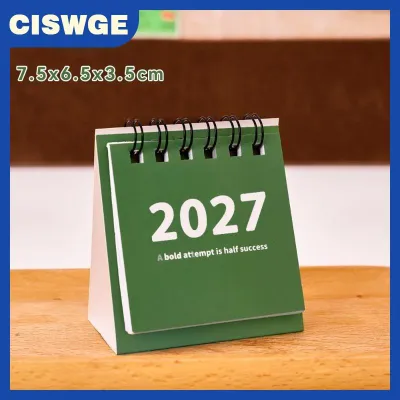
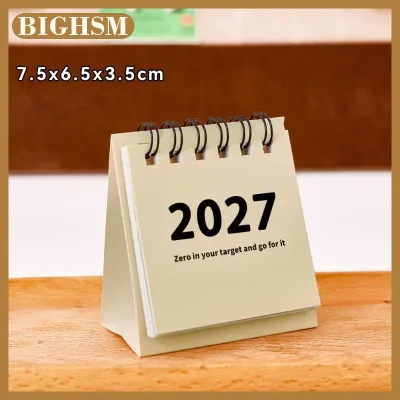
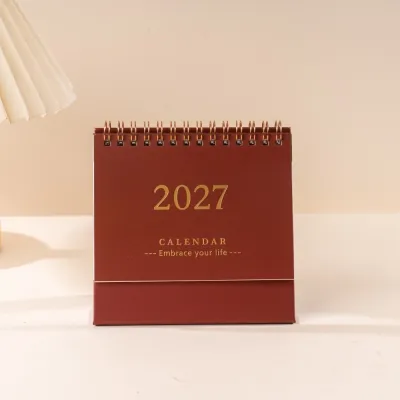

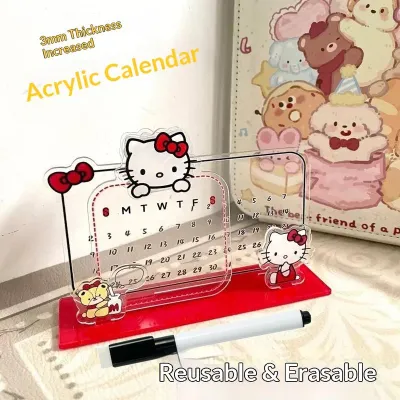
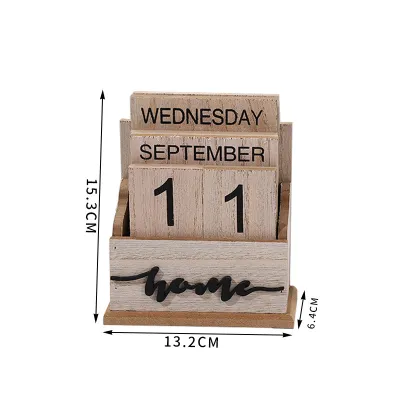
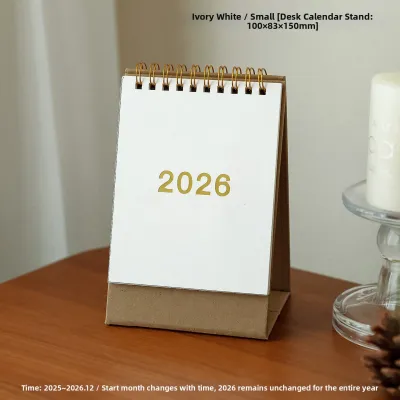
Prices are valid at publication and may change. Please refer to the product page for the latest price.
The volume and type of notes you take also dictate the amount of writing space you require. Brief reminders, quick phone numbers, and simple codes fit easily into small margins or compact grid boxes. However, if you regularly jot down detailed meeting minutes, project action steps, or creative brain dumps, you will quickly outgrow a standard calendar grid. Matching your typical writing volume to the layout prevents the frustration of cramped, illegible handwriting.
Physical desk space is another critical constraint that is often overlooked. A massive desk blotter calendar offers expansive writing room but requires a large, clear surface area to remain functional. In tropical climates like the Philippines, high humidity can also affect paper behavior, causing thin, unprotected sheets to warp or curl over time if left exposed on a desk. If your workspace is compact or shared, a smaller tent-style calendar or a weekly stand-up planner may be more practical than a full-sized desk pad.
Monthly Desk Calendars: Best for High-Level Tracking
Monthly desk calendars are designed for individuals who need to maintain a broad perspective on their schedule. The classic grid structure displays an entire month across a single sheet, allowing you to see the relationship between weeks at a glance. Most high-quality monthly planners feature dedicated sidebars or bottom margins specifically designated for monthly goals, habit trackers, and general notes. This layout keeps your primary objectives visible throughout the month, serving as a constant visual reminder of your progress.

This format is highly suited for project managers tracking long-term milestones, educators planning curriculum units, and families coordinating shared schedules. It excels at highlighting birthdays, travel dates, major deadlines, and recurring events. By keeping the details minimal, a monthly calendar helps you avoid getting bogged down in daily minutiae, allowing you to focus on overall time allocation and pacing.
The primary limitation of a monthly desk calendar is the restricted space within individual date boxes. A standard grid box rarely provides enough room for more than two or three brief entries. Attempting to write detailed daily to-do lists or hourly schedules in these small squares quickly leads to visual clutter, making the calendar difficult to read. If your daily routine requires step-by-step task tracking, a monthly layout is best used as a secondary reference alongside a more detailed planning tool.
Weekly Desk Calendars: Ideal for Balanced Task Management
Weekly desk calendars offer a practical compromise, bridging the gap between high-level monthly overviews and highly detailed daily pages. These layouts typically present seven days across a two-page spread or a single wide sheet, giving you a clear view of your upcoming week. Weekly planners generally come in two main configurations: horizontal layouts, which offer wide blocks for open-ended writing, and vertical layouts, which divide each day into columns often marked with hourly intervals.
The note-taking capacity of a weekly calendar is highly versatile. Many designs feature a split layout, dedicating one half of the spread to the weekly schedule and the other half to a lined notes page or a structured checklist. This setup allows you to keep your weekly deliverables, shopping lists, and meeting notes directly alongside your daily schedule. It provides a cohesive workspace where tasks and time slots exist in harmony.
This layout is highly recommended for professionals managing multiple ongoing projects, freelancers balancing client deadlines, and students tracking weekly assignments. It allows you to distribute your workload evenly across the week, preventing the common mistake of overcommitting on a single day. The weekly view makes it easy to spot open time blocks where you can schedule deep-work sessions or catch up on administrative tasks.
However, weekly calendars do require some trade-offs. You lose the immediate, long-term visibility of the monthly view, requiring you to flip pages to see what lies ahead in the coming weeks. At the same time, if you have an exceptionally busy day with dozens of tasks and meetings, the weekly block may still feel slightly restrictive compared to a dedicated daily page.
Daily Desk Calendars: Perfect for Detailed Scheduling and Heavy Notes
Daily desk calendars are built for those who require maximum detail and extensive writing space. By dedicating an entire page to a single day, these calendars eliminate the need to compromise on what you write down. They typically feature a structured hourly timeline on one side of the page and a generous, open-ended notes section or to-do list on the other, allowing you to document your day in real time.
This format is highly suited for busy executives, administrative assistants, medical professionals, and anyone managing back-to-back appointments. It is also an excellent tool for heavy note-takers who use their planner for daily journaling, meeting minutes, or detailed project logs. With a daily calendar, you can record phone call details, action items, and sudden ideas exactly when they occur, keeping all your daily information in one centralized location.
The abundance of space also supports productivity techniques like time-blocking, where you assign specific tasks to dedicated hours of the day. This level of granular planning helps maintain focus and prevents tasks from slipping through the cracks during hectic workdays.
The main drawback of daily desk calendars is their physical bulk. Because they require over three hundred pages, these planners are significantly thicker and heavier than their monthly or weekly counterparts. They occupy a permanent footprint on your desk and are less convenient to carry in a bag. Additionally, they require daily maintenance; failing to turn or tear the page can leave you looking at outdated information, which disrupts the flow of your planning routine.
Layout Comparison: Space, Detail, and Workflow Fit
To help you finalize your decision, the table below compares monthly, weekly, and daily desk calendar layouts across key practical dimensions. Use this matrix to match your primary planning priorities with the format that best supports your daily routine.
| Layout Type | Note Space Capacity | Planning Horizon | Ideal User Profile | Desk Space Required |
|---|---|---|---|---|
| Monthly Overview | Low (limited to margins and small date boxes) | 30 to 31 Days (Macro) | Long-term planners, project coordinators, families | Medium to Large (often flat desk blotters) |
| Weekly Spread | Medium (dedicated checklists and side notes) | 7 Days (Balanced) | Students, multi-tasking professionals, freelancers | Medium (tent style or flat desk planners) |
| Daily Pages | High (full pages for schedules and notes) | 1 Day (Micro) | High-volume note-takers, busy executives, journalers | Small to Medium (thick, compact desk books) |
When evaluating this table, prioritize the dimension that impacts your productivity the most. If you have limited desk space but require extensive note-taking room, a compact daily desk book is highly effective. If you need to keep track of team deadlines across a shared office, a large monthly desk blotter remains the standard choice.
What to Check Before Buying a Desk Calendar with Notes
Once you have chosen your preferred layout, verifying the physical specifications of the calendar ensures it will perform well under daily use. The most critical factor is paper quality, typically measured in grams per square meter (GSM). For standard ballpoint pens, a paper weight of 80 GSM is usually sufficient. However, if you prefer writing with gel pens, rollerballs, or fountain pens, look for a calendar featuring 100 GSM to 120 GSM paper.
To ensure your writing experience is smooth and legible, consider the following paper performance criteria:
- Bleed Resistance: High-quality, dense paper prevents ink from soaking through to the reverse side of the page, which is especially important for double-sided weekly and daily layouts.
- Drying Speed: In humid tropical environments, ink naturally takes longer to dry on highly coated, glossy papers. Opt for uncoated, matte-finish paper to minimize smudging and feathering as you write.
- Observable Trial: Before writing extensively, perform a quick ink test in an inconspicuous corner of the calendar. Write a few words with your preferred pen and observe how quickly the ink dries and whether any shadow shows through on the back.
Binding durability and page-tear mechanisms are also vital for a calendar’s longevity. If you choose a weekly or daily format, a double-wire spiral binding allows the calendar to lay completely flat on your desk without springing shut. For monthly desk blotters, look for secure corner protectors—either plastic or reinforced cardboard—to prevent the edges of the paper from curling or fraying as your arms move across the desk. If you prefer tear-off sheets, ensure the perforation is clean and consistent so pages detach smoothly without ripping the calendar grid.
Finally, review the inclusion of helpful reference materials that add functional value to your workspace. Many desk calendars include mini-calendars of the previous and next months in the margins, allowing you to check dates quickly without flipping pages. Depending on your planning needs, look for layouts that clearly mark national holidays, which is highly beneficial for scheduling business deliverables and personal travel. Some specialized planners also include moon phases or habit-tracking grids, providing extra utility within the same desk footprint.
Frequently Asked Questions (FAQ)
Can I use a monthly desk calendar for daily task tracking?
While a monthly desk calendar is excellent for high-level scheduling, its small grid boxes make it impractical for detailed daily task tracking. Attempting to crowd multiple daily action items into a single date square quickly leads to an unreadable layout. To make this setup work, pair your monthly desk calendar with a separate daily notepad or a digital task manager. Use the monthly calendar strictly for major deadlines and events, while offloading your daily step-by-step to-do lists to the secondary notepad.
Which calendar layout is best for students?
For most students, a weekly desk calendar offers the most effective balance. Academic life is structured around weekly cycles of lectures, readings, and assignment deadlines. A weekly spread allows you to see your entire week’s workload at a glance, helping you allocate study time and prepare for exams without feeling overwhelmed. During intensive exam periods or thesis writing, you can supplement your weekly planner with a daily notepad to manage highly detailed, hour-by-hour study schedules.
Community discussion
Share your experience or ask a question. Comments are reviewed before publication.