
Choosing the right undated planner is a highly personal decision that shapes how you organize your daily life, professional tasks, and creative thoughts. The MUJI undated planner has earned a dedicated following for its clean aesthetic and functional simplicity, but it exists in a diverse market filled with specialized alternatives. Finding the ideal match requires looking beyond the cover and evaluating how the paper, layout, and binding interact with your daily writing tools.
Select a MUJI undated planner if you prefer a minimalist, lightweight design that prioritizes open-ended daily logging and highly budget-friendly pricing. These planners are excellent for those who want to start planning at any point of the year without wasting pages, utilizing simple grid or lined templates that do not dictate how you organize your day.
Opt for premium or specialized alternative planners if you require thicker paper designed for heavy ink applications, robust hardcovers that withstand constant travel, or pre-structured productivity systems. Your final choice will ultimately depend on verifying how your favorite pens perform on the paper and whether you need guided layouts to keep your schedule on track.
Products mentioned in this guide
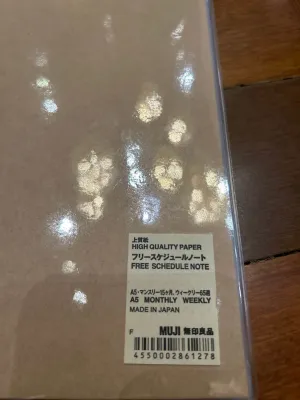
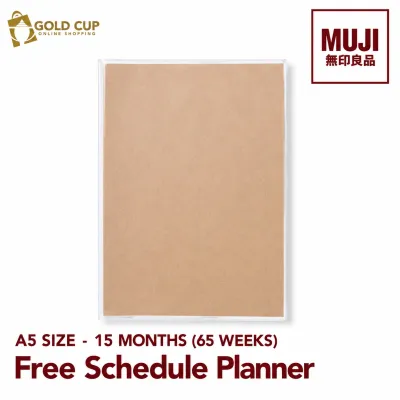
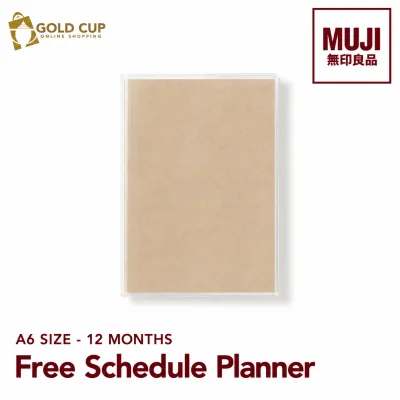
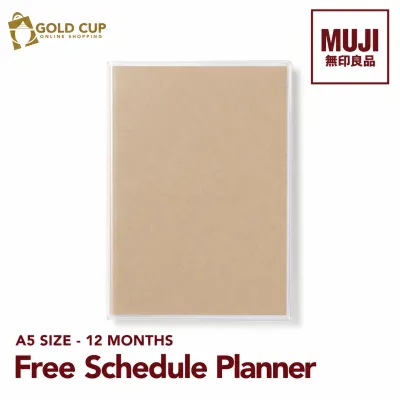
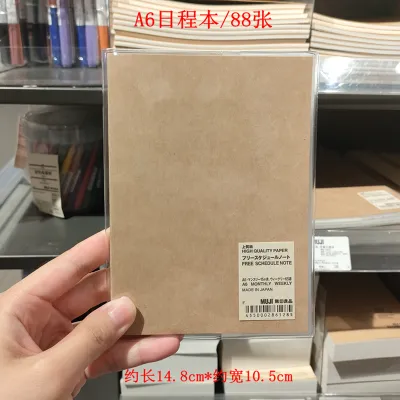
Prices are valid at publication and may change. Please refer to the product page for the latest price.
Core Differences: MUJI vs. Alternative Planners
Layout and Design Philosophy
MUJI planners are famous for their stripped-back, utilitarian design. They typically feature light gray grids, subtle lines, or blank spaces with minimal pre-printed text, allowing you to define your own columns and headers. This open format is highly adaptable but requires you to do the manual work of dating and structuring each page.
In contrast, many alternative planners offer highly structured layouts. You can find options with dedicated hourly columns for precise time blocking, modular boxes for prioritizing tasks, or dotted pages specifically optimized for bullet journaling. These alternatives do the heavy lifting of organization for you, which is ideal if you prefer a ready-made framework over a blank canvas.
Paper Characteristics and Ink Performance
Paper quality is a critical factor for any stationery enthusiast, especially when using liquid inks. MUJI planners generally use lightweight, smooth paper that keeps the overall book thin and highly portable. However, because the paper is relatively thin, you must be mindful of the writing instruments you use, as heavy ink flow can lead to visible ghosting on the reverse side of the page.
Alternative planners on the market span a wide range of paper weights, often measured in grams per square meter (GSM). High-GSM alternatives (typically 100 GSM to 160 GSM) offer robust resistance to ink bleed-through, feathering, and ghosting, making them highly compatible with fountain pens, wet gel pens, and heavy water-based markers. In humid tropical climates, paper can absorb ambient moisture, which naturally extends ink drying times; therefore, testing your specific pen and paper combination is essential to prevent smudging.
Binding and Durability
MUJI undated planners often utilize thread-sewn bindings that allow the book to lay completely flat when open on your desk. This flat-lay design ensures a comfortable writing experience from margin to margin without a bulky spine getting in the way of your hand. The covers are typically lightweight cardstock or flexible vinyl, keeping the planner light but offering moderate protection against wear.
Alternative planners offer a broader variety of binding styles to suit different working environments. Spiral-bound and wire-o planners allow you to fold the book completely in half to save desk space, while disc-bound systems let you add, remove, or rearrange pages as your planning needs evolve. Hardcover alternatives wrapped in bookcloth or synthetic leather provide maximum structural durability, protecting your notes from getting bent or creased inside a crowded bag during a daily commute.
How to Match a Planner to Your Planning Style
Minimalist and Daily Logging
If your planning routine consists of quick to-do lists, spontaneous brain dumps, and brief evening reflections, a minimalist planner like MUJI is an exceptional fit. The lack of rigid structures means you do not feel pressured to fill up specific boxes or adhere to a strict hourly schedule. If you skip a few days or weeks due to a busy schedule or a vacation, you can simply pick up right where you left off on the very next page without leaving empty, wasted gaps.

This style of planning works best with fine-tip gel pens or ballpoint pens that dry quickly on smooth, lightweight paper. The simplicity of the pages keeps your mind focused on your immediate tasks rather than the design of the planner itself.
Bullet Journaling and Custom Layouts
For those who view their planner as a creative outlet, dotted or grid-patterned alternatives offer the ultimate freedom. Bullet journaling relies on creating custom trackers, weekly spreads, and artistic headers from scratch. While MUJI offers basic grid notebooks that can function this way, dedicated bullet journal alternatives often include helpful features like pre-numbered pages, key code guides, and multiple ribbon bookmarks.
When building custom layouts, you will likely use a variety of creative tools, including fine-liners, brush pens, and highlighters. Choosing an alternative with thicker, bleed-resistant paper ensures that your colorful trackers and illustrations do not ruin the pages behind them.
Detailed Tracking and Time Blocking
If you manage complex projects, back-to-back meetings, or strict daily routines, an unstructured planner can quickly become chaotic. In this scenario, look for alternative planners that feature pre-printed hourly schedules, dedicated habit trackers, and weekly reflection sections. These structured elements act as a visual guide, helping you allocate your time efficiently and monitor your progress toward specific goals.
These planners often incorporate specialized layouts like the Eisenhower Matrix for prioritization or dedicated project management timelines. They are designed to keep you accountable and organized, making them highly suitable for professionals, students with heavy course loads, and busy entrepreneurs.
Budget and Value: Comparing Price Tiers
Entry-Level and Budget-Friendly Options
MUJI undated planners sit comfortably in the entry-level price tier, typically retailing in the lower double-to-triple-digit ₱ range (often between ₱150 and ₱400 depending on the size and format). This highly accessible pricing makes them an attractive option for students, beginners, or anyone who wants to try out paper planning without making a significant financial commitment. The low cost also means you can purchase multiple books for different areas of your life, such as separating work tasks from personal journaling.
Mid-Range to Premium Alternatives
As you move into mid-range and premium alternative planners, prices can range from ₱600 to well over ₱1,500. This higher cost is generally justified by upgraded physical specifications and added features. Premium planners often feature thick, acid-free paper, durable hardcovers, expandable inner pockets for loose receipts, elastic closure bands, and beautifully designed packaging.
Some premium options also include specialized content, such as goal-setting worksheets, monthly budget trackers, and motivational prompts. If you rely heavily on your planner as a daily companion and productivity tool, investing in a premium option with durable materials can be a worthwhile decision.
Calculating Practical Value
To determine the true value of a planner, look beyond the initial price tag and consider the cost-per-page and overall longevity. You can calculate this by dividing the retail price by the total number of pages or the number of weeks the planner covers. A budget planner with fewer pages might seem cheaper upfront, but a slightly more expensive alternative with double the page count could actually offer better long-term value.
Additionally, consider how well the materials will hold up over a full year of use. A cheap paper cover may tear or warp in high humidity, forcing you to replace the planner prematurely, whereas a durable cover will protect your records for years to come.
Pre-Purchase Checklist: What to Verify Before Buying
Before purchasing your next undated planner, take a moment to review these essential physical and functional specifications to ensure it matches your daily routine:
- Pen Compatibility Test: If you plan to use fountain pens, heavy gel pens, or markers, verify the paper weight (GSM) on the product label. If possible, perform a small ink swatch test in an inconspicuous corner of the planner to check for drying speed, feathering, and bleed-through.
- Size and Portability: Check the exact dimensions of the planner (such as standard A5, B6, or A6 sizes). Consider where you will write most often; an A5 planner offers ample writing space for a desk, while a compact A6 size fits easily into a small bag for on-the-go scheduling.
- Cover Material and Protection: Evaluate the cover material based on your daily environment. If you commute frequently or live in a highly humid climate, a water-resistant PVC cover or a sturdy hardcover will protect the inner pages much better than a basic cardboard cover.
- Binding Style: Decide if you need a planner that lays completely flat for comfortable writing (thread-sewn) or one that can be folded back on itself to save desk space (spiral-bound).
- Page Count and Layout Fit: Ensure the planner contains enough weekly or daily spreads to cover your intended timeframe, and verify that the layout matches your natural organizational habits.
Frequently Asked Questions (FAQ)
Can I use fountain pens in a MUJI undated planner?
To determine if a MUJI undated planner is compatible with your fountain pens, you should check the specific paper type used in that particular model, as paper formulations can vary. Because MUJI planners often feature lightweight paper, wet inks and broader nib sizes may result in ghosting or minor feathering. It is highly recommended to perform a small corner test with your specific pen, ink, and nib combination before writing extensively to observe how the paper handles the ink flow.
How do I keep an undated planner from feeling overwhelming?
To prevent your undated planner from becoming a source of stress, start by keeping your layouts as simple as possible. Avoid the temptation to fill every blank space with complex trackers or elaborate drawings right away; instead, focus on basic daily task lists and weekly overviews. You can also use removable sticky notes or bookmarks to create temporary sections, allowing you to adjust your planning system dynamically as your schedule and energy levels change throughout the year.
Are there eco-friendly alternatives to standard plastic planner covers?
Yes, there are several sustainable alternatives available if you prefer to avoid plastic covers. Look for planners that feature covers made from recycled kraft paper, sturdy cardboard, cork, or certified vegan leather. When shopping, check the product specifications or manufacturer labels for environmental certifications, such as paper sourced from responsibly managed forests, to ensure your stationery choices align with your sustainability goals.
Community discussion
Share your experience or ask a question. Comments are reviewed before publication.