
Choosing between Mungyo soft pastels and traditional brush pens for lettering depends on whether you want dreamy, blended, textured backgrounds or sharp, high-contrast, precise letterforms. Soft pastels are ideal for soft-focus, painterly lettering and colorful gradients, while brush pens excel at crisp, clean strokes and traditional calligraphy. In the humid tropical climate of the Philippines, managing these mediums requires distinct approaches to paper selection and storage to prevent smudging or ink bleeding. The right choice ultimately depends on your desired visual style, your comfort with the respective learning curves, and the paper you plan to use.
Both tools offer unique creative possibilities, but they operate on entirely different physical principles. Understanding how these mediums interact with your surface and how they behave under different environmental conditions will help you select the ideal instrument for your next creative project.
Visual Effects and Lettering Styles
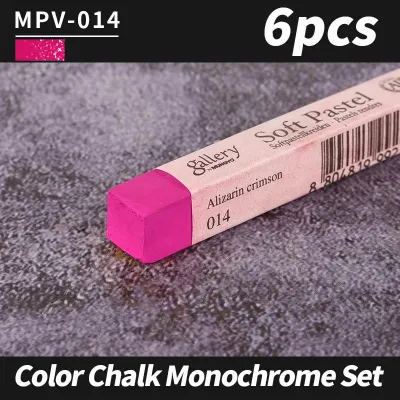
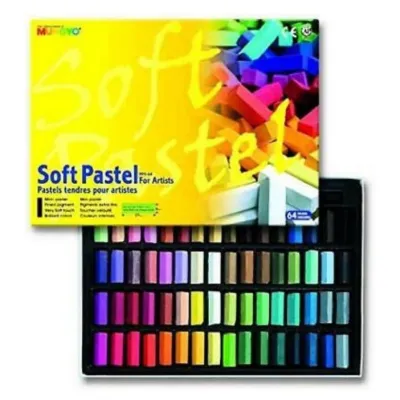
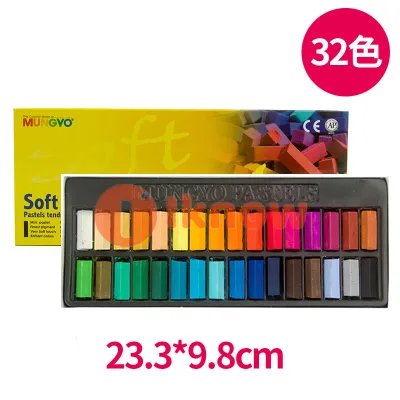
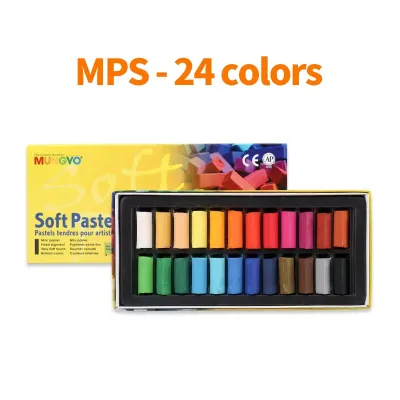
Soft pastels create a velvety, matte texture with soft, diffused edges that are difficult to replicate with liquid ink. They are excellent for blending gradients, ombre effects, and mixed-media backgrounds. Because pastels are dry and chalky, you do not write with them in the traditional sense; instead, you typically use stencil techniques, blending stumps, or rubber-tipped shapers to push the loose pigment into letter shapes. This results in a soft-focus, ethereal aesthetic that works beautifully for quote art, greeting cards, and decorative posters.
Products mentioned in this guide
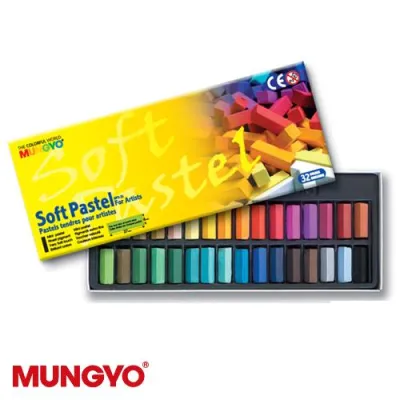
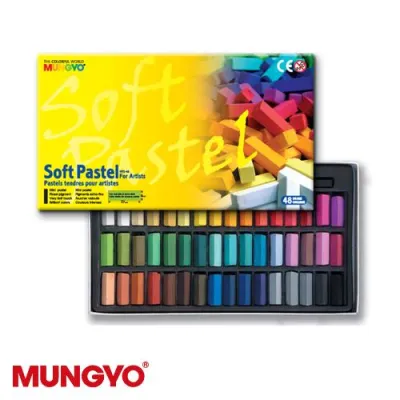
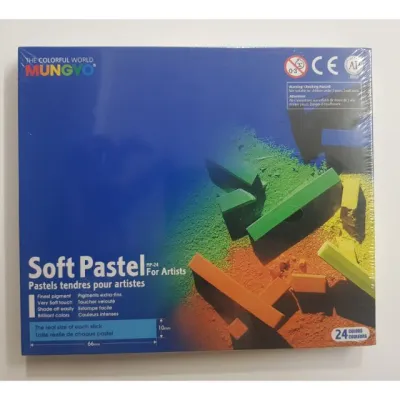
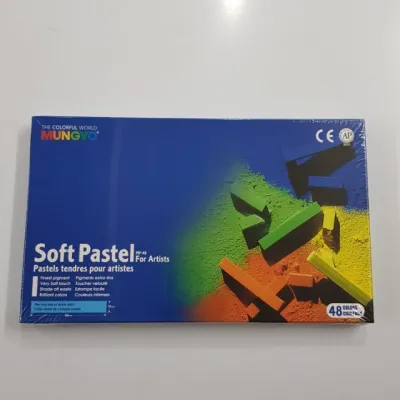
Prices are valid at publication and may change. Please refer to the product page for the latest price.
Brush pens deliver high-contrast, crisp lines with sharp flourishes that define classic brush calligraphy. They rely on direct ink flow and the flexibility of the nib—either felt or synthetic hair—to create dramatic thick-to-thin transitions. The result is highly legible, bold typography that stands out clearly on the page. This makes brush pens the preferred choice for envelope addressing, sign-making, and any project where readability from a distance is essential.
Before committing to a large display piece or a commissioned project, check the product labels for specific claims regarding color opacity and lightfastness. Some pastel sets or ink formulas are more prone to fading when exposed to the bright, indirect sunlight common in tropical rooms. Testing your tools on a small swatch and placing it near a window can help you observe how the colors hold up over time before you begin your final piece.
Ease of Use and Learning Curve
The learning curve for brush pens centers heavily on muscle memory and consistent pressure control. You must master the transition from light upward strokes, using only the very tip of the nib, to heavy downward strokes, pressing the side of the brush. Beginners often struggle with shaky lines or fraying the delicate nibs by applying too much pressure at the wrong angle. It requires steady practice to achieve the smooth transitions that make brush lettering look effortless.

Soft pastels are highly forgiving when it comes to pressure, as you can easily smudge, erase, or layer the pigment to correct mistakes. However, the challenge lies in mastering blending techniques and controlling the loose dust. Without careful handling, colors can quickly become muddy, and stray dust can ruin clean margins. You must learn how to work from the top-left to the bottom-right of your page (or vice versa if you are left-handed) to avoid smearing your work with your hand.
To set realistic expectations, test both tools on scrap paper before starting your main project. Observe how quickly you can lift or cover a mistake on your chosen surface. With pastels, a kneaded eraser can easily lift excess pigment, whereas brush pen ink is permanent once it absorbs into the paper fibers, leaving no room for error.
Paper and Surface Requirements
Brush pens require extremely smooth, bleed-proof paper, such as marker paper, smooth bristol board, or high-quality tracing paper. Rough paper textures act like sandpaper on delicate brush tips, causing felt nibs to fray rapidly and ruining the sharp lines required for clean lettering. Additionally, the paper must resist feathering so the ink edges remain crisp and do not bleed into the surrounding fibers.
Conversely, soft pastels require paper with a distinct “tooth” or texture, such as pastel paper, watercolor paper, or heavy-duty sketch paper. Smooth paper lacks the physical texture needed to grab and hold the dry pigment particles, causing the pastel to slide off the surface and pool at the bottom of the page. Without this texture, layering colors becomes nearly impossible, as subsequent layers will simply wipe away the previous ones.
Before purchasing bulk paper supplies, verify the paper weight, surface texture, and medium compatibility listed on the packaging. In humid environments, paper can absorb moisture from the air, which affects how ink flows and how pastel dust adheres. Keeping your paper stored in sealed plastic containers or folders helps maintain its original texture and dryness, ensuring consistent results for both mediums.
Maintenance, Storage, and Longevity
Proper storage is vital to extend the life of your brush pens and maintain consistent ink flow. Many manufacturers recommend storing dual-tipped brush pens horizontally to keep the ink evenly distributed between both ends. If stored vertically, one tip may dry out while the other becomes oversaturated. Additionally, keep the caps tightly sealed to prevent the ink from drying, especially in air-conditioned rooms that strip moisture from the air.
Mungyo soft pastels should be kept in their original slotted compartments to prevent the sticks from knocking against each other and breaking. Because they are sensitive to moisture, storing them in a cool, dry place is essential. High humidity can make the pastel sticks damp, affecting their crumbling consistency and blending capabilities. Keeping a small packet of silica gel in your pastel box can help absorb excess moisture.
Always check the manufacturer’s care instructions on the packaging for specific storage thresholds and cleaning methods. If your brush pen nibs pick up paper fibers or cross-contaminate with other ink colors, gently scribble on a piece of scrap paper until the ink runs clear. For pastels, a quick wipe with a dry paper towel or rolling them in a small container of dry rice can remove transferred colors from the sticks.
Decision Framework: Which Tool Should You Pick?
To finalize your choice, consider the specific requirements of your lettering project and your working environment. Your decision should align with your desired aesthetic, your patience for cleanup, and the materials you already have on hand.
Choose Mungyo Soft Pastels if:
- You want to create dreamy, blended gradients, soft-focus lettering, or textured mixed-media backgrounds.
- You already own textured paper, blending stumps, and a fixative spray.
- You prefer a hands-on, tactile blending process and do not mind managing pastel dust.
Choose Brush Pens if:
- Your project demands bold, highly readable typography, sharp flourishes, and precise lines.
- You prefer working on smooth marker paper or in standard journals.
- You want a portable tool with minimal cleanup and a faster drying time.
Before starting, verify if your project has specific medium restrictions, especially for commercial or archival work. Review the tool’s lightfastness ratings on the label to ensure your lettering will not fade over time if displayed on a wall. If you are creating a piece to be framed, remember that pastel pieces must be framed under glass with a spacer to prevent the pigment from touching the glass surface.
Frequently Asked Questions (FAQ)
Can you combine Mungyo soft pastels and brush pens in one project?
Yes, but the layering order is critical to protect your tools. Always apply the brush pen ink first on smooth sections of your paper, let it dry completely, and then apply the soft pastels around it. If you must write over a pastel-textured background, you should seal the pastel layer with a fixative first, ensuring you follow the safety and ventilation instructions on the spray can. Writing directly over loose pastel dust with a brush pen will clog the nib with fine particles, permanently ruining the ink flow and damaging the pen tip.
Are Mungyo soft pastels safe for everyday journaling?
While you can use them, soft pastels pose a high risk of smudging and transferring pigment to the opposite page when you close your journal. To prevent this, you can spray the page with a protective fixative, making sure to work in a well-ventilated outdoor area. Alternatively, you can place a sheet of glassine or wax paper between the pages of your journal to protect your lettering from friction and humidity-induced smudging. If you prefer a mess-free journaling experience, brush pens are generally more practical for daily use.
Community discussion
Share your experience or ask a question. Comments are reviewed before publication.