
The meteoric rise of the Filipino girl group BINI has captured the hearts of music lovers across the Philippines and beyond. For new fans, known affectionately as Blooms, entering the fandom is an exciting journey filled with catchy music, vibrant performances, and a welcoming community. However, the sheer volume of available merchandise—ranging from concert gear to daily accessories—can quickly become overwhelming for someone just starting out.
To build a meaningful collection without experiencing financial strain, the most practical approach is to prioritize your purchases based on direct utility. The official BINI lightstick and a standard physical album stand out as the two most essential items for any new collector. These pieces offer the most direct connection to the group’s music and live event experiences, serving as the foundation of a solid fandom collection.
How to Prioritize BINI Merch Without Overspending
Establishing a clear distinction between different types of merchandise is the first step toward smart collecting. Fan merchandise generally falls into two categories: core experience items and derivative lifestyle goods. Core experience merchandise consists of official pieces required for active participation in major fandom milestones, such as live concerts, official fan meetings, and album comeback supports. Derivative merchandise, on the other hand, includes items like themed apparel, casual stationery, and daily lifestyle accessories which, while appealing, are not essential to enjoying the core fandom experience.
Products mentioned in this guide

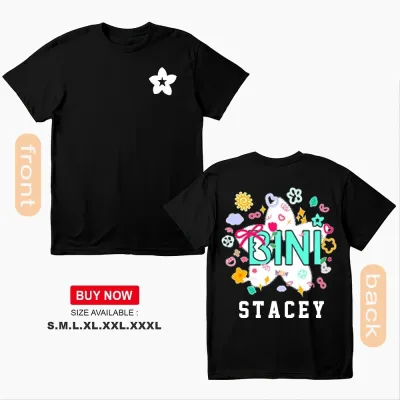
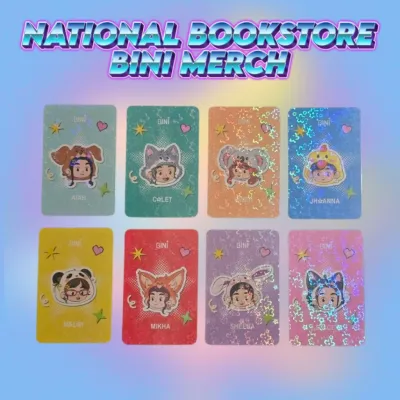
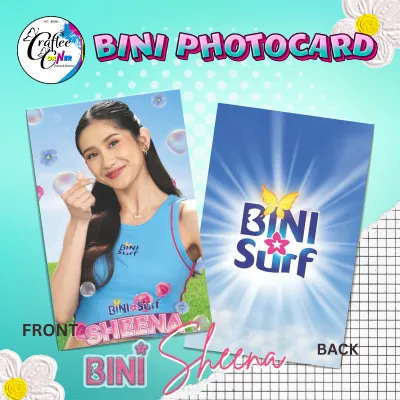
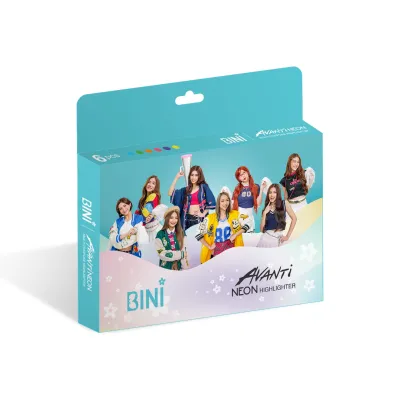
Prices are valid at publication and may change. Please refer to the product page for the latest price.
A practical starter budget framework helps prevent impulsive spending. Instead of attempting to buy every available item immediately, set a comfortable monthly or quarterly spending limit dedicated to your hobby. A recommended strategy is to allocate your initial budget toward securing one major live event item—specifically the official lightstick—and one physical album release. This phased approach ensures you are fully prepared for upcoming live events without compromising your personal finances.
The pressure of limited-edition merchandise drops can easily trigger a fear of missing out, commonly known as FOMO. When a new merchandise collection is announced, take a moment to evaluate the personal utility of each item before checking out your cart. Ask yourself whether you will actively use the item in your daily life or display it prominently, or if it will simply sit in storage. Pausing for twenty-four hours before finalizing a purchase is an effective way to separate temporary excitement from genuine long-term appreciation.
Essential Concert and Music Gear: Lightsticks and Albums
The Official BINI Lightstick
The official lightstick is the ultimate symbol of participation in the Bloom community. During live concerts and official fan meetings, these devices are integrated into the venue’s central control system, allowing production staff to synchronize the colors and flashing patterns of thousands of lightsticks in real time. This synchronization transforms the audience into an active part of the performance, creating a unified visual spectacle that significantly enhances the live concert experience.

Because of the high demand for these items, counterfeit lightsticks are common on unauthorized marketplaces. To ensure your lightstick is genuine, always inspect the packaging for official holographic security stickers, unique serial numbers, and scannable QR codes that link directly to the management company’s verification portal. Genuine lightsticks are constructed with high-quality plastics and clean battery compartments, whereas counterfeits often exhibit rough plastic seams and misaligned battery terminals.
Technical compatibility is another critical factor to verify before purchasing. Authentic BINI lightsticks feature built-in Bluetooth modules designed to pair with official mobile applications for seat mapping and wireless firmware updates. Before attending a live event, download the designated app on your smartphone and test the connection to ensure your device’s operating system is fully compatible. This step prevents connectivity issues when you arrive at the venue.
Proper maintenance is essential to prolonging the lifespan of your lightstick. The device typically operates on standard AAA alkaline batteries, which should be fresh and of high quality to ensure consistent brightness throughout a multi-hour concert. Most importantly, always remove the batteries from the compartment immediately after an event. Leaving batteries inside the lightstick during long-term storage can lead to chemical leakage, which corrodes the metal contacts and can permanently damage the internal electronic components.
Physical Albums and Version Variations
Physical albums serve as tangible milestones of BINI’s musical eras and are highly valued by collectors. A standard physical album typically contains the audio CD, a professionally printed concept photobook, a set of random collectible photocards, and themed lyric sheets or folded posters. Premium or limited-edition versions may include larger packaging, exclusive merchandise items, or alternative photobook layouts, but the core musical content remains identical.
For new Blooms, starting small with a single standard version of the latest album is the most sensible approach. This purchase guarantees you receive the complete music, the main photobook, and a few initial photocards to kickstart your collection. Avoid the temptation to buy multiple copies of the same album version in an attempt to collect every random photocard variation. You can easily trade duplicate cards with other fans in the community later without spending extra money on duplicate packaging.
When ordering physical albums, always verify the release dates and shipping terms. If you are purchasing from international official stores, check for regional shipping restrictions, estimated delivery timelines, and potential customs duties that may apply upon arrival in the Philippines. Opting for authorized local distributors or joining organized community group orders can often reduce individual shipping costs significantly while ensuring your purchase still counts toward official music charts.
Daily Use Fandom Gear: Official Stationery and Accessories
Official Notebooks, Stickers, and Desk Items
Integrating your fandom into your school or work life can be highly enjoyable through official stationery. If you are selecting an official BINI notebook for daily writing, check the paper weight specified in grams per square meter (GSM). A paper weight of 80 GSM to 100 GSM is suitable for standard ballpoint pens, while a weight of 120 GSM or higher is recommended if you prefer using gel pens, rollerballs, or mild highlighters, as thicker paper prevents ink bleed-through and ghosting on the reverse side.
The binding style of the notebook also affects its daily usability. Spiral-bound notebooks are highly practical because they lay completely flat on a desk, making it easy to write on both sides of the page. Stitched or glued bindings offer a cleaner, book-like appearance but may require you to apply pressure to the spine to keep the pages open, which can lead to wear over time. Choose the binding that best aligns with your writing habits and desk space.
Official sticker sheets are excellent for personalizing personal belongings, but their durability depends heavily on the material composition. Vinyl stickers are water-resistant, scratch-resistant, and UV-resistant, making them highly durable and suitable for high-contact items like laptops, phone cases, and water bottles. Conversely, paper-based stickers lack protective coatings and are best reserved for dry, low-wear environments such as indoor planners, journals, or scrapbooks where they will not be exposed to moisture.
Before purchasing desk accessories like acrylic organizers, pen holders, or themed pencil cases, verify their physical dimensions. Measure your existing writing tools and desk space to ensure the compartments are deep and wide enough to hold standard-sized pens, highlighters, and rulers. This verification prevents you from buying an item that is too small to be functional, ensuring it serves a practical purpose on your desk rather than just taking up space.
Lanyards, Pouches, and Photocard Sleeves
Protecting your collectible items while on the go requires the right storage accessories. Photocards are made of paper and are highly susceptible to bending, scratching, and edge wear from handling. To preserve their condition, always slide them into rigid or semi-rigid plastic sleeves, commonly known as toploaders. Ensure that the sleeves you purchase are explicitly labeled as acid-free and PVC-free, as materials containing PVC can degrade over time and chemically adhere to the card’s surface, causing permanent damage.
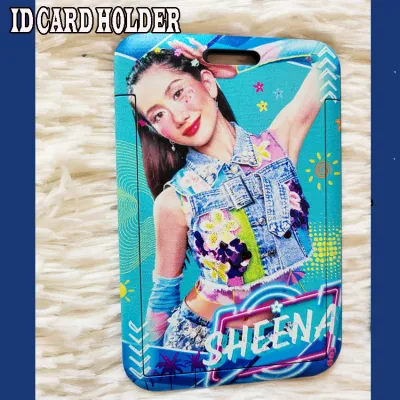
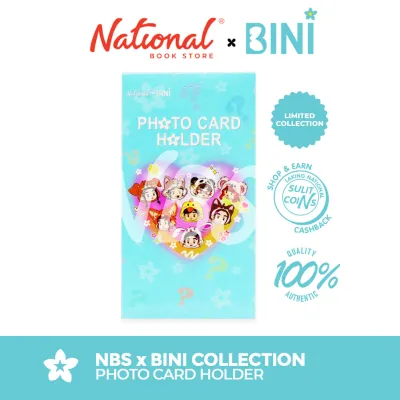
Lanyards and cardholders are popular for displaying your favorite photocard at events or school. When choosing a cardholder, compare its inner pocket dimensions with the standard size of P-pop and K-pop photocards, which typically measure 55 mm by 85 mm. The cardholder’s inner pocket should measure at least 60 mm by 90 mm to allow you to insert the photocard while it is still inside its protective plastic sleeve, preventing the card from being bent or forced into a tight space.
The durability of lanyards and pouches depends largely on the quality of their hardware and materials. Look for lanyards equipped with sturdy metal lobster clasps and straps made of tightly woven polyester or nylon, which offer excellent resistance to daily wear-and-tear. For pouches, inspect the zipper mechanism to ensure it glides smoothly without catching on the fabric, and verify that the seams are reinforced to prevent tearing when carrying heavier items like keychains or small electronics.
Smart Photocard Collecting: Official Drops and Safe Trading
Photocards are a central element of modern fandom culture, but navigating the collecting scene requires a strategic mindset. These cards are officially distributed through several specific channels, including random inclusions inside physical albums, exclusive pre-order benefits from designated retailers, official merchandise bundles, and seasonal greeting packages. Understanding these official distribution methods helps you identify where a card originated and evaluate its relative availability.
The secondary market for photocards can be highly volatile, with prices for specific members or rare “concept” cards often inflated by independent sellers. As a new collector, it is wise to avoid purchasing single photocards immediately after a new album release, as prices are typically at their highest due to initial demand. Waiting a few weeks allows the market to stabilize as more inventory becomes available, enabling you to secure the cards you want at much more reasonable prices.
When trading or buying photocards from other fans online, practicing safe transaction habits is crucial. Always request a “proof of life” video or photo from the seller or trade partner. This involves asking them to take a photo of the photocard next to a handwritten note containing your username, their username, and the current date, while gently tilting the card under a light to demonstrate that there are no hidden scratches or dents.
Additionally, prioritize secure payment methods that offer buyer protection and always research the seller’s transaction history. Many fan communities use specific hashtags on social media to share feedback and successful transaction proofs. If a seller has no visible feedback history or refuses to provide clear, dated photos of the item, it is safest to decline the transaction.
Avoid purchasing unofficial or fan-made replica photocards if your goal is to build an authentic, long-term collection. While replica cards are inexpensive and widely available, they hold no collector value within the community and do not contribute to the group’s official sales metrics. Focusing your budget on official releases ensures that your resources are directed toward authentic items that retain their value and support the artists.
Where to Buy Authentic BINI Merch in the Philippines
The most reliable way to purchase authentic BINI merchandise is through official, verified channels. These include the management company’s official online storefront, authorized physical pop-up stores, and verified flagship stores on major domestic e-commerce platforms. Purchasing directly from these authorized outlets guarantees that your money directly supports the group’s activities and ensures that you receive genuine, high-quality products.
To identify authorized resellers online, look for official verification badges, authorized seller tags, and direct links shared by BINI’s official social media accounts. Authorized local partner shops often display official distribution certificates or logos on their store pages, providing clear proof of their partnership with the group’s management. If you are unsure about a seller’s status, cross-reference their shop name with the list of official distributors posted on the group’s official website.
Be extremely cautious when browsing unverified social media marketplaces, classified ads, or unauthorized physical stalls in local shopping districts. These spaces are often flooded with counterfeit lightsticks, fake albums, and unofficial merchandise. If a seller is offering an official lightstick or album at a price that seems unusually low, it is highly likely to be a counterfeit product that lacks the necessary Bluetooth synchronization capabilities and official packaging details.
When deciding where to purchase, consider the trade-offs between domestic authorized sellers and international direct shipping. Buying from local authorized shops typically offers faster shipping times—often within two to five business days—and more accessible customer service if an item arrives damaged. Ordering directly from international official stores may grant you access to exclusive global releases, but it often involves higher shipping fees, longer transit times, and more complex return processes.
Frequently Asked Questions (FAQ)
What is the single most important BINI item to buy first?
For absolute beginners, a standard physical album of the latest release is the single most important item to purchase first. It offers a complete musical and visual introduction to the group through the official audio tracks and the concept photobook, all at a highly accessible price point compared to a lightstick. This purchase allows you to experience the core of the fandom while deciding how you wish to expand your collection.
How should I store and protect my BINI photocards in a humid climate?
The tropical humidity in the Philippines can cause paper collectibles to warp, discolor, or stick to plastic surfaces over time. To protect your photocards, always place them inside acid-free, PVC-free plastic sleeves before storing them in a binder or storage box. Keep several silica gel packets inside your storage container to absorb excess moisture, and store the container in a cool, dry place away from direct sunlight and damp walls.
Is it safe to buy fan-made BINI merchandise?
Fan-made merchandise, such as custom shirts, stickers, or fan art, is generally safe for personal, casual use and can be a fun way to express your support. However, these items are not official collectibles, do not contribute to official music charts, and do not financially support BINI’s career. If your primary goal is to build an authentic collection and directly support the group, you should prioritize purchasing through official merchandise channels.
Community discussion
Share your experience or ask a question. Comments are reviewed before publication.