
Choosing the right notebook paper thickness is the key to preventing ink from bleeding through your pages and ensuring your writing experience matches your daily tools. The standard measurement for paper thickness is GSM, which stands for Grams per Square Meter. While a higher GSM generally indicates a thicker, more substantial page, the ideal weight depends entirely on whether you write with a standard ballpoint pen, a wet gel pen, or a fountain pen, as well as how much weight you are willing to carry in your bag every day.
What GSM Means for Notebook Paper
GSM stands for Grams per Square Meter, which is a metric measurement of paper density rather than its direct physical height or thickness. To understand this concept, imagine cutting a sheet of paper into a precise one-meter by one-meter square; the weight of that single sheet in grams is its GSM rating. Because it measures density, a higher GSM typically means the paper has more fiber packed into the same space, resulting in a heavier and more substantial feel as you turn the pages.
While a higher GSM generally indicates a thicker and more opaque sheet, the manufacturing finish and coating play a massive role in the final product. For instance, a highly compressed, coated paper might feel thinner than an uncoated sheet of the exact same GSM, yet it may resist ink penetration much better. In humid tropical climates like the Philippines, paper can absorb ambient moisture from the air, which alters how the fibers behave under wet ink. Consequently, understanding both the density rating and the surface treatment is essential for predicting how a notebook will perform.
Products mentioned in this guide
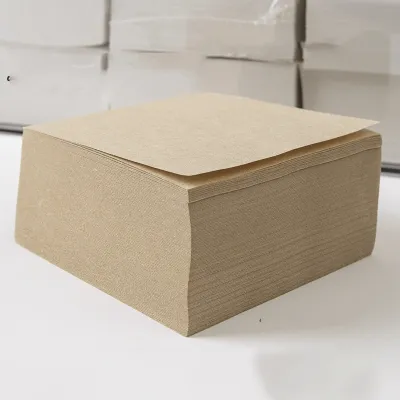
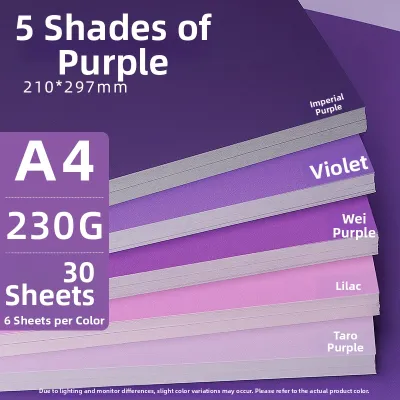
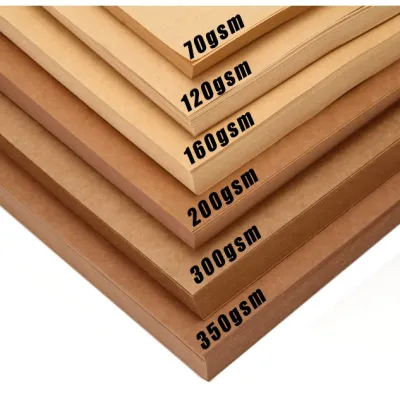
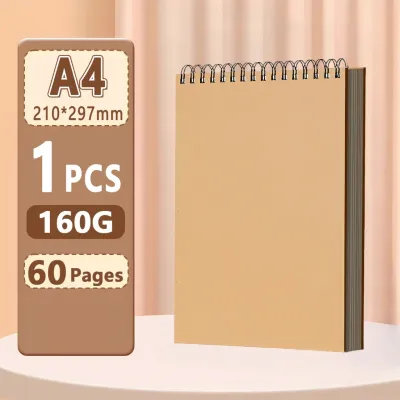
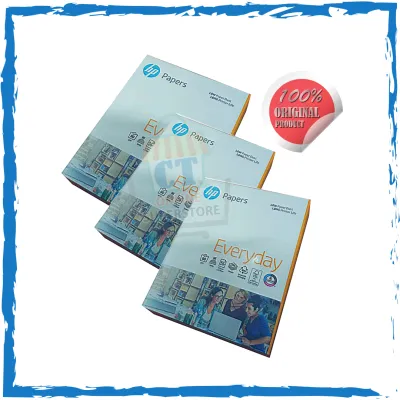
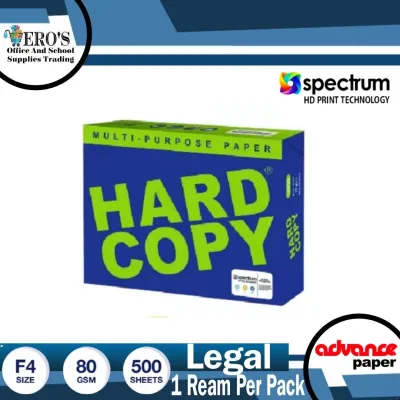
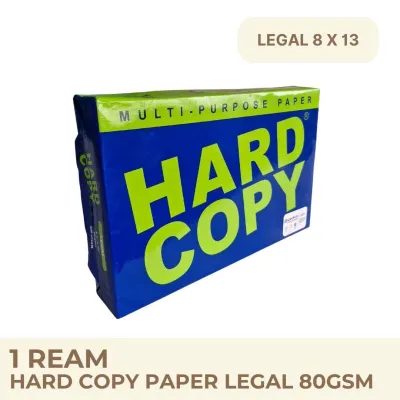
Prices are valid at publication and may change. Please refer to the product page for the latest price.
How Paper Weight Affects Your Writing and Carrying Experience
Selecting a notebook involves balancing the physical weight of the paper against your daily mobility needs. Heavier paper naturally adds bulk and physical weight to your bag, which becomes highly noticeable if you commute daily through busy transit stations or walk between university classrooms. A notebook filled with thick paper will weigh significantly more than a standard school notebook, making it less practical for quick, on-the-go journaling.

This added thickness also directly impacts the page count of your notebook. Because thicker pages occupy more physical space, a standard binding—whether spiral, thread-bound, or ring-bound—can hold fewer total sheets before becoming excessively bulky. If you require a high page count for extensive lecture notes or daily work logs, choosing a slightly lower GSM allows you to carry more writing space in a single, compact volume.
On the other hand, heavier paper weights offer greater durability, stiffness, and tear resistance. Pages with higher density do not crease easily when you turn them quickly, and they withstand the friction of repeated erasing without thinning or tearing. If you frequently sketch, use heavy pressure, or need a sturdy surface that does not flop over when writing on your lap, the structural integrity of thicker paper is highly advantageous.
Matching Paper Thickness to Your Writing Tools
Your choice of writing instrument should dictate the minimum paper weight you select for your notebook. For standard ballpoint pens and fine-point gel pens, lightweight paper ranging from 50 GSM to 70 GSM is usually sufficient for everyday tasks. These dry-writing tools deposit minimal ink on the page, meaning you can write on both sides of thin sheets without experiencing significant show-through or structural warping.
When you transition to fountain pens, broad gel pens, or wet rollerballs, thick paper becomes necessary to prevent bleed-through and ghosting. Bleed-through occurs when ink penetrates completely through the paper fibers to the opposite side, while ghosting refers to the shadowy outline of your writing visible through the sheet. To handle wet inks gracefully, look for paper weights of 80 GSM to 100 GSM, which provide enough fiber density to absorb the liquid without letting it seep through to the next page.
For creative projects involving highlighters, brush pens, or alcohol-based markers, even higher opacity and specialized surfaces are required. Alcohol-based markers are highly prone to spreading and bleeding through standard sheets, often requiring heavy cardstock or specialized marker paper of 120 GSM to 160 GSM. Highlighters also demand a dense, well-sized paper surface to prevent the wet pools of ink at the end of a stroke from soaking through and ruining the notes on the reverse side.
How to Verify Paper Quality Before Buying
When shopping for notebooks on an online marketplace or in a local stationery store, always look for explicit GSM ratings in the product specifications. Vague marketing terms such as ‘premium quality,’ ‘heavyweight,’ or ‘ink-proof’ carry no standardized meaning and can often lead to disappointment. A reputable manufacturer will clearly print the exact GSM rating on the cover, packaging, or product description page so you know precisely what density you are purchasing.
To verify how the paper performs in real-world conditions, examine user reviews, tester photos, or video demonstrations. Many stationery enthusiasts share detailed pen tests showing how different inks, highlighters, and fountain pens behave on the specific notebook pages. Pay close attention to photos of the back of the page, as this is where you can easily observe the level of ghosting and bleed-through under various writing pressures.
Additionally, check the description of the paper finish, such as whether it is smooth, textured, or coated, as this interacts directly with the thickness. Coated papers resist ink penetration exceptionally well, which helps prevent bleeding even at moderate weights, but they also extend the drying time of wet inks. In warm, humid environments, a slow drying time can lead to accidental smudging as your hand moves across the page, making a slightly textured, uncoated paper of a higher GSM a more practical choice for fast writers.
Frequently Asked Questions (FAQ)
Is thicker paper always better for everyday note-taking?
No, thicker paper is not always the most practical choice for daily note-taking, as the ideal weight depends on your specific routine and tools. If you primarily use standard ballpoint pens and need to carry your notebook to school or work every day, a lighter paper weight between 70 GSM and 80 GSM is highly practical because it keeps the notebook slim and lightweight. Choosing an excessively thick paper when you do not use wet inks simply adds unnecessary bulk and reduces the total number of pages available for your notes.
Can I use fountain pens on standard notebook paper?
Using fountain pens on standard notebook paper under 70 GSM often results in feathering, where the ink spreads along the fibers, as well as significant bleed-through to the other side of the page. If you must use a fountain pen on standard paper, choose a fine or extra-fine nib paired with a dry-flowing ink to minimize the volume of liquid deposited. For a better writing experience, you can also place a thick protective sheet or pencil board directly underneath the page you are writing on to prevent any bleeding ink from ruining the subsequent sheets.
Community discussion
Share your experience or ask a question. Comments are reviewed before publication.