
Selecting the ideal writing instrument is a highly personal decision that directly influences your daily productivity, creative expression, and comfort. Finding the right notivo pen depends on matching your writing environment, paper selection, and personal hand pressure to the specific ink delivery mechanism of each model. The choice between a fountain pen, a gel pen, and a rollerball pen comes down to a clear trade-off between expressive styling, maintenance needs, and drying speeds.
By understanding how these three pen types handle different paper qualities and writing speeds, you can select a tool that feels like a natural extension of your hand. Whether you are signing formal contracts, keeping a personal journal, or taking rapid notes during a fast-paced meeting, there is a specific configuration designed to optimize your experience.
Quick Selection: Match Your Notivo Pen to Your Task
To help you identify the most suitable notivo pen variant for your immediate needs, consider this quick-reference guide based on primary writing tasks and stationery principles:
Products mentioned in this guide
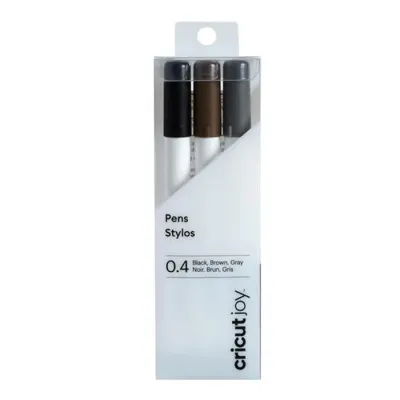
Prices are valid at publication and may change. Please refer to the product page for the latest price.
- Notivo Fountain Pens: Choose this variant if your primary focus is expressive creative writing, personal journaling, or calligraphy. The metal nib responds to your unique hand angle, creating elegant line variation and a highly personalized writing style. It is best suited for those who enjoy a deliberate, relaxed writing pace and do not mind performing occasional maintenance.
- Notivo Gel Pens: Select this option for high-volume daily note-taking, rapid journaling, or multi-tasking in busy environments. The water-based gel ink offers highly vibrant colors and observable smudge resistance. It is the most practical choice for left-handed writers, students, and professionals who need a reliable, low-maintenance pen that performs consistently on standard paper.
- Notivo Rollerball Pens: Opt for this type if you require the fluid, effortless glide of liquid ink but prefer the convenience of a modern ball mechanism. This variant is ideal for signing professional documents, executing smooth signatures, and writing long-form letters with minimal downward hand pressure. It provides a luxurious writing experience that bridges the gap between traditional fountain pens and everyday ballpoints.
How Notivo Fountain, Gel, and Rollerball Pens Differ
To make an informed decision, it is essential to understand the mechanical differences and ink delivery systems that define each notivo pen. These internal engineering choices dictate how the pen feels in your hand, how the ink behaves on the page, and how much attention the instrument requires over its lifespan.

Notivo Fountain Pens
At the heart of the fountain pen is a sophisticated ink delivery system that relies on capillary action. Liquid water-based ink is drawn from an internal reservoir—either a disposable cartridge or a refillable converter—through a plastic feed and down to the tip of a metal nib. Because the metal nib is split down the center, the two tines spread slightly when you apply downward pressure, allowing ink to flow smoothly onto the paper.
This mechanical design allows for noticeable line variation. Depending on the nib size you choose (such as fine or medium) and the specific angle at which you hold the pen, you can achieve thin upward strokes and broader downward strokes. This gives your handwriting a distinct, elegant character that cannot be replicated by a standard ball-tipped pen.
Because fountain pens use liquid ink and open-air feeds, they require regular, low-risk maintenance to keep them writing smoothly. Over time, tiny paper fibers and dried ink particles can accumulate in the feed channels, leading to skipping or inconsistent ink flow. To prevent clogging, it is recommended to flush the nib and feed with room-temperature, clean water every few weeks. Always check the manufacturer’s care instructions for your specific model before performing any cleaning, and avoid using hot water or harsh solvents which can warp the internal feed.
Notivo Gel Pens
Gel pens utilize a highly stable ink system where colored pigments are suspended in a water-based polyacrylate gel. This ink formulation is thixotropic, meaning it remains thick and viscous while at rest inside the refill, but thins out instantly under the physical shear stress of the spinning ball at the tip. This allows the pen to lay down a highly saturated, opaque line of ink with minimal effort.
This pigment-rich formulation is highly valued for its vibrant color output and excellent contrast on both white and toned papers. Because the gel ink is thicker than liquid ink, it sits on top of the paper fibers rather than soaking deeply into them. This characteristic makes gel pens highly resistant to feathering, though you should always evaluate the observable drying times and smudge resistance on your typical notebook paper to ensure it matches your writing speed.
From a practical standpoint, gel pens are incredibly low-maintenance. The ink is sealed inside a plastic refill cartridge, preventing evaporation and eliminating the risk of accidental leaks during travel. When the ink runs dry, you simply unscrew the barrel, discard the empty cartridge, and slide in a standard refill replacement, making this variant highly convenient for everyday carry.
Notivo Rollerball Pens
Rollerball pens feature a tiny, precision-engineered metal ball housed in a socket at the tip, similar to a traditional ballpoint pen. However, instead of using thick, oil-based paste ink, a rollerball utilizes low-viscosity liquid or thin gel-based ink. This thin ink saturates the ball easily, allowing it to transfer to the paper with almost zero downward writing pressure.
This design provides an exceptionally fluid and smooth writing experience. The pen glides effortlessly across the page, making it a favorite for individuals who experience hand fatigue or cramping during long writing sessions. In terms of ink flow, a rollerball closely mimics the rich, wet line of a fountain pen, but it offers the predictable, consistent line width of a rolling ball mechanism.
Because the ink used in rollerballs is highly fluid, it is important to check the product labels for the specific ink type (liquid versus gel) used in your chosen model. Liquid-ink rollerballs flow very quickly and can saturate thin paper rapidly, which affects drying times and paper compatibility. Gel-ink rollerballs offer a slightly more controlled flow, giving you a balance of smoothness and fast drying.
Choosing the Right Notivo Pen for Your Writing Purpose
Every writing task has its own set of physical demands. Matching the mechanical strengths of a specific notivo pen to your primary writing activities will ensure a comfortable, frustration-free experience that enhances your natural handwriting style.
Journaling and Creative Writing
For many, journaling is a tactile ritual where the physical act of writing is just as important as the thoughts being recorded. Fountain pens are widely considered the gold standard for this purpose. The unique feedback of the metal nib against the paper—often described by stationery enthusiasts as “tooth”—provides an engaging, sensory connection to the page. The expressive line variation of a fountain pen adds a beautiful, archival quality to personal diaries and creative manuscripts.
If you prefer a smoother, lower-maintenance writing experience but still want the rich, wet ink look of a fountain pen, a rollerball pen serves as an excellent secondary choice. It offers the same fluid glide without the need for regular flushing or bottled ink refills. Whichever you choose, pay close attention to the pen’s physical weight and balance during extended writing sessions; a well-balanced pen barrel made of lightweight resin or balanced brass will prevent hand strain over hours of creative expression.
Professional Documents and Signatures
In professional settings, the appearance of your signature and the reliability of your pen are paramount. Rollerball and fountain pens are highly recommended for signing formal documents and contracts. Because these pens deliver liquid ink continuously with almost no pressure, they allow you to execute sweeping, continuous strokes without skipping, leaving a bold, authoritative mark on the page.
When choosing a pen for official documents, it is crucial to verify the ink’s observable permanence and water resistance on the specific document paper. Many standard liquid inks are water-soluble and can run or fade if exposed to moisture. If you are signing legal papers or archival records, look for pigmented, water-resistant inks that bind permanently to the paper fibers.
For filling out complex professional forms with small, tight boxes, a gel pen with a fine tip (such as 0.5mm or smaller) is often the most practical tool. It provides a highly consistent, precise line that dries relatively quickly, ensuring that your written data remains neat, legible, and free from accidental smudges as papers are stacked and sorted.
Daily Note-Taking and Fast Writing
When you are capturing information quickly in a lecture hall, a business meeting, or a fast-paced retail environment, speed and reliability are your top priorities. Gel pens are the optimal choice for these scenarios. They require no warm-up time, write instantly the moment the tip touches the paper, and do not suffer from the hard starts or skipping that can occasionally affect fountain pens after they have been left uncapped.
For left-handed writers, fast writing presents a unique challenge, as the writing hand naturally sweeps across the freshly written text. Left-handed users should observe the ink’s drying time on their specific notebooks, opting for fine-tip gel pens which deposit less ink and dry almost instantly. This simple adjustment prevents the dreaded “silver hand” effect and keeps your notes clean and legible.
Additionally, the sheer convenience of gel pens makes them highly suited for dynamic environments. Many gel models feature retractable click mechanisms, allowing you to deploy and retract the tip with a single hand. This is a major advantage over capped fountain or rollerball pens when you need to switch rapidly between writing, typing, and handling physical objects.
Notivo Pen Variants at a Glance
To help you compare the core characteristics of each pen type, the following table summarizes their mechanical features, performance traits, and ideal use cases based on standard stationery principles:
| Pen Type | Ink Delivery System | Line Variation Potential | Required Writing Pressure | Maintenance Level | Best Suited For |
|---|---|---|---|---|---|
| Fountain Pen | Capillary action via metal nib | High (depends on nib size and angle) | Extremely Low | Medium (requires regular flushing) | Journaling, creative writing, calligraphy, and personal correspondence |
| Gel Pen | Rolling ball with pigment-gel ink | Low (consistent, uniform line) | Moderate | Low (simple refill cartridge replacement) | Fast note-taking, daily office tasks, and left-handed writers |
| Rollerball Pen | Rolling ball with liquid or thin gel ink | Low to Medium (rich, fluid flow) | Low | Low to Medium (requires capping to prevent dry-out) | Signatures, professional documents, and long-form writing |
Adapting Your Choice to Paper Quality and Writing Grip
Beyond the pen itself, two external factors play a massive role in how any writing instrument performs: the quality of the paper you write on and the physical way you hold and press your pen.
Paper Compatibility
Liquid inks, such as those found in fountain pens and liquid-ink rollerballs, interact heavily with the paper’s surface. Paper weight is measured in grams per square meter (GSM). Standard copy paper is typically 70 to 80 GSM, which is relatively thin and porous. When highly fluid liquid ink is applied to this paper, it can cause two common issues: feathering (where the ink spreads sideways along the paper fibers, making lines look fuzzy) and bleed-through (where the ink penetrates completely to the reverse side of the page).
In tropical climates with high relative humidity, such as the Philippines, paper naturally absorbs ambient moisture from the air. This moisture expansion makes paper fibers even more receptive to liquid inks, drastically increasing the likelihood of feathering and bleed-through. If you plan to use a fountain pen or a liquid rollerball in a humid environment, it is highly recommended to use premium, high-density paper of 90 GSM or higher, or paper specifically coated to resist ink absorption.
To avoid ruining an expensive notebook, always perform a simple, reversible test. Find a spare page or a small, hidden corner at the back of your notebook and write a few test strokes. Observe how the ink behaves under a bright light: check if the edges of the lines remain sharp or if they begin to spread, and turn the page over to verify if any ink has leaked through to the other side.
Writing Grip and Pressure
Your personal writing grip and the amount of downward force you naturally apply will also dictate which pen type feels most comfortable. Heavy-handed writers—those who tend to grip the pen tightly and press down hard on the page—may find fountain pens frustrating or even risky. Excessive downward pressure can cause the metal tines of a fountain pen nib to splay permanently, ruining the ink flow, or cause a rollerball’s ball socket to deform, leading to ink blobbing. For these writers, gel pens are highly forgiving, as their robust rolling tips are built to withstand heavier physical pressure.
Conversely, light-handed writers who prefer a delicate, effortless touch will benefit immensely from the low-pressure requirements of rollerball and fountain pens. Because these pens rely on wet ink that flows naturally upon contact, they allow the pen to glide across the paper under its own physical weight, reducing hand fatigue and making long writing sessions incredibly comfortable.
Before purchasing a premium notivo pen, it is always wise to verify the manufacturer’s recommended paper types and refill specifications. Many high-end pens are optimized for specific paper textures, and matching your pen to its intended medium will ensure you get the absolute best performance out of your writing instrument.
Frequently Asked Questions (FAQ)
Can I use Notivo gel pen refills in a Notivo rollerball pen?
In most cases, gel pen refills and rollerball pen refills are not interchangeable due to differences in their physical dimensions, collar shapes, and tip designs. Rollerball refills often feature a specific neck length and cap seal design to prevent highly fluid liquid ink from evaporating, whereas gel refills may use a simpler plastic tube construction. To avoid ink leaks or physical damage to your pen barrel, always check the specific model number printed on your original refill cartridge and consult the product packaging or manufacturer specifications before purchasing replacements.
Which Notivo pen type is most forgiving for left-handed writers?
Notivo gel pens with fine or medium tips are generally the most forgiving option for left-handed writers. The unique pigment-gel formulation is designed to set quickly on the paper surface, offering faster observable drying times that significantly reduce the risk of smudging as your hand moves left-to-right across the page. Left-handed writers who wish to use fountain pens should look for models equipped with specialized left-handed nib grinds, which are rounded to accommodate the pushing motion of left-handed writing, and pair them with fast-drying inks to minimize smudging.
Community discussion
Share your experience or ask a question. Comments are reviewed before publication.