
Quick Guide: Which Ohuhu Marker Fits Your Art Style?
Choosing the right creative tool depends entirely on your medium, your preferred techniques, and the surfaces you want to decorate. Ohuhu has grown from a budget-friendly favorite into a staple brand for artists worldwide, offering distinct marker lines engineered for entirely different tasks. Selecting the wrong type can lead to frustrating issues like torn paper, ruined tips, or bleeding ink, while the right choice makes your creative process effortless.
Alcohol markers are the gold standard for seamless, streak-free gradients, making them the preferred choice for manga illustration, character design, and architectural rendering. Because the ink is highly translucent and blendable, you can build up rich values and smooth transitions on specialized paper. However, their highly fluid nature means they will readily bleed through standard notebook pages.
Water-based brush pens are designed for flexibility, pressure sensitivity, and delicate line control. They excel in modern hand lettering, calligraphy, bullet journaling, and watercolor-style washes. Because they do not bleed through paper as aggressively as alcohol-based inks, they are highly compatible with standard planners and sketchbooks, though rough textures can eventually wear down their flexible tips.
Products mentioned in this guide
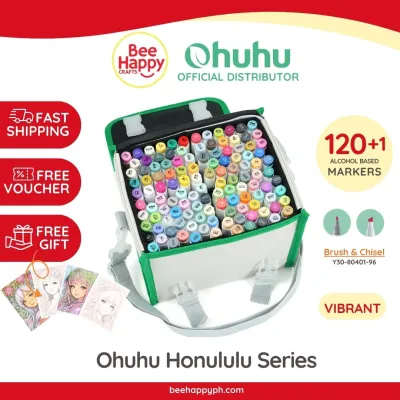
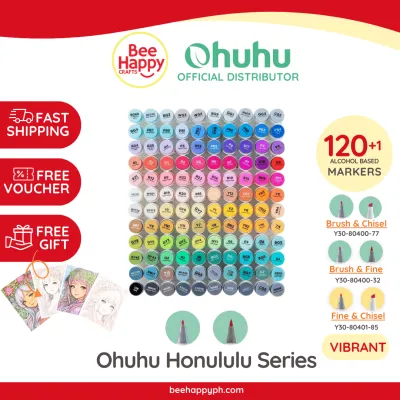
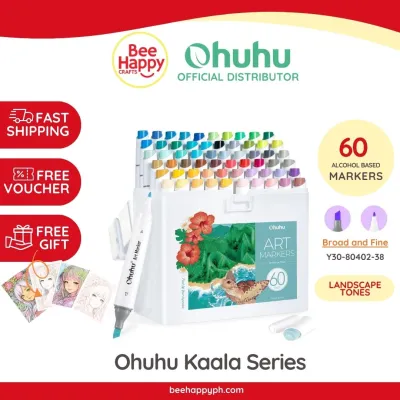
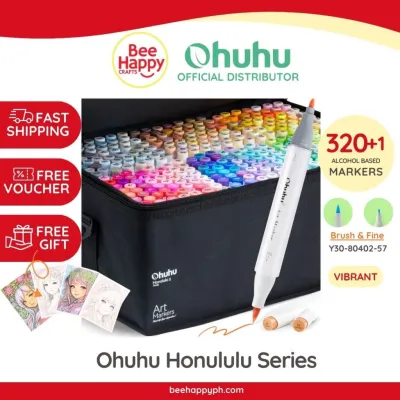
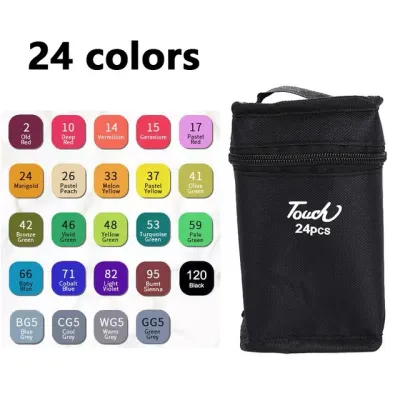
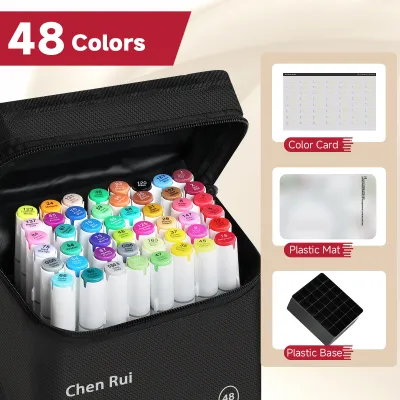
Prices are valid at publication and may change. Please refer to the product page for the latest price.
Acrylic markers offer opaque, paint-like coverage that sits on top of the surface rather than soaking into it. Once dry, the acrylic emulsion cures into a permanent, water-resistant film, allowing you to paint on non-porous materials like glass, plastic, wood, metal, and dark canvas. Rather than blending wet-on-wet, these markers are built for crisp layering, bold graphic designs, and mixed-media customization.
There is no single “best” marker set; the ideal choice depends on your art style, your budget, and the physical properties of your canvas. By matching the ink chemistry to your project goals, you can avoid common mistakes and get the most out of your stationery investment.
Core Differences at a Glance
To understand why these markers behave so differently, it helps to look at their underlying physical and chemical properties. The solvent used to carry the pigment or dye dictates how the ink flows, how fast it dries, and how it interacts with different paper fibers.

| Marker Type | Ink Base | Standard Tip Configuration | Blendability | Opacity | Ideal Surfaces |
|---|---|---|---|---|---|
| Alcohol Markers | Alcohol-based dye | Chisel & Brush / Fine & Chisel | High (seamless gradients) | Transparent (buildable) | Bleed-proof paper, heavy cardstock |
| Brush Pens | Water-based dye or pigment | Flexible Brush & Fine | Medium (water-soluble) | Semi-transparent | Sketchbooks, planner paper, smooth layout paper |
| Acrylic Markers | Acrylic emulsion | Bullet, Chisel, or Fine (Valve-action) | Low (designed for layering) | High (fully opaque) | Canvas, wood, glass, ceramics, plastic, rocks |
Alcohol markers use an isopropyl or ethanol solvent carrying dissolved acid dyes. This solvent evaporates incredibly fast, allowing the dyes to merge on the paper before drying, which creates those signature seamless gradients. However, this high volatility means the ink is highly penetrative, pulling the color deep into the paper fibers and causing significant bleed-through on standard sheets.
Water-based brush pens rely on water to carry their colorants. Water evaporates much slower than alcohol, which gives you more time to manipulate the ink with a wet brush for watercolor effects. The trade-off is that water can easily saturate and weaken paper fibers. Working too heavily on thin paper will cause the surface to warp, buckle, or pill.
Acrylic markers utilize an aqueous acrylic polymer emulsion with suspended mineral pigments. When the water in the emulsion evaporates, the acrylic resins cross-link to form a flexible, waterproof plastic film. This film sits on top of the substrate instead of sinking in, which is why acrylic markers can achieve complete opacity and cover dark backgrounds effectively.
In tropical environments like the Philippines, ambient humidity and temperature play a significant role in how these inks behave. High relative humidity can slow down the drying and curing times of water-based brush pens and acrylic markers, requiring you to wait a bit longer between layers. Conversely, warm room temperatures can accelerate the evaporation of alcohol solvents, meaning you must keep your alcohol markers tightly capped when not in active use to prevent the nibs from drying out.
To verify how a specific marker behaves on your chosen medium, always perform a simple patch test on a hidden corner or a scrap piece of the exact same material. Apply a single stroke, wait for it to dry, and observe the drying speed, bleed resistance, smoothness of laydown, and whether the paper fibers lift. If the paper buckles or the ink bleeds excessively, you will need to adjust your paper weight or choose a different ink formulation.
Ohuhu Alcohol Markers: Best for Blending and Illustration
Ohuhu’s alcohol-based markers are celebrated for their ability to mimic professional-grade illustration tools at a fraction of the cost. They are typically sold in dual-tip configurations, combining a broad chisel tip with either a fine bullet nib or a flexible brush tip. The brush tip option is highly favored by illustrators because its flexible nylon fibers allow for expressive, pressure-sensitive strokes, while the chisel tip is perfect for quickly blocking in large areas of background color.
These markers shine brightest when creating smooth gradients, realistic skin tones, and rich, layered illustrations. Because the ink is transparent, you can build up depth and value by layering the same color over itself, or blend two different colors together by working wet-on-wet. This makes them the ultimate tool for manga, anime art, fashion design, and industrial product rendering.
However, the highly penetrative nature of alcohol ink introduces a mandatory requirement: you must use the right paper. Standard copy paper, loose-leaf sheets, and cheap sketchbooks will absorb the ink like a sponge, causing the colors to feather outward uncontrollably and bleed through to the pages underneath. To protect your work and your furniture, you must use specialized bleed-proof marker paper, heavy cardstock (typically 200 gsm or higher), or place a protective silicone barrier sheet or thick scrap cardboard directly behind your working page.
Another important consideration is permanence. Alcohol ink is permanent on porous surfaces and dries almost instantly. Once a stroke is down, it cannot be erased or easily corrected. If you make a mistake, you must either incorporate it into the design or use an opaque medium like white acrylic ink to cover it up. Ohuhu does offer a colorless blender marker, but its primary purpose is not to erase color; rather, it wet-wets the paper to help fade colors to white or smooth out transitions between starkly different shades.
For artists looking to invest in a long-term setup, Ohuhu provides replacement nibs and refill inks for their most popular alcohol marker lines. This modular approach is highly cost-effective, allowing you to simply swap out a frayed brush tip or top up a dry marker rather than purchasing an entirely new set. It also ensures that your favorite, most-used colors remain in constant rotation.
Ohuhu Brush Pens: Best for Calligraphy and Line Art
Ohuhu’s water-based brush pens are designed with a focus on line control, flexibility, and delicate paper compatibility. These pens feature a highly responsive, flexible brush tip made of synthetic nylon fibers that bend and snap back into shape with ease. By varying the angle and downward pressure of your hand, you can transition seamlessly from a hairline whisper to a bold, sweeping downstroke, making them highly popular for modern calligraphy, hand lettering, and expressive contour line art.
Because the ink is water-soluble, these brush pens can double as a portable watercolor set. You can scribble color onto a non-porous plastic palette, dilute it with a water brush pen, and paint soft, beautiful washes directly onto your paper. This water-based formula is also highly forgiving for bullet journaling and planner decoration, as the ink does not bleed through standard notebook paper nearly as aggressively as alcohol-based alternatives.
However, the delicate nature of the nylon brush tips requires careful consideration of paper texture. Rough watercolor papers, textured sketchbooks, or cheap, toothy cardstock act like fine sandpaper on the synthetic fibers. Over time, writing on rough surfaces will cause the brush tips to fray, split, and lose their ability to create crisp, thin lines. To maximize the lifespan of your brush pens, always pair them with ultra-smooth papers, such as marker layout pads, tracing paper, or high-grade, smooth-finish notebook paper.
Another key characteristic of water-based ink is its reactivation potential. Unlike alcohol ink, which dries permanent, dried water-based ink will reactivate and smear if it comes into contact with moisture. This can be a useful artistic technique for blending, but it presents a challenge if you want to layer multiple colors or draw crisp black outlines over a colorful background. If you plan to outline your work, you must ensure that your fineliners use waterproof pigment ink, and let them cure completely before applying water-based brush pen colors over them.
Ohuhu Acrylic Markers: Best for Opaque Coverage and Mixed Media
Ohuhu’s acrylic paint markers are designed for projects that extend far beyond the pages of a traditional sketchbook. Unlike standard markers that rely on free-flowing dye, acrylic markers use a valve-action or pump-tip mechanism to control the flow of thick, pigmented acrylic paint. Inside each marker is a small metal mixing ball; shaking the marker vigorously before use is absolutely essential to redistribute the heavy pigments suspended in the acrylic emulsion.
To use an acrylic marker for the first time, you must prime the nib. This involves shaking the capped marker, removing the cap, and gently pressing the nib down vertically on a scrap piece of paper several times. This action opens the internal valve, allowing the paint to flow down and fully saturate the felt tip. Avoid pressing too hard or pumping the nib repeatedly on soft surfaces, as this can cause the marker to flood, leaving a messy puddle of paint on your artwork.
Once primed, these markers deliver rich, completely opaque color that dries to a permanent, water-resistant, and slightly matte plastic finish. This opacity is their greatest strength, allowing you to paint light colors directly over dark backgrounds without any show-through. It also makes them incredibly versatile, adhering beautifully to a wide range of non-porous and highly textured surfaces where dye-based markers would fail, peel, or run, such as stretched canvas, raw wood, glass, terracotta plant pots, plastic models, metal, and smooth river stones.
Because acrylic paint dries to a solid, non-porous film, wet-blending these markers on the fly is highly difficult. Instead of creating smooth gradients wet-on-wet, you build depth through layering. You must let the base layer dry completely—which may take a few minutes longer in humid tropical climates—before drawing crisp, clean details or highlights right on top. While the dried paint is water-resistant and highly durable, projects on smooth glass, glazed ceramics, or plastic can still be scratched or chipped over time. To ensure long-term durability, it is highly recommended to seal your finished pieces with a clear, spray-on acrylic sealer or varnish.
How to Choose the Right Ohuhu Marker for Your Project
Selecting the right marker set comes down to matching your primary creative activities with the unique strengths of each ink formulation. Instead of buying a massive, all-in-one set, focus on the specific medium and surface you work with most frequently.
- Choose Alcohol Markers if you want to create professional-grade illustrations, manga, character designs, or realistic portraits that require seamless color blending and soft, streak-free gradients. You must be willing to work on heavy, specialized marker paper or cardstock, and you should always work in a well-ventilated space due to the volatile alcohol solvents.
- Choose Brush Pens if your primary creative outlets are hand lettering, calligraphy, bullet journaling, planner decorating, or light sketching. They are the ideal choice if you want a clean, low-odor, and user-friendly medium that works beautifully on standard notebook pages without the risk of heavy bleed-through.
- Choose Acrylic Markers if you want to customize physical objects like shoes, mugs, plant pots, or rocks, or if you work on canvas and dark mixed-media backgrounds. They are perfect for bold, graphic pop-art styles, clean color blocking, and any project requiring completely opaque, water-resistant layers on non-traditional surfaces.
Verify first if your project involves highly specialized materials such as archival documents, thermal receipt paper, or synthetic fabrics. Always check the specific product packaging and the manufacturer’s care instructions for compatibility, lightfastness ratings, and permanence guarantees. For example, the solvents in alcohol markers will turn thermal paper completely black, while certain synthetic fabrics may require specialized fabric-paint formulas or heat-setting with an iron to ensure the design survives a washing machine.
Frequently Asked Questions (FAQ)
Can I use Ohuhu alcohol markers and acrylic markers together?
Yes, you can combine these two marker types in a single artwork, but you must follow a strict layering order to protect your tools and your canvas. Always apply your alcohol markers first as the base layer on your paper. Once the alcohol ink is completely dry, you can safely use acrylic markers on top to add crisp white highlights, opaque patterns, or clean outlines.
Never attempt to apply alcohol markers over dried acrylic paint. The volatile alcohol solvent will reactivate, dissolve, and smear the acrylic paint layer. Furthermore, the textured, plastic-like surface of dried acrylic paint will quickly clog the delicate, porous nibs of your alcohol markers, ruining them permanently.
Do Ohuhu brush pens dry out faster than alcohol markers?
Both marker types require proper storage and care to maximize their lifespan, but they dry out for entirely different reasons. Alcohol markers are filled with highly volatile solvents that evaporate incredibly fast. If you leave an alcohol marker uncapped for even a few minutes, the nib will dry out and harden, though they are highly resilient if stored correctly. Water-based brush pens are slightly more forgiving of brief exposure to air, but they are highly sensitive to gravity and tip wear.
To prevent premature drying and ensure consistent ink flow, you should store both alcohol markers and dual-tipped brush pens horizontally. Horizontal storage keeps the ink evenly distributed between both ends of dual-tipped markers, preventing one tip from drying out while the other becomes oversaturated. Always press the caps down firmly until you hear a distinct click to ensure an airtight seal.
Are Ohuhu markers safe for children's school projects?
Before purchasing markers for younger users, always check the product packaging for safety certifications, such as the AP (Approved Product) non-toxic seal or the CE mark. For general school projects and young children, water-based brush pens or specialized kid-friendly acrylic markers are highly recommended. They are low-odor, water-soluble, and far easier to wash out of clothing and skin.
Alcohol markers are generally not recommended for young children or unventilated classroom settings. The alcohol solvents produce noticeable, volatile fumes that require good airflow. Additionally, alcohol dyes are highly permanent; they will stain skin, clothing, and wooden school desks, making cleanup extremely difficult without specialized solvents like rubbing alcohol.
Community discussion
Share your experience or ask a question. Comments are reviewed before publication.