
Quick Answer: Oil-Based vs. Acrylic for Metal Durability
When marking or decorating metal, choosing the right marker formula determines whether your design lasts for years or flakes off in weeks. Oil-based paint pens generally offer the longest-lasting durability on metal surfaces, especially when exposed to outdoor elements, moisture, and physical handling. The solvent-borne resins in oil-based formulas cure into a tough, water-resistant barrier that clings tightly to non-porous materials.
Acrylic paint pens, which use water-based polymer emulsions, dry much faster and offer a wider array of vibrant colors with minimal odor. However, they are more susceptible to moisture and abrasion on smooth metal unless protected with a dedicated clear sealer. Ultimately, the actual lifespan of either formula depends heavily on thorough surface preparation, environmental exposure, and matching the paint to the specific type of metal you are using.
Core Differences in Formulation and Adhesion
To understand why these formulas perform differently on metal, it helps to look at how they dry and bind to the surface. Oil-based paint pens utilize a solvent carrier and synthetic resins, such as alkyds or urethanes. As the solvent evaporates, these resins undergo a chemical curing process, reacting with oxygen to form a highly durable, continuous film. This chemical bond is particularly effective on non-porous surfaces like metal, as the cured resin resists lifting even when subjected to temperature fluctuations.
Products mentioned in this guide
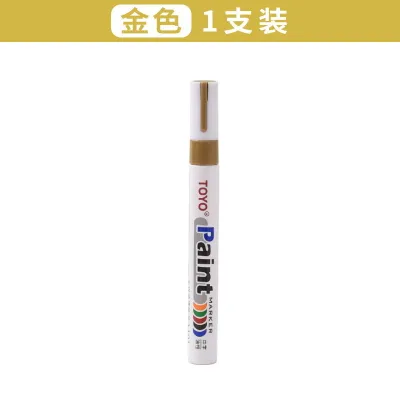
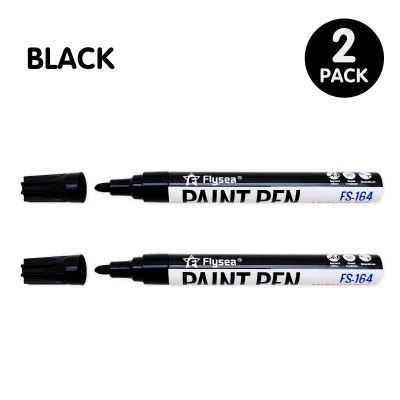
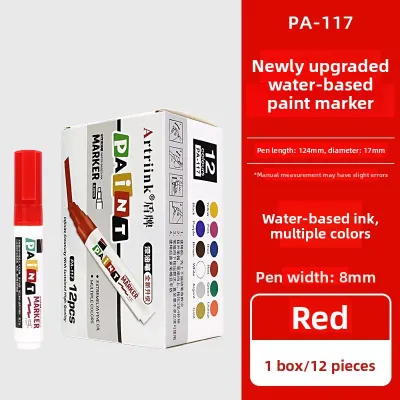
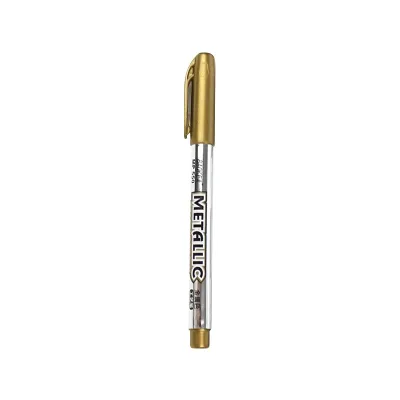
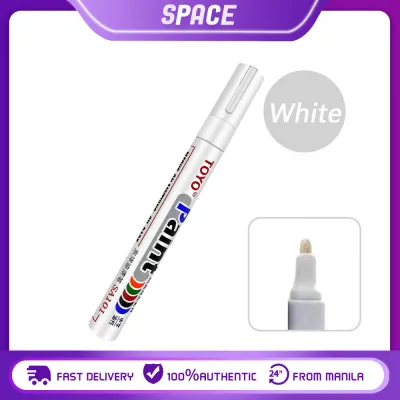
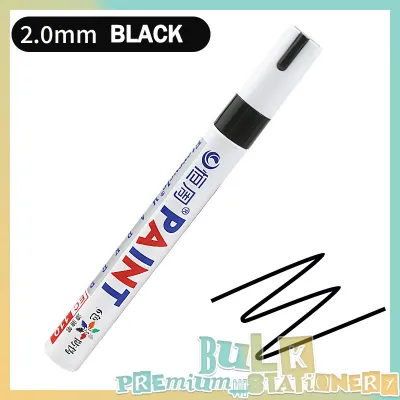
Prices are valid at publication and may change. Please refer to the product page for the latest price.

In contrast, acrylic paint pens rely on water-borne acrylic polymers. When you apply acrylic paint, the water evaporates, forcing the tiny polymer spheres to coalesce and form a flexible plastic film. While this film is highly durable on porous surfaces like wood or canvas, its mechanical grip on smooth, non-porous metals is inherently weaker. Without a textured surface to cling to, the acrylic film simply sits on top of the metal, making it easier to peel or scrape away.
The specific type of metal also plays a critical role in how well these binders adhere. Raw steel, iron, and oxidized metals have a slightly rougher texture that can help acrylics grip, but they are also highly prone to rusting if moisture gets trapped underneath. Smooth, coated metals like anodized aluminum or galvanized steel have very low surface energy, which can cause water-based acrylics to bead up or fail to bond properly. Before starting your project, always inspect the metal surface and check the manufacturer’s product label to verify that the pen is rated for your specific metal type.
Durability and Environmental Resistance Compared
Environmental factors are the ultimate test of a paint pen’s longevity, particularly in tropical climates characterized by intense heat, high humidity, and heavy seasonal rainfall. Moisture resistance is where oil-based formulas shine. Once fully cured, oil-based paint naturally repels water, preventing moisture from seeping under the paint layer and initiating rust on ferrous metals. Unsealed acrylic paint, being water-based in its uncured state, can absorb microscopic amounts of moisture over time when exposed to constant high humidity, which can eventually cause the paint film to swell, soften, and peel away from the metal.
UV exposure and color fading are also major concerns for outdoor metal installations. Both oil-based and acrylic pens can offer excellent fade resistance, but this depends more on the quality of the pigments used rather than the binder itself. High-quality, pigment-based markers resist fading under direct sunlight far better than dye-based alternatives. However, some oil-based binders can yellow or become brittle over years of intense UV exposure, whereas acrylic polymers tend to remain clear and flexible under the sun.
When it comes to physical wear, oil-based paints provide higher scratch and abrasion resistance. The cured solvent-based film is hard and resilient, making it ideal for items that are handled frequently. Acrylic paint remains somewhat soft and elastomeric, meaning a sharp fingernail or a tool scrape can easily tear the paint film. To verify how well a specific paint pen will hold up on your metal surface, it is highly recommended to perform a simple cross-hatch adhesion test. Apply a small patch of paint to an inconspicuous area, let it cure completely, use a utility knife to score a light grid pattern, press a piece of strong adhesive tape over the grid, and pull it off quickly to see if any paint lifts.
Drying Time, Finish, and Application Experience
The practical experience of using these pens involves a clear trade-off between convenience and ultimate durability. Acrylic paint pens are highly favored for their rapid drying times. They are typically dry to the touch within five to fifteen minutes, allowing you to layer different colors, add fine details, or handle the item quickly without smudging the design. This fast-drying nature makes them excellent for intricate indoor art projects and multi-colored illustrations.
Oil-based paint pens require a much greater investment of time. They can take anywhere from several hours to a full day to dry to the touch, and they may require several days to cure completely to their maximum hardness. During this curing phase, the painted item must be kept in a dust-free, dry environment to prevent airborne particles from settling into the wet paint.
The visual finish also differs between the two formulas. Both types are available in gloss, semi-gloss, matte, and metallic finishes. However, on reflective metal surfaces, oil-based metallic pens often deliver a more convincing, liquid-like metallic sheen because the solvent allows the metallic pigments to align more uniformly. Acrylic metallics, while vibrant, can sometimes appear slightly more textured or glittery rather than smoothly metallic.
Finally, consider the working environment. Oil-based pens contain volatile organic solvents that emit a strong, chemical odor during application and drying. They must be used in well-ventilated areas or outdoors to avoid inhaling fumes. Cleanup also requires solvents like mineral spirits or rubbing alcohol. Acrylic pens are virtually odorless, water-soluble while wet, and can be cleaned up easily with soap and water, making them much more comfortable for indoor use.
How to Choose the Right Metal Paint Pen for Your Project
Selecting the right marker depends on where the finished metal item will live and how it will be used. You can guide your decision by evaluating your project against these specific frameworks.
Choose Oil-Based If…
- The metal item will be kept outdoors, exposed to rain, high humidity, or direct sunlight, such as garden ornaments, outdoor signage, or automotive parts.
- The painted surface will experience frequent handling, friction, or physical contact, such as hand tools, keys, or metal railings.
- You are marking raw, untreated iron or steel that requires a moisture barrier to help prevent rust formation.
Choose Acrylic If…
- The project is an indoor decorative piece, such as painted metal tins, picture frames, or detailed model figures.
- You need to complete the project quickly, requiring fast drying times to layer multiple colors without bleeding.
- You are working in an enclosed space with limited ventilation, or you are working alongside children where low-odor, non-toxic materials are preferred.
- You want the convenience of easy water cleanup for accidental spills or messy hands.
Verify First If…
- You are working with specialized metals like galvanized steel, copper, or brass. Galvanized steel has a protective zinc coating that can react chemically with certain oil-based binders, leading to a powdery residue that causes the paint to peel off over time. Copper and brass can also tarnish or react with specific paint formulations. For these materials, always verify the manufacturer's instructions or perform a small test patch before committing to the entire surface.
Surface Preparation and Maintenance for Maximum Longevity
No matter which paint pen formula you choose, the longevity of the paint on a metal surface is ultimately decided by how well you prepare the surface before drawing. Metal surfaces naturally collect oils, grease, dust, and oxidation layers that prevent paint from establishing a secure bond.
Begin by thoroughly cleaning the metal. Use a mild degreaser, dish soap, or rubbing alcohol to remove all surface oils, fingerprints, and dirt. If the metal has rust spots or an existing loose coating, use a wire brush or fine-grit sandpaper to scrub the surface down to bare, clean metal. For extremely smooth or polished metals, lightly scuffing the surface with 400-grit sandpaper creates microscopic texture—often called a “tooth”—which dramatically improves the mechanical adhesion of both oil-based and acrylic paints.
For projects that demand the absolute maximum lifespan, consider using primers and sealers. Applying a metal-compatible primer before painting provides a uniform, high-adhesion base layer that prevents peeling. This step is especially crucial for acrylic paint pens on outdoor metal. Once your design is complete and fully cured, applying a clear, UV-resistant acrylic or polyurethane sealer will lock in the paint, protecting it from moisture, UV rays, and physical scratches.
To maintain your painted metal items over time, clean them gently. Avoid using harsh chemical solvents, abrasive scrubbing pads, or high-pressure water, as these can degrade and strip the paint. Instead, wipe the surface with a soft microfiber cloth dampened with water and a tiny drop of mild dish soap to keep your designs looking vibrant for years.
Frequently Asked Questions (FAQ)
Can I use acrylic paint pens on metal without a primer?
Yes, you can apply acrylic paint pens directly to clean, bare metal, but the paint will be highly susceptible to scratching, peeling, and moisture damage. For decorative indoor items that will not be handled, direct application can work well. However, for any item exposed to handling, outdoor weather, or high humidity, applying a metal-compatible primer first is highly recommended to ensure the paint adheres properly and lasts over time.
How do I fix mistakes made with an oil-based paint pen on metal?
If you make a mistake with an oil-based paint pen, act quickly while the ink is still wet. You can easily wipe it away using a cotton swab or cloth dampened with rubbing alcohol, mineral spirits, or acetone. If the paint has already dried and cured, you will need to apply a small amount of acetone or a specialized paint remover to a cloth and gently rub the area. Avoid using steel wool or harsh abrasive pads, as these can easily scratch and damage the underlying metal finish.
Community discussion
Share your experience or ask a question. Comments are reviewed before publication.