
Quick Answer: Which Permanent Marker Should You Choose?
Selecting the right permanent marker depends entirely on the material you are marking and the environment where the finished item will be kept. Because ink formulations interact differently with various textures and moisture levels, matching the solvent base to your specific task ensures your markings remain legible, vibrant, and intact over time.
Choose Oil-Based Markers if:
- You are writing on non-porous, slick, or dirty surfaces such as glass, metal, glazed ceramics, heavy-duty plastics, or polished stone.
- The marked item will be exposed to outdoor elements, high humidity, rain, or frequent handling.
- You require a thick, opaque, paint-like finish that sits on top of the material rather than soaking into it.
Choose Alcohol-Based Markers if:
Products mentioned in this guide
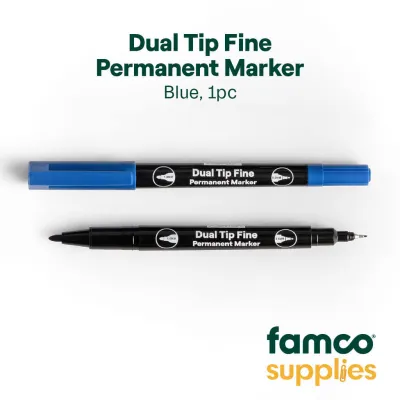
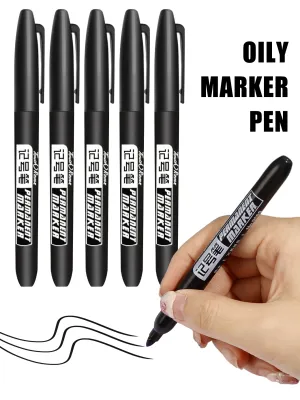
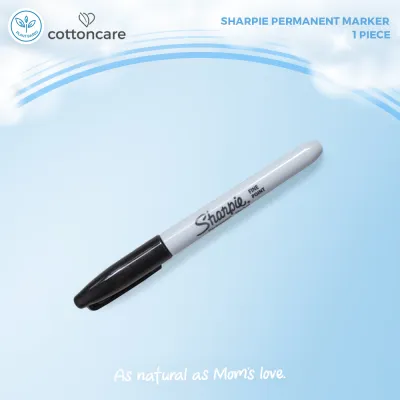
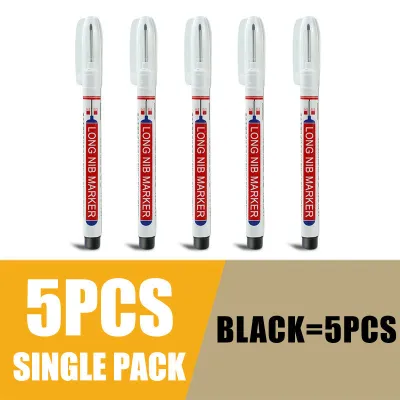
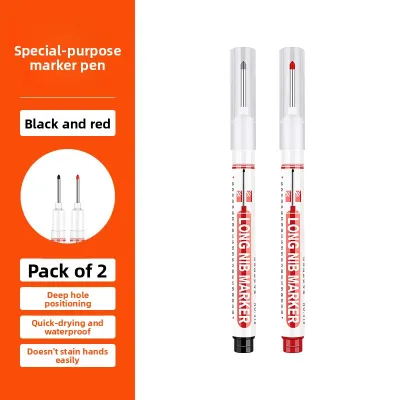
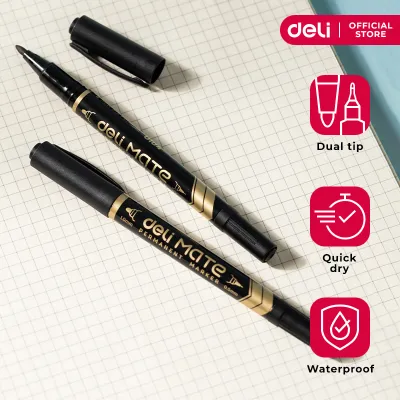
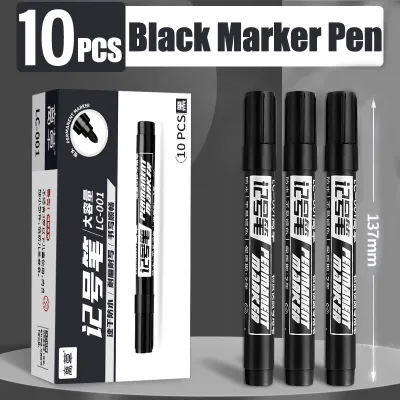
Prices are valid at publication and may change. Please refer to the product page for the latest price.
- You are working on porous surfaces like paper, cardboard, poster board, canvas, or untreated wood.
- You need the ink to dry almost instantly to prevent smudging during fast-paced work.
- You are working indoors or in smaller spaces where strong chemical odors are a concern.
Neither option is suitable if you require temporary labeling, easy dry-erase removal, or acid-free archival preservation on delicate historical documents. For those specialized tasks, look for dedicated dry-erase markers or certified archival pigment pens instead.
Core Differences in Ink Formulation and Drying Mechanism
To understand why these two markers behave so differently, it helps to look at what happens inside the marker barrel. Every permanent marker relies on a carrier solvent to keep the coloring agents fluid. Once you write on a surface, that solvent must escape or disperse, leaving the color behind. The chemical nature of this solvent dictates the marker’s drying speed, adhesion, and overall behavior on different mediums.

Alcohol-based markers utilize fast-evaporating solvents like isopropyl alcohol or ethanol. These solvents carry highly soluble dyes that penetrate deep into the fibers of the writing surface. Because alcohol has a low boiling point and high volatility, the solvent evaporates almost immediately upon contact with the air. This rapid evaporation leaves the dye dry and set within seconds, making it highly efficient for quick writing tasks.
Oil-based markers, often referred to as paint markers, use heavier organic solvents or hydrocarbons to carry suspended pigments rather than dissolved dyes. Instead of evaporating instantly, these oils dry through a slower process of evaporation combined with oxidation. As the solvent slowly disperses, the oil-based binders cure, forming a tough, continuous, and opaque protective film over the surface. This film acts as a physical barrier, keeping the pigment locked in place.
These differing mechanisms directly impact how the inks behave on thin materials. The highly fluid nature of alcohol solvents allows them to travel quickly through porous fibers, which often results in bleed-through on the back of paper. Oil-based inks are much more viscous; they tend to sit on top of the material, though the oil carrier can sometimes leave a faint, translucent halo around the edges of your writing on low-grade paper.
Surface Compatibility: Where Each Marker Performs Best
Matching your marker to the porosity of your working material is the most effective way to prevent smudging, fading, or bleeding. Porous and non-porous materials react to solvents in completely opposite ways, meaning a marker that excels on one surface may fail entirely on another.
Porous Materials
On porous materials like cardboard, paper, and untreated wood, alcohol-based markers are generally the practical choice. The fibers of these materials quickly absorb the liquid dye, locking it into the structure of the item. However, this high absorption rate can cause feathering—where the ink spreads outward along the fibers, blurring sharp lines. If you are writing on thin paper, the alcohol ink will almost certainly bleed through to the other side, potentially ruining sheets underneath.
Non-Porous Materials
On non-porous or slick surfaces such as glass, metal, plastic storage bins, and glazed ceramics, alcohol-based ink struggles to find a foothold. Because the ink cannot penetrate the surface, it relies entirely on surface tension. This often causes the ink to bead up, pool unevenly, or wipe away easily with a damp cloth. Oil-based markers shine on these slick surfaces. The curing binders create a durable, paint-like layer that adheres tightly to smooth surfaces, resisting water and light physical contact.
Testing Your Marker
Because every material formulation is slightly different, you should always perform a quick compatibility test before starting a major project. Use this simple verification checklist on a scrap piece or an inconspicuous area of your item:
- The Bleed Test: Draw a small, thick line on your test piece. Check the reverse side to see if the solvent has penetrated through the material or created an oily shadow.
- The Drying Trial: In highly humid conditions, time how long it takes for the ink to become completely dry to the touch. Alcohol inks should dry in seconds, while oil-based inks may require several minutes.
- The Adhesion Check: Once the ink is fully dry, gently rub your finger over the mark. If the ink flakes, smears, or rubs off easily, the surface is too slick or dirty for that specific formulation.
- The Moisture Resistance Test: Spritz a few drops of water onto the dried mark and wipe gently with a dry cloth to verify if the ink remains stable.
Durability, Smudging, and Odor Considerations
Beyond surface compatibility, daily usability depends heavily on environmental factors, drying times, and the workspace itself. These practical trade-offs can make a significant difference in your comfort and the longevity of your work.
In tropical climates characterized by high humidity, drying times can vary significantly from standard manufacturer estimates. While alcohol-based markers still dry relatively fast because of the high volatility of alcohol, oil-based markers can take much longer to cure completely. If you handle an oil-marked item too quickly in humid conditions, you risk smudging the wet paint and transferring it to your hands or clothing.
When it comes to environmental durability, oil-based inks generally offer superior resistance to physical wear, water exposure, and UV-induced fading. The solid pigment layer is physically tougher than dissolved dyes, which tend to break down more quickly when exposed to direct sunlight or outdoor weathering. However, you should always check the manufacturer’s label to verify specific claims such as “UV-resistant” or “weatherproof,” as formulations vary widely between brands.
Odor and ventilation are critical safety considerations when working with permanent markers. Alcohol-based markers carry a distinct, slightly sweet alcohol smell that is generally tolerable in standard indoor spaces, and many low-odor options are readily available. Oil-based markers, however, often utilize stronger organic solvents that release potent fumes. Prolonged exposure to these fumes in enclosed spaces can cause headaches or dizziness. Always ensure your workspace has active ventilation—such as open windows or an exhaust fan—when working with oil-based markers for extended periods.
How to Verify Marker Specifications Before Buying
When shopping at your local stationery store or browsing an online marketplace, reading the product packaging carefully will save you from purchasing the wrong tool for your project. Manufacturers use specific terminology to indicate how their inks will perform under different conditions.
First, look closely at the ingredient and feature callouts on the label. If a marker is described as “pigment-based,” “paint marker,” or “opaque,” it is almost certainly an oil-based or acrylic-based formula designed for heavy-duty surface adhesion. Terms like “dye-based,” “quick-drying,” or “low-odor” typically point to an alcohol-based formula. If you require markings that will not degrade acid-sensitive papers over time, look specifically for the term “acid-free” or “archival safe.”
Next, consider the nib type and how it pairs with the ink formulation to suit your task. Permanent markers generally come in three primary tip shapes:
- Chisel Tips: Excellent for broad strokes, filling in large areas, or creating bold, high-visibility labeling on shipping boxes.
- Bullet Tips: Provide a consistent, medium-width line that is ideal for general writing, labeling storage bins, and clear diagramming.
- Fine and Ultra-Fine Tips: Best for detailed writing, sketching, or marking small components where precision is required.
Keep in mind that fine tips on oil-based markers require careful maintenance. Because oil-based ink is thicker, fine tips can easily clog if used on dusty, fibrous, or dirty surfaces. Conversely, broad chisel tips on alcohol markers are highly efficient for rapid, large-scale marking because the fluid ink flows quickly and dries almost instantly over wide areas.
Finally, always review the manufacturer’s safety data and usage instructions on the packaging. This is especially important if your project involves items that will be handled by children, or if you are marking surfaces that might come into indirect contact with food. Most standard permanent markers are not food-safe, so you must verify specialized certifications if you plan to label kitchen canisters or food storage containers.
Frequently Asked Questions (FAQ)
Can you remove oil-based or alcohol-based permanent marker from non-porous surfaces?
Yes, permanent marker can often be removed from non-porous surfaces, but the ease of removal depends entirely on the ink’s solvent base. Because alcohol-based inks are soluble in alcohol, you can usually dissolve and wipe them away using a high-percentage isopropyl rubbing alcohol, hand sanitizer, or a dedicated dry-erase marker scribbled directly over the permanent mark.
Oil-based inks are much more resilient once cured. To remove them, you will generally need stronger solvents such as mineral spirits, acetone, or specialized adhesive removers. Before applying any strong solvent, always check the surface manufacturer’s cleaning guidelines and test the solvent on a hidden spot. Harsh chemicals like acetone can easily melt, cloud, or permanently damage sensitive plastics, acrylics, and varnished wood finishes.
How do you revive a dried-out permanent marker?
Reviving a dried-out marker is sometimes possible if the internal ink reservoir is not completely empty and the nib is still physically intact. For an alcohol-based marker, you can try uncapping the pen and placing a few drops of high-percentage isopropyl alcohol directly onto the felt nib. Stand the marker tip-up for a few minutes to allow the alcohol to seep down and re-solubilize the dried dye inside the core.
For oil-based paint markers, the drying issue is often caused by a clogged valve or a dried crust of paint on the tip. Many oil-based markers feature a valve-action mechanism; you can try removing the nib, soaking it in a small amount of mineral spirits to dissolve the hardened paint, wiping it clean, and reinserting it. Once reassembled, shake the marker thoroughly and press the tip firmly against a scrap piece of paper to prime the ink flow. If the internal resin has completely cured inside the marker’s barrel, the ink cannot be salvaged, and the marker must be discarded.
Community discussion
Share your experience or ask a question. Comments are reviewed before publication.