
Choosing between a one-line-per-day format and a full-page five-year journal depends entirely on your daily time commitment, writing style, and how much physical space you need to express your thoughts.
If you are a busy professional, a student, or a beginner looking to build a highly consistent, low-pressure writing habit, the One Line Per Day format is your best match. It requires only a minute or two each night and easily fits into a hectic schedule. Conversely, if you view journaling as a therapeutic, creative, or deeply reflective practice and want ample room for long-form writing, sketches, or pasting memorabilia, the Full Page (or expanded) format is the ideal choice. Both formats offer a beautiful way to track your personal growth over half a decade, but they serve very different daily routines.
Understanding the Two Main 5-Year Journal Formats
Before choosing a five-year journal, it is essential to understand how these two formats differ in their physical layouts, structural philosophies, and daily usability. While both books serve the same ultimate purpose—recording five years of your life in a single volume—the way they allocate physical space dictates how you will interact with them every day.
Products mentioned in this guide
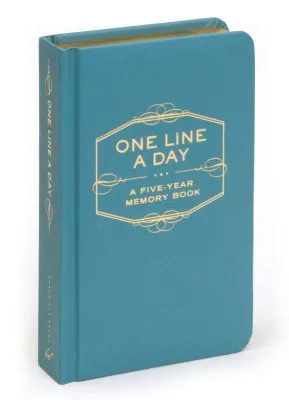
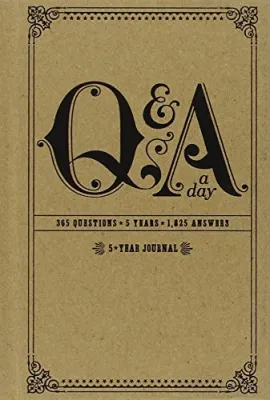
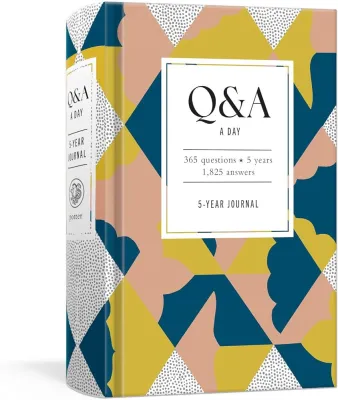
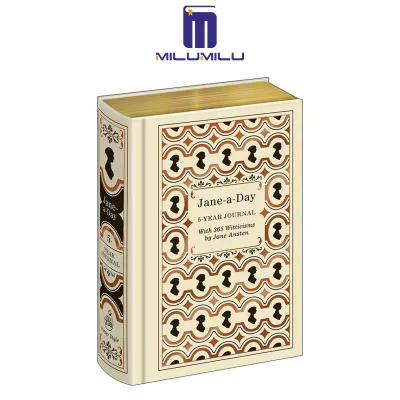
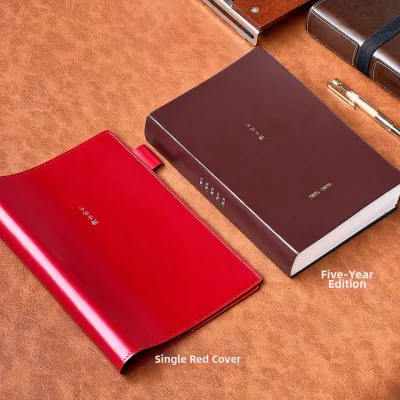
Prices are valid at publication and may change. Please refer to the product page for the latest price.
The "One Line Per Day" Format
The “One Line Per Day” format is built on the philosophy of intentional constraint. In this layout, a single page is dedicated to each calendar date (for example, October 15th), and that page is divided horizontally into five equal, relatively narrow sections—one for each year.
Because each annual section typically offers only three to four horizontal lines, you are physically limited to writing about 30 to 50 words per entry. This constraint forces you to distill your entire day into a single, highly meaningful sentence, a core memory, or a dominant feeling. It removes the intimidation of the blank page by making the daily writing area incredibly small and approachable.
The "Full Page" or Expanded Format
The “Full Page” or expanded five-year journal format offers a much larger canvas. While it still assigns a single page to each calendar date, the physical size of the book is significantly larger—usually A5 or B6 standard dimensions—meaning each of the five annual sections provides a substantial block of writing space.
In an expanded format, each year’s entry block can accommodate a full paragraph, bulleted lists, or even small sketches and pasted ephemera like photo prints, ticket stubs, and stickers. This structure is designed for those who find a single sentence too restrictive and want the freedom to document detailed narratives, emotional nuances, or daily gratitude lists without running out of room.
Key Comparison Dimensions for 5-Year Journals
To determine which format will support your writing habit over the next five years, you must evaluate how each option performs across several practical dimensions. These criteria directly affect your daily writing experience, physical comfort, and long-term satisfaction.

Time Commitment and Daily Effort
Maintaining a journal for five years requires remarkable consistency, making daily time commitment the most critical factor to consider. The One Line Per Day format has an incredibly low barrier to entry. It takes less than two minutes to complete a daily entry, making it easy to maintain even when you are exhausted, traveling, or short on time. This low mental demand helps prevent journaling burnout and ensures that you can maintain the habit over the long haul.
In contrast, the full-page expanded format requires a more conscious allocation of time and mental energy. Filling a larger block of text typically takes five to fifteen minutes of quiet reflection. While this encourages deeper mindfulness, it can also feel like an intimidating chore on busy or low-energy days. If you struggle with consistency, the pressure of leaving large, empty blocks of space in an expanded journal can sometimes lead to abandoning the practice altogether.
Memory Recall and Year-Over-Year Comparison
The primary joy of keeping a 5 year journal is the ability to look back and instantly compare what you were doing on the exact same date in previous years. The physical layout of the journal dictates how easily you can experience this nostalgic comparison.
In a standard compact One Line Per Day journal, all five years are stacked directly on top of one another on a single page. This means that by year three, four, and five, you can see your historical entries in a single glance as you write your current entry. This layout offers an immediate, highly visual, and emotionally powerful way to recognize personal growth, recurring seasonal moods, or life changes.
With larger, full-page formats, year-over-year comparisons are still central to the design, but the visual contrast is slightly different. Because the writing blocks are much larger, your eyes must travel further down a substantial page to read past entries. In some multi-volume five-year sets, you may even need to flip between different physical books or sections to compare dates, which offers deeper contextual reading but sacrifices the instant, single-glance visual comparison of the compact layout.
Writing Space and Flexibility
The physical space available in your journal directly shapes the content of your writing. The strict limitation of the One Line Per Day format is excellent for capturing high-level life snapshots, such as major milestones, daily weather, a quick summary of an event, or a single gratitude statement. However, it leaves no room for processing complex emotions, detailing long conversations, or exploring creative writing.
An expanded full-page journal offers unparalleled creative flexibility. The larger writing blocks allow you to mix writing styles depending on your mood. You can write a cohesive narrative paragraph on Monday, list your daily meals and exercises on Tuesday, sketch a quick doodle on Wednesday, and paste a coffee sleeve or movie ticket on Thursday. This format adapts to your changing creative needs over five years, making it a highly personalized scrapbook of your life.
Size, Portability, and Desk Footprint
Because a five-year journal is a long-term companion, its physical dimensions, weight, and paper specifications are vital to your daily comfort. Compact One Line Per Day journals are typically lightweight, slim, and highly portable. They can easily be tossed into a backpack, kept on a small bedside table, or carried during travel without adding bulk.
Expanded full-page five-year journals, on the other hand, are physical heavyweights. Because they contain 365 pages of thick, high-quality paper in an A5 or B6 size, they are often thick, heavy, and best suited for a permanent spot on a dedicated desk.
When evaluating these larger journals, it is crucial to consider the paper weight (measured in grams per square meter, or GSM) and the binding. Look for journals that feature Smyth-sewn or thread-bound lay-flat binding. A lay-flat binding is absolutely essential for thick, multi-year journals; without it, the book will constantly try to spring shut, making it incredibly difficult and frustrating to write near the inner margins as the years progress.
Furthermore, if you reside in a tropical, high-humidity environment like the Philippines, paper selection requires extra care. High relative humidity can cause paper fibers to expand, making low-quality paper highly prone to ink feathering, ghosting, and slow drying times. If you prefer using fountain pens, liquid gel pens, or rollerballs, you must verify that the journal uses high-quality, coated paper (such as 80 GSM to 120 GSM fountain-pen-friendly paper) to prevent bleed-through and ensure your ink dries cleanly without smudging in humid weather.
Who Should Choose the One Line Per Day Format?
The One Line Per Day format is specifically designed for individuals who want to capture the essence of their lives without the pressure of long-form writing. You should choose this format if you fall into any of the following categories:
- The Busy Professional or Parent: If your daily schedule is packed with meetings, chores, or childcare, you likely do not have the energy for deep nightly reflection. A quick, two-minute sentence before sleep is a manageable commitment that fits into any lifestyle.
- The Journaling Beginner: If you have never kept a diary before, starting with a standard blank journal can feel overwhelming. The tiny writing space of a one-line journal acts as training wheels, helping you build a consistent daily writing habit without fear of the blank page.
- The Frequent Traveler: If you travel often for work or leisure, a compact, lightweight pocket-sized journal is easy to pack and maintain on flights, buses, or in hotel rooms.
- The Minimalist Archivist: If you prefer high-level snapshots over emotional processing, this format allows you to document the external facts of your life—where you went, who you saw, and major milestones—in a clean, concise archive.
Who Should Choose the Full Page Format?
The expanded, full-page five-year journal is designed for those who view writing as an essential creative outlet, a therapeutic tool, or a detailed memory-keeping practice. This format is ideal for:
- Avid Writers and Reflective Thinkers: If you use journaling to process complex emotions, analyze your day, or work through personal challenges, you need the physical space that only an expanded layout can provide.
- Scrapbookers and Mixed-Media Artists: If you love customizing your pages with stickers, washi tape, stamps, photobooth prints, or small sketches, the generous writing blocks of an A5 or B6 expanded journal will accommodate your creativity.
- Bullet Journaling Enthusiasts: If you like to track daily habits, sleep patterns, mood ratings, or gratitude lists alongside your written entries, the larger format gives you the structural freedom to design custom daily layouts.
- Those with a Dedicated Writing Space: If you have a permanent desk, study area, or cozy reading nook where your journal can sit undisturbed, the physical size and weight of a large, heavy volume will not be a hindrance to your daily routine.
Decision Framework: How to Make Your Final Choice
To make your final decision, walk through this practical step-by-step framework to ensure your chosen journal aligns with both your lifestyle and your stationery preferences.
Choose One Line Per Day if:
- You want to spend less than 5 minutes a day journaling.
- You prioritize portability and want a book you can easily carry in a bag.
- You want an instant, highly visual, side-by-side comparison of all five years on a single page.
- Your primary goal is to build a highly consistent, low-pressure daily habit.
Choose Full Page if:
- You view journaling as a dedicated creative, therapeutic, or artistic outlet.
- You want to write detailed paragraphs, bulleted lists, or incorporate daily gratitude tracking.
- You want to paste physical memorabilia, stickers, or photos into your entries.
- You have a dedicated desk space and do not mind a heavier, thicker book.
Verify Before You Buy
Before purchasing any five-year journal, perform these essential quality checks to ensure the physical book can withstand five years of daily handling:
- Check the Binding: Ensure the manufacturer explicitly states that the journal features thread-bound, Smyth-sewn, or lay-flat binding. Avoid cheap perfect-bound (glued) journals of this thickness, as the spine is highly likely to crack or lose pages over five years of regular opening and closing.
- Assess Paper Quality and Pen Compatibility: If you plan to use fountain pens, wet gel pens, or high-pigment markers, look for paper with a weight of at least 80 GSM to 120 GSM that is labeled as bleed-resistant or fountain-pen-friendly.
- Perform an Ink Test: Once you receive your journal, perform an observable trial by writing a few words with your favorite pen on an inconspicuous back page or index page. Check for feathering (ink spreading along paper fibers), ghosting (show-through on the reverse side), bleed-through (ink soaking completely through the page), and drying speed. In humid environments, allow extra time for the ink to dry during your test to determine if you need to switch to a faster-drying ink or a finer pen tip.
- Confirm Physical Dimensions: Carefully review the exact product dimensions (A5, B6, A6, or pocket size) to ensure the book fits comfortably on your nightstand, desk, or in your preferred carrying bag.
Frequently Asked Questions (FAQ)
Can I start a 5-year journal in the middle of the year?
Yes, you can absolutely start a five-year journal at any point during the year. You do not have to wait until January 1st to begin.
If you are using a One Line Per Day journal, simply flip to the current calendar date and begin writing. You can leave the preceding months of the first year blank, or you can use those empty lines for general notes, monthly reflections, favorite quotes, or goal-setting lists.
For full-page journals, the process is the same: start writing on today’s date. The unused pages from earlier in the year can serve as a creative index, a space for future planning, or a place to paste photos from your journey.
What happens if I miss a day in a 5-year journal?
Missing a day is an inevitable part of a five-year journey, and it is important to remember that a missed entry does not ruin your journal. Perfectionism is the enemy of consistency; flexibility and grace are what will keep you going over half a decade.
If you miss a day in a One Line Per Day journal, you can simply leave the line blank. A blank line is a natural reflection of a busy, quiet, or restful day, and it holds its own memory when you look back years later. Alternatively, you can write a brief note summarizing the missed period once you catch up.
In a full-page journal, an empty block can be left as is, or you can fill it later with a simple doodle, a favorite quote, a printed photo, or a quick note explaining that you took a break. Treat your journal as a living document of your life, complete with its quiet spaces and busy gaps.
Community discussion
Share your experience or ask a question. Comments are reviewed before publication.