
Orbizz balls—often associated with colorful, spherical beads found on online marketplaces—can refer to vastly different materials depending on the specific manufacturer. While some crafters use the term to describe solid acrylic, resin, or glass spheres, others associate it with water-absorbing hydrogel polymers. Before incorporating these beads into your jewelry designs, you must determine exactly what they are made of, as moisture-reactive materials behave very differently from stable crafting plastics under daily wear.
Understanding the physical and chemical properties of your materials is the cornerstone of successful jewelry making. When a bead is marketed under a trendy, proprietary name, it is easy to overlook its structural limitations. For wearable art that is expected to withstand friction, body heat, and environmental exposure, choosing the wrong material can lead to broken strings, ruined clothing, or skin irritation. This guide breaks down how to identify the core materials of these beads, evaluate their structural limits, and test them safely before committing to a final design.
Identifying Orbizz Balls and Their Core Materials
To ensure your jewelry pieces last, start by distinguishing between proprietary brand names and the actual chemical composition of the beads. Many novelty beads are marketed under catchy names that obscure whether they are made of solid polymer, glass, resin, or superabsorbent hydrogel. Using the wrong type can cause your finished necklaces or bracelets to degrade rapidly when exposed to the elements.
Products mentioned in this guide
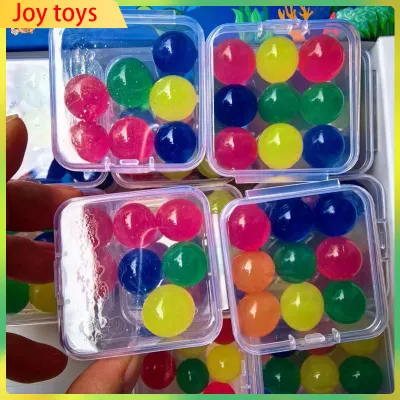
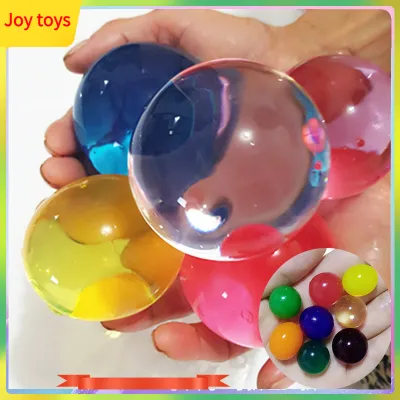
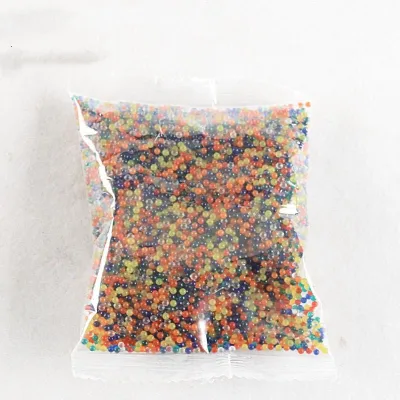
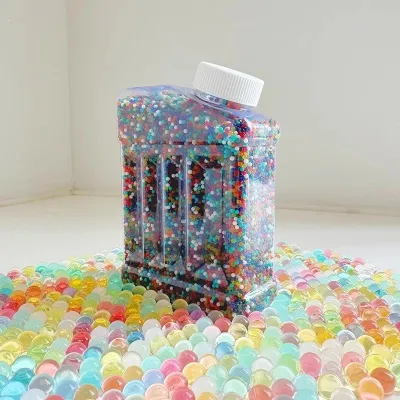
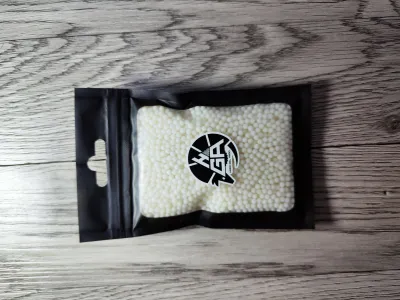
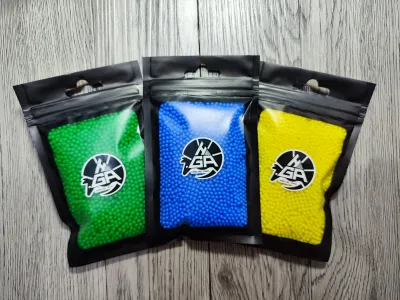
Prices are valid at publication and may change. Please refer to the product page for the latest price.
Always check the manufacturer packaging, product labels, or safety data sheets (SDS) for explicit material declarations. If you purchased the beads from an online marketplace, review the technical specifications section of the listing rather than relying solely on the promotional title. Look for terms like “polyacrylamide” or “sodium polyacrylate” which indicate water-absorbing hydrogels, versus “acrylic,” “polystyrene,” or “silicate glass” which denote stable, solid materials.
When official labels are missing or unclear, you can perform simple physical observations to narrow down the material category. Solid glass beads feel cool to the touch and carry a noticeable weight, while acrylic and resin spheres feel warmer and significantly lighter. If the beads are soft, squishy, or expand dramatically when placed in water, they are hydrogels and should be kept far away from traditional jewelry-making projects.
Additionally, examine the surface texture and light refraction of the beads. High-quality resin and acrylic beads often have a smooth, glossy finish that mimics glass but lacks its cold thermal conductivity. If you notice a seam line running along the center of the sphere, it is highly likely a molded plastic or polymer bead, which requires extra care during preparation to ensure a professional finish.
Evaluating Suitability for Jewelry Making
Once you have identified the material, you must evaluate its physical characteristics against the demands of daily wear. Start by inspecting the drill holes of the beads under a magnifying glass or bright light. Rough, uneven, or sharp edges inside the channel can easily fray or sever your stringing wire, nylon thread, or elastic cord over time. If the holes are too narrow, forcing a thick headpin or wire through them can crack the bead entirely.

In tropical climates where humidity and sweat are constant factors, water resistance is a critical consideration for wearable art. If your beads are made of hydrogel or low-grade porous polymers, they will absorb moisture from the air or the wearer’s skin, leading to swelling, structural softening, and eventual breakdown. Stable jewelry components must remain completely inert when exposed to water, maintaining their exact shape and hardness.
Colorfastness and resistance to ultraviolet (UV) light are equally vital for maintaining the aesthetic value of your designs. Some inexpensive plastic and dyed resin beads use surface-level pigments that bleed when wet, which can ruin clothing or stain the wearer’s skin. Exposure to sunlight can also cause unstable dyes to fade or turn yellow, transforming a vibrant accessory into a dull, brittle piece within a few weeks of outdoor wear.
Furthermore, consider the mechanical impact resistance of the material. Jewelry worn on the wrists or hands, such as bracelets and rings, frequently knocks against hard surfaces like desks, doors, and countertops. Brittle materials or beads with thin hollow walls will shatter or chip under these minor impacts, whereas solid, high-density polymers or tempered glass can withstand daily bumps without losing their structural integrity.
Practical Tests and Handling Guidelines
Before committing an entire batch of beads to a complex jewelry design, conduct a few simple, non-destructive trials on a few spare pieces. Submerge a sample bead in water for several hours to verify that it does not swell, soften, or leach dye into the liquid. After drying, apply gentle pressure with a pair of flat-nose pliers to ensure the bead can withstand the mechanical stress of assembly without shattering.
If your design requires adhesives, jewelry glue, or clear protective sealants, test these chemical combinations on a single bead first. Certain solvents in fast-drying glues can react aggressively with specific plastics, causing the surface of the bead to melt, turn cloudy, or lose its glossy finish. Opt for water-based or jewelry-specific epoxies that explicitly state compatibility with acrylics and plastics.
Proper storage is essential for preserving the quality of your beads before they are assembled into finished pieces. Keep your supplies in a cool, dry drawer away from direct sunlight, utilizing modular plastic organizers to prevent the beads from rubbing against each other and developing surface scratches. In humid environments, adding a small packet of silica gel to your storage container helps regulate moisture levels and prevents premature degradation.
When handling delicate or coated beads during assembly, use nylon-jaw pliers instead of bare metal tools. Metal pliers can easily scrape off protective coatings, paint, or pearlescent finishes, leaving unsightly marks on your finished jewelry. Taking these small precautions during the crafting phase ensures that your materials remain pristine from the workbench to the wearer.
Choosing Alternative Bead Materials
If your evaluation reveals that your Orbizz balls are too fragile, porous, or moisture-sensitive for jewelry, several reliable alternatives offer superior durability and a similar aesthetic. High-grade acrylic beads provide the same lightweight feel and vibrant color selection without the risk of water absorption. For a more premium weight and brilliant shine, glass beads are an excellent choice that resists scratching and UV damage.
When selecting alternative materials, match the physical properties of the bead to the specific type of jewelry you are creating. Heavy-duty items like daily-wear bracelets and keychains benefit from the impact resistance of natural stone, metal, or solid wood beads. Conversely, delicate drop earrings require lightweight materials like hollow glass or high-quality resin to prevent pulling on the wearer’s earlobes.
Consider your project budget and local sourcing options when planning large-scale or commercial crafting ventures. While natural gemstones and precious metals offer unmatched longevity, they require a higher initial investment. For budget-friendly production, sourcing bulk assortments of certified lead-free acrylic or glass beads from reputable local craft suppliers ensures both safety and consistent quality.
Ultimately, the success of your jewelry designs depends on matching the right material to the right application. By understanding the differences between novelty water-absorbing polymers and stable crafting beads, you can make informed decisions that protect your reputation as a maker and ensure your customers receive beautiful, durable pieces.
Frequently Asked Questions (FAQ)
Are hydrogel or water-absorbing beads safe for long-term skin contact in jewelry?
No, water-absorbing hydrogel beads are not suitable or safe for long-term skin contact in wearable jewelry. Because these materials absorb and retain moisture, they can easily trap sweat, body oils, and environmental bacteria against the skin, leading to irritation or hygiene issues. Furthermore, hydrogels are structurally unstable; they dry out and shrink when exposed to air, then swell and soften when wet, causing them to break apart easily during normal wear. For jewelry, always stick to non-porous, solid materials like glass, metal, or stable plastics.
How can I seal porous or moisture-sensitive beads to make them waterproof?
You can protect slightly porous or moisture-sensitive beads by applying a thin, even coat of jewelry-grade polyurethane sealant, clear acrylic spray, or UV-curable resin. Before coating an entire batch, always apply the sealant to a single test bead to check for adverse chemical reactions, such as surface melting, stickiness, or clouding. Ensure the bead is completely clean and dry before application, and allow it to cure fully in a dust-free environment according to the manufacturer’s instructions to create a durable, water-resistant barrier.
Community discussion
Share your experience or ask a question. Comments are reviewed before publication.