
Quick Answer: Which Travelers Notebook Fits Your Needs?
Choosing between an original traveler’s notebook and an alternative comes down to how you value brand heritage, material aging, and your specific writing environment. The genuine system is designed for those who appreciate the slow, character-rich aging of premium leather and the reliable performance of proprietary, fountain-pen-friendly paper. Investing in the original makes sense if you view your journal as a lifelong companion and collectibility is a priority.
Conversely, high-quality third-party alternatives are highly practical for daily, heavy-duty logging, especially if you operate in demanding environments. These alternatives often feature synthetic materials that resist moisture, offer non-standard sizes, and carry a much lower financial barrier to entry. For students, field workers, or anyone who needs a rugged, utilitarian notebook that can be tossed into a backpack without worry, a well-constructed alternative is often the more sensible choice.
Cover Materials and Patina Development
The cover is the defining physical characteristic of any traveler’s notebook system. Genuine covers are typically crafted from thick, vegetable-tanned leather that absorbs the oils from your hands, developing a distinct patina, deepening in color, and showing scratches that tell the story of your travels. However, in tropical climates with high humidity, such as the Philippines, genuine leather requires active maintenance to prevent mold and mildew from settling into the pores.
Products mentioned in this guide
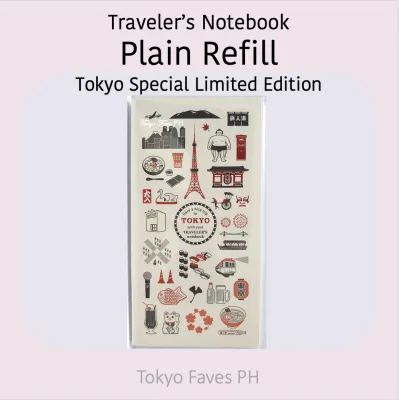

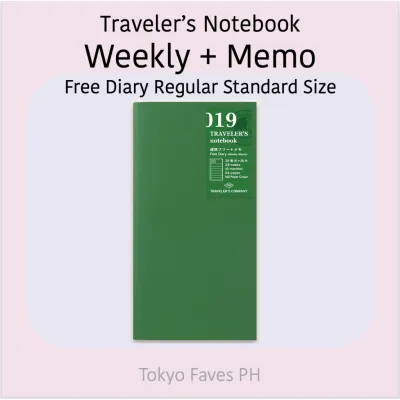
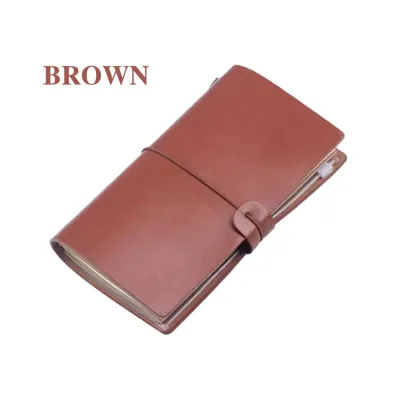
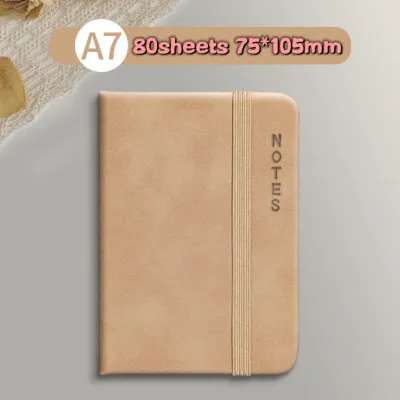
Prices are valid at publication and may change. Please refer to the product page for the latest price.

Synthetic leather and alternative covers, often made from polyurethane (PU), microfiber, or heavy canvas, offer a different set of physical properties. While they do not develop a classic patina, they are highly resistant to moisture, spills, and humid conditions. This makes them exceptionally durable for daily commuting in wet weather, as they can be wiped clean with a damp cloth without risking water stains or structural warping.
When shopping on online marketplaces, verifying material claims requires careful reading of product descriptions. Look for explicit terms like “full-grain leather” or “vegetable-tanned cowhide” rather than ambiguous phrases such as “leather-style,” “vegan leather,” or “PU leather,” which indicate synthetic materials. Reliable sellers will often detail the sourcing and tanning process of their leather covers.
Upon unboxing your notebook, you can perform several observable checks to confirm the material quality:
- Weight and Thickness: Genuine leather covers typically feel substantial, measuring between 2mm and 3mm in thickness, which prevents the cover from flopping or losing its shape.
- Initial Scent: Authentic leather carries a distinct, earthy, and rich scent, whereas synthetic alternatives often emit a sharp, chemical, or plastic-like odor.
- Texture and Flexibility: Real leather possesses natural surface variations, pores, and a slight stiffness that gradually softens with use, while synthetic covers tend to have a perfectly uniform texture and a springy, rubbery flexibility.
Paper Quality and Refill Compatibility
The writing experience is heavily dictated by the paper housed inside your notebook cover. Standard traveler’s notebook refills generally range from lightweight 64 gsm paper to heavier 100 gsm or 120 gsm options. If you write with fountain pens, gel pens, or wet inks, you must verify how the paper handles bleed-through, feathering, and ghosting.
To test a new refill, perform a simple ink trial on an inconspicuous back page. Write several lines using your heaviest ink and wettest pen tip, then observe the results. If the ink spreads outward into fuzzy lines, the paper is feathering; if the ink is highly visible on the reverse side, it is ghosting; and if the ink leaks completely through to the next page, it is bleeding. Genuine refills often use specialized paper designed to resist these issues, maintaining a smooth glide even with fine fountain pen nibs.
Sizing standards are another critical compatibility factor. The original system relies on two primary sizes:
- Regular Size: Approximately 110mm by 210mm, offering a tall, narrow canvas.
- Passport Size: Approximately 89mm by 124mm, designed for compact portability.
Many alternative covers adhere strictly to these dimensions, allowing you to mix and match original covers with alternative refills, or vice versa. However, some third-party manufacturers design their covers to fit standard A5, B6, or A6 sizes. Always measure your cover’s internal dimensions before purchasing bulk refills to ensure they do not overhang the edges of the cover.
Before committing to a bulk purchase of refills, inspect the physical construction of the insert. Check the paper grain direction by gently flexing the booklet; it should fold easily along the spine without resistance or cracking. Examine the binding glue or staples to ensure they are centered, and test the perforation quality of any tear-out pages to confirm they separate cleanly without ripping the main sheet.
Hardware, Binding, and Customization
A traveler’s notebook relies on a simple yet effective system of elastic bands and metal hardware to hold its inserts in place. The tension of these elastics determines how securely your refills sit inside the cover. Over time, exposure to heat, humidity, and constant stretching can cause elastic bands to lose their elasticity, requiring eventual replacement.
In humid environments, the metal components of your notebook are also subject to environmental wear. Genuine brass hardware will naturally tarnish, developing a dark, vintage look that many collectors appreciate. If you prefer a clean, polished appearance, you will need to clean the brass periodically. Alternative covers may use stainless steel, aluminum, or plastic hardware, which do not tarnish but may lack the classic aesthetic of brass.
Modularity is a major strength of this notebook style, but it has physical limits. While you can use connecting bands to link multiple refills together, overloading the system can cause issues. Adding more than three or four inserts, along with heavy accessories like plastic zipper cases, card holders, and pen loops, can strain the spine. This causes the cover to flare open, exposing the edges of your paper to damage and putting excessive tension on the elastic knots.
When assembling a heavily loaded setup, inspect these key stress points to prevent damage:
- Spine Elastics: Ensure the elastic band is not cutting deeply into the top or bottom edges of the cover material.
- Spine Reinforcement: Check if the spine area is bowing outward excessively, which can permanently warp the shape of leather or synthetic covers.
- Connection Knots: Verify that the knot securing the elastic inside the cover is tight and does not slip when the notebook is fully packed.
Budgeting and Long-Term Value
Planning your stationery budget requires looking at both the initial purchase and the ongoing cost of refills. A genuine starter kit represents a higher upfront cost in ₱, but it provides a durable foundation that can last for decades. Alternative systems offer a much lower entry price, allowing you to test the traveler’s notebook format without a significant financial commitment.
When allocating your budget, it is often wise to prioritize the components that directly impact your writing experience. If you use standard ballpoint pens or pencils, a budget-friendly cover paired with standard utility refills will serve you perfectly. However, if you write with fountain pens or liquid ink, you should allocate more of your budget toward high-quality, high-GSM paper refills, even if you choose a more affordable alternative cover to house them.
Be cautious of counterfeit products when browsing online marketplaces. Suspiciously low prices for items labeled as official brand merchandise are a primary red flag. Counterfeits often use cheap, synthetic glues that emit strong chemical odors, low-grade elastic bands that snap under minimal tension, and paper that bleeds heavily even with standard gel pens. To avoid these issues, purchase your covers and refills from authorized stationery distributors or reputable local shops.
Final Decision Framework: Choose Your Setup
To finalize your purchase decision, evaluate your daily habits, writing tools, and environment against this practical checklist:
- Choose the Original System if: You want the authentic heritage experience, appreciate the natural aging and patina of genuine leather, prefer proprietary paper formulations, and want a highly collectible item with reliable long-term support.
- Choose an Alternative System if: You need a rugged, low-maintenance cover that resists tropical humidity, prefer non-standard paper sizes like A5 or B6, or want an affordable entry point to test the modular notebook lifestyle.
- Verify Before You Buy: Always check the seller's credentials on your chosen ecommerce platform. Look for authorized dealer badges, read customer reviews detailing the unboxing experience, and confirm the exact dimensions of both the cover and the refills to ensure a perfect fit.
Frequently Asked Questions (FAQ)
How do I condition a genuine leather travelers notebook cover?
Before applying any product to your genuine leather cover, perform a thorough visual inspection and gently wipe away any surface dust or debris with a dry, soft microfiber cloth. If the leather feels dry or shows light scuffs, apply a very small, pea-sized amount of specialized leather cream or wax to a clean cloth. Gently work the conditioner into the leather using light, circular motions, ensuring even coverage across the entire surface.
Always check the manufacturer’s care instructions before applying any commercial conditioners, as some solvents can strip the original dyes or ruin the finish. After applying the conditioner, let the cover air-dry in a well-ventilated area away from direct sunlight. If you notice any discoloration, stickiness, or unusual texture changes during a spot test on a small, hidden area of the cover, stop immediately and consult a professional leather care specialist.
Can I use passport-size refills in a regular-size alternative cover?
Using passport-size refills in a regular-size cover is not recommended due to the physical layout of the elastic binding system. The elastic bands in a regular-size cover are spaced to hold taller inserts, meaning a shorter passport refill will not be held securely. The insert will slide up and down along the spine, causing the pages to misalign and exposing the edges of the paper to bending and tearing.
Avoid using makeshift workarounds like adhesive tape, paperclips, or rubber bands to force mismatched refills into a cover. These temporary fixes put uneven tension on the spine, which can warp the cover material and permanently stretch out the built-in elastic bands. To maintain the structural integrity of your notebook and protect your writing, always match your refills to the designated size of your cover system.
Community discussion
Share your experience or ask a question. Comments are reviewed before publication.