
Choosing a reliable writing instrument requires a clear understanding of its technical specifications and how they translate to paper. The Panda Elite 3000 presents a specific set of design choices—from its nib configuration to its internal filling system—that directly dictate your daily writing experience. Whether you are taking quick notes in a humid office or sitting down for an extended journaling session, these specifications determine how the pen feels in your hand, how the ink flows, and how much maintenance the instrument will require over time. By analyzing these technical details, you can accurately predict if this model aligns with your personal writing posture, paper choices, and maintenance habits.
Nib Size and Material: Interpreting Line Quality and Feedback
To understand how this pen will perform, check the official nib size marking on the packaging or the nib face. Standard classifications like Extra Fine (EF), Fine (F), Medium (M), and Broad (B) serve as general guidelines, but their real-world performance depends heavily on regional manufacturing standards. Eastern-style nibs often produce a finer, more precise line compared to Western-style nibs of the same designation. If your daily writing involves tight grid paper, small planners, or intricate characters, a finer nib grade helps maintain legibility and prevents your writing from pooling.
The material composition of the nib, which you should verify on the manufacturer’s label, plays a critical role in how the pen feels as it glides across the page. Stainless steel nibs are generally stiff and durable, offering a highly consistent line width and distinct feedback that lets you feel the texture of the paper. Gold alloys or specialized platings, on the other hand, often provide a softer, more cushioned writing experience that yields slightly under pressure. This flexibility can add subtle line variation to your handwriting, though it requires a lighter touch to control effectively.
Products mentioned in this guide
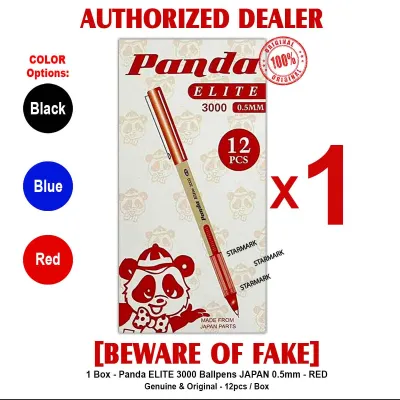
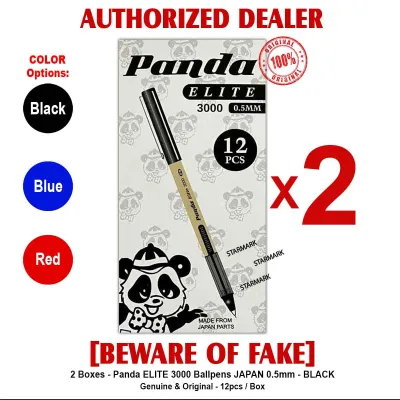
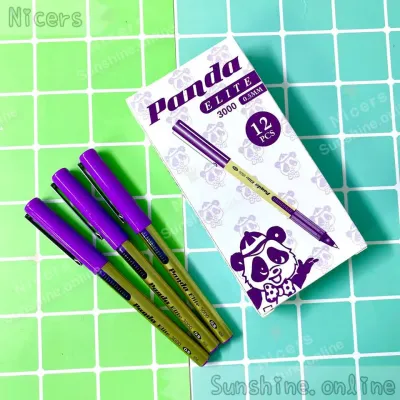
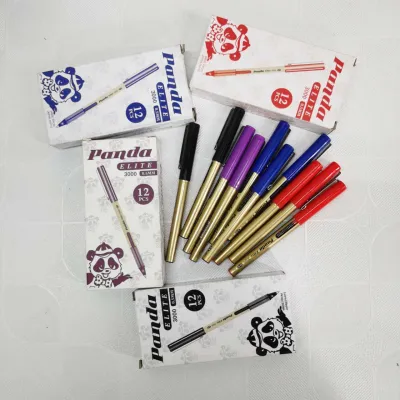
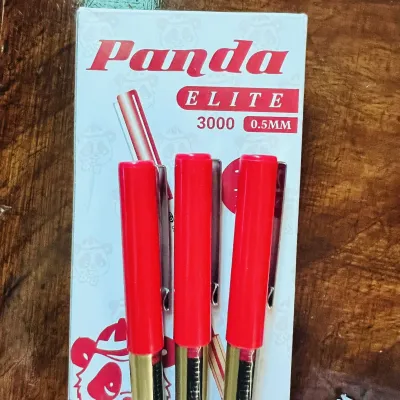
Prices are valid at publication and may change. Please refer to the product page for the latest price.
It is vital to remember that actual line width, smoothness, and ink flow are not determined by the nib alone. In warm, humid tropical climates, paper fibers absorb moisture from the air rapidly, making standard copy paper highly absorbent. This environmental factor can cause even a fine nib to write like a medium, leading to feathering and bleed-through. To achieve the best results, pair the nib specification with high-quality, ink-resistant paper and select an ink viscosity that matches your typical writing speed and hand pressure.
Filling Mechanism: Understanding Ink Capacity and Maintenance
A pen’s filling mechanism dictates how much ink it can hold, how often you will need to refill it, and the level of effort required to keep it clean. Before purchasing, identify the specific filling system from the official documentation, as models in this category typically utilize either a cartridge-converter system or a dedicated internal mechanism like a piston filler. Cartridge-converter systems offer excellent convenience, allowing you to quickly swap out empty cartridges or use a removable converter to draw ink from a bottle. Dedicated piston systems, while requiring more care to fill, generally hold a significantly larger volume of ink, making them ideal for long, uninterrupted writing sessions.

The chosen mechanism also determines your long-term maintenance routine, which is essential for preventing ink from drying or clogging the feed. In warm climates, the water content in fountain pen ink evaporates more quickly through the tiny gaps in the pen cap, which can lead to hard starts or restricted ink flow. If the pen uses a converter or piston, plan to flush the entire system with clean, room-temperature water every few weeks or whenever you change ink colors. Regular cleaning prevents microscopic dye particles from settling in the feed channels, ensuring that the ink delivery remains smooth and reliable.
Ink compatibility is another crucial factor tied directly to the internal feed design. Standard dye-based inks generally flow smoothly and are easy to clean, making them the safest choice for daily use. Avoid highly saturated, heavily pigmented, or shimmering inks containing fine glitter particles unless the manufacturer explicitly approves them for this specific feed design. These specialized inks can easily clog narrow feed channels, especially when exposed to warm ambient temperatures that accelerate drying, leading to a frustrating writing experience and potentially requiring a deep, professional disassembly to resolve.
Build and Ergonomics: Evaluating Weight and Grip Comfort
The physical construction of a pen determines how comfortable it remains during extended use, making it essential to evaluate the body materials and overall dimensions. Check the manufacturer’s specifications for the primary body material, which is typically resin, acrylic, brass, or aluminum. Resin and acrylic bodies feel warm to the touch and are lightweight, reducing hand fatigue during long writing sessions. Metal bodies offer superior durability and a reassuring heft, but they can feel cold initially and may cause your hand to tire more quickly if you are unaccustomed to heavier writing instruments.
Weight distribution is just as important as the total weight of the pen, and it changes dramatically depending on whether you post the cap. Posting—placing the cap on the back of the pen barrel while writing—can shift the center of gravity backward, making the pen feel back-heavy and forcing your hand to grip tighter to maintain control. If you have smaller hands or prefer a light, agile feel, writing with the pen unposted is often more comfortable. Conversely, those with larger hands may find that posting the cap provides the necessary length and balance for a natural grip.
Finally, pay close attention to the grip section dimensions and contour details listed in the product specifications. The grip is your primary point of contact, and its shape—whether tapered, cylindrical, or ergonomically molded—must match your holding style. In humid environments, a smooth, polished metal grip can become slippery if your fingers perspire, whereas a textured resin or matte-finished grip provides a more secure hold. Ensuring the grip diameter matches your hand size prevents cramping, allowing you to write effortlessly.
Pre-Purchase Checklist: Verifying the Exact Specifications
To ensure your new writing instrument meets your exact expectations and to avoid costly mismatches, use this practical checklist before finalizing your purchase:
- Cross-Reference the Nib Grade: Verify the exact nib size (such as EF, F, or M) on the authorized retailer's listing, as some descriptions may not match the physical stock.
- Confirm the Included Accessories: Check whether the pen package includes a compatible converter, starter ink cartridges, or a protective case, as these accessories can vary by region and retailer.
- Review the Body Materials: Double-check the official specifications to confirm whether the barrel and cap are made of metal, resin, or composite materials to ensure the weight matches your preference.
- Inspect the Warranty and Care Guide: Look for official documentation regarding warranty coverage and approved cleaning solutions, especially if you plan to use permanent or document-grade inks.
- Consult the Seller Directly: If the product listing lacks clear details about the filling mechanism or nib material, contact the seller or manufacturer to verify these specifications before spending your hard-earned ₱500 or more on a purchase.
Community discussion
Share your experience or ask a question. Comments are reviewed before publication.