
Evaluating a fountain pen like the Panda S2500 requires looking closely at its technical specifications to see how they translate to your daily writing habits. Whether you intend to use this pen for quick office notes, academic journaling, or creative sketching, its nib configuration, filling mechanism, and physical ergonomics will directly dictate your writing comfort. By analyzing these core features, you can make an informed decision on whether this specific model fits your hand and paper choices.
Nib Specifications: How Size and Material Shape Your Lines
To understand how the Panda S2500 will perform on paper, start by verifying the nib size marked on the outer packaging or engraved directly onto the metal face of the nib itself. Fountain pen nibs typically range from Extra Fine (EF) and Fine (F) to Medium (M) or Broad (B). An EF or F nib is highly practical for everyday note-taking on standard, absorbent paper because it deposits less ink, reducing the risk of feathering and bleed-through. Conversely, a Medium nib offers a wetter, smoother line that highlights the shading properties of your ink, making it excellent for expressive writing or journaling on premium, fountain-pen-friendly paper.
The material of the nib plays a significant role in how the pen feels as it glides across the page. Most modern everyday pens utilize stainless steel nibs, which provide a firm, consistent writing experience with minimal flex, making them highly reliable for quick, pressurized writing. Gold nibs, which are typically found in higher price brackets, offer more natural bounce and cushion, absorbing the physical feedback of the paper. When inspecting your Panda S2500, check the engraving to confirm whether it features a steel alloy or a gold-plated finish, as this will set your expectations for tactile feedback.
Products mentioned in this guide
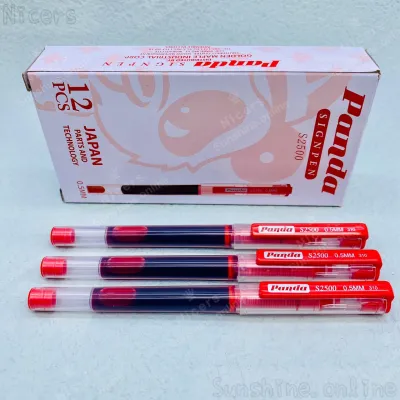
![[FPS FairPriceSupplies] Panda 0.5mm Sign Pen T-2000 / S2500 - sold per piece](https://img.lazcdn.com/g/p/364333e918851cf593b868d9c2eda622.jpg_400x400q80.jpg_.webp)
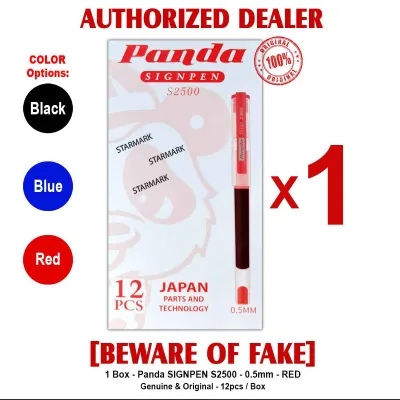
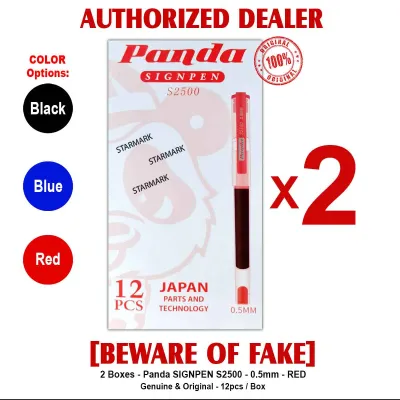
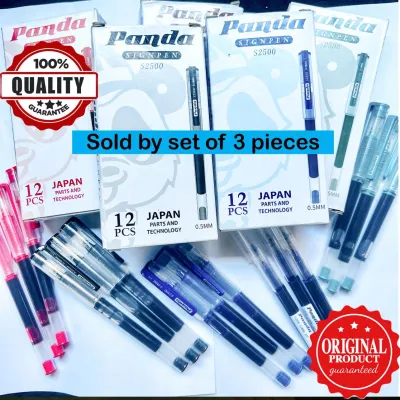
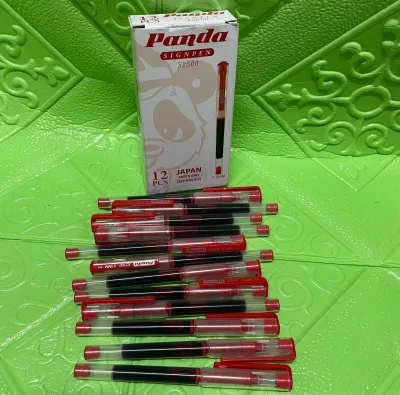
Prices are valid at publication and may change. Please refer to the product page for the latest price.
Before filling the pen for the first time, perform a quick visual inspection of the nib’s alignment. Hold the pen up to a light source or use a magnifying loupe to check if the two metal tines are perfectly parallel and aligned at the tip. If one tine is slightly higher than the other, the pen may feel scratchy or suffer from inconsistent ink flow. Ensuring the tines have a microscopic gap that tapers slightly toward the tip will guarantee that ink flows smoothly onto the paper without requiring excessive downward pressure.
Filling System and Capacity: Planning Your Ink Maintenance
The ink delivery system of the Panda S2500 determines how often you will need to refill your pen and how easy it is to maintain. You can confirm the specific filling mechanism by unscrewing the barrel to see if it utilizes disposable ink cartridges, a removable converter, or an integrated piston-fill system. Cartridges offer maximum convenience for on-the-go writers, allowing you to swap out empty ink shells in seconds without any mess. Converters, on the other hand, allow you to draw ink directly from bottles, giving you access to a vast array of colors and specialized formulas, with quality bottled inks often starting around ₱300 to ₱800 in local stationery shops.

Ink capacity directly translates to real-world writing endurance. A standard international short cartridge typically holds a modest volume of ink, which is suitable for occasional writing but may run dry quickly during long study sessions. A piston-filling system or a high-capacity converter holds significantly more ink, allowing you to write pages of notes before needing a top-up. If you plan to use the pen for daily journaling or extensive desk work, verifying a larger ink capacity will save you from frequent, inconvenient refills.
In warm, humid climates like the Philippines, maintaining your fountain pen’s filling system is crucial for preventing ink from drying out and clogging the feed. If a pen sits unused for several weeks, the water in the ink can evaporate, leaving behind dye particles that restrict flow. To keep the Panda S2500 writing smoothly, establish a routine of flushing the pen with clean, room-temperature water every few weeks or whenever you change ink colors. Gently draw water in and out of the filling mechanism until it runs completely clear, then let the parts air-dry on a soft cloth.
Body Build and Weight: Checking Ergonomics for Long Sessions
The physical dimensions and weight of the Panda S2500 are critical factors that determine how long you can write before experiencing hand fatigue. A lightweight pen, often constructed from acrylic or resin, allows for rapid, effortless movement and is highly comfortable for long, continuous writing sessions. Heavier pens, typically featuring brass or aluminum bodies, provide a substantial, premium feel in the hand, but the added weight can tire your wrist muscles during extended use.
Beyond overall weight, the pen’s balance and center of gravity change depending on whether you write with the cap posted (pushed onto the back of the barrel) or unposted. Posting a heavy metal cap can make the pen back-heavy, pulling the nib upward and forcing you to grip the pen tighter to maintain control. When evaluating the Panda S2500, test both configurations to see which balance point feels most natural in your hand.
The grip section is your primary point of contact, making its diameter and texture vital for ergonomic comfort. A grip section that is too narrow can cause your fingers to cramp, while one that is excessively wide may feel clumsy. Look for a grip section with a subtle taper or a textured finish that prevents your fingers from slipping, especially during warm afternoons when hands can become slightly damp.
Filtering the Specs: Which Details Actually Drive Your Decision?
When choosing a fountain pen, it is easy to get distracted by aesthetic details, but focusing on high-impact specifications will ensure you get a tool that matches your writing style. Prioritize the nib size, overall weight, and filling system, as these three elements directly dictate the daily writing experience. Low-impact details, such as the design of the pocket clip, the color of the barrel, or the style of the presentation box, are matters of personal taste and do not affect how the pen performs on paper.
To streamline your decision, match your primary writing tasks to the pen’s verified features. If your day consists of taking rapid meeting notes on standard office paper, a lightweight pen with a fine steel nib and cartridge compatibility is highly practical. If you prefer slow, meditative journaling at home, a heavier pen with a medium nib and a high-capacity converter will provide a more luxurious experience. Always consult the manufacturer’s official documentation or user manuals to verify exact thread sizes, converter compatibility, and replacement parts before making a purchase.
Frequently Asked Questions (FAQ)
Is the Panda S2500 a good starting point for fountain pen beginners?
The suitability of the Panda S2500 for beginners depends largely on its filling mechanism and nib design. If the model utilizes standard cartridges, it offers a very gentle learning curve, allowing new users to experience fountain pens without the mess of bottled ink. Additionally, a firm steel nib is highly forgiving for beginners who may still be adjusting from the heavy downward pressure typically used with ballpoint pens.
Does this model accept standard international ink cartridges?
To confirm cartridge compatibility, you should check the manufacturer’s specifications to see if the pen accepts standard international short or long cartridges, or if it requires a proprietary brand format. If the pen uses a proprietary system, purchasing a compatible converter is highly recommended. This allows you to bypass proprietary cartridge limitations entirely and use any standard bottled fountain pen ink available on the market.
Community discussion
Share your experience or ask a question. Comments are reviewed before publication.