
Selecting a parker pen is more than just choosing a daily writing tool; it is an investment in a legacy of craftsmanship that spans over a century. If you are deciding between the iconic Parker Jotter, the modern Parker IM, and the elegant Parker Sonnet, the right choice depends on your daily writing habits, aesthetic preferences, and budget. Each model occupies a distinct tier in the brand’s lineup, offering a unique balance of materials, weight, and writing characteristics.
Quick Answer: Which Parker Pen Fits Your Needs?
To identify the best model for your specific use case, it helps to look at how each pen aligns with different environments and writing demands. The three models serve distinct purposes, ranging from rugged daily utility to executive elegance.
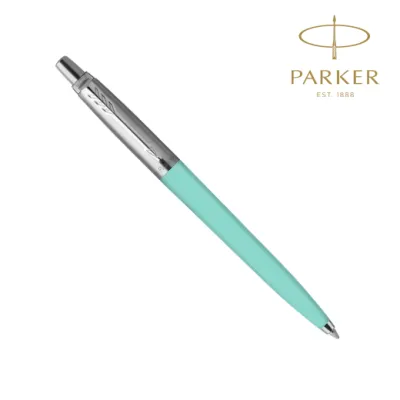
- Choose the Parker Jotter if you need a reliable, budget-friendly pen for everyday note-taking, journaling, or pocket carry. Its compact size, lightweight build, and satisfying click mechanism make it perfect for students, journalists, and anyone on the move.
- Choose the Parker IM if you want a modern, professional-looking pen with a solid metal build for office use, meetings, or corporate gifting. It offers a substantial weight and a larger grip profile that feels comfortable during extended drafting sessions at a desk.
- Choose the Parker Sonnet if you are looking for a premium, elegant writing instrument for executive signing, special occasions, or luxury gifting. With its classic styling, balanced weight, and options for gold nibs, the Sonnet is designed for those who view writing as an art form.
Ultimately, your final choice will depend on balancing your budget, your preferred pen weight, and the specific writing context. While the Jotter excels in casual utility, the IM bridges the gap into professional environments, and the Sonnet delivers a high-end luxury writing experience.
Products mentioned in this guide
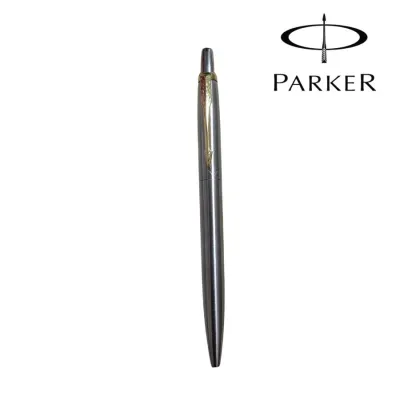
![Ship Today [Free Engraving+2 Refills+Gift Box] Parker Jot Signature Pen Classic Quick-Drying Easy-to-Write High-Value Student Writing Practice Calligraphy Birthday Gift Push Type Ball](https://img.lazcdn.com/g/p/b19291b760163cc00538a204689bdb79.jpg_400x400q80.jpg_.webp)
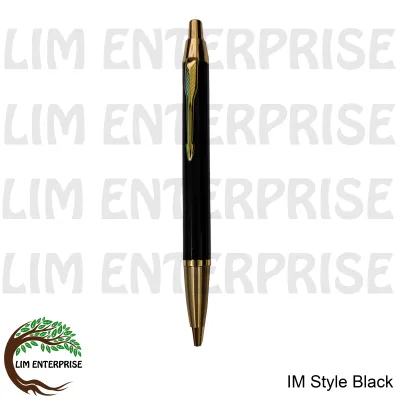
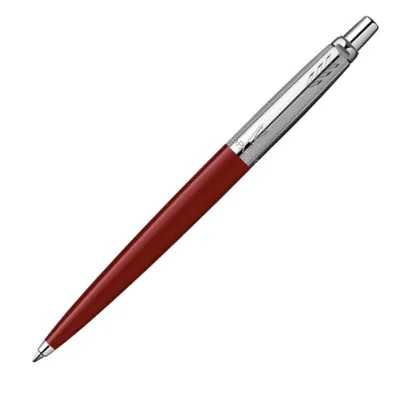
Prices are valid at publication and may change. Please refer to the product page for the latest price.
Build Quality and Design: Everyday Carry vs. Executive Elegance
The physical construction of a pen dictates how it feels in your hand and how well it survives daily wear. Parker has engineered each of these three lines with distinct design philosophies, material selections, and structural weights.

Parker Jotter
Introduced in 1954, the Parker Jotter features an iconic streamlined shape that has remained largely unchanged for decades. It is highly regarded for its lightweight construction, typically combining a stainless steel upper barrel with a durable plastic lower barrel, though all-metal “Flighter” versions are also highly popular. The signature arrow clip is stiff and secure, making it ideal for clipping to shirt pockets, jeans, or notebook covers. Because of its slim profile and resilient materials, the Jotter is built to endure the rigors of daily, rugged use without showing excessive wear.
Parker IM
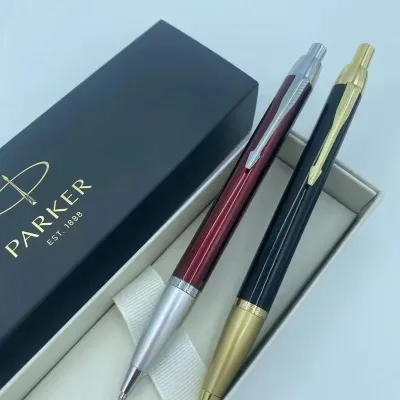
The Parker IM (Instant Medium) presents a modern, tapered silhouette designed for the contemporary professional. It features a heavier brass and metal body that immediately conveys a sense of substance when picked up. The exterior is finished with multiple layers of smooth lacquer or brushed metal, providing a professional, substantial feel in the hand. The grip section is slightly wider than the Jotter’s, which helps reduce finger strain for writers who prefer a thicker pen body. It is designed to sit prominently on an office desk or in a conference room.
Parker Sonnet
The Parker Sonnet is the epitome of classic pen design, featuring a traditional “cigar” shape that is perfectly proportioned. It is constructed using premium materials, including high-grade resins, sterling silver, and gold-plated or nickel-palladium accents. The cap on the fountain and rollerball models closes with a soft, reassuring click, while the ballpoint models utilize a smooth, continuous twist mechanism. The Sonnet is engineered with a meticulous attention to balance, distributing its weight evenly across the hand to provide a refined, effortless writing posture.
When choosing between these designs, keep in mind that exact weights, dimensions, and available finishes vary by specific edition and release year. For precise measurements and material specifications, it is always best to check the manufacturer’s spec sheet or product label before purchasing. Additionally, in the warm, humid climate of the Philippines, writers with sweaty hands may find the textured matte finishes of the IM or the resin grip sections of the Sonnet easier to hold securely than the polished metal sections of certain Jotter models.
Nib Options and Writing Experience: How Do They Feel on Paper?
The true test of any pen is how it performs when tip meets paper. The writing experience across these three lines varies significantly based on nib construction, ink delivery systems, and overall ergonomics.
Fountain Pen Nibs
For fountain pen enthusiasts, the nib is the heart of the instrument. The Jotter and IM models focus primarily on standard stainless steel nibs, usually available in Fine (F) and Medium (M) widths. These steel nibs are stiff and rigid, offering a highly consistent, reliable line that is well-suited for quick note-taking and everyday office tasks.
In contrast, the Sonnet line offers a much broader range of nib options, including 18k solid gold and gold-plated steel nibs. The gold nibs on the Sonnet provide a softer, springier writing experience. They offer subtle line variation under natural writing pressure and glide smoothly across the page with minimal resistance.
Rollerball and Ballpoint Options
If you prefer the convenience of non-fountain options, all three lines are widely available in ballpoint and rollerball configurations. The Jotter is world-famous for its click-action ballpoint, utilizing Parker’s Quinkflow ink, which offers a smooth, skip-free write-out.
The IM and Sonnet rollerballs feature a capped design and use liquid ink refills that mimic the fluid, effortless glide of a fountain pen. When choosing among these, consider how the pen’s body weight affects hand fatigue. The lightweight Jotter is excellent for rapid, repetitive writing, whereas the heavier IM and Sonnet pens use their own weight to guide the stroke, requiring very little downward pressure from your hand.
Ink Systems and Paper Compatibility
All three lines utilize Parker’s proprietary ink cartridges and converters, ensuring a reliable ink flow designed specifically for their feeds. However, the actual performance of the ink—including drying speed, feathering, and bleed resistance—depends heavily on the paper quality you use.
In high-humidity environments, liquid inks from fountain pens and rollerballs can take slightly longer to dry on coated paper, which may lead to smudging. Conversely, absorbent, low-grade copy paper may cause the ink to feather or bleed through the page. We advise verifying nib compatibility, included converter status, and ink flow characteristics on the product packaging. Because smoothness and feedback are highly subjective, testing the pen on your preferred notebook or paper brand is the best way to ensure compatibility.
Price Positioning and Value: What Are You Paying For?
Understanding the price tiers of the Parker lineup helps clarify what you are getting for your money and ensures you select a pen that offers the right value for your investment.
The Entry Tier: Parker Jotter
The Jotter serves as the highly accessible, entry-level tier. It is priced to be a practical everyday carry or an affordable gift for students and young professionals. When you buy a Jotter, you are paying for an iconic design, exceptional durability, and a highly reliable mechanical clicker that lasts for years. It represents excellent functional value without any unnecessary luxury markup.
The Mid-Range Tier: Parker IM
The IM sits comfortably in the mid-range professional tier. The price jump from the Jotter to the IM pays for a transition to a full-metal body, a larger and more ergonomic profile, and more sophisticated lacquer finishes. It is designed for those who want a pen that looks and feels expensive on a desk, making it a popular choice for corporate milestones, promotions, and daily office use.
The Premium Tier: Parker Sonnet
The Sonnet represents the premium luxury tier, where the cost reflects advanced craftsmanship, precious materials, and brand prestige. When you invest in a Sonnet, you are paying for hand-assembled components, intricate metallic chiselling, and, in many models, a solid gold nib. It is a pen designed to be cherished for a lifetime, often passed down as an heirloom or used for signing major contracts.
To ensure you receive a genuine product backed by a valid warranty, always check authorized stationery retailers, official brand boutiques, or verified online mall flagship stores in the Philippines for current pricing, seasonal promotions, and bundle deals. Be cautious of unusually low prices from unauthorized online sellers; counterfeit Parker pens, particularly fake Jotters and Sonnets, are common in online marketplaces and do not carry official warranty support or access to genuine replacement parts.
Side-by-Side Comparison: Jotter, IM, and Sonnet at a Glance
To help you compare the core characteristics of these three popular models, the table below consolidates their key specifications and target use cases.
| Feature | Parker Jotter | Parker IM | Parker Sonnet |
|---|---|---|---|
| Target Audience | Students, commuters, daily writers | Professionals, office workers, gift buyers | Executives, collectors, luxury gift givers |
| Primary Materials | Stainless steel, durable plastics | Brass body, lacquer, chrome trims | High-grade resin, sterling silver, gold plating |
| Weight & Balance | Very lightweight, rear-biased clicker | Substantial, front-weighted desk pen | Perfectly balanced, medium weight |
| Fountain Nib Options | Rigid stainless steel (Fine, Medium) | Rigid stainless steel (Fine, Medium) | 18k solid gold or steel (EF, F, M, B) |
| Best Use Case | Pocket carry, quick notes, daily utility | Office desk work, corporate gifting | Executive signing, journaling, special gifts |
Note: Specific limited editions, historical releases, or special anniversary collections may feature unique materials, weight profiles, or nib variations that differ from the standard characteristics listed in this table.
Final Verdict: Making Your Purchase Decision
Choosing the right Parker pen comes down to matching the instrument to your primary writing environment and personal ergonomic preferences.
If your daily routine involves moving between classrooms, offices, or outdoor sites, the compact, click-and-go utility of the Parker Jotter is unmatched. It fits easily into any pocket or bag organizer without adding bulk. For those who spend their days at a desk drafting documents or attending meetings, the Parker IM provides the professional presence and comfortable weight needed for steady, fatigue-free writing. If you are celebrating a major life milestone, signing important documents, or simply appreciate the tactile feedback of a gold nib gliding over premium paper, the Parker Sonnet is a timeless investment that delivers an unparalleled writing experience.
To ensure a safe and satisfying purchase, always buy from authorized dealers. This guarantees that your pen is authentic, covered by a manufacturer’s warranty, and compatible with genuine Parker refills and converters. Don’t forget to check the retailer’s return policy and warranty terms before checkout, especially when purchasing premium models like the Sonnet. If possible, visit a physical stationery boutique to test the pen’s weight, grip diameter, and balance in your hand, as personal ergonomics are the ultimate guide to long-term writing comfort.
Frequently Asked Questions (FAQ)
Can I use standard international ink cartridges in Parker fountain pens?
No, Parker fountain pens do not accept standard international ink cartridges. Parker utilizes a proprietary cartridge and converter system that features a specific opening diameter and collar shape unique to the brand. Attempting to force a standard international cartridge into a Parker pen can cause ink leaks or permanently damage the pen’s feed mechanism.
To ensure reliable ink flow and prevent damage, always purchase genuine Parker ink cartridges or the correct Parker converter model designed for your pen. If you prefer using bottled ink, you can install a Parker twist-action or slide-action converter. We recommend checking your pen’s included manual or the manufacturer’s website to confirm the exact converter model required, as fitment can vary slightly between slim and full-sized pen bodies.
How do I clean and maintain my Parker fountain pen?
Regular maintenance is essential to keep your fountain pen writing smoothly and to prevent ink from clogging the delicate feed mechanism. To clean your pen, follow these simple, reversible steps:
- Disassemble the Pen: Unscrew the barrel from the grip section and remove the ink cartridge or converter.
- Flush the Nib: Hold the grip section (with the nib facing down) under a gentle stream of lukewarm tap water. Alternatively, submerge the nib section in a cup of clean, lukewarm water.
- Clear the Ink: If using a converter, draw lukewarm water up through the nib and flush it out repeatedly until the water runs completely clear.
- Dry Thoroughly: Gently tap the nib on a lint-free cloth or paper towel to draw out excess moisture. Let the nib section air dry completely on a towel, nib down, before reassembling the pen and inserting fresh ink.
Never use hot or boiling water, harsh household solvents, dish soap, or rubbing alcohol to clean your pen. These substances can permanently damage the internal plastic feed, dissolve lacquer finishes, or degrade precious resin and metal bodies. Establishing a regular cleaning routine every 4 to 6 weeks—or whenever you change ink colors—will ensure optimal ink flow and prevent hard clogs, particularly in warm, tropical climates where ink can evaporate more quickly inside a capped pen.
Community discussion
Share your experience or ask a question. Comments are reviewed before publication.