
Selecting the ideal material for pastel beads is the key to creating beautiful, durable, and comfortable jewelry. The right choice depends on your project’s structural needs, your budget, and how the finished piece will be worn. While lightweight acrylic and resin offer excellent versatility for larger designs, premium glass provides a satisfying weight and lasting shine. Meanwhile, polymer clay brings a charming, handmade texture, and painted wood offers a rustic, natural appeal. By understanding how these materials behave under daily wear and tropical humidity, you can confidently select the perfect beads for your next creative project.
Understanding the 5 Main Materials for Pastel Beads
Every bead material possesses unique physical and visual characteristics that influence the overall look and feel of your jewelry. Before purchasing your supplies, it is helpful to understand how these materials are made and how they perform over time.
Acrylic and Resin Options
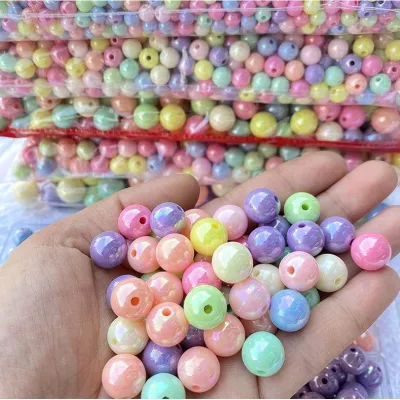
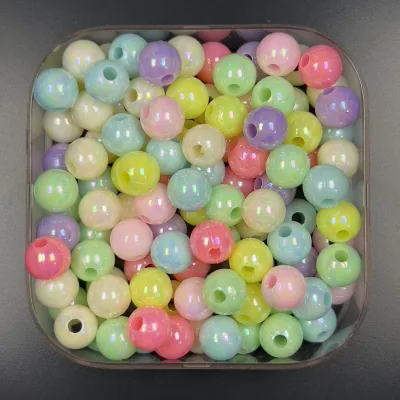
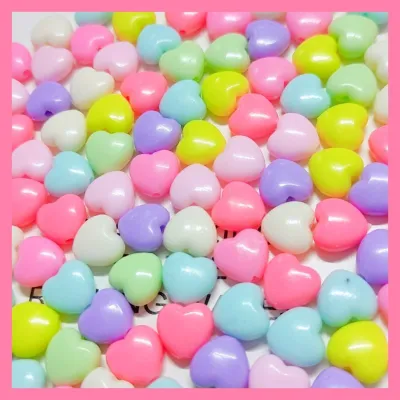
Acrylic and resin are popular synthetic options known for their versatility and lightweight properties. Molded acrylic beads are mass-produced, offering highly uniform shapes and smooth surfaces. Cast resin beads, on the other hand, are often poured into molds, which can give them a deeper visual dimension, a slightly glossier finish, and a more liquid-like transparency.
Products mentioned in this guide
Prices are valid at publication and may change. Please refer to the product page for the latest price.
Because both materials are exceptionally light, they are the ideal choice for large statement pieces, such as chunky pastel necklaces or oversized drop earrings. Using heavier materials for these designs could cause discomfort or strain the wearer’s neck and ears.
When sourcing synthetic beads, always inspect them for manufacturing quality. Look closely for visible mold lines, rough seams, or trapped air bubbles that can detract from the clean, soft aesthetic of pastel colors. In warm, humid climates, poorly cured resin can sometimes develop a sticky surface, so verifying a smooth, dry finish is essential before starting your project.
Glass and Polymer Clay Options
If you want to contrast a premium, substantial feel with a more organic, textured look, glass and polymer clay are excellent materials to compare. Glass pastel beads carry a distinct weight and a cool-to-the-touch temperature that immediately gives jewelry a high-end, durable finish. They are highly resistant to scratching and do not fade easily when exposed to sunlight.
The surface finishes of these two materials also offer distinct design possibilities. Glass can be finished with a high-gloss shine or treated to create a soft, matte frosted appearance that mimics sea glass. Polymer clay beads typically feature a matte, slightly porous texture, though they can be glazed to achieve a glossy sheen.
Furthermore, polymer clay beads often showcase intentional handmade variations, subtle tool marks, and unique shapes that give your jewelry a personalized, artisanal character. In contrast, mass-produced glass beads offer uniform precision, making them perfect for patterns that require exact consistency, such as intricate bead weaving or symmetry-heavy bracelets.
Wooden Options
Wooden pastel beads offer a warm, natural appeal that stands out from synthetic and mineral alternatives. When wood is dyed or painted with pastel shades, the natural wood grain often interacts with the coating, sometimes showing through to add organic texture or being completely covered by an opaque, chalky finish.
Because wood is highly porous, proper sealing is critical. You should always check wooden beads for a smooth, protective topcoat to prevent splinters and ensure the pastel paint does not easily chip or wear away. Unsealed wood can quickly absorb moisture from sweat or high humidity, which may cause the wood to swell, crack, or develop mold over time.
While wooden beads are incredibly lightweight—making them comfortable for multi-layered necklaces—they are more susceptible to impact damage and moisture than glass or acrylic. Balancing this natural aesthetic with its structural limitations will help you decide if wood is suitable for your specific design.
Matching Pastel Bead Materials to Your Project Needs
Choosing the right pastel bead involves matching the material’s physical properties to the practical demands of the finished jewelry piece.

For children’s jewelry, safety and durability are the primary concerns. Prioritize lightweight, shatterproof materials like acrylic or well-sealed wooden beads. Always verify that all edges are perfectly smooth to prevent skin irritation, and ensure that any painted coatings are non-toxic and securely sealed to prevent chipping during active play.
When designing for everyday wear versus occasional statement pieces, consider the friction the jewelry will encounter. Daily-wear items like bracelets and rings are constantly exposed to hard surfaces, sweat, and water. Durable, scratch-resistant glass beads are ideal for these high-wear items. Conversely, delicate polymer clay or large, lightweight resin beads are better reserved for occasional necklaces or earrings that remain relatively protected from friction.
Budget and project scale also play a significant role in your material selection. You can easily manage your expenses by mixing different bead tiers. For instance, instead of making an entire necklace out of premium glass beads, you can use affordable acrylic beads as spacers and reserve a few high-quality glass or handmade clay beads as focal points. This approach keeps your project cost-effective, often keeping the material budget within a reasonable ₱50 to ₱300 range per accessory.
Finally, consider stringing compatibility. Heavy glass beads require strong, non-stretch stringing materials like nylon-coated jewelry wire or thick thread to prevent sagging. Lightweight acrylic and resin beads work beautifully with flexible elastic cords. Always check the inside of the bead holes; rough or sharp edges on glass or wooden beads can easily fray delicate threads, so you may need to smooth them with a bead reamer or choose a thicker, more durable cord.
What to Inspect When Selecting Pastel Beads
Whether you are shopping at a local craft store or browsing an online marketplace, performing a quick quality check will save you time and frustration during the assembly process.
First, inspect the drill holes of the beads. Look for sharp edges, burrs, or leftover plastic flashing inside the holes. These imperfections can easily cut or fray your elastic, thread, or wire, causing your jewelry to break unexpectedly after a few wears.
Second, verify color consistency across the batch. Pastel shades are delicate, and any uneven dye distribution or paint pooling will be highly visible. This is especially important for wooden beads, where the porous end-grain can absorb color more deeply than the sides, resulting in patchy, inconsistent tones.
Third, assess the weight-to-size ratio of the beads. Hold a few beads in your hand to feel if their physical weight matches their visual size. If a bead is too heavy for its size, a completed necklace or bracelet may drape awkwardly, pulling down on one side or feeling uncomfortable against the skin.
Lastly, examine the surface integrity of the beads. Check resin and polymer clay options for any cloudiness, uneven curing, or tacky residues. In warm, tropical environments, poorly cured materials will degrade rapidly, attracting dust and losing their smooth, clean pastel appeal.
Frequently Asked Questions (FAQ)
Can I mix different pastel bead materials in one project?
Yes, mixing different materials is an excellent way to add visual interest and textural contrast to your jewelry. To do this successfully, ensure the weight is distributed evenly so the piece drapes naturally without pulling to one side. You should also verify that the hole sizes of all the different beads are compatible with your chosen stringing wire or thread, and intentionally pair matte surfaces, like polymer clay, with glossy glass or acrylic to create a balanced design.
How do I clean pastel beads without damaging the finish?
To clean your pastel beads, gently wipe them with a soft, dry, or slightly damp microfiber cloth to remove dust and skin oils. Avoid using harsh household chemicals, alcohol, or soaking the beads in water for extended periods. These liquids can strip the protective paint from wooden beads, cause acrylic to become cloudy, or degrade the surface of polymer clay. Always refer to any specific care instructions provided by the manufacturer for specialized or hand-painted finishes.
Community discussion
Share your experience or ask a question. Comments are reviewed before publication.