
Pébéo Vitrail is a specialized solvent-based paint designed to replicate the luminous, vibrant look of traditional stained glass on smooth, transparent surfaces. Best suited for decorative indoor glass panels, vases, suncatchers, and rigid acrylic crafts, this paint allows light to pass through its glossy, intense colors, transforming ordinary glass into a brilliant display of light. Unlike standard water-based acrylics, it levels out smoothly upon application to eliminate brush strokes, leaving a glass-like finish that mimics professional kiln-fired stained glass.
What Is Pébéo Vitrail Paint?
To understand how this medium behaves, it helps to look at its core formulation. Pébéo Vitrail is a solvent-based paint, which means it uses organic solvents rather than water as its primary carrier. This chemical makeup gives the paint its signature high-gloss, glass-like finish and exceptional transparency. When applied to a clean surface, the paint flows and self-levels, minimizing visible brush marks and creating a uniform, sleek layer that allows light to filter through beautifully.
The product line typically includes both transparent and opaline (translucent) finishes. The transparent colors are designed to let maximum light pass through, making them ideal for objects that will be backlit or placed near windows. The opaline colors offer a slightly milky, semi-opaque finish that diffuses light, providing a softer, pastel-like appearance. Both variations dry to a hard, durable film that resists light washing once fully cured.
Products mentioned in this guide
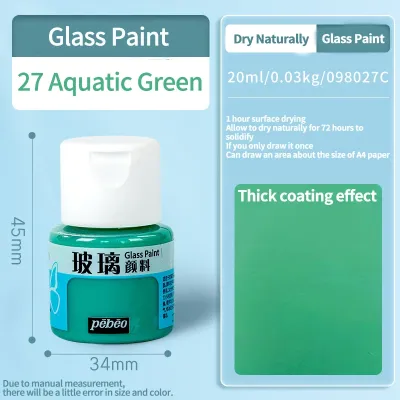
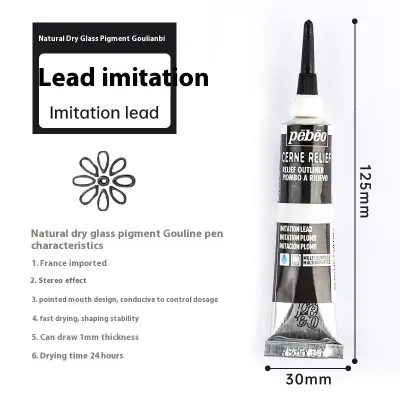
Prices are valid at publication and may change. Please refer to the product page for the latest price.
When comparing solvent-based Vitrail to water-based glass paints, the differences in application and final appearance are distinct. Water-based glass paints are often thicker, dry faster, and can sometimes be baked in a home oven to increase their durability. However, they rarely match the intense clarity, depth of color, and high-gloss shine of a solvent-based formula. Solvent-based paints require longer drying times and must be cleaned up with mineral spirits or specialized solvents, but they offer a professional, liquid-smooth finish that water-based alternatives struggle to replicate.
Ideal Projects for Pébéo Vitrail
Selecting the right project is key to getting the most out of this specialized paint. Because of its high transparency and gloss, Vitrail performs exceptionally well on decorative glass items that interact with light. Glass jars, plain vases, and candle holders are excellent starting points. When you paint the exterior of a glass candle holder, the flame inside illuminates the transparent colors, casting vibrant, warm patterns across your living space.

Synthetic transparent surfaces, such as acrylic sheets and clear rigid plastics, also serve as excellent canvases. Acrylic panels are lightweight and shatterproof, making them a practical alternative to heavy glass for larger decorative pieces. You can create custom hanging panels or faux-stained glass windows by applying the paint directly to these synthetic sheets. This is particularly useful for home decor projects where heavy glass might pose a safety hazard or require complex mounting hardware.
Indoor decorative panels, suncatchers, and lampshades are highly rewarding projects. In tropical climates where bright sunlight is abundant, hanging a custom-painted suncatcher near an indoor window allows the intense daylight to project colorful designs onto your floors and walls. Decorative glass lampshades can also be customized to match your interior color scheme, turning a simple light fixture into a personalized focal point.
For local crafters looking to budget their materials, planning your project size is essential. A small bottle of Vitrail paint goes a long way due to its fluid consistency, but you should also budget a few hundred pesos (₱) for essential accessories like outliners, quality brushes, and cleaning solvents. Starting with smaller decorative items allows you to master the paint’s flow before moving on to larger, more complex panels.
Surfaces and Conditions to Avoid
While Pébéo Vitrail is highly versatile for decorative crafts, it has specific limitations that you must respect to ensure safety and project longevity. First and foremost, this solvent-based paint is not food-safe. It should never be applied to surfaces that come into direct contact with food, drinks, or your lips. Avoid painting the inside of bowls, the eating surfaces of plates, or the rims of drinking glasses. Even if the paint is fully cured, it is strictly intended for decorative, non-functional surfaces.
In addition to food safety concerns, painted items cannot tolerate the harsh environment of a dishwasher or prolonged soaking in hot water. The high temperatures, intense water pressure, and abrasive detergents used in dishwashers will quickly degrade, peel, or chip the paint film. Any decorated items should be gently hand-washed with cool water and a soft cloth, avoiding abrasive sponges or scrubbing pads.
Environmental factors also play a significant role in the durability of your finished piece. In regions with intense tropical heat, high humidity, and strong UV exposure, outdoor projects are highly susceptible to premature wear. Direct, prolonged sunlight can cause the vibrant colors to fade over time, while extreme weather and moisture can weaken the bond between the paint and the glass. To preserve your hard work, keep your painted projects indoors or in well-protected, shaded areas.
Finally, avoid applying Vitrail paint to flexible or highly pliable materials. The paint cures to a rigid, hard film that does not stretch or bend. If applied to flexible plastics, soft silicone, or thin films that flex during handling, the dried paint layer will crack, flake, and eventually peel off. Stick to rigid, stable substrates like glass, hard acrylic, and glazed ceramics to ensure the paint film remains intact.
Preparation and Application Guidelines
Achieving a flawless, bubble-free finish with Pébéo Vitrail requires careful preparation and a systematic application process. Before you open a single bottle of paint, the target surface must be meticulously cleaned. Any dust, fingerprints, or oily residues will prevent the paint from adhering properly, leading to uneven coverage or peeling later on. Wash the glass thoroughly with soapy water, dry it completely, and then wipe it down with rubbing alcohol or a specialized glass cleaner using a lint-free cloth.
To achieve the classic look of stained glass, you will want to use a relief outliner, such as Pébéo Cerne Relief. These outliners come in squeeze tubes with fine applicator tips, allowing you to draw dimensional borders that mimic the lead cames of traditional stained glass. These raised borders serve a dual purpose: they define your design and act as physical barriers that contain the fluid Vitrail paint, preventing different colors from bleeding into one another. Allow the outliner to dry completely according to the manufacturer’s instructions before applying the colored paint.
When you are ready to paint, select a soft, synthetic brush with flat or round bristles, depending on the size of the areas you need to fill. Instead of using traditional brushing strokes, which can introduce air bubbles and uneven thickness, use the brush to gently drop or pool the paint into the outlined compartments. The paint’s self-leveling properties will naturally spread the liquid to fill the space. If you notice any air bubbles, gently pop them with a clean pin or toothpick while the paint is still wet.
Because Vitrail is a solvent-based product, working in a well-ventilated area is absolutely essential for your comfort and safety. Open windows, use a fan to circulate fresh air, and keep the workspace free from open flames or high heat sources. Additionally, drying times can be significantly affected by local humidity levels. In humid tropical environments, the paint may take longer to lose its tackiness. Place your painted item in a dust-free, well-ventilated room and let it cure undisturbed for the full duration recommended on the product label.
Before committing to a large project, it is highly recommended to perform a simple trial on a scrap piece of glass. This allows you to observe how the paint flows, how long it takes to dry in your specific local climate, and how the colors look when light passes through them. Testing your tools and materials beforehand ensures you can adjust your technique and avoid costly mistakes on your final piece.
Frequently Asked Questions (FAQ)
Can I mix Pébéo Vitrail with water-based paints?
No, you should never mix solvent-based Vitrail paint directly with water-based paints in their wet state. Because oil and water do not mix, combining these two different formulations will cause the paint to curdle, clump, and ruin your mixture. If you want to combine different mediums on a single project, you must apply them in separate, fully dried layers. For example, you can apply a water-based acrylic background, let it cure completely, and then apply solvent-based details on top, ensuring the underlying layer is entirely dry and stable.
How do I clean my brushes after using Vitrail paint?
Standard soap and water are ineffective for cleaning brushes used with solvent-based Vitrail paint. Attempting to wash them with water will only cause the paint to sticky-clump and ruin the bristles. Instead, you must check the product label for the manufacturer’s recommended solvent, which is typically mineral spirits, odorless turpentine, or a specialized brush cleaner designed for solvent-based paints. Swirl your brush in the solvent to dissolve the paint, wipe the bristles gently on a paper towel, and repeat until clean before washing with soap and water to restore the bristles.
Is it safe to use on items that hold drinking water?
No, Pébéo Vitrail paint is not safe for items that hold drinking water or come into contact with food. The solvent-based formulation contains chemicals that are not certified as food-safe or non-toxic for ingestion. To prevent health risks, always keep the paint away from the rims of cups, the interiors of mugs, and any surface where food or beverages will be placed. Always verify the safety warnings and certifications on the specific product label before deciding where to apply the paint.
Community discussion
Share your experience or ask a question. Comments are reviewed before publication.