
Choosing the right pencil is more than just a matter of grabbing the first yellow writing tool you see in your desk organizer. For students and professionals in the Philippines, the choice between a standard HB pencil and a darker 2B lead can mean the difference between a perfectly graded exam sheet and a smudged, unreadable mess. While standardized national exams demand strict adherence to specific graphite grades to satisfy optical scanners, your daily note-taking sessions offer room for personal comfort, writing speed, and paper compatibility.
Understanding how different pencil grades behave under various conditions is essential for building an efficient stationery kit. The tropical climate and high humidity can affect how paper absorbs graphite, making your choice of writing instrument even more critical. By matching the right hardness to your specific task, you can prevent hand fatigue, keep your notebooks clean, and ensure your exam answers are recorded without a hitch.
Understanding the Pencil Grading Scale
The letters and numbers stamped on the side of a pencil barrel tell you exactly how the lead will perform on paper. The grading scale relies on two main letters: “H” for hardness and “B” for blackness. Harder pencils contain more clay binder, which makes them write lighter and hold a sharp point longer. Softer pencils contain more graphite, resulting in darker, bolder lines that wear down quickly and smudge more easily.
Products mentioned in this guide
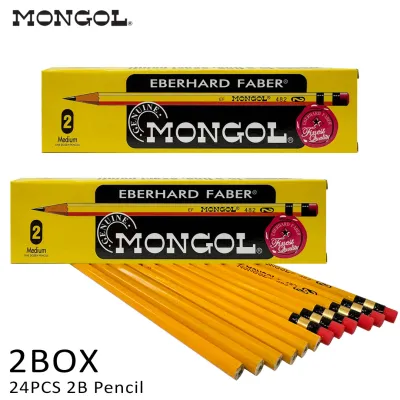
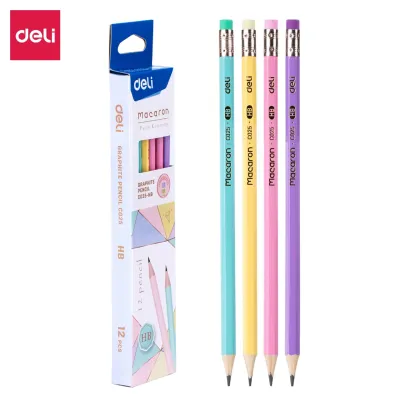
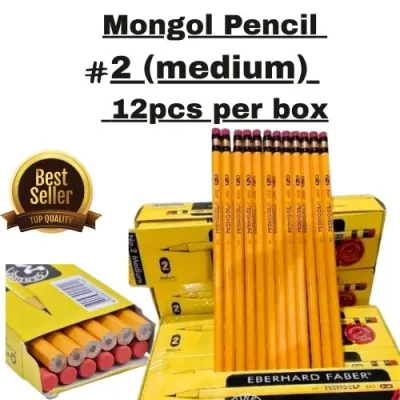
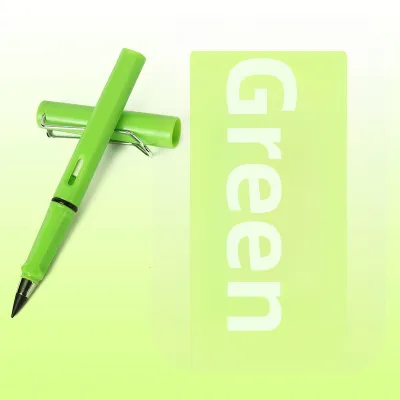
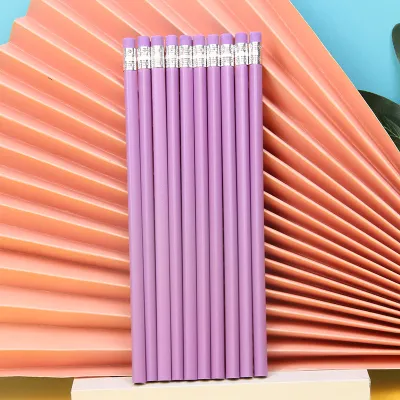
Prices are valid at publication and may change. Please refer to the product page for the latest price.
The standard HB pencil sits directly in the middle of this scale, representing a balanced blend of hardness and blackness. In the United States, this middle-ground grade is commonly referred to as a No. 2 pencil. If you encounter a No. 1 pencil, it corresponds to a softer B grade, while a No. 3 pencil corresponds to a harder H or 2H grade. Knowing these equivalences helps you select the right tool regardless of whether you are buying European or American-branded stationery.
Using a harder pencil like an H or 2H means your writing will resist smudging, making it ideal for clean technical drawings or left-handed writers whose hands drag across the page. However, the lines will be faint and require more downward pressure to read clearly. On the other hand, softer leads like 2B, 3B, or 4B glide effortlessly across the page with a rich, dark output, but they require frequent sharpening and can easily smear if touched.
Selecting the Safest Pencil for Standardized Exams
Standardized exams in the Philippines, such as college entrance tests or professional licensure examinations, rely on Optical Mark Recognition (OMR) machines to grade answer sheets. These scanners work by shining a light onto the paper and measuring how much light is reflected back. Because graphite is naturally reflective, the scanner expects a very specific density of graphite in the shaded bubbles to register your answer correctly.

An HB or No. 2 pencil is the universal standard for these exams because it provides the exact level of darkness and reflectivity the scanning machines are calibrated to read. If you use a pencil that is too hard, such as a 2H, the mark will be too light and reflective, causing the scanner to skip the question entirely and mark it as unanswered. Even if the bubble looks filled to your naked eye, the faint graphite layer may not trigger the machine’s sensors.
Conversely, using a very soft pencil like a 2B or 3B carries a high risk of smudging. In the humid environment of local testing centers, soft graphite can easily transfer from your hand or the back of another sheet onto adjacent bubbles. If a smudge darkens an incorrect bubble even slightly, the OMR scanner may register a double answer and invalidate your response. To avoid these costly grading errors, always check the specific exam guidelines provided by the testing institution and stick strictly to a high-quality HB or No. 2 lapis.
Matching Pencil Hardness to Everyday Note-Taking
When it comes to daily note-taking, lecture shorthand, or journaling, you are no longer bound by the strict rules of optical scanners. Instead, your choice should focus on writing comfort, speed, and the quality of your paper. If you write quickly and need to flip pages immediately, an HB or H pencil is an excellent choice because the harder lead dries instantly and keeps your notebook pages clean and legible.
For those who write with a light touch or suffer from hand strain during long writing sessions, a softer B or 2B pencil is highly recommended. These softer grades require almost no downward pressure to leave a dark, highly visible mark, allowing your hand to remain relaxed even during hours of continuous writing. The smooth, buttery feel of a 2B lead makes writing a much more tactile and enjoyable experience.
However, you must consider the paper quality of your notebooks. Many standard school notebooks use thin, lightweight paper that is highly susceptible to ghosting—where the writing on one side of the page is visible on the other. Softer leads leave a thick layer of graphite that can easily transfer to the opposite page when the notebook is closed, especially in humid tropical weather. If you prefer using soft leads, pair them with thicker, high-gsm paper to keep your notes looking pristine.
Can One Pencil Handle Both Exams and Daily Notes?
For minimalists who prefer to carry a single pencil case with only the essentials, the classic HB pencil serves as the ultimate compromise. It is versatile enough to transition seamlessly from shading exam bubbles to writing daily journal entries. Because it sits in the exact middle of the grading scale, it offers a reasonable balance of darkness and smudge resistance that works well on almost any paper surface.
However, relying solely on an HB pencil for all tasks does come with trade-offs. If you write thousands of words of lecture notes every week, the firm lead of an HB pencil can cause noticeable hand fatigue over time, as you must exert constant pressure to maintain a dark line. Additionally, the point can feel scratchy on lower-quality paper, which can disrupt your writing flow.
To optimize your academic performance and writing comfort, a dual-pencil strategy is often the most practical approach. Keep a dedicated, high-quality HB wooden lapis in a protective sleeve strictly reserved for exam days so its tip remains perfectly formed. For your daily notes, sketches, and homework, use a smoother B or 2B pencil that prioritizes comfort and reduces physical strain on your fingers and wrist.
How to Test and Verify Pencil Quality Before Buying
Not all pencils are created equal, and poor-quality graphite can ruin both your exam performance and your daily writing experience. When shopping at local stationery stores or browsing official brand shops online, look for indicators of structural quality. A reliable pencil should have a perfectly centered graphite core; if the lead is off-center, it will break repeatedly on one side every time you try to sharpen it.
Before purchasing pencils in bulk, perform a simple smudge and erase test on a piece of scrap paper. Draw a solid block of graphite, then rub your finger across it to see how easily the particles spread. Next, use a standard eraser to see if the mark lifts cleanly without leaving a dark, greasy shadow or tearing the paper fibers. High-quality pencils use refined clay and graphite binders that erase cleanly and resist excessive smearing.
To ensure you are getting genuine products, purchase your writing instruments from reputable stationery retailers or official brand stores. Counterfeit pencils are common on unregulated online marketplaces, and they often feature brittle, low-grade lead that snaps constantly under normal writing pressure. Investing a few extra pesos in a genuine, well-constructed pencil ensures a frustration-free writing experience when every second counts.
Frequently Asked Questions (FAQ)
Are mechanical pencils allowed for standardized exams?
Whether you can use a mechanical pencil depends entirely on the rules of the specific testing institution. Some national exams in the Philippines strictly require traditional woodcase pencils to prevent any potential cheating devices or mechanical failures during the test. If the guidelines do permit mechanical pencils, you must ensure the lead refills are explicitly rated as HB or No. 2. Additionally, opt for a thicker lead size, such as 0.7mm or 0.9mm, as thin 0.5mm leads can easily tear through fragile exam answer sheets and take much longer to shade a bubble completely.
What is the best eraser to use with softer pencil grades?
When using softer pencil grades like 2B, standard pink rubber erasers often smear the heavy graphite across the page rather than lifting it. The most effective tool for cleaning up soft graphite is a soft polymer or vinyl eraser. These erasers are designed to attract and roll up graphite particles through adhesion rather than harsh friction, allowing you to erase dark marks cleanly without abrading or tearing thin exam paper. Always erase with gentle, unidirectional strokes to prevent wrinkling the sheet.

Community discussion
Share your experience or ask a question. Comments are reviewed before publication.