
Choosing the right size of perler beads is the most important decision you will make before starting a fuse bead project. The bead size directly determines the level of detail your design can achieve, the physical difficulty of placing the beads, and the specific tools you must purchase. Selecting the wrong size can lead to frustration, especially if you buy beads that do not fit your existing pegboards or are too small for a young crafter’s motor skills.
To make an informed purchase, you must understand the three primary sizes available on the market: mini, regular, and maxi. Each size serves a distinct audience and project type, ranging from delicate, high-resolution jewelry to chunky, easy-to-grasp shapes for toddlers. By evaluating your target design, the age of the crafter, and tool compatibility, you can easily select the perfect option for your creative goals.
Quick Comparison: Mini vs. Regular vs. Maxi Perler Beads
Having a quick reference guide makes it simple to compare the physical specifications and ideal uses of each bead size. The table below outlines how the three options differ across key decision dimensions.
Products mentioned in this guide
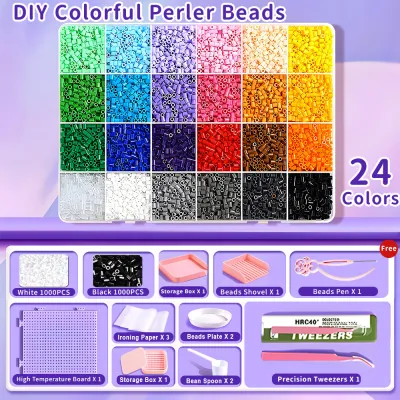
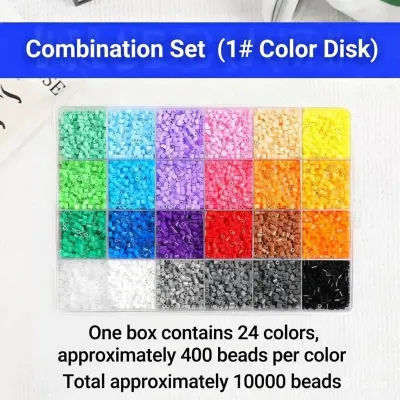
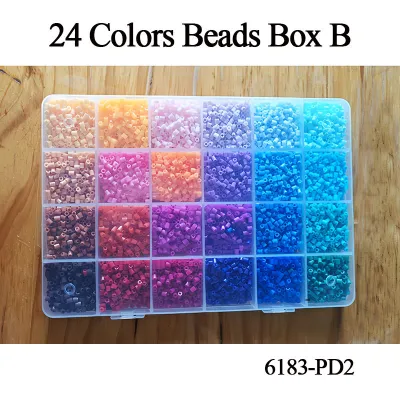
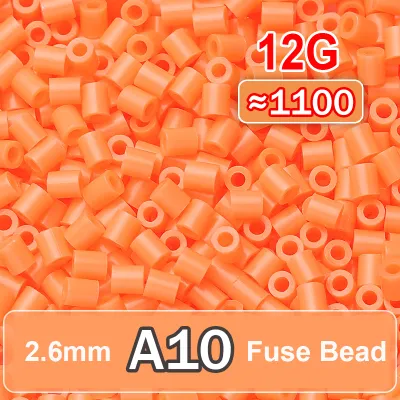
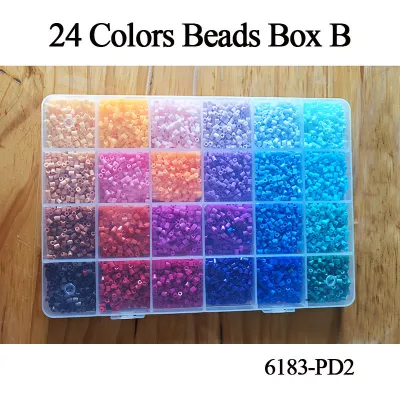
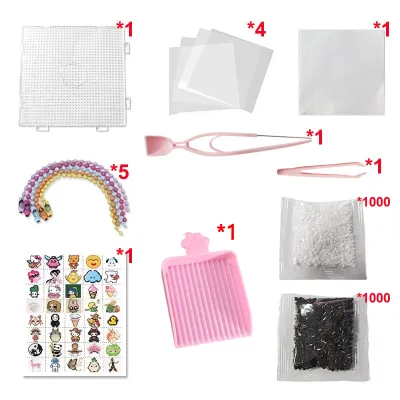
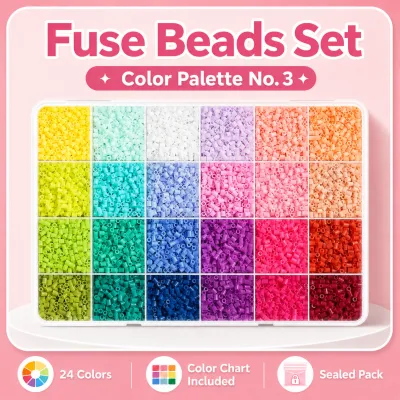
Prices are valid at publication and may change. Please refer to the product page for the latest price.
| Bead Size | Typical Diameter | Target User Profile | Best Project Types | Required Pegboard Type |
|---|---|---|---|---|
| Mini | 2.6 mm (or 2.5 mm) | Teens, adults, and experienced crafters | Detailed pixel art, delicate jewelry, small sprites | Mini Pegboard |
| Regular | 5.0 mm | Ages 6 and up, beginners, and general hobbyists | Keychains, drink coasters, 3D models, wall art | Standard Pegboard |
| Maxi | 10.0 mm | Ages 3 to 5, and absolute beginners | Simple geometric patterns, educational sorting | Maxi Pegboard |
Before finalizing your purchase, always verify the exact millimeter specifications printed on the product packaging. While these three categories are standard, minor variations can exist between different craft brands. A difference of even 0.1 mm can prevent beads from fitting properly on a pegboard designed for a different brand.
Mini Perler Beads: High-Resolution Details and Jewelry
Mini perler beads, measuring approximately 2.6 mm in diameter, offer the highest level of detail possible in fuse bead crafting. Because they have a small physical footprint, you can pack a high concentration of beads into a small area. This allows you to create highly detailed pixel art, complex shading, and intricate retro-themed designs that look remarkably smooth from a distance.

This size is designed specifically for teenagers, adults, and advanced crafters who possess highly developed fine motor skills. Working with mini beads requires patience and precision, making it an engaging challenge for experienced hobbyists but a potential source of frustration for young children or beginners.
Ideal projects for mini beads include:
- Detailed character sprites from classic 8-bit and 16-bit video games
- Intricate geometric patterns and miniature portraits
- Wearable jewelry, such as lightweight drop earrings, delicate pendants, and hairpins
Handling mini beads requires specialized equipment. You cannot place these beads easily with your fingers; instead, you must use precision metal tweezers to position each bead onto a dedicated mini pegboard. When it comes to fusing, mini beads melt incredibly fast under a household iron. You must use a low heat setting and apply gentle, even pressure to avoid over-melting the beads, which can ruin the design or warp the pegboard underneath. Due to the small size of these beads, keep them safely stored away from toddlers and pets to prevent choking hazards.
Regular Perler Beads: The Versatile Standard for Most Crafters
Regular perler beads, measuring 5.0 mm in diameter, are the industry standard and the most popular option worldwide. They strike an excellent balance between visual clarity and physical handling, making them the default choice for the vast majority of crafting projects.
This size is highly accessible to a broad audience, including older children (typically ages 6 and up), adult beginners, and experienced crafters looking for a relaxed, therapeutic activity. The beads are large enough to handle easily but small enough to allow for recognizable patterns and creative freedom.
Excellent projects for regular beads include:
- Personalized keychains and backpack charms
- Durable drink coasters and small desk organizers
- Medium-sized wall art and holiday ornaments
- Interlocking 3D structures, such as small boxes or toy figures
Regular beads are highly forgiving during both assembly and fusing. They work with standard pegboards, which are widely available in various shapes and interlocking configurations. While you can place regular beads using your fingers, standard plastic or metal craft tweezers can help speed up the process. During the ironing stage, regular beads are resilient; they require medium heat and offer a generous window of time before they over-melt, allowing you to achieve either a light fuse (where the bead holes remain open) or a full flat-melt according to your preference.
Maxi Perler Beads: Accessibility for Young Children and Beginners
Maxi perler beads, measuring roughly 10.0 mm in diameter, are double the size of regular beads. They feature a chunky, robust texture that is specifically engineered for physical accessibility and early childhood development.
The primary target audience for maxi beads consists of young children between the ages of 3 and 5. At this developmental stage, toddlers are still refining their fine motor skills and hand-eye coordination. Maxi beads provide a low-frustration entry point into crafting, allowing young children to experience the joy of creating physical art without the physical strain of handling tiny objects.
Common uses for maxi beads include:
- Simple geometric patterns and basic color-matching activities
- Large, bold motifs like basic stars, hearts, and animal silhouettes
- Educational sorting games designed to teach counting and color recognition
In terms of handling, maxi beads require dedicated maxi pegboards with thick, widely spaced pegs. Children can place these beads entirely by hand without any specialty tools. When it is time to fuse the design, an adult must handle the ironing process. Because of the larger plastic mass, maxi beads require a slightly higher heat setting and a longer, steady application of the iron to ensure the heat penetrates deep enough to fuse the thick walls together securely.
Beyond Size: Pegboard Compatibility and Fusing Differences
Once you select a bead size, you must consider how that choice impacts your tools, workspace, and storage solutions. Understanding these secondary factors will ensure a seamless crafting experience from setup to final fuse.
Tool and Board Compatibility
Bead sizes are strictly not cross-compatible when it comes to pegboards. A mini bead will simply slip off or fail to sit upright on a standard pegboard, while a regular bead cannot fit onto the thin, closely packed pegs of a mini board. When purchasing supplies, always buy pegboards that explicitly match the millimeter size of your beads. If you are sourcing your materials from online marketplaces or local craft stores in the Philippines, double-check the product descriptions to ensure your boards and beads are fully compatible.
Ironing and Fusing Dynamics
The physical mass of each bead size dictates how it responds to heat. Mini beads melt rapidly and can lose their center holes almost instantly if the iron is too hot. Regular beads offer a highly predictable melting rate, making them easy to control. Maxi beads require patience, as you must move the iron in slow, consistent circles to distribute heat evenly across the wider surface area. Regardless of the size, always protect your iron and project by placing a sheet of reusable ironing paper or parchment paper between the beads and the heat source.
Storage and Organization
Your storage needs will scale with the size of your beads. Mini beads are highly susceptible to static electricity and can easily scatter if spilled. They require small, airtight sorting trays with secure, individual latches for each color compartment. Regular and maxi beads are easier to manage and can be stored in larger plastic bins or partitioned organizers. In the warm, humid climate of the Philippines, keeping your beads stored in a dry, airtight container prevents dust buildup and ensures the plastic remains clean and easy to fuse.
Frequently Asked Questions (FAQ)
Can I mix mini, regular, and maxi perler beads in the same project?
No, you cannot mix different bead sizes within a single project. Because they have different diameters and heights, they will not fit onto the same pegboard. Furthermore, if you attempt to iron them together, the iron will only make contact with the tallest beads, leaving the shorter beads completely unfused and loose.
Do all craft brands use the exact same measurements for these sizes?
Not necessarily. While 5 mm is the universal standard for regular beads across major brands, mini beads can vary slightly. Some brands manufacture mini beads at 2.5 mm, while others produce them at 2.6 mm. Always check the manufacturer’s packaging to ensure your beads and pegboards are from the same brand or share the exact same millimeter specifications.
Which perler bead size is best for making wearable jewelry?
Mini beads are the best choice for wearable jewelry. Their small size and lightweight nature allow you to create intricate, professional-looking earrings, necklaces, and bracelets that are comfortable to wear. While regular beads can be used to make chunky, retro-style statement pieces or keychains, maxi beads are far too heavy and bulky for standard jewelry findings.
Community discussion
Share your experience or ask a question. Comments are reviewed before publication.