
Selecting the right fuse beads for your creative projects involves balancing color variety, size consistency, and melting behavior. Whether you are crafting pixel art portraits, keychains, or 3D figures, the three major brands dominating the market—Perler, Hama, and Artkal—each offer distinct advantages. In the Philippines, where tropical humidity can affect crafting materials and shipping costs influence buying decisions, understanding how these brands compare is essential for achieving clean, durable results.
While these brands are often used interchangeably by beginners, subtle differences in plastic composition and manufacturing tolerances can dramatically impact the final fused piece. Mixing incompatible beads can lead to uneven melting, warped pegboards, or fragile joints that break easily. By evaluating each brand’s specific characteristics, you can choose the ideal option for your skill level, budget, and design complexity.
Brand Profiles: Perler, Hama, and Artkal Overview
Perler is widely recognized as the pioneer of the modern fuse bead movement. Its standard lineup centers on the “midi” size, which measures 5mm in diameter and is the most common choice for hobbyists. Perler also produces “mini” beads (2.6mm) for high-detail designs and “big” beads (10mm) designed for younger children. The brand is known for its bright, classic color palette, which includes neon, glitter, pearl, and glow-in-the-dark finishes. Perler beads are typically sold in single-color bags of 1,000 or 6,000 units, as well as multi-color buckets and themed activity kits.
Products mentioned in this guide
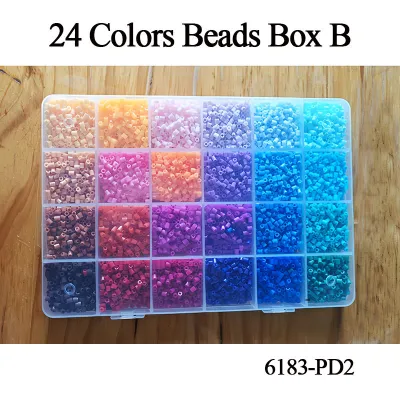
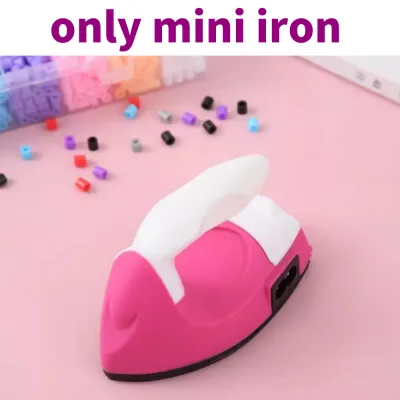
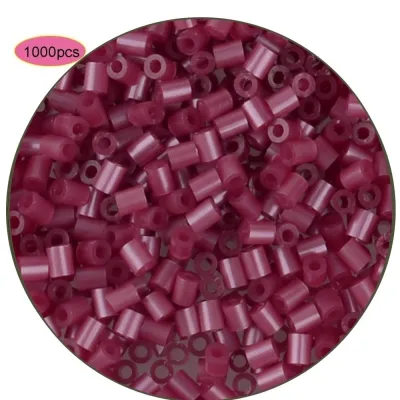
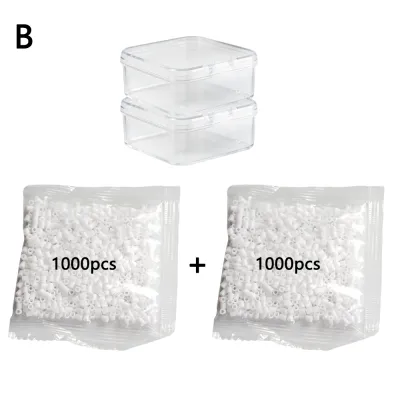
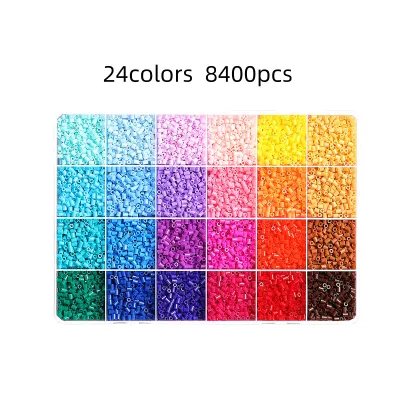
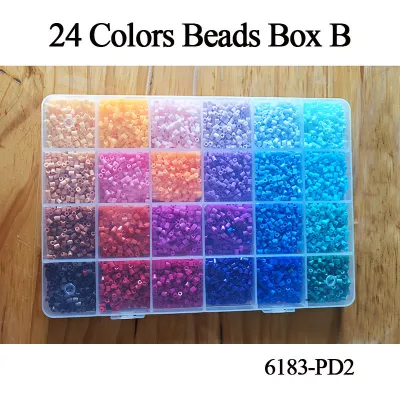
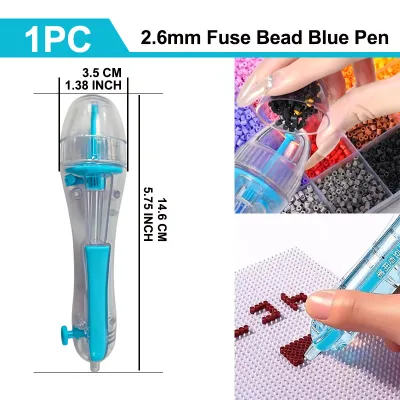
Prices are valid at publication and may change. Please refer to the product page for the latest price.
Hama, a long-standing Danish brand, offers a highly structured system divided into three distinct sizes: Mini (2.5mm), Midi (5mm), and Maxi (10mm). Note that Hama’s mini beads are slightly smaller than the 2.6mm standard used by other brands, which affects pegboard compatibility. Hama is celebrated for its sophisticated, European-style color palette, featuring subtle pastel shades, deep earth tones, and unique translucent options. Their packaging options range from small blister packs for quick projects to large tubs and individual bags of 1,000 to 3,000 beads.
Artkal is a newer brand that has rapidly gained popularity among advanced pixel artists due to its massive color selection and innovative material types. Artkal offers two primary lines: the “A-series” (hard plastic, similar to Perler and Hama) and the “R-series” (soft, flexible plastic that remains bendable after ironing). Their beads are available in both 2.6mm (mini) and 5mm (midi) sizes. With a color spectrum spanning over 200 distinct shades, Artkal allows for incredibly smooth gradients and realistic shading. They are commonly packaged in large, pre-sorted organizer boxes, gradient color packs, and individual bags of 1,000 or 2,000 beads.
How to Evaluate Fuse Bead Quality and Compatibility
When comparing fuse beads, consistency in shape and size is the most critical factor to inspect. Examine a handful of beads from a new bag; they should have uniform heights and perfectly circular cuts. If some beads are taller or have thicker walls than others, they will make contact with your iron at different times. This discrepancy leads to uneven heat distribution, leaving some beads fully melted while adjacent ones remain barely fused, creating structural weak points in your finished craft.

Melting behavior is highly dependent on the specific plastic formulation used by each manufacturer. Standard fuse beads are typically made from low-density polyethylene (LDPE) or ethylene-vinyl acetate (EVA), which have different melting points. Before committing to a large, complex design, always perform a test melt on a small 5×5 grid of beads. Note the iron temperature setting and the time required to achieve your preferred finish—whether you prefer a “flat melt” where the center holes are completely closed, or a “soft melt” where the holes remain open.
Pegboard compatibility is another crucial variable, especially when working with mini beads. Because Hama’s mini beads are 2.5mm while Perler and Artkal are 2.6mm, placing them on the wrong pegboard can cause frustration. A bead that is too small will wobble and sit crookedly, while a bead that is too large will stretch the pegs, potentially warping the board permanently. Always test the physical fit of a few beads on your pegboard before starting a project to ensure they slide on smoothly without forcing or slipping off.
Color accuracy can also vary significantly between digital catalogs and physical plastic. The vibrant shades you see on your phone or computer screen are often altered by display settings and backlighting. To prevent unexpected color clashes in your designs, consider creating a physical color swatch board. Fuse a single bead of each color you own onto a small, labeled backing sheet. This physical reference allows you to evaluate how the colors interact under the natural, warm, or fluorescent lighting of your local workspace.
Finding the Best Value on Local E-Commerce Platforms
When shopping for fuse beads on online marketplaces in the Philippines, comparing the upfront package price can be misleading. Instead, calculate the unit price—either the price per bead or the price per gram—to determine the true value. For example, a bag of 1,000 beads priced at ₱150 yields a unit price of ₱0.15 per bead. Comparing this unit cost across different bag sizes, bulk buckets, and multi-color assortments will help you identify the most economical option for your crafting frequency.
Because these brands are imported, local e-commerce platforms feature a wide variety of listings from both authorized distributors and independent third-party resellers. To ensure you are receiving authentic, high-quality beads rather than cheap, generic counterfeits, look for sellers with high positive ratings and detailed product photos showing original brand packaging. Authentic beads melt predictably and resist warping, whereas counterfeit alternatives often emit strong chemical odors, melt unevenly, or ruin your pegboards due to excessively low melting points.
Your choice between bulk packs and single-color assortments should depend on the scale of your projects. Multi-color buckets are highly cost-effective for beginners and casual crafters, but sorting through thousands of mixed beads can be incredibly time-consuming. For large-scale pixel art or repetitive designs, investing in individual single-color bags of 1,000 or 6,000 beads is far more efficient. This approach ensures you have an ample supply of essential outlining and background colors, such as black and white, without needing to sort through a mixed tub mid-project.
Additionally, consider the tropical climate of the Philippines when storing your bead collection. High humidity can cause paper liners to warp and dust to cling to static-charged plastic beads. Store your sorted beads in airtight plastic organizer boxes with secure latches. This keeps your inventory clean, dry, and organized, preventing moisture from affecting the beads’ surface texture before they are ironed.
Which Fuse Bead Brand Should You Choose?
Choose Perler if you want a highly reliable, widely supported standard midi bead for classic crafts. It is the perfect choice for beginners, school projects, and traditional pixel art designs. Perler beads offer excellent structural strength once fused, and because of their global popularity, you can easily find thousands of free patterns online designed specifically around their classic color codes.
Choose Hama if you are looking for a softer, matte finish or require highly specific pastel and earth tones to complete delicate, vintage-style designs. Hama is also the ideal choice if you are purchasing official European craft kits or need specialized maxi beads to help young children develop their fine motor skills on dedicated, child-friendly pegboards.
Choose Artkal if you are an advanced crafter, pixel artist, or designer creating highly detailed portraits, complex gradients, or 3D models. The ability to choose between rigid hard beads and flexible soft beads, combined with an unparalleled spectrum of over 200 shades, makes Artkal the premier choice for high-fidelity, professional-grade bead art.
Verify first if you are purchasing from an unverified online seller or planning to mix different brands within a single, high-detail project. Always run a small test melt on a scrap pegboard to ensure the different plastic blends fuse securely together without warping, shrinking, or pulling apart at the seams.
Frequently Asked Questions (FAQ)
Can I mix Perler, Hama, and Artkal beads in the same project?
Mixing different fuse bead brands in a single project is possible, but it carries physical risks due to variations in plastic composition and manufacturing tolerances. Because Perler, Hama, and Artkal use slightly different chemical formulas, their beads melt and flow at different temperatures. If you iron them together, one brand may over-melt and spread flat while the other barely softens, resulting in an uneven surface texture and weak joints that are prone to snapping.
To minimize these risks, always perform a test melt with a small, mixed batch of beads on a scrap pegboard before starting your main project. Arrange a small grid using beads from each brand you plan to combine, cover them with ironing paper, and apply heat. Observe how they fuse: if they melt at a similar rate and form a secure, uniform bond without warping, you can proceed with your mixed-brand design. If they separate or melt unevenly, it is best to stick to a single brand for that specific project.
What type of iron and paper should I use for fusing?
For safe and effective fusing, always use a standard household dry iron. Avoid using the steam function, as the steam holes on the iron’s soleplate can cause uneven heat distribution, leaving circular, unmelted spots on your design. Furthermore, any moisture or steam escaping from the iron can warp your ironing paper and trap water droplets inside the hot plastic, creating unsightly bubbles and weakening the structural integrity of the finished piece.
Always place a protective sheet of dedicated ironing paper or high-quality kitchen parchment paper between your beads and the iron. Parchment paper is highly heat-resistant and prevents the melting plastic from sticking to your iron’s metal plate. Avoid using wax paper, as the wax coating will melt under the iron’s heat, leaving a messy, sticky residue on both your iron and the surface of your beads, which ruins their clean, matte finish.
Community discussion
Share your experience or ask a question. Comments are reviewed before publication.