
The “best” fuse bead brand depends entirely on your specific crafting goals, budget, and patience for the ironing process. While premium brands like Perler and Hama offer distinct melting behaviors and extensive color palettes for detailed pixel art, generic alternatives provide a cost-effective entry point for casual projects and bulk practice. This guide breaks down the observable differences in fit, finish, and local availability to help you decide which beads belong in your craft kit.
Understanding Melt Behavior and Board Fit
When working with fuse beads, the way the plastic responds to heat determines the success of your project. Premium brands like Perler beads are typically made from low-density polyethylene, which provides a predictable, uniform melt. Under a standard household iron, these beads soften gradually, allowing you to achieve either a partial melt where the individual circular shapes remain visible, or a full flat melt where the holes close up completely to form a solid plastic sheet.
Hama beads, on the other hand, often exhibit a slightly lower melting point or a faster flow rate when heated. This characteristic can result in a glossier, smoother finish more quickly, but it also requires a delicate touch to avoid over-melting and collapsing the design.
Products mentioned in this guide
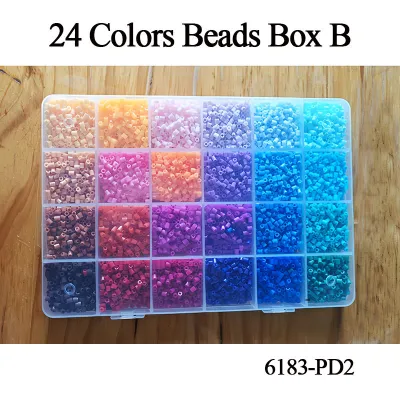
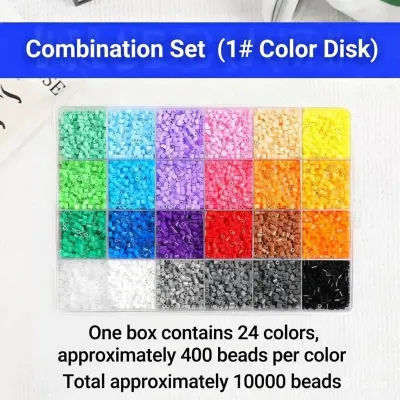
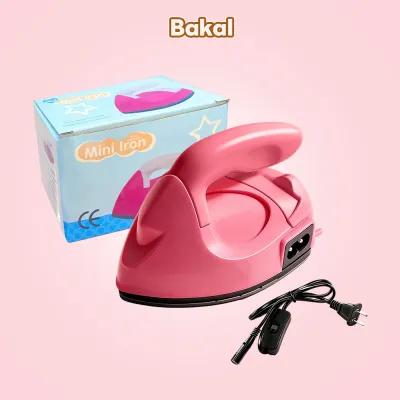
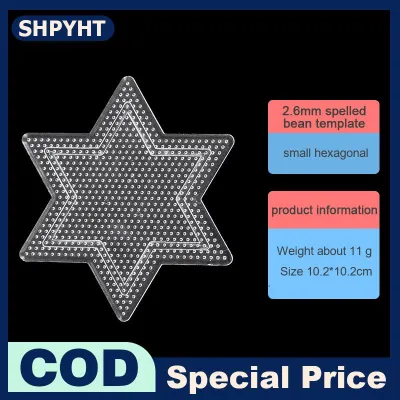
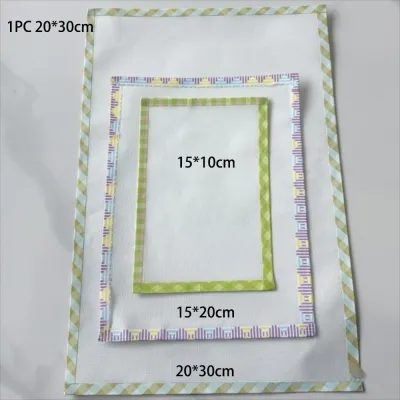
Prices are valid at publication and may change. Please refer to the product page for the latest price.
Pegboard compatibility is another critical factor that affects your crafting experience. While the standard midi size for fuse beads is nominally 5mm across all major brands, manufacturing tolerances vary. Perler beads and Hama beads are engineered to fit precisely on their respective branded pegboards, but they are generally interchangeable on standard 5mm peg layouts.
However, generic fuse beads often suffer from slight dimensional inconsistencies. A fraction of a millimeter difference might seem negligible, but across a large pegboard, these tiny variances accumulate. You may find some generic beads slipping too loosely on the pegs, while others are too tight, causing adjacent beads to pop out of place before you even apply the iron.
To prevent project frustration, always check the manufacturer’s specific ironing instructions, as heat recommendations can vary based on the plastic formulation. Before committing to a large, complex design, it is highly recommended to test a small batch of unfamiliar beads on a spare pegboard. Iron a simple five-by-five square to observe how quickly the plastic fuses, how much the holes shrink, and whether the beads adhere securely to one another without warping the pegboard underneath.
Comparing Color Range and Batch Consistency
For detailed pixel art, portrait recreations, or complex anime designs, the depth of your color palette is just as important as the physical quality of the beads. Premium brands excel in this category by offering highly specialized selections. Perler beads are renowned for their extensive range of solid colors, subtle gradients, and specialty finishes like glitter, glow-in-the-dark, and metallic shades.

Hama beads offer a similarly impressive catalog, often featuring unique translucent colors and pastel variations that are highly prized for delicate, vintage-style designs. In contrast, generic bead sets usually come in pre-mixed buckets or basic multi-color trays. While they cover the primary and secondary colors well, they rarely offer the nuanced shades of gray, skin tones, or transitional pastels needed for sophisticated shading.
Batch-to-batch color consistency is another area where premium and generic options diverge. When purchasing branded beads, a specific color code will look identical whether you bought it this month or last year. This reliability is critical for large-scale pixel art projects that require multiple bags of the same shade.
With generic brands, color consistency is rarely guaranteed. A light blue bead from one batch may have a noticeably different hue or opacity in the next shipment, resulting in distracting bands of mismatched color across your finished piece.
If you decide to purchase generic beads to save on costs, perform a quick visual inspection before starting your project. Pour a portion of the beads onto a flat surface and check for deformed shapes, such as beads that are sliced at an angle, have jagged edges, or are significantly shorter than the rest. Look for inconsistent inner diameters and cloudy or dusty finishes, which can indicate low-grade recycled plastics that may not fuse evenly or could release unpleasant odors when heated.
Navigating Pricing and Availability in the Philippines
Finding the right balance between cost and quality requires understanding how these brands are positioned in the Philippine market. Generic fuse beads represent the most budget-friendly tier, often sold in bulk tubs or large multi-compartment organizer boxes. These sets typically cost around ₱150 to ₱400 for thousands of beads, making them highly accessible for casual hobbyists, parents, and school art projects.
Branded options sit at a higher price bracket. A single solid-color bag of Perler beads containing 1,000 pieces generally ranges from ₱180 to ₱300, depending on the importer and the rarity of the color. Hama beads occupy a similar premium tier, with prices reflecting their import status from Europe.
In the Philippines, physical availability varies significantly by region. Major craft stores and specialty stationery shops in urban centers like Metro Manila, Cebu, and Davao occasionally stock branded fuse beads, but their inventory can be inconsistent. You are more likely to find generic kits in general toy stores or local department store stationery sections.
For a reliable supply of specific solid colors from Perler or Hama, specialized online craft retailers and authorized distributors are the most dependable sources. When sourcing beads from online marketplaces, caution is necessary to avoid counterfeit products or poor-quality generic substitutes marketed under misleading names.
Unverified sellers often use official brand photos but ship low-grade generic beads that do not match the advertised colors. To protect your investment, read customer reviews carefully, looking for photos of the actual packaging received. Watch out for listings with missing pieces, damaged storage trays, or poorly packaged bags that can burst during transit, leaving you with a mixed mess of thousands of unsorted beads.
Matching the Right Bead to Your Crafting Goals
Choosing the right bead type comes down to matching the material properties to your specific project goals and skill level.
Choose Perler if you are a dedicated pixel artist or hobbyist who demands structural integrity and precise color matching. The rigid nature of fused Perler beads makes them excellent for creating standing figures, 3D structures, coasters, and keychains that must withstand regular handling. Their reliable melting behavior ensures that your hard work will not warp or collapse under the iron, and the vast color catalog allows you to recreate complex digital sprites with high color accuracy.
Choose Hama if you prefer a softer, more flexible finished product or if you enjoy working with delicate, translucent, and pastel aesthetics. Hama beads tend to fuse into a slightly more pliable plastic sheet, which can be advantageous for items like patches or flexible ornaments. Their unique color palette offers creative options that can be difficult to replicate with other brands, making them a favorite for crafters who specialize in whimsical or retro-themed designs.
Choose Generic if you are purchasing materials for young children’s play, classroom activities, or bulk practice. If you are still learning how to control your iron’s heat or want to experiment with basic patterns without worrying about wasting expensive materials, generic beads provide a low-risk playground. They are also ideal for large-scale, temporary decorations where long-term durability and perfect color shading are not priorities.
Verify first if your project requires mixing different brands or demands specific physical properties like washing durability. If you plan to turn your bead designs into wearable accessories, such as bag charms or jewelry, test how the fused joints hold up to bending and tension. Additionally, if you are combining brands, verify that their heights and melting points are compatible to avoid uneven surfaces.
Essential Tips for Fusing and Storing Your Beads
Achieving a clean, professional finish requires proper technique and storage, especially in the tropical climate of the Philippines. When ironing your design, always place a sheet of high-quality ironing paper or baking parchment between the iron and the beads. Never use wax paper, as the wax can melt off and ruin both your iron and your craft.
Set your household iron to a medium dry setting with the steam function completely turned off. Moisture from steam will trap bubbles inside the melting plastic, leading to weak joints and an uneven, cloudy appearance. Move the iron in gentle, circular motions to distribute the heat evenly across the entire design.
Once the beads have fused to your liking, let the project cool completely before attempting to peel it off the pegboard. Removing a hot design can cause the warm plastic to warp, bend, or crack. To ensure your project dries perfectly flat, place a heavy book or a flat weight on top of the parchment paper immediately after ironing and leave it there for several minutes. This step also protects your pegboards from warping under the residual heat of the beads.
Proper storage is vital for maintaining the quality of your bead collection, particularly in humid environments. High humidity can cause some generic plastics to become slightly sticky or attract dust, which interferes with the melting process. Store your beads in airtight plastic organizers or clear jars sorted by color. Keep your storage containers out of direct sunlight; prolonged exposure to UV rays can fade vibrant pigments, turning your bright neons and deep pastels into dull, washed-out shades before you even have a chance to iron them.
Frequently Asked Questions (FAQ)
Can you mix Perler, Hama, and generic beads in the same project?
While it is physically possible to place different brands on the same pegboard, mixing them in a single project is generally not recommended for finished pieces. Because Perler, Hama, and generic beads are manufactured using different plastic formulations, they have distinct melting points and cooling rates. If you iron them together, some beads will melt rapidly and spread out before others have even begun to fuse. This uneven melting leads to structural weak points, a bumpy surface texture, and a high risk of the project breaking along the boundaries where the different brands meet. If you must mix brands, always test a small sample first to observe how they fuse together.
Are generic fuse beads safe for young children?
When purchasing generic fuse beads for children, it is essential to verify the packaging for age recommendations and non-toxic certifications. Standard 5mm midi beads pose a choking hazard and are generally recommended for children aged six and older. While the cold plastic beads themselves are typically safe to handle, the fusing process involves high temperatures that require strict adult supervision. An adult should always handle the ironing phase to prevent accidental burns or damage to household surfaces. Additionally, ensure the crafting area is well-ventilated, as heating lower-quality generic plastics can sometimes release mild, unpleasant plastic odors.
Community discussion
Share your experience or ask a question. Comments are reviewed before publication.