
Selecting the ideal marker pen is not just about picking a color; it is about matching the ink chemistry to your specific surface and project lifespan. Using the wrong marker can lead to permanently stained whiteboards, ruined clothing, or labels that smudge away in high tropical humidity. By understanding how permanent, washable, and whiteboard markers interact with different materials, you can ensure your writing remains exactly as long as you intend.
Identify Your Core Writing Needs
Before purchasing a marker pen, evaluate the physical characteristics of your writing surface. Materials generally fall into two categories: porous and non-porous. Porous surfaces like standard paper, cardboard, and unfinished wood absorb ink deeply into their fibers, which can cause certain inks to bleed or feather. Non-porous surfaces like glass, plastic, metal, and glazed ceramics keep the ink on the surface, meaning the ink must rely on specific binding agents to stay put or wipe away cleanly.
Next, determine the required lifespan of your marks. If you are labeling storage boxes for a humid pantry or organizing outdoor utility cables, you need an ink that resists moisture and physical friction. Conversely, temporary brainstorming sessions on a glass window or daily scheduling on a family calendar require an ink that can be wiped away instantly without leaving a ghosted residue.
Products mentioned in this guide
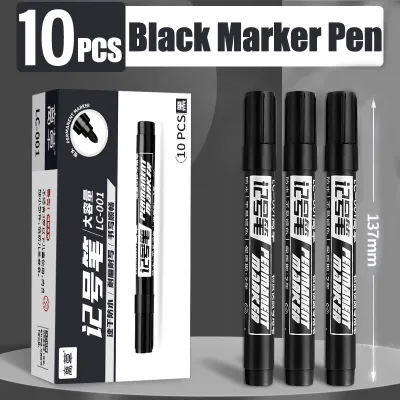
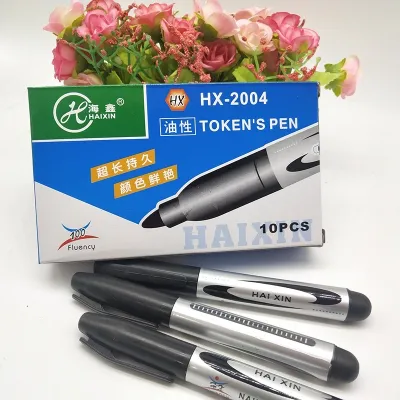
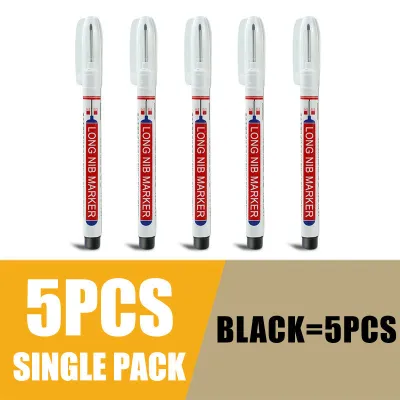
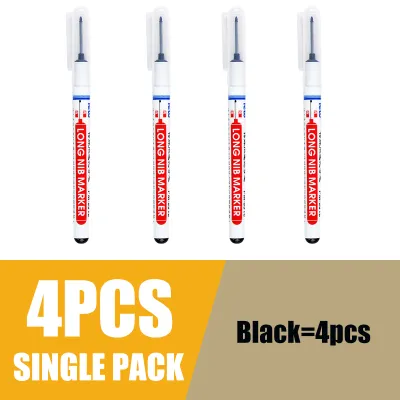
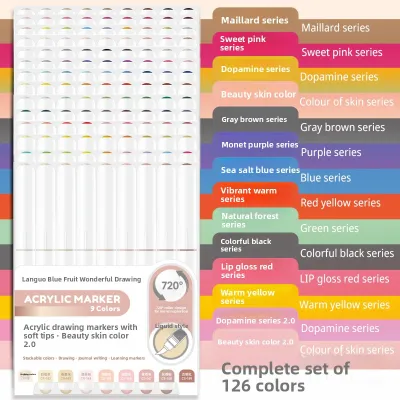
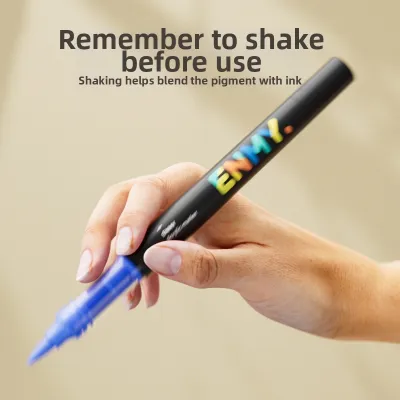

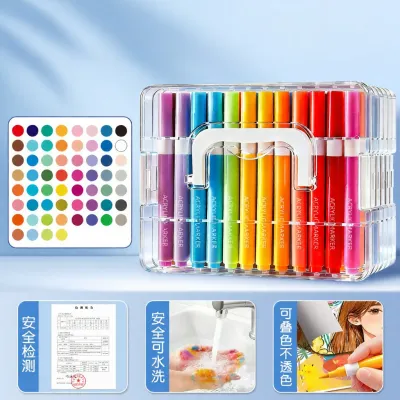
Prices are valid at publication and may change. Please refer to the product page for the latest price.
Finally, consider the environment and the primary users. In classrooms or households with young children, safety and washability are paramount to prevent accidental stains on skin, walls, and school uniforms. In professional office spaces, low-odor formulations and precise tip shapes, such as chisel or fine bullet tips, are often preferred to maintain a comfortable working environment during long meetings.
Permanent Markers: For Long-Lasting Labels and Non-Porous Surfaces
Permanent markers are engineered to deliver highly durable, water-resistant marks on a wide variety of challenging surfaces. These markers typically utilize an organic solvent base, such as alcohol, which allows the ink to dry rapidly even in humid environments. This fast-drying capability makes them the ideal choice for labeling plastic storage bins, writing on metal tools, marking garden stakes, or organizing glossy laminated folders.

However, the very qualities that make permanent markers highly effective also present significant limitations. The solvent-based ink is designed to penetrate porous materials deeply, which often results in severe bleed-through on standard notebook paper or thin copy paper. Additionally, accidental marks on skin, clothing, or unsealed wooden furniture are exceptionally difficult to remove and can cause permanent damage to delicate fabrics.
When selecting a permanent marker, always verify the product specifications on the packaging. Look for details regarding the tip style—such as a fine tip for detailed labeling or a broad chisel tip for large shipping boxes. If you plan to use the markers indoors or in enclosed spaces, check for low-odor or non-toxic certifications to ensure a comfortable user experience. For outdoor applications, verify whether the ink is formulated to resist fading from ultraviolet exposure, as standard permanent inks can degrade when subjected to intense sunlight over time.
Washable Markers: For Paper, Crafts, and Easy Cleanup
Washable markers are formulated with water-based inks that do not contain strong organic solvents, making them the safest and most practical choice for creative projects, schoolwork, and young artists. Because the pigments are suspended in a water-soluble solution, the ink does not bind permanently to fibers or skin. This makes them highly forgiving during messy art sessions where accidental marks on hands, faces, and clothing are almost guaranteed.
These markers perform exceptionally well on standard drawing paper, construction paper, and cardboard. Unlike solvent-based inks, water-based washable inks are much less likely to bleed through the pages of coloring books or school notebooks, allowing children to use both sides of a sheet of paper. They are also available in a wide array of vibrant colors and tip shapes, including broad conical tips that can create both fine lines and sweeping strokes.
While cleanup is straightforward, it is important to manage expectations based on the material involved. Washable ink is designed to wash out of most machine-washable fabrics and off smooth skin with simple soap and warm water. However, you should always check the garment care label before attempting to wash stained clothing, as delicate fabrics like silk or wool may react differently. Furthermore, washable markers are entirely unsuitable for non-porous surfaces like plastic or glass, where the ink will bead up, smudge instantly, and fail to dry properly.
Whiteboard Markers: For Dry-Erase Boards and Smooth Glass
Whiteboard markers, commonly referred to as dry-erase markers, are specialized writing instruments designed specifically for temporary communication on smooth, non-porous surfaces. The secret to their functionality lies in a unique ink formulation that combines color pigments, a fast-evaporating solvent, and a silicone release agent. When you write on a whiteboard or glass pane, the solvent evaporates quickly, leaving behind a dry, powdery ink film that is prevented from bonding to the surface by the release agent.
This chemical design allows the ink to be wiped away effortlessly with a dry cloth or eraser, leaving no permanent residue behind. They are indispensable tools for office brainstorming sessions, classroom lectures, and interactive workshops. Because they are designed for frequent use in shared spaces, many modern dry-erase markers feature low-odor, alcohol-based solvents that prevent the buildup of strong chemical fumes in closed meeting rooms.
A common and costly mistake is using whiteboard markers on incompatible, porous surfaces. If you write with a dry-erase marker on paper, cardboard, unsealed wood, or painted drywall, the ink will sink deep into the pores of the material. Once absorbed, the release agent cannot function, and the ink will leave a permanent, irreversible stain. To protect your office equipment and home surfaces, restrict these markers strictly to high-quality whiteboards, porcelain boards, and smooth glass panels.
Decision Matrix: Match Your Task to the Right Marker Pen
To streamline your purchasing decision and avoid wasting money (or ₱) on incompatible writing instruments, match your specific task to the appropriate marker category. For long-term organization, industrial labeling, and outdoor use, select a permanent marker with a durable acrylic tip. For children’s crafts, school projects, and everyday paper coloring, choose water-based washable markers. For presentations, collaborative meetings, and temporary glass labeling, opt for high-quality dry-erase whiteboard markers.
Before committing to a large project or writing on an expensive item, always perform a small spot test. Apply a tiny mark in an inconspicuous or hidden area of the material to verify how the ink behaves. Observe whether the ink bleeds through the backing, smudges when touched, or resists clean removal. This simple step can save valuable materials from accidental damage.
Proper storage is also critical to maintaining the performance of your marker pens. Always recap your markers tightly immediately after use; a distinct clicking sound usually indicates a secure seal that prevents the solvent or water base from evaporating. Store your markers horizontally whenever possible, as this keeps the ink distributed evenly between the tip and the reservoir, preventing the tip from drying out or becoming oversaturated.
Frequently Asked Questions (FAQ)
Can I use a whiteboard marker to remove permanent marker stains?
Yes, this method can be highly effective, but only on smooth, non-porous surfaces like whiteboards, glass, or glazed ceramic. The solvent and silicone release agent in a dry-erase marker can temporarily reactivate and dissolve the dried polymer binders of a permanent marker stain. To attempt this, scribble directly over the permanent marker stain with a fresh whiteboard marker, ensuring the stain is completely covered. Wait a few seconds for the solvents to interact, then wipe the area firmly with a clean dry eraser or microfiber cloth. Always test this technique on a small, hidden corner first, and avoid using it on painted walls, wood, or plastics that could be permanently damaged or stained by the concentrated solvents.
What should I do if a permanent marker gets on clothing?
If permanent marker ink accidentally transfers to clothing, immediate action is necessary to prevent the stain from setting permanently into the fabric fibers. Blot the stain gently with a clean, dry paper towel to absorb any excess wet ink; never rub the stain, as this will spread the pigment and push it deeper into the weave. Before applying any household cleaning agents, rubbing alcohol, or stain removers, carefully inspect the garment’s care label to ensure the fabric can tolerate spot treatment. If the clothing is made of delicate materials such as silk, wool, or acetate, do not attempt home remedies. Instead, take the garment to a professional dry cleaner as soon as possible and identify the stain as permanent marker ink to ensure they use the correct professional solvents.
Community discussion
Share your experience or ask a question. Comments are reviewed before publication.