
Finding the right A4 bond paper in the Philippines requires balancing print quality, printer longevity, and budget. The standard A4 size (210 mm by 297 mm) is the default choice for corporate contracts, school learning modules, legal briefs, and daily office documentation. However, choosing the “best” brand is not a one-size-fits-all decision; it depends entirely on your specific printing equipment, volume requirements, and whether your documents are for internal drafts or client-facing presentations.
For premium, high-stakes documents and double-sided printing, top-tier brands offering 80 gsm (grams per square meter) paper provide a smooth, jam-free experience that justifies their higher cost. Conversely, for high-volume, single-sided printing—such as school worksheets or temporary office drafts—mid-range or economy 70 gsm brands offer excellent cost efficiency without sacrificing basic readability.
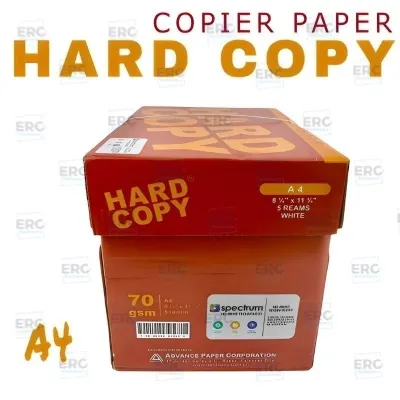
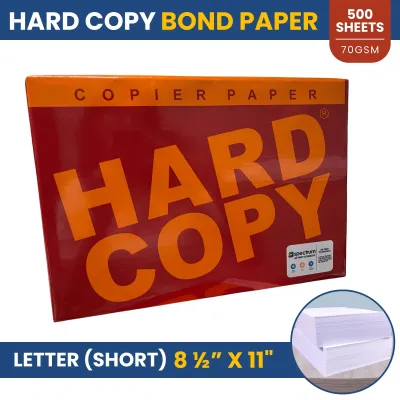
To maximize your budget, purchasing a4 bond paper 1 box at a time is the most practical strategy for local businesses, schools, and busy home offices. Buying in bulk significantly lowers the per-ream and per-sheet cost compared to purchasing individual reams at retail prices. Understanding how to evaluate paper specs and calculate true landed costs will ensure you get the best value for your money.
Products mentioned in this guide
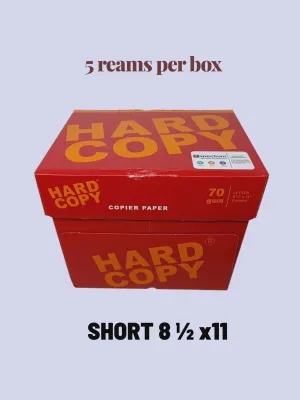
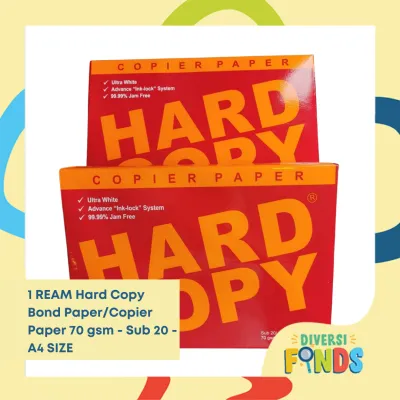
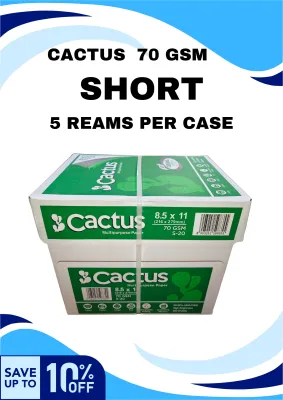
![[1 BOX/5 REAMS] Copy Paper / Bond Paper - Short/Long/A4 | 70GSM | 500 SHEETS](https://img.lazcdn.com/g/p/e6a7dc9b9fb260f909fad3a3b04f835c.jpg_400x400q80.jpg_.webp)
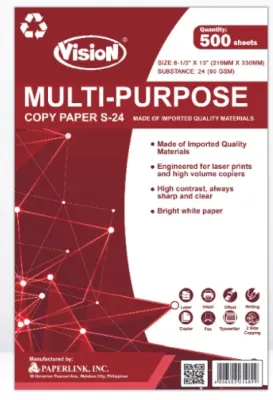
![[ Makapal ] Bond Paper HARD COPY 80gsm Thick - Short A4 Long Coupon Band One Ream 500 Bondpaper Box](https://img.lazcdn.com/g/p/03195880b1f03ac35f7ebbe49cbecd1c.jpg_400x400q80.jpg_.webp)
Prices are valid at publication and may change. Please refer to the product page for the latest price.
Core Quality Metrics: How to Evaluate Bond Paper
To make an informed decision, you must look past brand names and understand the technical specifications printed on the packaging. These metrics directly impact how the paper behaves inside your printer and how the final printed document looks and feels.
Paper Weight (GSM)
Grams per square meter, or GSM, measures the density and weight of the paper. In the Philippine market, A4 bond paper is primarily sold in two weights: 70 gsm (sometimes labeled as Sub 20) and 80 gsm (Sub 24).
A 70 gsm sheet is lightweight, flexible, and highly economical, making it the standard choice for everyday single-sided printing, photocopying, and high-volume school modules. However, because it is thinner, it is more prone to curling under the intense heat of laser printers and can occasionally jam in high-speed machines.
An 80 gsm sheet is thicker, stiffer, and feels more substantial. This added stiffness provides excellent runnability in high-speed office copiers and multi-function printers, dramatically reducing the risk of paper jams. It is the professional standard for official correspondence, reports, and contracts.
Brightness and Whiteness
While they sound identical, brightness and whiteness refer to different optical properties. Brightness measures the amount of blue light reflected by the paper, typically expressed as a percentage (e.g., 95% to 98%). Whiteness, measured using the CIE index (often ranging from 140 to 165+), indicates how light is reflected across the entire visible spectrum.
High-whiteness paper (CIE 160 and above) appears brilliant white with a slight blue tint, which provides sharp contrast for black text and makes colored graphics pop. Low-whiteness paper has a slightly warmer, creamier, or greyish tone. While lower whiteness is easier on the eyes for prolonged reading, high whiteness is preferred for professional, client-facing documents where visual impact is critical.
Smoothness and Dust Control
The smoothness of a sheet of paper is determined during manufacturing by a process called calendering, where the paper is pressed between heavy rollers. Smooth paper reduces friction as the sheets glide through the printer’s internal paper path, resulting in more consistent toner transfer and sharper ink coverage.
Equally important is dust control. Low-quality, budget-friendly papers often shed microscopic cellulose fibers (known as paper dust) as they pass through the printer. Over time, this dust accumulates on the printer’s rubber pickup rollers and fuser assembly, causing the rollers to lose their grip and pull multiple sheets at once, leading to persistent paper jams and expensive maintenance visits.
Opacity
Opacity refers to how much light is blocked from passing through a sheet of paper. High opacity is crucial for double-sided (duplex) printing. If a paper has low opacity, the text or graphics printed on one side will bleed through visually to the other side, rendering the document messy and difficult to read. Opacity is directly influenced by both the paper’s GSM and the quality of the raw wood pulp used during manufacturing; premium 80 gsm papers naturally offer the highest opacity.
Pricing Strategy: Per Ream vs. A4 Bond Paper 1 Box Purchases
When managing office supplies or preparing for a school semester, understanding the financial difference between buying individual reams and purchasing a full box is key to optimizing your budget.

Understanding the "1 Box" Standard
In the stationery industry, a standard box of A4 bond paper contains exactly 5 reams. With each ream containing 500 sheets, a single box provides a total of 2,500 sheets. This packaging standard is designed for easy transport, stacking, and inventory management in offices and retail stores.
Unit Cost Calculation
To find the most cost-effective option, you must calculate the unit cost rather than looking only at the retail price tag.
- Per-Ream Cost: Divide the total price of the box by 5. For example, if a box of mid-range A4 paper costs ₱1,150, the per-ream cost is ₱230. If a single retail ream of the same brand costs ₱265, buying the box saves you ₱35 per ream, or ₱175 total.
- Per-Sheet Cost: Divide the per-ream cost by 500. At ₱230 per ream, each sheet costs ₱0.46. For high-volume copy shops or schools printing thousands of pages daily, saving even ₱0.05 per sheet adds up to significant long-term savings.
Generally, buying a full box offers a 10% to 20% discount compared to buying five individual reams separately, making it the logical choice for anyone with consistent printing needs.
Hidden Costs of Bulk Buying
While buying a full box saves money on the paper itself, you must account for logistics, especially when purchasing online from e-commerce platforms or local distributors. A standard 5-ream box of A4 paper weighs approximately 11 to 12 kilograms.
Because shipping fees in the Philippines are heavily calculated based on weight and delivery distance, ordering a heavy box to be shipped from a warehouse in Metro Manila to provinces in Luzon, Visayas, or Mindanao can incur substantial delivery surcharges. In some cases, these shipping fees can exceed the bulk savings. Always calculate the total landed cost (the price of the box plus shipping fees) and compare it to the prices at your local neighborhood office supply store before finalizing an online purchase.
Storage and Humidity Challenges
The tropical climate of the Philippines, characterized by high temperatures and intense relative humidity—often exceeding 80% during the monsoon season—poses a major threat to bulk paper storage. Paper is highly hygroscopic, meaning it readily absorbs moisture from the surrounding air.
If you store a full box of paper in a damp, non-air-conditioned room or directly on a concrete floor, the sheets will absorb moisture, swell, and warp. When fed into a printer, this damp, curled paper will cling together due to static and moisture, leading to constant misfeeds, multi-sheet pulls, and severe printer jams. If you cannot store the paper in a dry, climate-controlled space, the cost of ruined sheets can easily wipe out any savings gained from buying in bulk.
Popular A4 Bond Paper Brands in the Philippines Compared
The Philippine market features several well-known paper brands, each catering to different budgets and performance requirements. The table below outlines how these popular brands compare in terms of positioning, strengths, and relative pricing.
| Brand | Market Positioning | Key Strength | Best Use Case | Relative Price Tier |
|---|---|---|---|---|
| Double A | Premium | Exceptional smoothness & zero-jam performance | Official contracts, client proposals, high-speed duplex printing | Premium |
| PaperOne | Premium-to-Mid | High brightness, vivid color contrast, & clean ink drying | Corporate reports, color presentations, executive documents | Premium / Mid-Range |
| IK Yellow | Mid-Range | Reliable daily runnability & excellent value | Everyday office printing, standard business forms, school modules | Mid-Range |
| Chamex | Mid-Range | Consistent feeding quality & balanced opacity | Multi-purpose copying, volume printing, general office tasks | Mid-Range |
| Supreme | Economy | Highly budget-friendly for massive print volumes | Internal drafts, high-volume worksheets, temporary records | Economy |
Premium Tier: Engineered for High Performance
Premium brands like Double A and PaperOne are engineered using advanced manufacturing techniques and high-quality short-fiber wood pulp (often sourced from sustainably managed eucalyptus plantations).
Double A is highly regarded in Philippine corporate offices for its legendary smoothness, which is achieved through a specialized calendering process. This smoothness minimizes friction, making it virtually jam-free even in heavy-duty, high-speed multi-function copiers. It also features high opacity, making it the premier choice for double-sided printing.
PaperOne stands out for its high brightness and whiteness, often enhanced with specialized technology that locks pigments onto the paper surface. This makes it exceptionally compatible with both laser and inkjet printers, ensuring that colored inks dry quickly without bleeding or feathering, resulting in sharp, vibrant graphics and professional-grade text.
Mid-Range Tier: The Practical Workplace Standard
Brands like IK Yellow and Chamex occupy the highly competitive mid-range segment, offering a reliable balance of quality and affordability.
IK Yellow is a staple in many local government offices, schools, and small businesses. It offers a bright, clear surface and dependable stiffness that handles daily printing tasks without frequent jamming. While it may not feel quite as luxurious as premium brands, its performance is more than adequate for standard business operations.
Chamex is another highly consistent performer, praised for its stable feeding characteristics. It is designed to run smoothly through a wide variety of office equipment, making it an excellent multi-purpose paper for businesses that use a mix of laser printers, inkjets, and analog copiers.
Economy Tier: Maximizing Cost Efficiency
Economy brands like Supreme focus entirely on delivering the lowest possible cost per sheet. These papers are typically lighter (often strictly 70 gsm) and may have slightly lower brightness or whiteness ratings compared to their premium counterparts.
They are highly popular among local copy centers, internet cafes, and public schools where massive volumes of learning materials must be printed on a tight budget. While they are prone to minor show-through if used for double-sided printing, they are perfectly suitable for single-sided text documents, worksheets, and internal office drafts.
The Crucial Verification Step
Because paper performance is highly dependent on the specific combination of your printer model, ink or toner type, and local environmental conditions, it is highly recommended to test a single ream of a new brand before committing to a full box. This allows you to evaluate smoothness, bleed resistance, drying speed, and water resistance in your specific environment.
Verify the exact GSM (70 vs. 80) printed on the packaging, as many popular brands sell both variants under the same brand name. Additionally, check the condition of the box upon delivery to ensure the protective outer packaging is intact and free from moisture damage.
Decision Framework: Choosing the Right Paper for Your Needs
To select the perfect A4 bond paper for your specific situation, use this structured framework to align your volume requirements, print quality needs, and budget.
Choose Premium (80 gsm) if:
- You print client-facing documents: Official proposals, legal contracts, certificates, and marketing materials require a thick, bright, and professional feel.
- You rely on double-sided printing: High-speed duplex printing requires the superior opacity and stiffness of 80 gsm paper to prevent visual bleed-through and physical paper jams.
- You operate high-speed laser copiers: Heavy-duty office machines require premium, low-dust paper to prevent roller wear and minimize costly downtime.
Choose Mid-Range (70 gsm or 80 gsm) if:
- You run a standard office or school admin department: Daily memos, invoices, purchase orders, and standard reports are handled perfectly by mid-range brands.
- You want a balance of cost and reliability: This tier keeps your operational expenses predictable while ensuring your office printers run smoothly without daily maintenance issues.
Choose Economy/Budget (70 gsm) if:
- You print massive volumes of single-sided text: School modules, high-volume worksheets, temporary internal drafts, and packing slips do not require premium brightness or heavy paper weight.
- Your primary goal is minimizing cost per sheet: When printing thousands of pages daily, the accumulated savings of economy paper far outweigh minor compromises in paper brightness and texture.
Verify first if buying online:
- Check seller ratings and reviews: Look for feedback specifically mentioning how the seller packages heavy items. A reputable seller will wrap the box in thick bubble wrap or stretch film to protect it from rain during transit.
- Calculate the total landed cost: Always check the shipping fee at checkout. If the shipping cost is too high, look for local office supply distributors in your city that offer free delivery for bulk orders.
- Confirm storage conditions: Ensure your designated storage area is dry, elevated off the ground, and shielded from extreme temperature shifts to keep your paper flat and ready for use.
Frequently Asked Questions (FAQ)
What is the practical difference between 70 gsm and 80 gsm A4 paper?
The primary difference lies in thickness, stiffness, and opacity. An 80 gsm sheet is physically thicker and stiffer than a 70 gsm sheet, which prevents it from curling under the high heat of laser printer fusers and makes it highly resistant to paper jams in high-speed machines. The extra thickness also provides superior opacity, making 80 gsm paper the ideal choice for double-sided printing because text and images will not show through to the other side. A 70 gsm sheet is thinner, lighter, and more flexible, making it highly economical and perfectly suitable for high-volume, single-sided text documents, but more prone to curling and minor bleed-through.
How should I store a box of bond paper in a humid climate?
In the humid tropical climate of the Philippines, protecting your paper from moisture is critical. Always store your paper boxes off the concrete floor, placing them on a wooden pallet, a shelf, or a plastic riser to prevent moisture from seeping upward. Keep each individual ream sealed inside its original moisture-proof plastic or wax-coated wrapper until the exact moment you are ready to load the paper into your printer. If you have an opened ream, store the unused sheets in a tight-sealing plastic container or a dry cabinet. Avoid storing paper boxes near open windows, external walls, or directly under air conditioning vents where cold, damp air can cause the paper edges to warp.
Why does my printer keep jamming even with brand-new paper?
Frequent paper jams with new paper are typically caused by environmental factors or machine maintenance issues rather than defective paper. In high humidity, paper sheets can absorb moisture and cling together due to static electricity; fanning the ream thoroughly before loading it into the paper tray helps separate the sheets and prevents multi-sheet feeds. Another common cause is the accumulation of paper dust on the printer’s rubber pickup rollers, which causes them to slip. Cleaning the rollers gently with a damp, lint-free cloth can restore their grip. Finally, ensure the paper guides in your printer tray are adjusted snugly against the edges of the A4 paper to prevent sheets from feeding at an angle.
Community discussion
Share your experience or ask a question. Comments are reviewed before publication.