
The “best” multi-function pen depends entirely on your physical comfort needs and daily writing environment. The Pilot Dr. Grip 4+1 excels in ergonomic support for long, heavy writing sessions, while standard slim multi-pens offer superior portability and pocket-friendly convenience. Rather than looking for a single winner, evaluate your grip preference, ink requirements, and carry habits to choose the tool that actually fits your workflow.
Ergonomics and Grip Design: Comfort vs. Portability
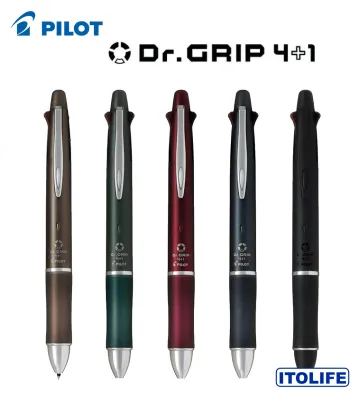
The standout feature of the Pilot Dr. Grip 4+1 is its wide, contoured silicone grip. This design aims to distribute finger pressure evenly and reduce muscle strain during long writing sessions. If you frequently experience hand fatigue or writer’s cramp, the wider diameter provides a relaxed hold that prevents tight pinching. The double-layer grip structure is engineered to absorb vibrations and cushion your fingers, making it a popular choice for students and professionals who spend hours taking notes.
However, this ergonomic comfort comes with a trade-off in physical bulk. The pen has a significantly wider barrel than standard multi-pens, which typically feature slim, straight profiles made of hard plastic or metal. While a slim pen is easy to slide into a narrow notebook loop or a shirt pocket, the Dr. Grip 4+1 requires more physical space. This extra girth can feel unwieldy for individuals with smaller hands or those who prefer a highly tactile, precise feel close to the paper.
Products mentioned in this guide
Prices are valid at publication and may change. Please refer to the product page for the latest price.
To determine which design suits you, observe your own writing habits and hand fatigue during extended sessions. If your daily tasks involve quick, intermittent notes on the go, a lightweight, slim multi-pen is highly convenient and easy to deploy. For those who write continuously in warm, humid tropical environments, the moisture-resistant silicone grip of the Dr. Grip 4+1 offers a more secure, slip-free hold that resists sweat. Weighing the physical dimensions against your comfort needs will help you decide if the added bulk is a worthwhile trade-off.
Ink Systems, Refills, and Paper Compatibility
Multi-function pens house multiple ink cartridges and often a mechanical pencil within a single barrel. The Pilot Dr. Grip 4+1 typically combines four ink colors—black, blue, red, and green—with a 0.5 mm mechanical pencil. This setup provides excellent versatility for color-coding notes, editing documents, or switching between drafting and writing without carrying multiple separate instruments. The inclusion of a pencil mechanism adds a layer of utility that standard ink-only pens lack.

The ink type used in these pens significantly affects your writing experience and paper compatibility. The Dr. Grip 4+1 generally uses low-viscosity oil-based ballpoint ink, designed to glide smoothly while resisting water. This formulation offers a hybrid experience, combining the smoothness of a gel pen with the fast drying times of a traditional ballpoint. This is particularly useful in humid climates where high-viscosity inks might skip or gel inks might take too long to dry, leading to smudges on your pages.
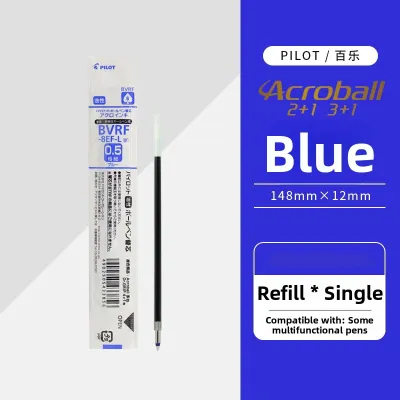
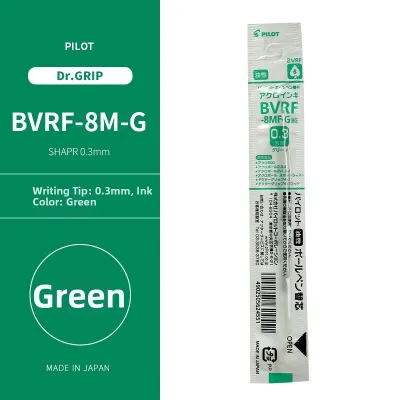
Before purchasing, check the availability and cost of refills at your local stationery store or preferred online marketplace. The Dr. Grip 4+1 relies on specific Pilot refills, which may be more expensive or harder to find than universal D1 refills used by some slim multi-pens. Always test how the ink behaves on your standard daily paper, as thin or low-grade sheets may experience feathering or bleed-through. Ensuring a steady supply of compatible refills is essential for keeping your multi-pen in active service.
Mechanism Reliability and Build Quality Checks
A multi-function pen relies on internal moving parts to deploy different tips. The Dr. Grip 4+1 uses a slide-knock mechanism, where you push down individual color sliders or the pocket clip to extend the pencil. When evaluating any multi-pen, test the switching mechanism for smooth operation and tactile feedback. A high-quality mechanism should slide into place with a positive click and retract effortlessly when another color is selected.
Inspect the pen body for potential failure points and overall build quality. High-quality multi-pens feature precise internal guides that prevent refills from catching, rubbing, or jamming during transitions. Look for any excessive mechanical play or rattling when you write, as loose internal components can affect your line precision and overall writing comfort. The connection point where the barrel unscrews to replace refills should have clean, durable threads that do not strip easily over time.
The outer casing material also dictates long-term durability and aesthetic wear. While plastic bodies keep the pen lightweight and affordable, they are more susceptible to cracking if dropped on hard surfaces. Metal-bodied alternatives offer superior scratch resistance and structural integrity, though they add noticeable weight to your pencil case or pocket. Consider your daily environment—whether the pen will sit safely on a desk or be tossed into a crowded backpack—to determine the level of durability you require.
Price, Value, and Daily Carry Considerations
The initial retail price of the Pilot Dr. Grip 4+1 is generally higher than basic plastic multi-pens, reflecting its specialized ergonomic design and multi-component assembly. When budgeting, consider both this upfront cost and the long-term cost of ownership. Frequent writers will need to replace ink cartridges regularly, making refill pricing and consumption rates a key factor in your overall stationery budget.
Daily carry compatibility is another practical consideration that depends on your lifestyle. The wide barrel and rubberized grip of the Dr. Grip 4+1 can make it difficult to slide into tight pen loops on planners or organizers. It also weighs more than a standard single-function pen, which might cause thin shirt pockets to sag or feel unbalanced when clipped to a lightweight notebook cover.
If you carry your stationery in a dedicated pencil case or a spacious bag, the physical dimensions of the Dr. Grip 4+1 present no issue. However, if you prefer a minimalist setup with a single pen clipped to a pocket notebook, a slimmer, lighter multi-pen with a sturdy metal clip may serve you better. Evaluate your daily routine, carry gear, and writing frequency to ensure the pen you choose fits seamlessly into your workflow without causing unnecessary inconvenience.
How to Decide: Which Multi-Function Pen Fits You?
Choose the Pilot Dr. Grip 4+1 if you prioritize ergonomic support for long writing sessions, experience hand cramping, and prefer a thicker grip. The soft silicone section and balanced weight distribution make it an excellent tool for intensive writing tasks where physical comfort is paramount. It is particularly well-suited for students, journalers, and professionals who write extensively by hand and appreciate the convenience of multiple colors and a pencil in one comfortable tool.
Choose a standard slim multi-pen if portability, lightweight design, minimal pocket bulk, and quick note-taking are your main concerns. These models are easier to carry in compact planners, fit neatly into standard shirt pockets, and are ideal for rapid, short-duration writing throughout the day. They offer a sleek, professional aesthetic that blends well in formal business environments where a bulky ergonomic pen might look out of place.
Before making your final choice, verify if your preferred notebook paper is compatible with the specific ink viscosity of the pen. Testing a single refill first can help you avoid issues with smudging, feathering, or slow drying times in your daily environment. By matching the pen’s ergonomics, ink system, and physical size to your specific writing habits, you can select a reliable tool that enhances your daily productivity.
Frequently Asked Questions (FAQ)
Can I use third-party refills in the Pilot Dr. Grip 4+1?
You should check the manufacturer’s specified refill codes printed on the original packaging or the pen body before attempting to swap cartridges. While some third-party refills may physically fit the barrel, using non-OEM cartridges carries risks of ink leakage, poor flow, or mechanism jamming. To ensure smooth switching and consistent ink delivery, it is generally safest to stick to compatible Pilot refills. If you do experiment with other brands, verify the exact length and tip diameter to avoid damaging the internal spring mechanism.
How do I clean the silicone grip if it becomes sticky?
To clean the silicone grip of your pen, use mild soap and water or a slightly damp microfiber cloth to gently wipe the surface. Avoid using harsh solvents, alcohol, or abrasive materials, as these chemicals can permanently degrade the silicone, causing it to break down or become permanently sticky. Allow the grip to air dry completely in a shaded area before using the pen again. Regular cleaning helps remove hand oils, dust, and lint, keeping the ergonomic grip comfortable and slip-free for daily use.
Community discussion
Share your experience or ask a question. Comments are reviewed before publication.