
Quick Answer: Which Pilot Pen Should You Choose?
Choosing between the Pilot Metropolitan and the Pilot Kakuno comes down to your aesthetic preferences, writing environment, and ergonomic needs. Both pens offer exceptional Japanese engineering at an accessible price point, but they serve different styles of use.
Choose the Pilot Metropolitan if you prefer a professional, classic aesthetic for office settings or formal signing. It features a heavier brass body, a traditional cylindrical grip, and a built-in metal pocket clip. It is ideal for those who like a substantial, back-weighted pen that feels premium in the hand.
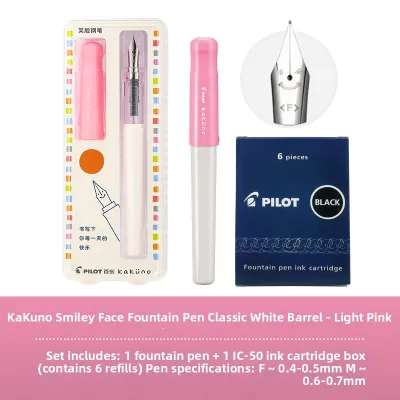
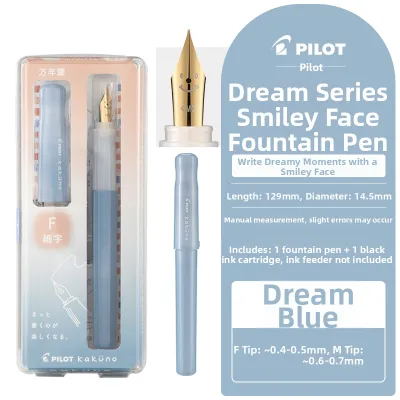
Choose the Pilot Kakuno if you prioritize a lightweight, fatigue-free writing experience. Its durable resin body, hexagonal barrel, and triangular ergonomic grip guide your fingers into a comfortable writing posture. This makes it highly suitable for students, casual journaling, and long sketching sessions.
Products mentioned in this guide
Prices are valid at publication and may change. Please refer to the product page for the latest price.
Before purchasing, verify your preferences regarding nib sizes, converter compatibility, and weight thresholds, as these factors will directly impact your daily writing comfort.
Build and Ergonomics: Metal vs. Resin
Body Material, Weight, and Balance
The most immediate difference between these two writing instruments is their construction material. The Pilot Metropolitan is crafted with a brass metal core coated in a matte finish. This metal construction gives the pen a reassuring heft, weighing approximately 26 grams. In contrast, the Pilot Kakuno is made entirely of lightweight polycarbonate resin, weighing only about 11 grams.

For writers in tropical climates like the Philippines, ambient humidity and hand moisture can affect how a pen feels. The Metropolitan’s metal body can feel cool to the touch initially, but the smooth surface may become slightly slippery during long writing sessions on warm afternoons. The Kakuno’s resin body maintains a neutral temperature and offers a consistent, non-slip texture regardless of the weather.
Grip Section and Finger Placement
The grip designs of these pens cater to entirely different hand postures. The Metropolitan features a smooth, tapered plastic grip with a distinct, sharp step-down where the barrel meets the section. If you tend to grip your pens higher up, this metal-to-plastic transition step might press uncomfortably against your fingers.
The Kakuno features a transparent, gently triangular grip section. This ergonomic shape naturally coaxes your thumb, index, and middle fingers into the classic tripod writing position. It is highly forgiving for beginners and helps reduce hand fatigue during extended study sessions or journaling.
Cap Behavior and Roll Prevention
How you secure and store your pen also differs between the two models. The Metropolitan uses a snap-cap mechanism that closes with a satisfying, secure click. Its cap includes a sturdy metal clip, making it easy to secure to a shirt pocket or notebook cover. When posted (placed on the back of the pen while writing), the metal cap shifts the center of gravity backward, which some writers find tiring over time.
The Kakuno also uses a snap-cap, but it lacks a pocket clip. To prevent the pen from rolling off your desk, the Kakuno features a hexagonal barrel design. The cap posts deeply and securely onto the resin body without significantly altering the pen’s lightweight balance, keeping the writing experience nimble and front-focused.
Comfort and Balance Checklist
- Weight Preference: Do you prefer a pen that anchors itself in your hand with physical weight, or one that feels almost weightless?
- Grip Style: Do you naturally use a tripod grip, or do you have an unconventional finger placement that might clash with a triangular section?
- Portability: Do you need a pocket clip to secure your pen to folders and clothing, or do you prefer a roll-resistant hexagonal barrel for flat desk surfaces?
Nib Performance and Writing Feedback
Japanese Sizing Standards
Both the Metropolitan and the Kakuno utilize Pilot’s high-quality steel nibs, which follow Japanese sizing standards. Japanese nibs are ground finer than Western brands to accommodate detailed character writing. A Pilot Medium (M) nib writes similarly to a Western Fine (F), while a Pilot Fine (F) produces an incredibly thin line comparable to a Western Extra Fine (EF). If you frequently write on standard, low-cost notebook paper that is prone to ink absorption, a Fine or Extra Fine nib is highly recommended to minimize ink spread.
Nib Aesthetics and Design
While both pens share a similar internal feed system, their nib faces feature distinct visual designs. The Metropolitan nib is adorned with elegant, classic scrollwork suitable for formal and professional environments. The Kakuno nib features a whimsical engraved smiley face (with some versions showing a winking face depending on the nib size). This playful design serves a practical purpose: it reminds the writer to keep the nib facing upward toward the ceiling for optimal ink flow.
Writing Feedback and Paper Interaction
Both steel nibs offer a pleasant balance of smoothness and tactile feedback. They are not glassy smooth; instead, they provide a controlled feel, similar to writing with a well-sharpened pencil. In high-humidity environments, paper fibers can absorb moisture from the air, making them softer and more prone to bleeding. To verify how your pen behaves, perform an observable trial using these steps:
- Test on Multiple Paper Types: Try writing on fountain-pen-friendly paper, standard copy paper, and local school notebooks to observe how the ink behaves.
- Check for Feathering: Observe if the ink line broadens significantly or bleeds through to the back of the page.
- Adjust Writing Pressure: Fountain pens require zero downward pressure to write. Let the weight of the pen do the work; pressing down too hard can cause scratchiness and restrict ink flow.
Ink Systems and Daily Maintenance
Proprietary Cartridge System
Pilot uses a proprietary cartridge and converter system, meaning standard international cartridges will not fit either pen. Both models typically come packaged with a single Pilot black or blue-black ink cartridge to get you started.
Converter Compatibility and Limitations
If you prefer using bottled ink, you will need a converter. The Metropolitan often includes a simple squeeze converter (CON-B) or a press-plate converter in the box, and it is also compatible with the rotary CON-40 converter.
The Kakuno is highly versatile, fitting the CON-40 as well as the larger-capacity CON-70 button-filler converter. The CON-70 does not fit inside the Metropolitan’s narrower metal barrel.
Note that the Kakuno’s barrel has small ventilation holes at the bottom—a safety feature designed to prevent choking if a child swallows the cap or barrel. Because of these holes, you cannot convert the Kakuno into an “eyedropper” pen by filling the barrel directly with ink, as it will leak.
Step-by-Step Cleaning Guide
To prevent clogging, hard starts, and ink mixing, clean your pen every few weeks or whenever you change ink colors:
- Disassemble the Pen: Remove the cap, unscrew the barrel, and pull out the cartridge or converter.
- Flush the Section: Run room-temperature tap water through the grip section from the back (where the cartridge connects) until the water running out of the nib is completely clear. Avoid hot water, as it can warp the plastic feed.
- Soak if Necessary: For stubborn or dried ink, soak the grip section in a cup of clean water overnight.
- Dry Thoroughly: Wrap the nib in a soft paper towel and let it air dry completely before reassembling or refilling.
Ink Limitations
Avoid using calligraphy, pigmented, or shellac-based drawing inks (such as India ink) in these pens. These inks contain binders that will permanently clog the fine feed channels. Stick to fountain-pen-safe, dye-based inks.
Budgeting and Sourcing Authentic Pilot Pens
Price and Value Comparison
In the Philippine market, both pens are positioned as accessible entry-level options. The Kakuno is generally the more budget-friendly choice, making it a popular option for students and hobbyists. The Metropolitan sits at a slightly higher price point due to its metal construction and included accessories, often coming with a converter and a metal gift box.
Sourcing and Avoiding Counterfeits
Due to the popularity of the pilot pen brand, counterfeit writing instruments can occasionally appear on online marketplaces. To ensure you are purchasing an authentic product, keep the following tips in mind:
- Buy from Authorized Dealers: Look for established local stationery chains, official brand stores, or certified online mall distributors.
- Inspect the Packaging: Authentic Pilot pens come in official packaging with clear branding, instruction manuals, and specific warranty cards.
- Examine Physical Details: Counterfeit models often exhibit rough plastic seams, misaligned nib engravings, or loose-fitting caps. If the price seems too good to be true compared to major local retailers, exercise caution.
Final Verdict: Matching the Pen to Your Profile
The Professional and Traditionalist (Metropolitan)
Choose the Metropolitan if you intend to use the pen in office meetings, corporate environments, or formal signing ceremonies. Its classic look, substantial weight, and elegant finishes blend seamlessly into professional settings.
The Student, Sketcher, and Casual Writer (Kakuno)
Choose the Kakuno if you want a reliable, lightweight daily carry for school notes, bullet journaling, or sketching. Its ergonomic grip is highly forgiving for long writing sessions, and its playful aesthetic adds a touch of personality to your stationery collection.
Pre-Purchase Verification Checklist
- Included Accessories: Confirm if a converter is included in your purchase or if you need to buy one separately.
- Nib Size Selection: Select your nib size based on your handwriting size and the quality of paper you use daily.
- Seller Authenticity: Verify the seller's return policy and authenticity guarantees before finalizing your order.
Community discussion
Share your experience or ask a question. Comments are reviewed before publication.