
To find the right Pilot retractable pen refill, you must first verify the physical dimensions of your pen model to ensure a secure fit, then choose an ink chemistry—gel, oil-based ballpoint, or erasable—and a tip size that matches your writing surface and handwriting style. The humid tropical climate of the Philippines can significantly affect ink drying times and paper absorption, making the choice of ink chemistry and tip size highly practical decisions rather than just aesthetic preferences. There is no universal replacement that fits every pen body; instead, compatibility depends on matching the physical barrel design with the correct refill series and selecting the ink properties that suit your daily tasks, whether you are signing official documents in an air-conditioned office or taking quick notes in a humid classroom.
Verify Physical Compatibility with Your Pen Model
Physical compatibility is the absolute starting point when looking for a replacement. A refill that is even a millimeter too long or has a spring stopper in the wrong position will prevent the retractable click mechanism from locking or retracting properly. To begin, disassemble your current pen and inspect the barrel or the old refill tube. Manufacturers often print the model number, series name, or a specific refill code directly on the plastic or metal casing of the refill itself, which serves as your primary reference point.
If the printing has worn off, compare the physical dimensions of your old refill with the replacement candidate. Pay close attention to three critical areas: the overall length of the tube, the outer diameter of the shaft, and the small plastic ridges or “shoulders” that act as spring stoppers. These stoppers hold the internal spring in place; if they are positioned too high or too low, the clicker will fail to engage.
Products mentioned in this guide
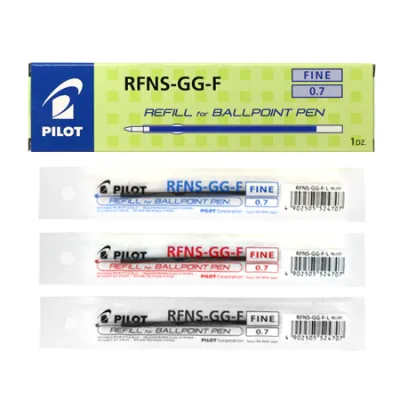
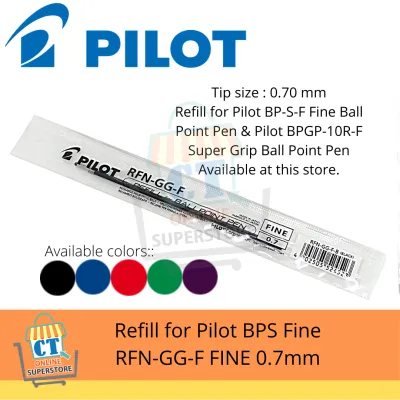
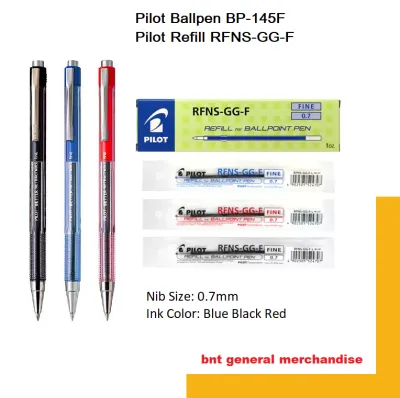
![Ballpen Refillable PILOT Brand BP145 BP145F BP-145F Retractable BP 145 BP-145 BP145F BP-145-F Refill RFNS-GG-F Retractable Fine Point Refillable 0.7mm Tip Black Blue Red Green [Future Industries]](https://img.lazcdn.com/g/p/b320c6175e192694055d8ff88a4a7cf7.jpg_400x400q80.jpg_.webp)
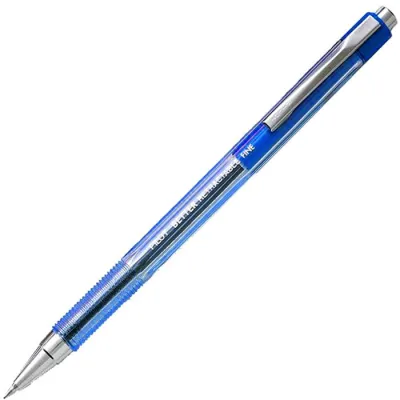
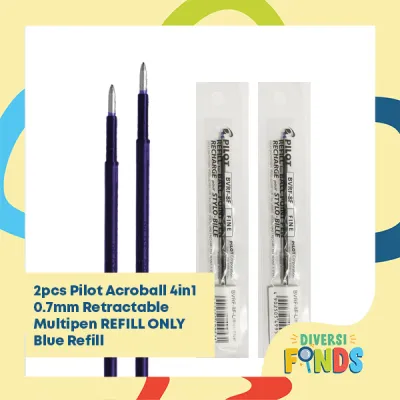
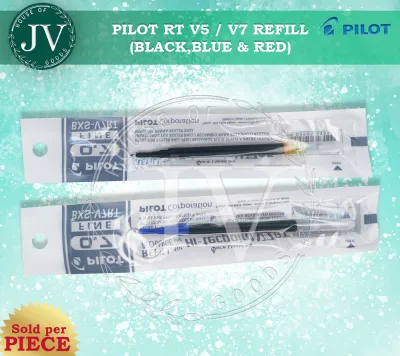
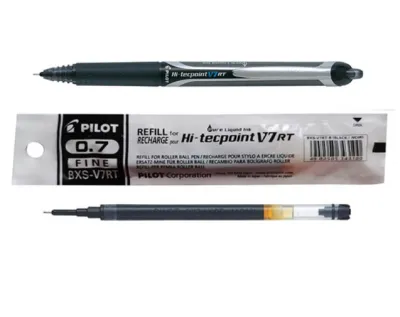
Prices are valid at publication and may change. Please refer to the product page for the latest price.
Always consult the compatibility charts printed on the back of retail packaging or available on official brand websites. Do not assume that all retractable pens from the same brand share identical internal dimensions, as different product lines are engineered with distinct mechanical tolerances. Taking a moment to measure or match the physical profile of your existing refill prevents the frustration of purchasing an unusable cartridge.
Match Ink Chemistry to Your Writing Surface
The performance of your pen depends heavily on how its ink chemistry interacts with your paper and the surrounding environment. In the Philippines, high relative humidity can slow down the drying time of certain inks, making it essential to match the ink type to your typical writing surfaces.

Gel ink, found in series like the G2 or Juice, is celebrated for its vibrant color output and smooth flow. Because gel ink is water-based, it flows generously, which is excellent for standard porous paper like notebook pages. However, this high flow rate means you should test the ink on your specific paper to check for feathering or bleed-through, especially on thinner school pad paper.
Oil-based ballpoint ink, such as the Acroball series, offers a highly stable alternative. This low-viscosity oil ink dries almost instantly upon contact with the page, making it highly resistant to smudging even in humid conditions. It is the ideal choice for writing on glossy paper, thermal receipts, multi-part carbonless forms, or rough surfaces where water-based gel inks would pool or smear.
Erasable ink, featured in the FriXion series, utilizes specialized thermo-sensitive pigments that become transparent when subjected to frictional heat. While convenient for planners and drafts, you must verify that your written pages are not exposed to extreme heat, such as being left inside a parked car under the tropical sun, which can cause the ink to fade. Conversely, if marks disappear due to heat, they may reappear if the paper is exposed to cold temperatures, so avoid using this ink for legal documents or permanent archives.
Select the Tip Size for Your Line Width Preference
The diameter of the metal ball at the tip of the refill determines both the width of the line on the page and the physical sensation of writing. Choosing the right tip size is a balance between your handwriting size, the spacing of your paper’s lines, and how much feedback you prefer from the page.
Fine and extra-fine tips, typically ranging from 0.38mm to 0.5mm, are highly suited for individuals with small, compact handwriting or those who need to write detailed notes in tight spaces, such as the margins of textbooks or compact daily planners. These smaller tips lay down less ink, which helps speed up drying times and reduces the likelihood of bleed-through on thin paper. However, they also provide more feedback or friction, which some writers describe as a slightly scratchy feel.
Medium and bold tips, spanning from 0.7mm to 1.0mm, deliver a much broader, wetter line that glides effortlessly across the page. This makes them excellent for quick meeting notes, signatures, and writing on coarser, textured paper where a fine tip might catch or skip. The trade-off is that bolder lines take longer to dry and require more space, which can cause small handwriting to look cramped or illegible.
To ensure you get the exact line width you want, always verify the precise millimeter marking printed on the refill packaging or the tube itself. Visual estimation of the tip can be highly inaccurate, and different ink types with the same nominal tip size can produce slightly different line widths on the page due to how the ink spreads.
Decision Framework: Matching Refills to Daily Use Cases
To simplify your selection, consider how your daily tasks align with different ink and tip combinations. If your primary activity involves journaling, creative writing, or color-coded note-taking in standard bound notebooks, a gel ink refill with a fine tip (such as 0.5mm) offers the ideal balance of rich color saturation and controlled line width.
For professionals and students who frequently handle diverse, non-porous surfaces, an oil-based ballpoint refill is the most reliable option. If you regularly sign thermal credit card receipts, fill out carbonless delivery forms, or write on glossy handouts during seminars, a 0.7mm ballpoint refill ensures your writing remains crisp, legible, and completely smudge-free.
If your workflow centers on planning, scheduling, or technical drafting where mistakes are common, an erasable ink refill is highly advantageous. This allows you to revise calendars, update project trackers, or correct math equations instantly without the messy residue of correction tape or liquid erasers.
Before you attempt to mix different ink types within a single pen body, verify the original design intent of the pen. While some retractable pen bodies are highly versatile, others feature internal spring tensions and clicker mechanisms optimized specifically for the viscosity of their original ink type. Installing a heavy gel refill into a body designed for light ballpoint ink can sometimes result in a sluggish click action or minor ink leakage around the tip.
Sourcing Refills and Verifying Authenticity
When purchasing replacement refills from physical stationery shops or online marketplaces, taking a few moments to verify authenticity can save you from poor performance and potential damage to your pen. Counterfeit refills often suffer from uneven ink flow, scratchy tips, and weak internal seals that can leak and ruin your pen’s retractable mechanism.
Always inspect the retail packaging closely before buying. Authentic refills typically feature clear, crisp printing, intact security seals, and clearly visible batch or manufacturing codes stamped onto the cardboard or plastic backing. If the text on the packaging appears blurry, misspelled, or lacks official branding details, it is highly likely to be an imitation.
Be cautious of bulk packs or individual refills priced significantly lower than the standard retail price in Philippine Pesos (₱). While discounts are common, prices that seem too good to be true often indicate counterfeit goods or old, expired stock that has been stored in sub-optimal conditions.
Additionally, check for any manufacturing or expiration dates printed on the box. Gel and erasable inks contain water and specialized chemical agents that can dry out or degrade over time, even while sealed inside the tube. Traditional oil-based ballpoint refills generally have a longer shelf life, but verifying the age of the stock ensures you receive a refill that performs smoothly from the very first stroke.
Frequently Asked Questions (FAQ)
Can I use a Pilot G2 refill in a Pilot Acroball pen?
Generally, you cannot directly swap a Pilot G2 gel refill into a Pilot Acroball ballpoint pen. These two series are engineered with different physical dimensions, including distinct tube diameters and spring stopper placements along the shaft.
The G2 refill has a wider body designed to accommodate fluid gel ink, whereas the Acroball refill is typically slimmer to fit the internal chamber of its specific retractable housing. Attempting to force a G2 refill into an Acroball body can jam the internal spring, damage the clicker mechanism, or cause the tip to get stuck in the open position.
To avoid compatibility issues, always check the specific refill code printed on your original refill rather than assuming all retractable models from the brand are interchangeable. If you want to switch ink types, it is usually safer to purchase a pen body specifically designed for that ink family.
How do I know if my Pilot refill has dried out?
You can easily check the condition of your refill by performing a few simple visual and physical inspections. First, look at the transparent plastic tube of the refill to see if the ink level is visibly depleted or if there are large air gaps and separation within the ink column.
Next, perform a test scribble on a piece of scrap paper. If the pen skips constantly, produces faint, scratchy lines, or fails to write entirely despite having visible ink in the tube, the ink near the tip has likely dried out or coagulated.
Keep in mind that gel and erasable inks have a shorter shelf life than traditional oil-based ballpoint inks due to their water content. If the refill has been stored in a hot or dry environment for an extended period, the moisture can evaporate through the plastic tube, rendering the ink unusable even if the pen has never been written with.
Community discussion
Share your experience or ask a question. Comments are reviewed before publication.