
Selecting the ideal writing instrument requires balancing line weight, ink behavior, and physical comfort. The pilot sign pen v10 is a prominent choice in the liquid ink rollerball category, recognized for its bold line delivery and fluid writing experience. Featuring a 1.0 mm tip and a specialized liquid ink regulator, this pen is engineered to provide highly visible, continuous lines with minimal pressure. Understanding how its specific technical features interact with different paper types and writing habits is essential for determining if it fits your daily routine.
Whether you are signing executive documents, grading academic papers, or sketching bold diagrams, the pen’s design directly influences your control and precision. In tropical environments like the Philippines, factors such as humidity and paper quality play a major role in how liquid ink behaves on the page. By breaking down the mechanics of the tip, the ink formulation, and the ergonomics of the barrel, you can make an informed choice that prevents common writing frustrations like smudging, bleeding, or hand fatigue.
Decoding the Pilot Sign Pen V10 Tip Size and Nib Design
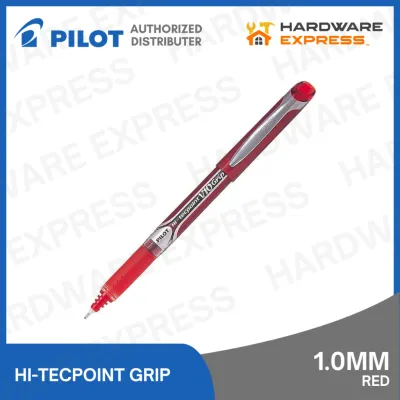
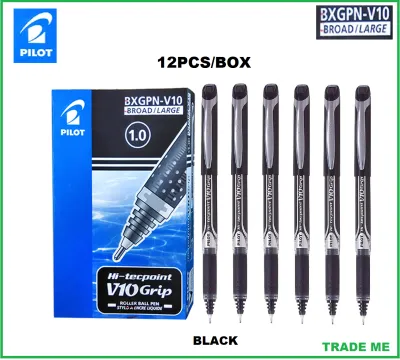
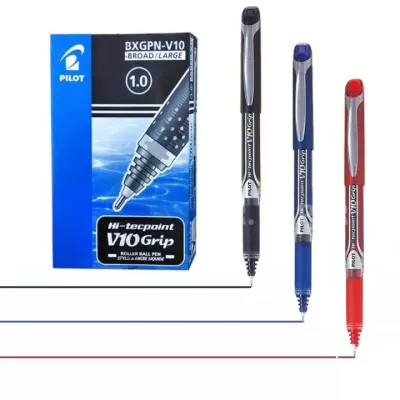
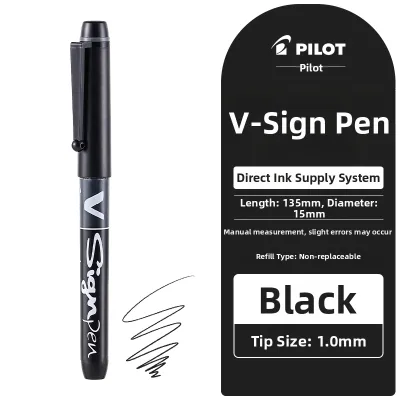
The defining characteristic of the pilot sign pen v10 is its 1.0 mm tip size, which is clearly marked on the pen’s cap and barrel. In the stationery world, a 1.0 mm diameter is classified as a medium-broad or bold tip. This size is specifically optimized for producing high-contrast, thick lines that demand attention. When you write, the rotating ball inside the metal collar transfers a generous volume of ink to the page, making it highly visible from a distance. This bold output makes the pen exceptionally suited for signing official documents, drafting large headings, or creating clear, legible annotations on presentation materials.
Products mentioned in this guide
Prices are valid at publication and may change. Please refer to the product page for the latest price.
However, this larger tip size carries specific trade-offs regarding paper compatibility and line precision. Because the 1.0 mm ball deposits more ink than finer 0.5 mm or 0.7 mm alternatives, the risk of ink bleeding through thin paper is significantly higher. If you frequently write on lightweight copy paper (such as standard 70 gsm sheets common in local offices), you may notice the ink soaking through to the reverse side of the page. To manage this, it is best to pair the pen with thicker, high-density paper, typically 80 gsm or higher, which can absorb the heavy ink volume without compromising the clean look of the sheet.
The physical structure of the nib also plays a key role in tactile feedback. The V10 utilizes a durable, wear-resistant cone-shaped tip that houses the rotating ball. Unlike delicate needle-point pens that can feel scratchy if held at an angle, this cone-shaped design offers a highly stable, smooth glide across various paper textures. To ensure the line quality meets your precision requirements, perform a simple trial: write a few test characters on your preferred notebook. Observe whether the ink pools at the ends of your strokes or if the line remains sharp and uniform, allowing you to adjust your writing speed and pressure accordingly.
Understanding Ink Type and Flow for Smudge-Free Writing
The performance of any rollerball pen is heavily dictated by its ink formulation. The V10 relies on a water-based liquid ink, a type known for its low viscosity and rapid flow. Unlike thick oil-based ballpoint inks or slow-flowing gel inks, liquid ink moves effortlessly through the feed mechanism, requiring virtually zero downward pressure from the writer. This results in an incredibly smooth, fluid sensation that reduces hand strain. However, because the ink is water-based, it remains wet on the surface of the paper slightly longer than hybrid or gel inks, making drying time a critical factor to consider.

To regulate this fluid delivery, the pen features a visible multi-ring ink controller near the grip section. This mechanism continuously balances capillary action and air pressure, ensuring a consistent flow rate from the first stroke to the very last drop without skipping. While this prevents the frustrating faint lines common in low-quality pens, the high flow rate can cause feathering on highly porous papers. Feathering occurs when the liquid ink spreads outward along the paper fibers, making the edges of your letters look fuzzy.
For practical daily use, this ink behavior introduces specific considerations for different writers. Left-handed writers, for example, should be cautious, as their writing hand may glide over freshly written text before the water-based ink has fully dried, resulting in smudges. Additionally, standard liquid inks are generally not waterproof; if your documents are exposed to water spills or high humidity, the ink can run. In the humid climate of the Philippines, paper naturally absorbs moisture from the air, which can slightly prolong ink drying times and increase feathering. To safeguard your work, store your notebooks in dry spaces and conduct a dry-time test on your specific paper to establish how many seconds you must wait before touching the ink.
Evaluating Barrel Design and Grip for Long-Term Comfort
Beyond the tip and ink, the physical construction of the pen determines how comfortable it remains during extended writing sessions. The V10 features a lightweight, durable plastic barrel that prevents the hand fatigue often caused by heavy metal pens. Its overall weight is distributed evenly along the length of the pen. When writing, you can choose to post the cap on the back of the barrel or leave it off. Posting the cap shifts the center of gravity slightly toward the rear, providing a more grounded feel that some writers prefer for deliberate, slow strokes like signatures. Leaving the cap off keeps the pen exceptionally light and nimble for quick note-taking.
The grip section is integrated smoothly into the plastic barrel, featuring a moderate diameter that accommodates most hand sizes comfortably. Because the grip is made of polished plastic rather than a soft rubber sleeve, it provides a firm, structured feel. However, in warm or humid environments where hands may sweat, a smooth plastic grip can become slippery. If you plan to write continuously for long periods, pay attention to your grip tension; holding the pen too tightly to prevent slipping can lead to hand cramps.
Protecting the liquid ink system is a secure snap-on cap mechanism. This cap plays a vital role in preventing the water-based ink from evaporating when the pen is idle. A tight seal is essential for maintaining the nib’s moisture; if the cap is left off, the ink in the feed can dry out quickly, leading to hard starts or permanent clogging. Always listen for the firm, audible click when capping the pen to ensure it is completely sealed and protected.
Is the Pilot Sign Pen V10 Right for Your Daily Tasks?
Deciding whether to add the V10 to your stationery collection depends on aligning its technical specifications with your primary writing tasks. This pen is an exceptional match for professionals, executives, and educators who require a reliable tool for bold signatures, document signing, and grading. The high-contrast 1.0 mm line ensures that signatures look authoritative and annotations are instantly readable. For these users, the smooth, effortless glide of the liquid ink outweighs the need for fine-line precision.
Conversely, the pen may be less practical for students or professionals who write small, dense notes in compact planners, pocket journals, or on thin, low-cost paper. The broad line width and high ink flow can cause small letters to merge, reducing overall legibility in tight spaces. For casual daily tasks, technical features like the advanced ink regulator require no active maintenance, meaning you can simply enjoy the consistent performance without over-analyzing the mechanics.
When purchasing the pen, prioritize authenticity and freshness to ensure the ink has not degraded. In the Philippines, buy from official brand stores, authorized stationery retailers, or highly rated sellers on reputable ecommerce platforms. Check the transparent ink window on the side of the barrel before purchasing; the ink level should be full, and there should be no signs of leakage inside the cap, which ensures you receive a fresh, high-performing writing instrument.
Frequently Asked Questions (FAQ)
Can I use the Pilot Sign Pen V10 on glossy or coated paper?
The water-based liquid ink used in this pen relies on absorbing directly into the porous fibers of paper to dry. On glossy, laminated, or heavily coated surfaces—such as glossy photo paper, certain slick planner sheets, or thermal receipts—the ink cannot penetrate the surface. This causes the ink to pool, bead up, or smear easily when touched. If you must write on coated mediums, it is highly recommended to perform a small test in an inconspicuous corner of the sheet first to verify if the ink can adhere and dry properly.
How should I store the pen to prevent the ink from drying out?
To maintain reliable ink flow and extend the lifespan of your pen, store it horizontally or tip-down in a cool, dry place away from direct sunlight. Storing the pen horizontally keeps the liquid ink evenly distributed within the feed system. Most importantly, always snap the cap on tightly immediately after every use until you hear a distinct click. This prevents air from drying out the water-based ink at the tip, ensuring the pen writes smoothly without skipping the next time you use it.
Community discussion
Share your experience or ask a question. Comments are reviewed before publication.