
Selecting the perfect pink beads for your jewelry-making or crafting project requires balancing aesthetics, durability, weight, and budget. Pink beads are widely available in four primary material categories: glass, acrylic, plastic, and natural gemstone. Each material offers distinct visual properties and physical behaviors that influence how your finished piece will look, feel, and wear over time.
In the tropical climate of the Philippines, environmental factors such as high humidity and daily exposure to sweat or sunscreen can also affect how these materials perform. Choosing the right material ensures your creations remain beautiful and structurally sound. By understanding the unique characteristics of each bead type, you can confidently match your materials to your specific design goals and wearability needs.
Quick Guide to Choosing Pink Bead Materials
When planning a jewelry project, identifying the right bead material early saves time and prevents structural issues later. The four main types of pink beads each serve a specific purpose based on their physical composition:
Products mentioned in this guide
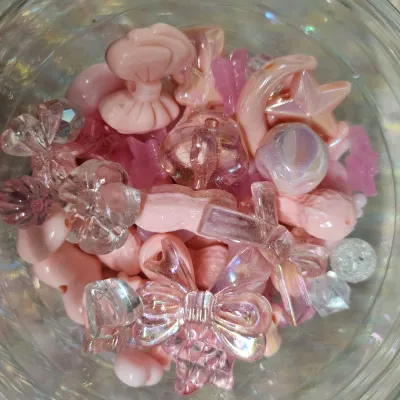
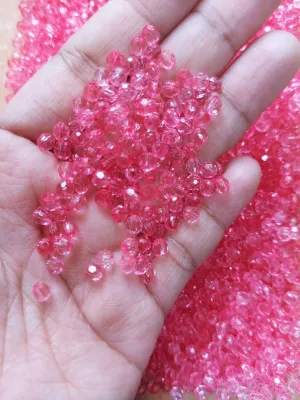
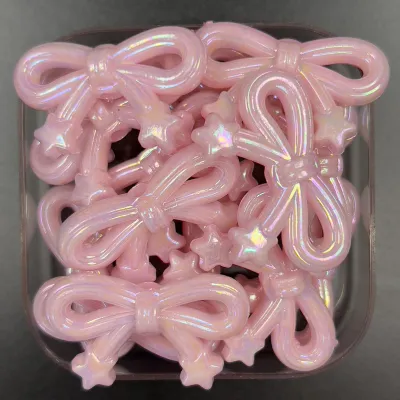
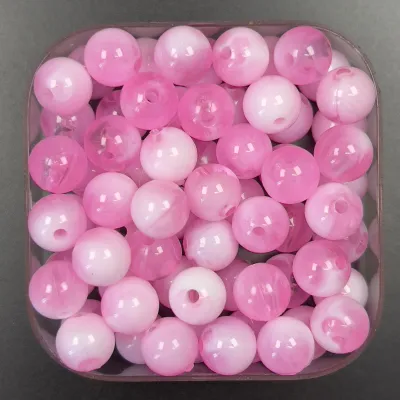
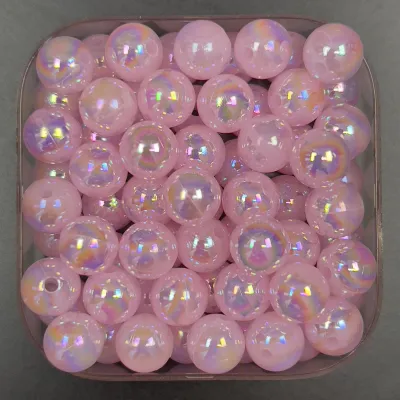
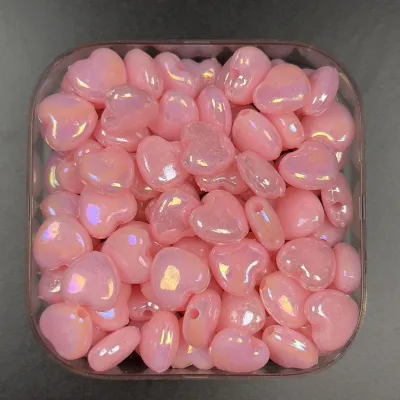
Prices are valid at publication and may change. Please refer to the product page for the latest price.
- Glass Beads: Known for their substantial weight and brilliant light refraction, glass beads offer a premium, cool-to-the-touch feel that elevates formal jewelry designs.
- Acrylic Beads: These provide exceptional, glass-like clarity while remaining incredibly lightweight, making them the industry standard for large, bold statement pieces.
- Plastic Beads: Highly budget-friendly and impact-resistant, these beads typically feature opaque or simple molded finishes, making them ideal for high-volume crafts and beginner practice.
- Gemstone Beads: Offering natural variations, organic inclusions, and unique color banding, gemstones provide an earthy, high-end appeal where no two beads are exactly alike.
To make your decision, evaluate the physical limits of your project. Consider the overall weight of the finished piece, your target budget (whether you are buying in bulk or sourcing individual artisan pieces), the required durability, and the specific aesthetic you want to achieve.
Glass Pink Beads: Weight, Shine, and Durability
Glass pink beads are highly valued for their superior optical clarity and the sophisticated weight they add to jewelry. Because glass can be molded, cut, or blown, these beads come in a vast array of finishes. Crystal glass beads feature precision-cut facets that catch and refract light, producing a brilliant sparkle. Pressed glass beads offer smoother, more uniform shapes, while lampwork glass beads can showcase intricate, swirling internal patterns of pink and white.

However, the density of glass introduces specific weight implications for your designs. A multi-strand necklace made entirely of glass beads will feel heavy around the neck, which can signify luxury but may put excess tension on your stringing wire. For earrings, heavy glass beads can pull uncomfortably on the earlobes. To maintain comfort, limit large glass beads to focal pendants or balance them with lighter accent materials.
In terms of durability, glass is highly scratch-resistant, meaning it will not easily scuff or lose its shine when rubbing against metal findings or other beads. The trade-off is its vulnerability to impact. Glass beads can chip or shatter if dropped on hard surfaces, such as tiled floors. When working with glass, always verify the hole alignment and use smooth bead-reaming tools if the inner edges are sharp, as rough glass holes can slowly slice through nylon thread or elastic cord.
These properties make glass pink beads the ideal choice for elegant evening wear, structured wire-wrapped designs, and premium gifts where a cool, substantial, and reflective quality is desired.
Acrylic Pink Beads: Lightweight Clarity and Versatility
Acrylic pink beads offer an excellent compromise between the high-clarity shine of glass and the lightweight resilience of synthetic materials. If you are designing large-scale jewelry, acrylic is often the most practical choice. It allows you to create chunky bracelets, multi-layered necklaces, and oversized statement earrings that remain comfortable to wear all day without causing physical strain.
Visually, high-quality acrylic can mimic the transparency and depth of glass. Because acrylic is easy to dye during manufacturing, it is available in highly saturated, consistent pink hues—ranging from soft pastel blush and dusty rose to vibrant neon pink. This consistency is highly beneficial when you need uniform color matching across multiple jewelry sets.
Despite these benefits, acrylic has distinct material limitations. It is significantly softer than glass, making its surface susceptible to fine scratches over time if stored loose in a jewelry box with metal components. Additionally, acrylic can cloud or lose its luster if exposed to harsh chemicals. In warm, tropical climates, frequent exposure to perfumes, hairsprays, rubbing alcohol, or insect repellents can degrade the acrylic surface. Advise wearers to apply these products and let them dry completely before putting on their acrylic jewelry.
Choose acrylic pink beads for bold fashion accessories, resort wear, lightweight layered designs, and any project where scale and comfort are your primary design drivers.
Plastic Pink Beads: Budget-Friendly and Kid-Craft Friendly
Standard molded plastic beads, such as polystyrene or polyethylene pony beads, occupy a highly practical niche in the crafting world. Their primary advantage is cost-effectiveness. You can purchase plastic beads in large bulk quantities for a fraction of the price of glass or gemstone, making them the perfect low-risk medium for high-volume production, school projects, and beginner practice.
Physically, plastic beads are lightweight and have a lower density than acrylic. They typically feature opaque, solid colors and are manufactured via injection molding, which can sometimes leave small, visible seam lines or mold spurs. While they lack the premium shine of glass or the crystal clarity of acrylic, they offer a cheerful, uniform appearance that works well in casual designs.
Plastic beads are highly resilient against impact; they will not shatter or chip when dropped, making them incredibly durable for everyday wear. However, they are sensitive to environmental extremes. Prolonged exposure to high heat can warp or melt plastic beads, and extended exposure to strong, direct UV sunlight can cause the pink pigments to fade or yellow, eventually making the plastic brittle.
These characteristics make plastic pink beads the absolute best choice for children’s crafting activities, colorful friendship bracelets, sensory play items, and practicing complex bead-weaving or looming techniques before moving on to pricier materials.
Gemstone Pink Beads: Natural Beauty and Unique Variations
For artisan jewelry makers, natural pink gemstone beads offer an unmatched organic beauty. Popular pink gemstones include rose quartz (known for its soft, translucent pink hue), pink opal (which offers a milky, opaque finish), and rhodonite (distinguished by its deep pink base contrasted with black manganese veins). Because these are natural geological formations, every single bead features unique internal inclusions, color banding, and structural variations.
When sourcing gemstone beads, verification is crucial. The market contains many dyed or color-enhanced stones sold under natural names. For example, dyed chalcedony or dyed quartz are often used to mimic rarer pink stones. To verify authenticity, inspect the beads closely under good lighting. Dyed stones often show concentrated lines of pink pigment where the dye has pooled inside natural cracks or around the drill holes. Always read supplier descriptions carefully to understand if the stones are natural, heat-treated, dyed, or completely synthetic.
Natural gemstones require specialized care due to their mineral structures and varying levels of porosity. Pink opal, for instance, is relatively soft and porous; it can easily absorb oils, sweat, and chemicals, which can permanently alter its color and ruin its finish. Avoid cleaning gemstone beads with harsh chemical solutions, ultrasonic jewelry cleaners, or steam. Instead, wipe them gently with a soft, damp cloth after wear.
Gemstone pink beads are best reserved for high-end artisan jewelry, custom wire-wrapped pendants, keepsake gifts, and designs where the wearer appreciates the unique, natural imperfections of genuine earth minerals.
How to Match Pink Bead Materials to Your Jewelry Project
To select the ideal pink bead material, you must weigh your aesthetic goals against the practical realities of wearability, assembly, and long-term maintenance. Use the decision matrix below to compare the four materials across key performance dimensions:
| Material | Average Weight | Scratch Resistance | Relative Cost | Best Project Type |
|---|---|---|---|---|
| Glass | Heavy | High | Medium (₱₱) | Delicate necklaces, drop earrings, formal wear |
| Acrylic | Light | Medium | Low to Medium (₱ – ₱₱) | Chunky statement necklaces, large hoop earrings |
| Plastic | Very Light | Low | Low (₱) | Kids' crafts, friendship bracelets, practice |
| Gemstone | Heavy | Variable (Medium to High) | High (₱₱₱) | Fine artisan jewelry, heirloom pieces, wire wraps |
Choosing by Wearability
Always match the weight of your beads to the structural design of your jewelry. For example, if you are making large, dangling hoop earrings, choosing heavy glass or dense gemstone beads can pull on the earlobes and cause discomfort. Opt for acrylic pink beads instead, which deliver a bold visual impact without the physical weight. Conversely, if you are designing a classic strand necklace that should drape elegantly against the collarbone, the natural weight of glass or gemstone will help the necklace sit beautifully without flipping or shifting.
Choosing by Budget and Scale
Your target market or the purpose of your project will dictate your material budget. If you are hosting a children’s party, assembling high-volume party favors, or running a beginner workshop, plastic beads allow you to purchase thousands of pieces economically. If you are building a professional artisan brand selling online or at local craft fairs, investing in genuine rose quartz gemstones or high-quality Czech glass beads justifies a higher retail price point (₱₱₱) and appeals to discerning buyers looking for durability and luxury.
Choosing by Maintenance
Consider the lifestyle of the end-user. If the finished jewelry is meant for daily, carefree wear—such as a beach bracelet or an everyday stretch ring—porous gemstones like pink opal or scratch-prone acrylic may degrade quickly under the influence of sweat, sunscreen, and sand. For high-wear daily accessories, durable glass seed beads or resilient, budget-friendly plastic beads are much easier to maintain and can be washed easily with mild soap and water.
Frequently Asked Questions (FAQ)
How can I tell if a pink gemstone bead is naturally colored or dyed?
To identify dyed pink gemstone beads, look closely at the drill holes and any natural surface cracks under a magnifying glass. Dyed stones typically exhibit color pooling, where the pink dye concentrates in these crevices, appearing much darker than the rest of the bead. You can also perform a spot test by gently wiping a cotton swab dipped in a small amount of acetone or rubbing alcohol over a hidden area of the bead; if pink pigment transfers to the cotton, the bead has been surface-dyed.
Do acrylic and plastic pink beads fade in sunlight?
Yes, both acrylic and plastic pink beads can fade when exposed to prolonged, direct sunlight. Ultraviolet (UV) rays break down the chemical bonds of the synthetic pigments used to color these beads, causing them to lose their vibrant pink hues, turn yellow, or become brittle over time. To extend the lifespan of your synthetic bead jewelry, store your finished pieces in a dark, dry drawer, jewelry pouch, or closed storage box when they are not being worn.
Which pink bead material is safest for children's jewelry making?
For children’s jewelry projects, molded plastic and high-grade acrylic are the safest material choices because they are lightweight and shatterproof. Unlike glass, they will not break into sharp, hazardous shards if dropped or stepped on. When planning crafts for young children, always select larger bead sizes (typically 8mm or larger) to eliminate choking hazards, verify that the beads have smooth, non-abrasive mold lines, and ensure adult supervision throughout the crafting process.
Community discussion
Share your experience or ask a question. Comments are reviewed before publication.