
Finding the perfect pink calendar is more than just selecting an appealing shade of blush, rose, or magenta. For a planning tool to remain useful throughout the year, it must seamlessly align with your daily workflow, writing preferences, and lifestyle. A well-chosen calendar helps organize chaotic schedules, tracks personal goals, and serves as an inspiring visual anchor on your desk.
In the Philippines, choosing stationery also requires considering environmental factors like high humidity, which can affect paper preservation and ink behavior. By understanding layout structures, sizing standards, paper specifications, and local availability, you can select a high-quality pink calendar that is both beautiful and highly functional for your daily planning needs.
What to Look for in a Daily Planning Calendar
Selecting a daily planner requires analyzing how you process tasks and manage time. The right tool should accommodate your natural writing style while offering enough structural support to keep you organized without feeling restrictive.
Products mentioned in this guide
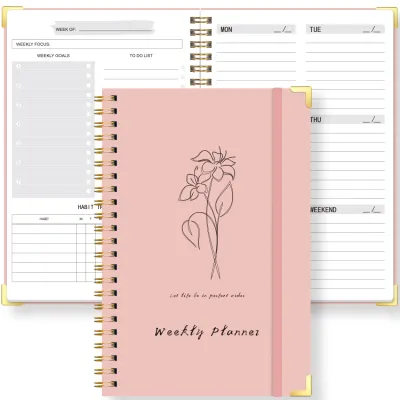
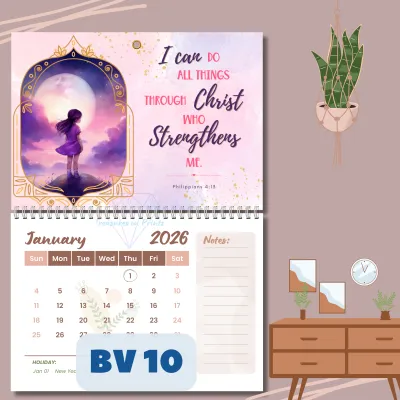
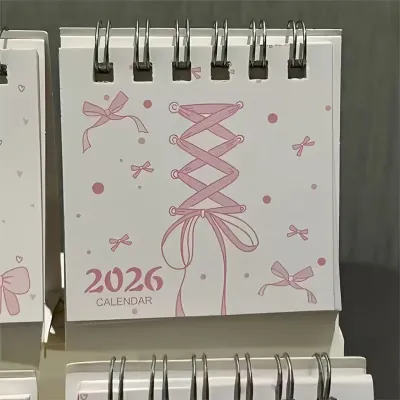
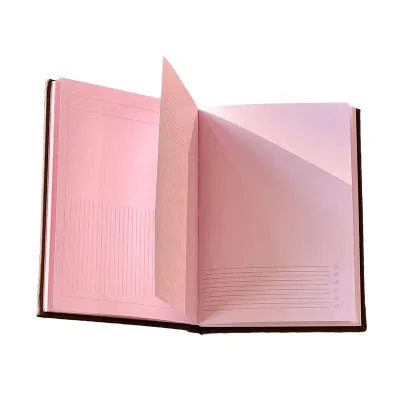
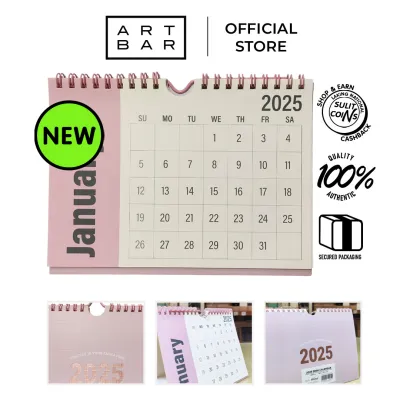

Prices are valid at publication and may change. Please refer to the product page for the latest price.
Daily vs. Weekly Layouts
The choice between a daily and a weekly layout depends entirely on your scheduling density and how much detail you need to record. Daily layouts allocate a full page—and sometimes two—to a single day. This format is ideal if you have a packed schedule requiring hourly or half-hourly time-blocking, detailed meeting notes, or daily journaling. If you are balancing complex university classes, freelance client meetings, or detailed corporate projects, the generous space of a daily layout ensures no detail is lost.
Conversely, weekly spreads distribute the entire week across a two-page layout. This format provides a broader overview, making it easier to spot upcoming deadlines, plan weekly goals, and track habits. Weekly layouts are highly efficient for task batching and general project management, though they offer limited space for extensive daily notes. If your planning style is more visual and relies on quick summaries rather than minute-by-minute tracking, a weekly format may prevent your pages from looking empty on quieter days.
Size Formats and Portability
Stationery standards typically follow international paper sizes, each balancing writing area with portability. Understanding these dimensions helps you choose a calendar that fits your daily routine:
- A5 (148 mm x 210 mm): This is the most popular size for comprehensive planning. It offers ample writing space for detailed scheduling, notes, and creative decoration while remaining small enough to fit comfortably inside most backpacks, tote bags, and briefcases.
- B6 (125 mm x 176 mm): A favorite in Japanese-style planning, B6 is slightly smaller than A5. It provides a highly efficient middle ground, offering enough room for structured lists without feeling bulky or heavy during daily commutes.
- A6 (105 mm x 148 mm): This pocket-friendly size is designed for maximum portability. It is excellent for rapid logging, quick appointment checks, and brief reminders, though it can feel cramped if you have large handwriting or complex daily schedules.
Binding Types and Lay-Flat Capability
The binding of your calendar directly impacts your physical writing comfort, particularly when writing near the inner margins of the pages. Spiral or double-wire binding allows the planner to lay completely flat on a desk and fold back on itself, which is a massive space-saver in tight workspaces or coffee shops. However, the metal or plastic coils can sometimes get in the way of your hand while writing.
Stitched or case-bound planners offer a classic, book-like aesthetic and high durability. High-quality stitched planners use Smyth-sewn binding, which allows the book to lay flat when opened without risking page loss over time. Disc-bound systems provide the ultimate customization, allowing you to easily remove, rearrange, or add pink planning sheets, trackers, and notes, though they require a specialized hole punch if you wish to add your own custom paper inserts.
Popular Pink Calendar Formats for Everyday Use
Different lifestyles require different organizational tools. To help you identify the best format for your routine, the table below compares the three primary types of pink calendars based on portability, writing space, and optimal usage:

| Format Type | Portability | Writing Space | Best Use Case |
|---|---|---|---|
| Desk & Wall Calendars | Low | High | Visual tracking, shared family schedules, monthly goal setting |
| A5 & B6 Planners | Medium to High | Medium to High | Detailed daily scheduling, journaling, academic and work tracking |
| Pocket & Mini Calendars | High | Low | On-the-go task lists, quick appointment checks, travel planning |
Desk and Wall Calendars for Visual Tracking
Desk blotters and wall calendars serve as excellent visual anchors for a dedicated workspace. A pink wall calendar hanging above your desk or a large pink desk pad keeps your monthly goals, deadlines, and key events constantly in sight. Because these formats feature large, open grids, they are perfect for quick-glance planning and tracking recurring commitments like bill payments, project milestones, or exam weeks.
These stationary calendars are particularly useful for shared households or collaborative office spaces, allowing multiple people to view and update a single schedule. Choosing a soft pastel or dusty pink design can soften the visual noise of a workspace, turning a utilitarian scheduling tool into a pleasant piece of functional room decor.
A5 and B6 Daily Planners for Detailed Scheduling
If your daily planning involves a mix of task lists, time-blocking, habit tracking, and personal reflection, a structured A5 or B6 planner is the industry standard. Many pink planners in this category feature high-quality leatherette, linen, or hardboard covers in shades ranging from soft blush to vibrant rose gold. Inside, they often combine monthly calendar overviews with dedicated daily pages.
These formats are highly favored by enthusiasts of bullet journaling and highly structured planning systems. The built-in features, such as ribbon bookmarks, elastic closure bands, and expandable back pockets, make them self-contained organization hubs. They provide the necessary physical space to map out your professional responsibilities alongside personal wellness goals and creative journaling.
Pocket and Mini Calendars for On-the-Go Planning
For those who commute regularly, travel frequently, or simply prefer to keep their bags as light as possible, pocket-sized pink calendars are incredibly practical. These mini planners easily slip into a small handbag, clutch, or jacket pocket, ensuring you always have your schedule on hand without relying on digital devices.
While writing space is limited, pocket calendars excel at rapid logging. They are designed for jotting down quick reminders, confirming appointment times during a meeting, or tracking daily habits with simple symbols. Using a compact pink planner ensures that your essential schedule remains accessible, private, and independent of battery life or internet connectivity.
How to Check Paper Quality and Pen Compatibility
For stationery lovers, the tactile experience of writing is just as important as the visual design of the calendar. To ensure your writing tools perform beautifully without ruining the reverse side of the page, you must evaluate the paper specifications carefully.
Understanding Paper Weight (GSM)
Paper thickness and density are measured in GSM (grams per square meter). The GSM rating is a reliable indicator of how well the paper will handle different types of ink:
- 70 to 80 GSM: This is the standard weight for basic office copy paper and budget planners. It is lightweight and works well with standard ballpoint pens, but it is highly susceptible to ghosting (where writing is visible on the other side) and bleeding (where ink physically leaks through the paper) when used with wetter inks.
- 100 to 120 GSM: This is the ideal range for daily planners. Paper in this bracket is thick enough to handle most gel pens, fineliners, and mild highlighters with minimal ghosting, providing a smooth and satisfying writing surface.
- 150+ GSM: Typically found in heavy-duty art journals or specialized planners, this thick paper can handle watercolor washes, heavy markers, and artistic stamping without buckling or bleeding.
Matching Paper with Pens
Different writing instruments interact uniquely with different paper finishes. Gel pens—which are highly popular in the Philippines for their vibrant colors and smooth flow—require paper that allows the water-based ink to dry relatively quickly. In highly humid tropical climates, ink drying times naturally increase, making paper absorbency a critical factor to prevent accidental smudging.
If you prefer using fountain pens or heavy liquid ink rollers, you must look for paper specifically designated as “fountain pen friendly.” This paper undergoes a specialized sizing process that prevents feathering (where ink spreads along the paper fibers, making lines look fuzzy) and bleed-through, ensuring crisp, clean lines regardless of how wet the pen writes.
Verifying Specifications Before Purchase
Rather than relying on vague marketing terms like “premium quality paper” or “luxurious feel,” look for concrete technical specifications in the product description. Check for explicit mentions of the GSM rating, acid-free properties (which prevent the paper from yellowing and deteriorating over time), and the specific paper source.
If you are purchasing online and cannot physically touch the pages, pay close attention to user reviews. Look for customer-uploaded images that specifically show “pen test” pages, where reviewers write with various pens on the back pages of the planner to demonstrate real-world ghosting and bleeding resistance.
Where to Buy and Verify Planners in the Philippines
Finding a high-quality pink calendar in the Philippines involves navigating both digital marketplaces and physical retail stores. Each shopping method offers distinct advantages for verifying product quality before you make a purchase.
Online Shopping Platforms and Official Stores
Major online marketplaces and e-commerce platforms offer a vast selection of pink calendars, from international stationery brands to local independent designs. When shopping online, always prioritize official flagship stores or authorized distributors to ensure you are purchasing genuine products with accurate paper specifications.
Take full advantage of the community review sections. Filter reviews to show those with photos and videos, looking specifically for close-up shots of the cover material and the internal page layouts. This helps verify if the actual shade of pink matches the promotional photos, as digital screens can often distort pastel and metallic hues.
Brick-and-Mortar Stationery Shops
Visiting physical bookstores, specialty stationery boutiques, and lifestyle department stores in major commercial centers across the Philippines remains the most reliable way to evaluate a planner. Handling the calendar in person allows you to conduct several quick quality checks:
- Feel the paper texture: Run your fingers over the pages to check for smoothness and density.
- Test the binding: Open the planner to various sections to confirm if it genuinely lays flat without requiring constant pressure to stay open.
- Inspect the cover: Check the durability of the pink cover material, ensuring there are no frayed edges, misaligned stitching, or easily scratched surfaces.
- Evaluate the color: View the pink shade under natural light to ensure it matches your personal aesthetic preferences.
Pre-Purchase Verification
Before finalizing your purchase, confirm the logistics and packaging details. Because paper products are highly sensitive to moisture, verify that the seller packages the calendar securely with water-resistant wrapping, especially if ordering during the wet season in the Philippines to prevent water damage during transit.
Additionally, check if the calendar is sold as part of a bundle. Many brands offer matching pink accessories, such as adhesive pen loops, protective clear covers, planning stickers, or matching sticky notes, which can provide excellent added value and create a cohesive, beautiful planning system.
Frequently Asked Questions (FAQ)
Are undated pink planners a better choice for daily use?
Undated pink planners offer unparalleled flexibility, making them an excellent choice if your planning habits fluctuate. With an undated format, you write in the dates yourself, allowing you to start planning at any point in the year without wasting pages if you skip a few days or weeks. This is highly cost-effective and stress-free for irregular planners. However, pre-dated calendars provide immediate structure, chronological accountability, and save you the time of manually writing in dates, which many users find essential for maintaining a consistent daily planning habit.
How can I prevent my pink planner cover from getting dirty?
Because light pink and pastel planner covers are highly susceptible to showing dirt, oil, and ink stains, protecting them requires proactive care. Slipping your planner into a clear, removable PVC cover is the most effective way to shield it from spills, dust, and daily wear without hiding its beautiful pink design. For synthetic leather (PU) or vinyl covers, you can gently wipe away surface dirt using a clean, dry microfiber cloth. Avoid using harsh chemical solvents, alcohol wipes, or excessive water, as these can strip the cover’s pink pigment, damage the protective coating, or warp the underlying cardboard structure.
Community discussion
Share your experience or ask a question. Comments are reviewed before publication.