
Choosing the right documents organizer storage box is a practical decision that directly affects how well your important papers, certificates, tax records, and family archives survive over time. With various options available on the market, the choice usually comes down to three primary materials: plastic, cardboard, and fabric. Each material offers distinct advantages and trade-offs depending on where you plan to store your boxes, how often you need to access your files, and the environmental conditions of your space.
For most users, there is no single best material, but rather a best fit for specific circumstances. If your primary concern is absolute protection against moisture, water spills, and heavy stacking, plastic is the most reliable option. If you are working with a strict budget, organizing temporary files, or planning a short-term move, cardboard provides an incredibly cost-effective and recyclable solution. For those who want to keep active files within arm’s reach in a living room, bedroom, or stylish home office, fabric boxes offer a beautiful, decorative look that blends seamlessly with modern home interiors. Understanding these material characteristics will help you make an informed choice that keeps your documents safe and organized.
Durability and Load Capacity: How Long Will They Last?
Paper is deceptively heavy, especially when packed tightly into a documents organizer storage box. A single standard ream of A4 paper weighs approximately 2.5 kilograms, and a fully packed storage box can easily hold several reams alongside heavy ring binders, folders, and metal paperclips. Understanding how each material responds to this cumulative weight over months or years is essential to preventing structural failures and protecting your documents from physical damage.
Products mentioned in this guide
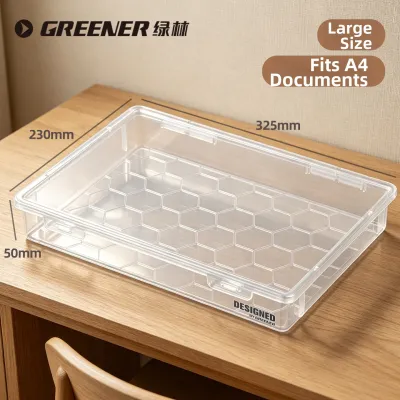
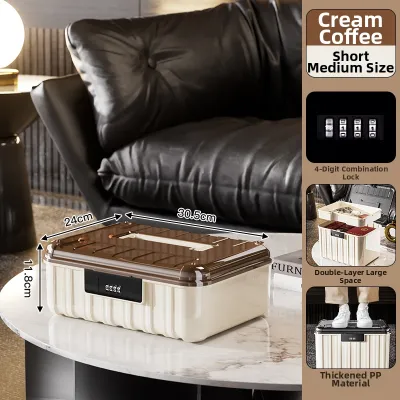
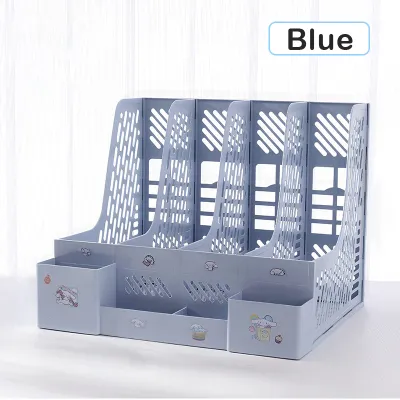
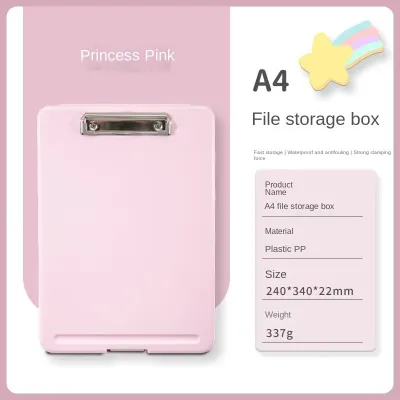
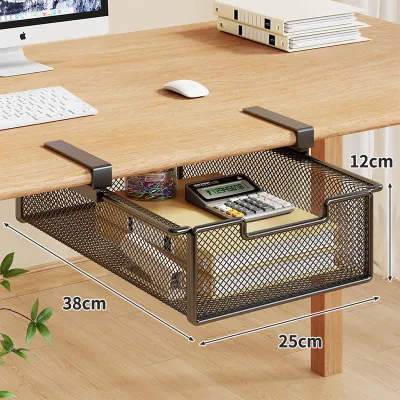
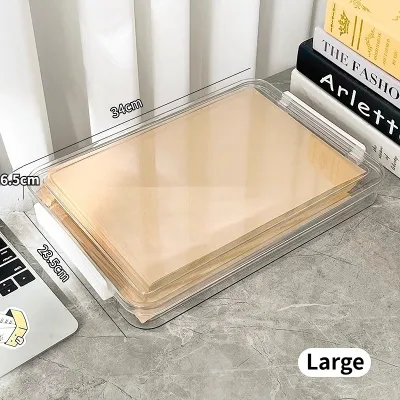
Prices are valid at publication and may change. Please refer to the product page for the latest price.
Rigid plastic storage boxes, particularly those molded from high-density polypropylene (PP), offer the highest load capacity and structural integrity. These boxes are engineered to maintain their shape even under intense vertical pressure, making them the premier choice for vertical stacking. The rigid walls do not bow outward when filled to capacity, and the reinforced lids distribute weight evenly. This structural strength ensures that a stack of three or four plastic boxes will not collapse or crush the contents of the bottom box, making them ideal for long-term archiving in closets, utility rooms, or storage units.
Cardboard document boxes, while surprisingly resilient when new, are highly susceptible to structural degradation over time. Standard single-wall cardboard boxes can easily sag, warp, or suffer from bottom blowouts if they are overloaded or moved frequently. The corners are particularly vulnerable to crushing under vertical loads, which severely limits their stackability. When selecting cardboard, it is crucial to verify the manufacturer’s specifications regarding ply thickness and weight limits; double-walled or heavy-duty corrugated cardboard boxes designed specifically for archival filing are much more reliable than standard shipping boxes.
Fabric document storage boxes occupy a middle ground, relying on internal support panels to maintain their shape. These internal panels are typically made of thick cardboard, chipboard, or thin plastic sheets sewn inside the fabric lining. While fabric boxes look sturdy and structured, their vertical load capacity is generally lower than that of rigid plastic. Over time, heavy stacking or carrying heavy loads can cause the internal support panels to warp, buckle, or bend permanently. Additionally, frequent sliding on rough shelves can lead to fabric fraying, while overloaded handles may tear away from the fabric body if not reinforced with metal rivets or heavy-duty cross-stitching.
To ensure your storage system remains safe, keep an eye out for observable signs of wear that indicate it is time to replace your storage box:
- Plastic boxes: Look for stress whitening (where the plastic turns cloudy or white under pressure), hairline cracks along the corners, or lids that no longer snap securely into place.
- Cardboard boxes: Watch for bowing side walls, soft or creased corners, tears around the handle cutouts, and a sagging bottom panel.
- Fabric boxes: Inspect the corners for warping, check if the box is leaning to one side, and look for loose threads or tearing around the handles.
Moisture and Pest Protection in Humid Climates
In tropical environments characterized by high relative humidity and seasonal heavy rains, document preservation requires careful planning. High moisture levels in the air can quickly ruin paper, causing pages to stick together, ink to bleed, and mold to grow. Furthermore, humid environments attract destructive pests that feed on paper products, making material selection a critical line of defense for your documents organizer storage box.

Plastic storage boxes provide exceptional water resistance and shield your documents from ambient humidity, accidental spills, overhead leaks, and dust. A high-quality plastic box with a tight-fitting or latching lid creates a highly protective barrier against external moisture. However, this protective barrier can also work against you if you are not careful. Completely airtight plastic containers can trap internal moisture if documents are packed during a humid day or if the papers themselves are slightly damp. To prevent this trapped moisture from causing mildew, always ensure your documents are completely dry before packing them, and consider placing a few silica gel packets inside the box to absorb residual air moisture.
Cardboard is highly vulnerable to moisture absorption because of its porous nature. In humid conditions, cardboard boxes act like sponges, absorbing water vapor from the surrounding air. This moisture absorption not only softens the cardboard and destroys its structural strength, but it also creates the perfect damp environment for mold and mildew growth. Furthermore, damp cardboard and paper release cellulose scents that attract common household pests, including silverfish, booklice, cockroaches, and termites (anay). These pests feed on the starch-based glues used to assemble cardboard boxes and can quickly destroy irreplaceable documents. If you must use cardboard, it is critical to keep the boxes in a strictly climate-controlled room with active air circulation, and never store them directly on concrete floors where moisture can seep upward.
Fabric document boxes offer excellent breathability, which prevents condensation and allows air to circulate around your files. However, this breathability means they offer very little protection against high ambient humidity or liquid spills. If a fabric box is placed in a damp room, the fabric fibers can absorb moisture, leading to a musty odor and potential mold growth on both the box and the documents inside. The level of pest resistance for fabric boxes varies depending on the weave density and whether the box features a protective inner lining, such as polyester or nylon. Loose woven natural fibers like linen or cotton are more susceptible to dust mites and insect nesting compared to tightly woven synthetic fabrics.
Cost, Portability, and Aesthetic Appeal
When choosing a documents organizer storage box, practical factors like budget, ease of transport, and how the box fits into your living or working space play a major role in your daily satisfaction. Balancing these three elements ensures that your storage solution is not only functional but also financially sensible and visually pleasing.
From a financial perspective, document storage boxes generally fall into three distinct cost tiers:
- Cardboard (Budget): This is the most economical option. Cardboard boxes are highly affordable and easy to purchase in bulk, making them the standard choice for offices needing to archive large volumes of files on a budget. However, because they wear out faster, they may require more frequent replacement.
- Plastic (Moderate to High): Plastic represents a mid-to-high investment. While the upfront cost is higher than cardboard, the exceptional lifespan and durability of plastic boxes make them highly cost-effective over several years.
- Fabric (Premium): Fabric boxes sit at the premium end of the market. Their pricing is driven by aesthetic design, fabric quality, and decorative hardware. They are typically purchased in smaller quantities for visible storage areas.
Portability is another key consideration, especially if you need to carry your documents between rooms, take them to client meetings, or move them between home and office. Lightweight cardboard and fabric boxes are incredibly easy to lift and carry when empty. Many fabric boxes feature comfortable, reinforced fabric handles or integrated metal grommets that make them easy to pull off high shelves or carry around. Plastic boxes, while highly durable, can be heavy and bulky even when empty. Their rigid plastic handles can also dig into your hands when carrying heavy loads over long distances, though some models feature molded comfort grips to alleviate this issue.
Visual integration is where fabric storage boxes truly shine. Designed to look like high-quality home decor, fabric boxes feature soft textures and neutral colors that blend beautifully with bookshelves, open console tables, and living room furniture. They allow you to keep your active files close at hand without making your home look like a clinical corporate office. Plastic boxes, by contrast, often have a highly utilitarian, industrial, or translucent appearance that can look cluttered or out of place in a beautifully decorated room. Cardboard boxes carry a distinct warehouse or archive-room aesthetic that is best kept hidden away in closets, attics, or dedicated storage rooms.
Quick Comparison: Plastic vs. Cardboard vs. Fabric
To help you quickly evaluate your options, the table below summarizes how plastic, cardboard, and fabric document storage boxes compare across the key decision dimensions discussed above.
| Material | Moisture Resistance | Durability & Lifespan | Weight Capacity | Average Cost Tier | Best Use Case |
|---|---|---|---|---|---|
| Plastic | Excellent (Waterproof) | Very High (Years of use) | High (Excellent for stacking) | Moderate to High | Long-term archiving, damp areas, heavy file loads |
| Cardboard | Low (Absorbs moisture) | Low to Moderate (Temporary) | Low to Moderate (Avoid stacking) | Budget-Friendly | Temporary filing, moving, dry storage, strict budgets |
| Fabric | Moderate (Breathable) | Moderate (Prone to wear) | Moderate (Limited stacking) | Premium | Active home office files, open shelving, decorative spaces |
Using this table, you can easily identify which material aligns with your primary storage goals. For example, if moisture resistance is your absolute priority, plastic is the clear winner, whereas fabric is unmatched for decorative integration.
Final Verdict: How to Choose the Right Box for Your Documents
Selecting the ideal documents organizer storage box requires matching the material’s strengths to your specific environment and organizational habits. To finalize your decision, consider which of the following scenarios best describes your current needs.
Choose Plastic if:
- You are archiving highly important records, tax documents, or business files for several years.
- Your storage area is located in a basement, garage, attic, or a highly humid room without consistent air conditioning.
- You need to stack multiple boxes on top of each other to maximize vertical storage space.
- You want a low-maintenance box that can be easily wiped clean with a damp cloth if it accumulates dust.
Choose Cardboard if:
- You need to organize a large volume of files on a strict budget and have a dry, climate-controlled storage space.
- You are preparing for a residential or office move and need temporary, lightweight boxes to transport files.
- You are organizing documents that will only be kept for a short period before being shredded or recycled.
- You prioritize eco-friendly, fully recyclable materials that have a minimal environmental impact.
Choose Fabric if:
- You want to store active, frequently accessed documents in a visible area of your home, such as a living room shelf or desk.
- You need a lightweight, highly portable box with comfortable handles for carrying files between workspaces.
- Your storage environment is consistently climate-controlled, dry, and free from pest risks.
- You want your storage system to double as a stylish home decor accent that matches your furniture.
Verify first if:
Before purchasing any retail storage box, evaluate the sensitivity of the items you plan to store. If you are preserving highly sensitive, irreplaceable historical documents, family heirlooms, or vintage photographs, standard retail plastic, cardboard, or fabric boxes may not provide adequate protection. These sensitive media require specialized, acid-free, and lignin-free archival-grade materials. Standard cardboard contains acids that will yellow and degrade paper over time, while certain plastics can off-gas harmful chemicals. Always check the manufacturer’s specifications to ensure your chosen box is certified archival-safe if you are storing irreplaceable historical items.
Frequently Asked Questions (FAQ)
Can I use standard cardboard boxes for long-term document storage?
Standard cardboard boxes are generally not recommended for long-term archival document storage. Over time, the natural acids present in standard cardboard will transfer to your documents, causing the paper to yellow, become brittle, and deteriorate. Additionally, standard cardboard readily absorbs moisture from the air, which weakens the box structure and creates an inviting environment for mold and paper-eating pests like silverfish and termites. If you must use cardboard for long-term storage, ensure the room is strictly climate-controlled, elevate the boxes off concrete floors on shelving units, and use acid-free folders to protect your documents from direct contact with the cardboard.
How do I prevent mold on fabric document storage boxes?
To prevent mold growth on fabric document storage boxes, always store them in well-ventilated, dry, and climate-controlled rooms. Avoid placing fabric boxes directly against exterior walls, where temperature fluctuations can cause hidden condensation to form. Before storing any papers, ensure they are completely dry, as damp documents will quickly trigger mold growth inside the breathable fabric. Check the manufacturer’s care label to see if the fabric cover is removable and washable, or if it can be treated with a fabric-safe antimicrobial spray. Regularly vacuuming the exterior of the box also helps remove dust, which can act as a food source for mold spores.
Are standard plastic storage boxes safe for archival photographs?
Not all standard plastic storage boxes are safe for storing archival photographs. Many common household plastic containers are made from materials that off-gas volatile organic compounds, which can chemically react with photographic emulsions, causing fading, yellowing, or sticking. To protect your photographs, avoid boxes made from polyvinyl chloride (PVC) or unmarked, low-grade plastics. Instead, look for storage boxes specifically labeled as archival-safe, acid-free, or made from chemically stable polymers such as polypropylene (PP) or polyethylene (PE). For maximum safety, place photographs in individual acid-free sleeves before storing them inside the plastic box.
Community discussion
Share your experience or ask a question. Comments are reviewed before publication.