
Quick Answer: Is the Play-Doh Ice Cream Set Safe for Toddlers?
When considering a playdoh ice cream set for a young child, parents often wonder if the colorful compound and engaging tools are truly appropriate for early developmental stages. While the classic modeling compound itself is formulated to be non-toxic, the complete toy set is generally not recommended for toddlers under three years old.
The primary physical risk comes from the plastic ice cream accessories—such as miniature spoons, cones, cups, and extruder components—which are legally classified as small parts and present a significant choking hazard.
Toddler safety is not a single-category decision, as it depends heavily on your child’s specific age, their tendency to mouth objects, and whether they have underlying food allergies.
Products mentioned in this guide
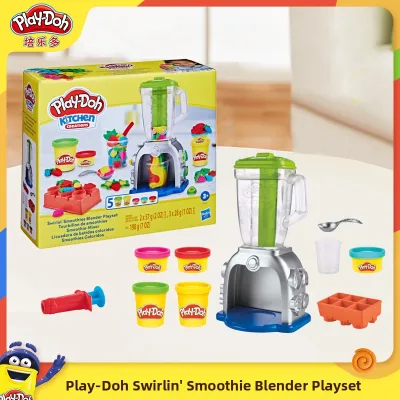
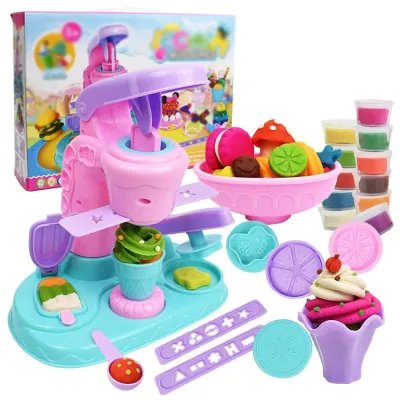
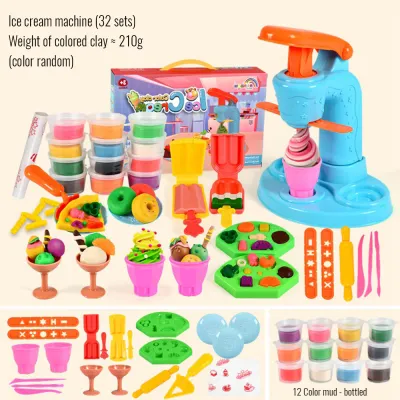
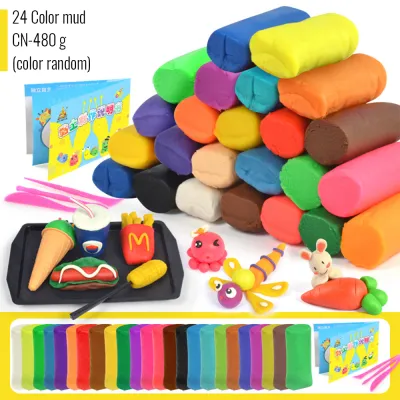
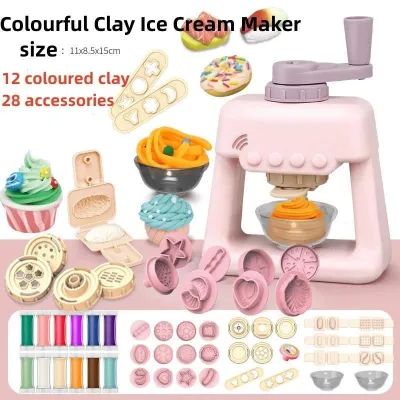
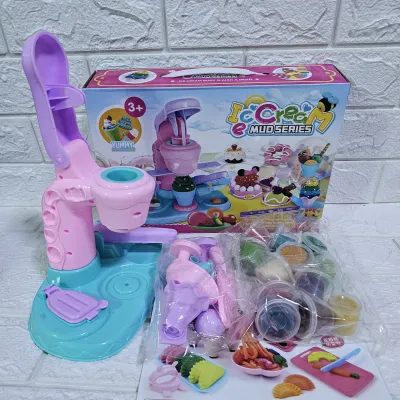
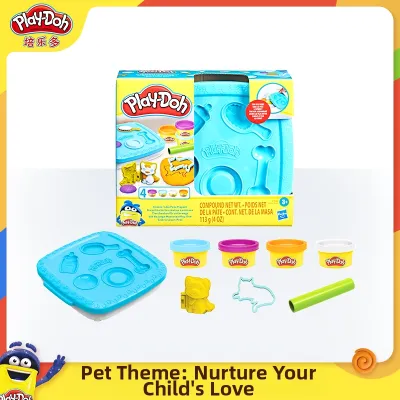
Prices are valid at publication and may change. Please refer to the product page for the latest price.
Before purchasing or allowing play, parents should always check the manufacturer’s official age rating on the packaging, which typically designates these sets for children aged three and older.
Modeling Compound Safety: Non-Toxic but Not Allergen-Free
Commercial modeling compounds, including the classic dough found in these sets, are manufactured to meet strict non-toxic safety standards. This means that if a child accidentally swallows a tiny crumb, it is highly unlikely to cause chemical poisoning. However, “non-toxic” does not mean the product is a food item, nor does it mean it is entirely hypoallergenic.

The primary ingredient in traditional modeling dough is wheat flour. For children diagnosed with celiac disease, wheat allergies, or severe gluten sensitivities, this presents a real health risk. Allergic reactions can occur through accidental ingestion or even prolonged skin contact during play. If your child has a known wheat sensitivity, handling this dough can lead to skin irritation, hives, or systemic symptoms.
Another critical factor is the high salt content. Manufacturers add a large amount of salt to preserve the dough and to create an extremely bitter taste that naturally discourages children from eating it. While the taste usually prevents ingestion, consuming a large quantity of this salty compound can be dangerous. High sodium intake is particularly hazardous for toddlers’ developing kidneys and can lead to serious health complications.
This salt concentration also makes the dough highly toxic to household pets, such as dogs and cats, who may be attracted to the scent but cannot tolerate high levels of sodium.
Before purchasing, parents should carefully inspect the product packaging for allergen warnings and consult their pediatrician if they have any concerns regarding their child’s allergy profile.
In the warm, humid climate of the Philippines, moisture can accumulate inside opened containers. Always check the dough for unusual odors, discoloration, or visible mold before handing it to your child, as mold spores can trigger respiratory or skin allergies.
Small Parts and Choking Hazards in the Ice Cream Accessories
While the dough itself requires caution, the plastic accessories in an ice cream play set present the most immediate physical danger to younger toddlers. These sets typically include plastic cones, sundae dishes, small spoons, extruder plungers, and small decorative half-molds. To a child under three, these items look like real food and are sized perfectly to fit inside a small mouth.
Toddlers explore their environment through sensory play, which frequently involves mouthing objects. A small plastic cherry, a miniature spoon, or a broken piece of a plastic cone can easily block a young child’s narrow airway.
It is vital to understand that manufacturer age recommendations, such as the common “Ages 3+” label, are safety standards based on physical testing of small parts, not just cognitive milestones. These tests use a standardized cylinder that mimics the size of a child’s throat; any toy component that fits entirely inside this cylinder is legally classified as a choking hazard for children under three.
Before letting your child play, conduct a physical integrity check on all plastic pieces. Look for stress marks, thin plastic joints, or sharp edges that could break under pressure.
In tropical environments, prolonged exposure to heat and sunlight—such as leaving toys near a sunny window or on a hot veranda—can cause plastic to become brittle and snap easily during play, creating sharp shards.
Sibling dynamics also play a major role in household safety. If older children in the home play with these sets, small accessories can easily get lost under furniture, cushions, or play mats. A crawling baby or younger toddler can easily find these dropped items later, making diligent clean-up routines essential for multi-child households.
Supervision and Safe Play Setup for Younger Children
If you choose to introduce a modeling dough set to a child who is near the age threshold, active adult supervision is absolutely non-negotiable. Active supervision means you are sitting within arm’s reach, watching the child’s hands and mouth continuously, rather than multitasking or looking at a screen nearby.
Creating a dedicated, controlled play environment is one of the best ways to minimize safety risks. Set up the play session on a hard, elevated surface like a dining table, a high chair tray, or a dedicated plastic play table.
Avoid playing on woven rugs, carpets, or textured mats. In many Filipino homes with tiled or smooth concrete floors, playing on a clean, light-colored plastic mat makes it incredibly easy to spot dropped dough crumbs or small plastic pieces instantly.
Establish clear, simple play boundaries from the very beginning. Use consistent phrasing like “the dough stays on the table” and “we play with our hands, not our mouths” to teach basic safety rules.
If the child repeatedly attempts to put the dough or plastic accessories in their mouth, calmly pack the toy away and try again in a few weeks or months when their mouthing behavior decreases.
Keep household pets in a separate room during play. Dogs are often drawn to the salty smell of modeling dough and can easily snatch dropped pieces from the floor, risking severe salt poisoning.
Always practice good hygiene by washing your child’s hands thoroughly with soap and water before and after play. This removes any salty residue, prevents the transfer of potential allergens to their mouth, and keeps the modeling compound clean for future use.
Emergency Steps for Ingestion, Allergies, or Choking
Despite careful preparation, accidents can happen quickly, and knowing how to respond calmly and effectively is crucial.
If your child swallows a very small amount of modeling dough and shows no immediate discomfort, offer them a few sips of water to dilute the salt and monitor them closely for any signs of mild stomach upset.
In cases where a child consumes a large quantity of dough, or if they show any signs of an allergic reaction—such as redness, swelling, hives, or difficulty breathing—seek medical attention immediately. For families in the Philippines, you should contact your local pediatrician, visit the nearest emergency room, or reach out to a national poison control center for professional medical guidance.
If a child begins to choke on a small plastic accessory, look for immediate signs of airway obstruction, such as an inability to cry, cough, or breathe, or skin turning blue. Immediately administer age-appropriate first aid, such as back blows and chest thrusts for infants under one year, or the Heimlich maneuver for older children, and call emergency services right away.
Please note that the safety information provided here is for general educational purposes only and should never replace professional medical advice or emergency training.
Frequently Asked Questions (FAQ)
Is there a gluten-free alternative to commercial modeling clay?
Yes, several brands offer certified gluten-free modeling compounds specifically designed for children with wheat allergies or celiac disease. Alternatively, you can easily make a safe, gluten-free dough at home using rice flour, cornstarch, water, salt, vegetable oil, and cream of tartar. Keep in mind that while homemade dough eliminates the gluten risk, it must still be stored in an airtight container to prevent mold, and children must be supervised to prevent choking if small plastic accessories are used during play.
How can I remove dried dough from the plastic ice cream molds?
To clean dried modeling compound from plastic molds and extruders, first check the manufacturer’s cleaning instructions. A safe, low-risk method is to soak the plastic accessories in warm, soapy water for a few minutes to soften the hardened dough. Once softened, use a soft-bristled toothbrush or a damp sponge to gently brush the residue out of the small crevices. Avoid using sharp metal objects, toothpicks, or boiling water, as these can scratch or warp the plastic, creating tiny crevices where bacteria can grow.
Community discussion
Share your experience or ask a question. Comments are reviewed before publication.