
Selecting the right playdough involves matching the material’s physical properties with your child’s developmental stage. The ideal modeling compound supports sensory exploration, builds hand strength, and encourages creative expression without introducing safety hazards. By understanding how different textures, ingredients, and accessories align with specific age groups, you can provide an engaging and secure play experience.
When choosing a modeling compound, parents and educators must balance safety, usability, and durability. Younger children require soft, highly pliable materials that respond to gentle pressure, while older kids benefit from firmer doughs that hold fine details. This guide breaks down the essential selection criteria to help you make an informed decision for your home or classroom.
Understanding Playdough Types and Textures
Modeling compounds come in various formulations, each offering distinct tactile feedback and structural capabilities. For young children, the primary consideration is pliability. Ultra-soft doughs require minimal hand strength, allowing tiny fingers to squeeze, flatten, and roll the material without frustration. This low-resistance texture is perfect for early sensory play, where the goal is exploration rather than creating defined shapes.
Products mentioned in this guide
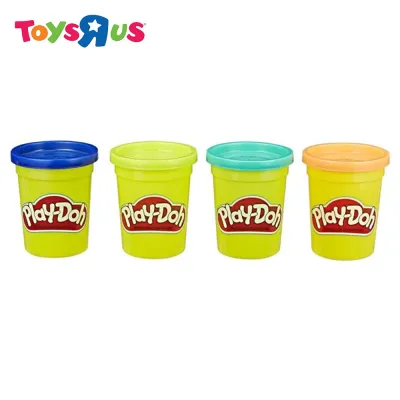
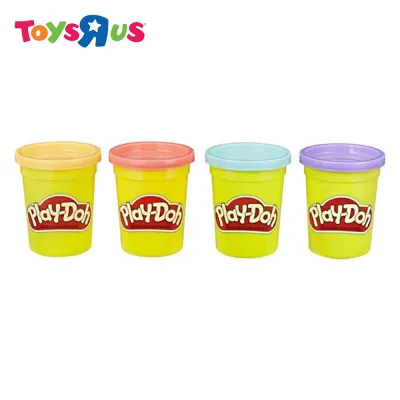
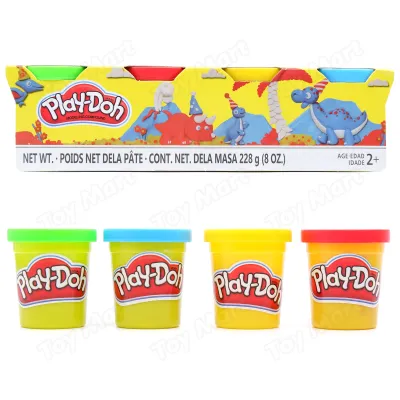
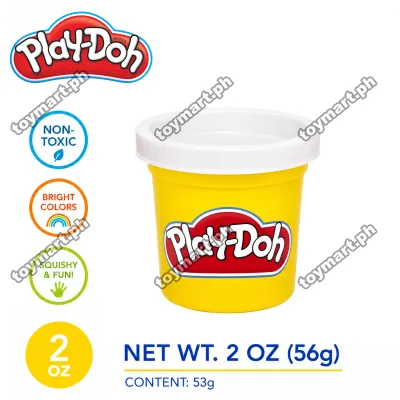
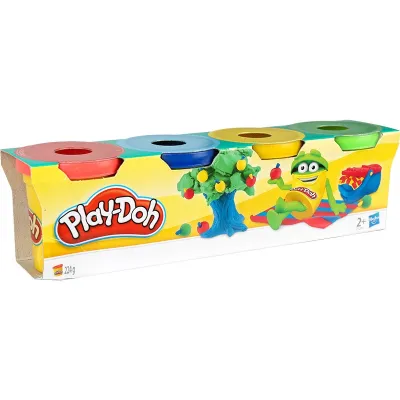
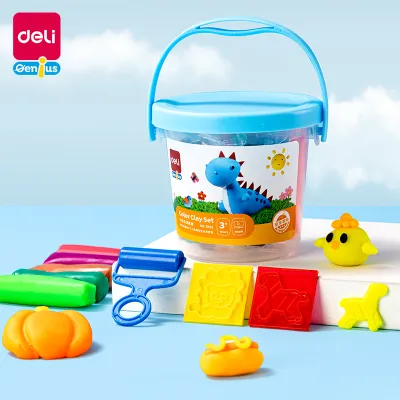
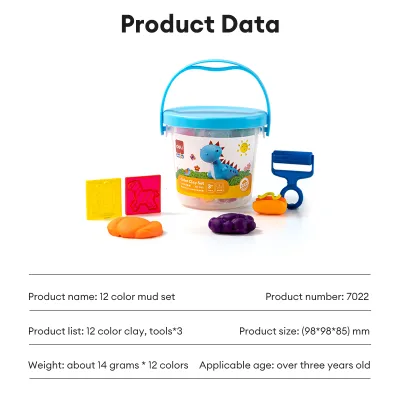
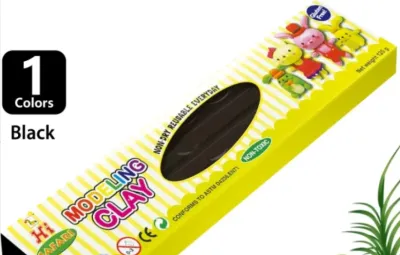
Prices are valid at publication and may change. Please refer to the product page for the latest price.
As children develop better fine motor control, they require a medium-firm dough. This type of compound offers moderate resistance, which helps build hand muscles and coordination. Medium-firm dough holds its shape well when pressed into molds, cut with plastic cutters, or rolled into spheres and cylinders. It strikes a balance between ease of manipulation and structural stability, making it the most versatile option for everyday creative play.
For older children, firm modeling compounds, air-dry clays, and textured doughs become more appropriate. These materials are designed for detailed sculpting, intricate modeling, and structural integrity. They resist sagging and can support fine details, such as carved lines or delicate appendages. Some of these compounds are formulated to dry and harden over time, preserving the finished artwork, while others remain pliable for repeated use.
Before introducing any new compound, it is wise to test its compatibility with your play surfaces and tools. Some formulations may leave an oily residue or transfer color onto porous materials like unfinished wood or certain plastics. Conducting a quick trial with a small piece of dough on an inconspicuous area of your play table or silicone mat will help you verify its behavior and prevent unwanted staining.
Age-Based Selection Guide: From Toddlers to School-Age Kids
Choosing the right modeling compound requires looking at your child’s current physical abilities and safety needs. Children progress rapidly from basic sensory exploration to complex, multi-part sculpting. Matching the dough’s characteristics to these developmental milestones ensures that play remains both safe and satisfying.

Toddlers (Ages 1–3): Safety and Sensory Exploration
During the toddler years, play is primarily sensory, and children frequently explore objects with their mouths. For this age group, safety is the absolute priority. You should select playdough that is clearly labeled as non-toxic and made from simple, food-grade ingredients. Many parents opt for homemade recipes using flour, water, salt, and cream of tartar, as this provides complete control over what enters the child’s environment and mitigates accidental ingestion risks.
The physical texture of the dough must match a toddler’s developing hand strength. Look for ultra-soft formulations that yield easily to gentle pressure. If a dough is too firm, toddlers can quickly experience muscle fatigue and lose interest in the activity. The material should feel smooth and moist, encouraging continuous squeezing, patting, and poking, which are essential for early motor skill development.
Accessories and tools require careful screening before they are introduced to toddlers. Any molds, rollers, or cutters must be large enough to pass standard choke-tube tests, ensuring they cannot be accidentally swallowed. Avoid any tools with sharp edges or small, detachable parts. Simple household items, such as large plastic spoons or sturdy silicone cups, often make the safest and most engaging accessories for this developmental stage.
Because toddlers are still developing their coordination, they often drop dough on the floor or press it into nearby fabrics. Choosing a formulation that does not crumble easily will save you significant cleanup time. Look for cohesive doughs that stick to themselves rather than breaking apart into tiny, hard-to-vacuum pieces that can get ground into rugs or floorboards.
Preschoolers (Ages 3–5): Building Fine Motor Skills
Preschoolers are developing more precise hand-eye coordination and are ready to transition from simple squeezing to purposeful shaping. At this stage, a medium-firm playdough is ideal. This consistency provides enough resistance to actively strengthen the small muscles in the hands and fingers, preparing them for writing and using scissors. The dough should hold its shape when molded, allowing children to create recognizable figures, animals, and basic structures.
This age group is also highly interested in color exploration and color mixing. When selecting commercial doughs, look for vibrant, primary colors that can be blended to teach color theory. However, it is important to verify that the pigments used do not leave stubborn stains on skin, clothing, or play surfaces. High-quality preschool doughs are formulated to release easily from hands and fabrics during normal washing.
Preschoolers love using tools to manipulate their dough. Introduce tool sets that feature smooth, rounded edges, such as plastic rolling pins, safety scissors, and basic stampers. These accessories help children practice bilateral coordination—using both hands together to accomplish a task. Ensure that the tools are durable enough to withstand firm pressure without snapping or creating sharp plastic shards.
To keep preschool play engaging, look for doughs that offer a smooth, non-sticky finish. Sticky dough can cling to plastic molds and tools, causing frustration when a child tries to release their creations. A high-quality medium-firm dough should release cleanly from plastic accessories, leaving minimal residue behind and preserving the molded details.
School-Age Children (Ages 6+): Complex Sculpting and Detailing
By the age of six, children possess the fine motor control necessary for detailed sculpting and structural building. School-age kids often outgrow standard soft playdough and prefer firmer compounds or air-dry clays. These materials allow them to build taller structures, sculpt delicate features, and join multiple pieces together without the dough collapsing under its own weight.
These advanced projects require compatibility with fine-detailing tools. Look for compounds that respond well to plastic sculpting knives, extruders, and intricate multi-part molds. The material should be cohesive enough to hold fine textures, such as stamped patterns or carved lines, without cracking or smoothing out over time. This allows children to express their creativity through more realistic and complex designs.
If you choose air-dry variants for this age group, keep in mind that they require specific storage and handling. Unlike traditional playdough, air-dry clay will begin to harden permanently when exposed to the air for extended periods. Teach your child to keep unused portions sealed in airtight containers during play sessions and to plan their projects efficiently to prevent premature drying before the sculpture is complete.
Additionally, consider the drying speed and final texture of the chosen air-dry compound. Some dry to a lightweight, spongy consistency, while others cure to a dense, stone-like finish. Knowing the final state of the material helps children choose the right project, whether they are making wearable beads, miniature figurines, or decorative plaques that they intend to paint once fully cured.
Key Safety and Ingredient Checks Before Buying
Before purchasing any commercial playdough, it is essential to conduct a thorough safety and ingredient check. Always look for recognized safety certifications on the packaging, such as the “AP Non-Toxic” seal from the Art and Creative Materials Institute (ACMI) or compliance with international toy safety standards like EN71 or ASTM D-4236. These labels indicate that the product has been evaluated by a toxicologist and is safe for children when used as intended.
Allergens are a significant consideration, especially since many traditional playdoughs are wheat-based and contain gluten. If your child has a wheat allergy, celiac disease, or other sensitivities, you must search for specifically labeled gluten-free, soy-free, or dairy-free alternatives. Even though playdough is not meant to be eaten, young children frequently touch their mouths during play, making allergen cross-contamination a real risk.
Preservatives play a critical role in maintaining the safety and shelf life of commercial playdough. Without proper preservation, the high moisture content in dough makes it a breeding ground for mold and bacteria. Check the packaging for expiration dates or recommended shelf-life indicators. While natural preservatives like salt and citric acid are common, commercial formulations often use food-grade preservatives to extend usability.
Be cautious of unbranded, bulk-packaged playdough sold on online marketplaces or discount stalls. These products often lack clear ingredient lists, manufacturer details, or safety certifications. Using unbranded dough carries the risk of exposure to industrial dyes, heavy metals, or harsh chemical preservatives that can cause skin irritation or health issues. Stick to reputable brands that provide transparent labeling and clear contact information.
When evaluating safety, also consider the scent of the dough. Many commercial brands add artificial fragrances to make the product more appealing. However, strongly scented doughs can sometimes trigger sensitivities in children with respiratory issues or sensitive skin. If your child is prone to allergies, look for unscented or hypoallergenic formulations that minimize the use of synthetic additives.
Evaluating Quality and Storage for Local Conditions
The tropical climate of the Philippines presents unique challenges for maintaining playdough quality. High humidity and warm temperatures can accelerate mold growth and alter the consistency of the dough, making it sticky or overly soft. Before buying, inspect the packaging seals to ensure no moisture has entered or escaped during transit. Reading user reviews from local buyers can provide valuable insights into how a specific brand performs in warm, humid conditions.
To protect your investment, adjust your storage methods to suit local environmental factors. Always store playdough in clean, airtight containers immediately after use. In highly humid areas, keeping the containers in a cool, dry place away from direct sunlight is crucial. Avoid storing playdough in damp cabinets or near open windows where moisture can seep in. If you are using homemade dough, storing it in the refrigerator can significantly extend its lifespan and prevent spoilage.
Regularly inspect the playdough for observable signs of degradation. If you notice crystallization (white salt crusts on the surface), separation of oils, a slimy texture, or a foul, sour odor, the dough has degraded and must be discarded. Mold growth is a clear indicator that the product is no longer safe for play. Regularly replacing old dough ensures a hygienic play environment for your children.
If you find that your playdough has become slightly sticky due to high ambient humidity, you can often remedy this by kneading a small amount of cornstarch into the mixture. Work in very small increments to avoid making the dough dry or crumbly. This simple adjustment can help restore the ideal texture and extend the usability of the compound during the wet season.
Frequently Asked Questions (FAQ)
Is homemade playdough inherently safer than commercial options?
Homemade playdough offers the distinct advantage of complete ingredient control, making it an excellent choice for families managing severe allergies or for very young toddlers who still mouth their toys. However, because homemade recipes lack commercial-grade preservatives, they have a much shorter shelf life and are highly susceptible to mold, especially in humid climates. Commercial options from reputable brands undergo rigorous safety testing and contain safe preservatives that ensure long-term durability and resistance to bacterial growth.
If you choose to make your own dough, you can maximize its safety by using food-grade colorings and natural preservatives like cream of tartar and high concentrations of salt. Keep in mind that even natural homemade dough should be inspected before every play session. If it develops an off smell, a sticky texture, or visible spots, it should be discarded immediately and replaced with a fresh batch.
How can I safely restore playdough that has started to dry out?
If playdough has only begun to stiffen, you can often restore its pliability by adding a few drops of water or a tiny amount of food-grade oil and kneading it thoroughly. Work the moisture into the dough slowly to avoid making it sticky. However, if the dough has completely hardened, developed a crusty salt crystallization, or shows any signs of mold, restoration is no longer safe or effective, and the material should be thrown away.
Avoid using high-heat methods like microwaving, as this can cook the starches in the dough, permanently ruining its texture and creating a burn hazard. Instead, wrap the slightly dry dough in a damp paper towel and leave it inside its airtight container overnight. This gentle rehydration method allows the moisture to distribute evenly throughout the compound without altering its chemical structure.
What immediate steps should I take if my child eats playdough?
If your child ingests a small amount of playdough, remain calm and identify the type of dough used. Homemade dough and certified non-toxic commercial doughs are generally safe in tiny quantities, though the high salt content may cause mild stomach upset or thirst. Offer your child a glass of water to help dilute the salt and monitor them closely for any unusual behavior.
If you observe any signs of choking, difficulty breathing, or an allergic reaction (such as hives, swelling, or wheezing), seek immediate emergency medical attention. For peace of mind, or if a larger quantity is consumed, consult your pediatrician or a local poison control center for guidance. Always keep the original packaging or recipe handy so you can provide accurate ingredient information to medical professionals.
Community discussion
Share your experience or ask a question. Comments are reviewed before publication.